

What’s the ROI difference between basic and advanced pallet inverters in pharma?
Have you ever stared at your warehouse floor, seeing manual pallet changes slow things down? Or worse, worried about safety risks and product integrity? In the pharmaceutical industry, these challenges are not just daily hassles. They can impact your bottom line, compliance, and even patient safety. As someone who has spent years in the packing machine industry, I have seen first-hand how the right equipment can change everything. It is not just about moving products. It is about moving them safely, efficiently, and profitably.
The financial return on investment (ROI) between basic and advanced pallet inverters in the pharmaceutical industry significantly differs. Basic inverters offer a lower initial cost, providing quick, straightforward pallet-to-pallet transfers for less complex needs. Advanced systems, however, involve a higher upfront investment but deliver far greater long-term ROI through enhanced automation, superior safety features, better compliance support, and reduced operational costs. They address the specific demands of pharma, such as stringent hygiene, product integrity, and high-volume, error-free operations.
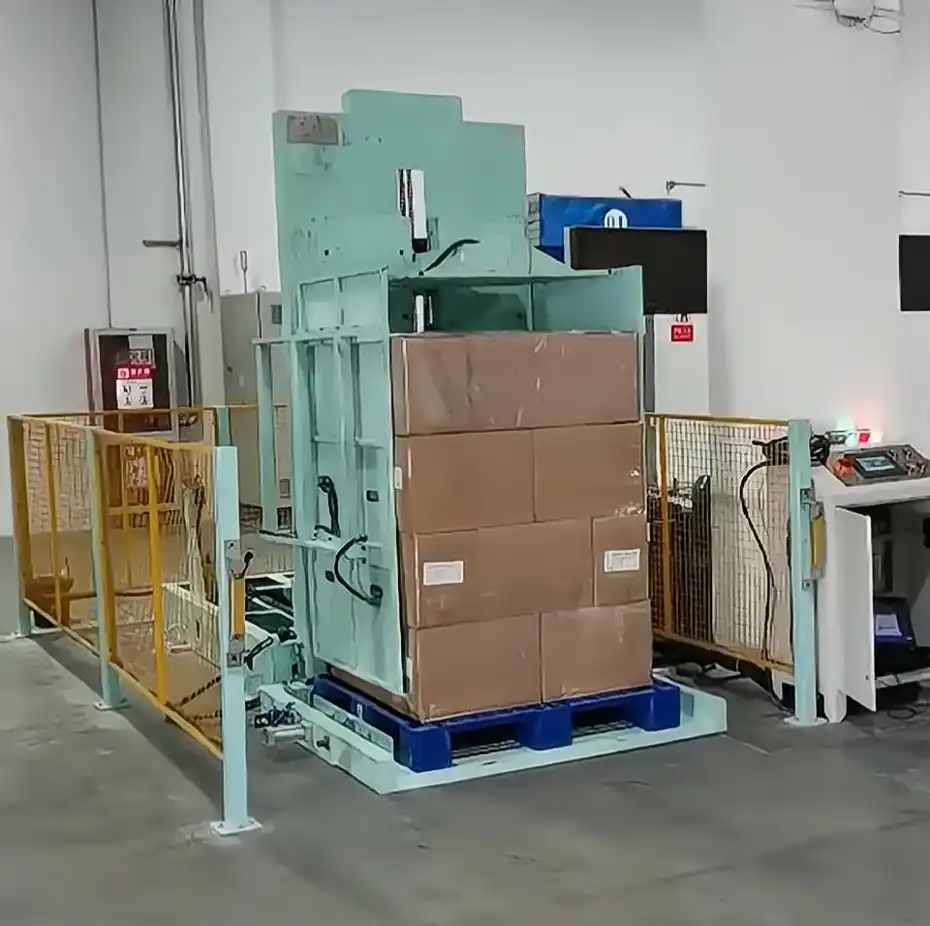

So, you are looking for ways to boost efficiency and safety, especially in a demanding environment like pharma? The choice between a basic and an advanced pallet inverter is not just a technical decision. It is a strategic one that directly impacts your company’s financial health and operational success. Let us explore this deeper and see what truly sets these machines apart.
What defines a “basic” versus an “advanced” pallet inverter?
Many people think a pallet inverter is just a machine that flips pallets. But that is too simple, especially in specialized industries like pharmaceuticals. From my years helping clients find the right solutions, I have learned that understanding the nuances is key. A “basic” machine does one thing well, while an “advanced” one offers a whole ecosystem of benefits.
A “basic” pallet inverter provides a fundamental function: exchanging one pallet for another using simple hydraulic or mechanical means. It is typically a standalone unit, manually operated, and designed for straightforward, lower-volume applications. An “advanced” pallet inverter, on the other hand, integrates sophisticated automation, safety features, and specialized functionalities. It often connects with existing production lines, offers adaptable handling for various pallet types, and meets strict industry compliance standards.
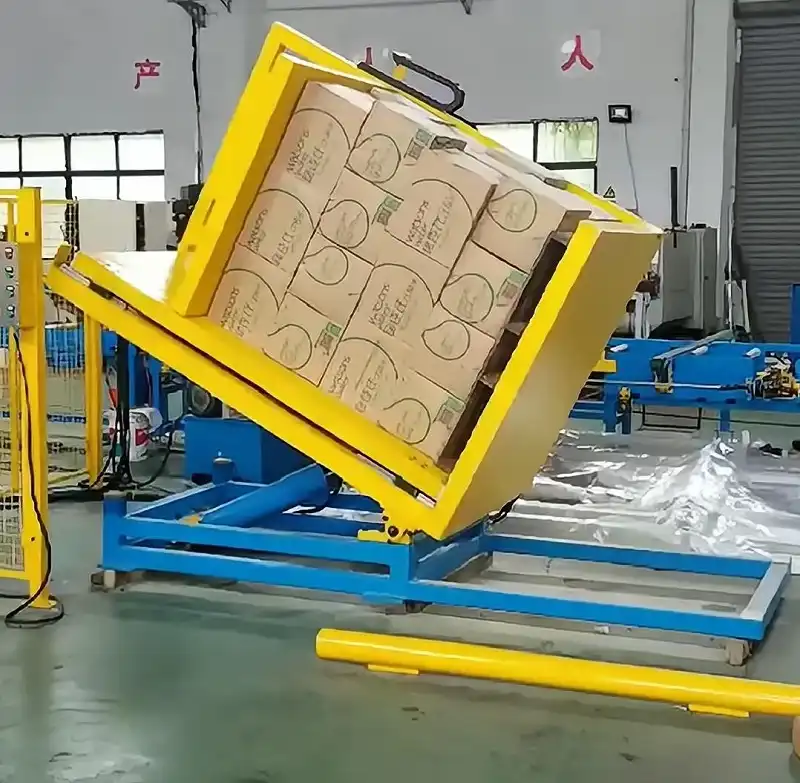

Let us break down these differences further. When I first started in this business, many factories used very simple machines. They did the job, but they needed a lot of human intervention. Now, with technology moving so fast, the gap between simple and complex has grown wider. This is especially true for an industry like pharma, where precision and hygiene are critical.
Key Distinctions Between Basic and Advanced Pallet Inverters
Understanding the core differences helps make the right choice. It is not always about buying the most expensive machine. It is about buying the right machine for your specific needs.
Basic Pallet Inverters
- Functionality: These machines usually perform a single task, like a 180-degree turn or a 90-degree tilt. They are often static units. You load a pallet, the machine flips it, and then you unload it.
- Operation: Most basic models require manual loading and unloading. An operator needs to guide the pallet with a forklift or pallet jack. They also often control the machine directly with buttons or levers.
- Features: They have essential safety features, but they are not always integrated with wider safety systems. There is usually no data tracking or complex programming.
- Cost: The upfront cost is lower. This makes them attractive for small businesses or operations with very low pallet exchange volume.
- Maintenance: Maintenance is generally simpler because there are fewer complex components.
- Limitations: They offer limited flexibility for different pallet sizes or product types. They also struggle with high-volume tasks and do not easily integrate into automated lines.
Advanced Pallet Inverters
- Functionality: These machines go beyond simple pallet changes. They can often handle different pallet sizes automatically, perform load transfers (pallet-to-slip sheet, for example), and even integrate weighing or scanning functions. Some even come with mobile options for flexibility.
- Operation: Advanced inverters are designed for automation. They can integrate into conveyor systems, allowing for hands-free operation. They can be programmed to handle various tasks without constant human oversight. This reduces manual labor significantly.
- Features: Safety is a top priority. They include advanced sensors, light curtains, emergency stop systems, and often meet higher safety standards. Many have data logging capabilities for traceability, which is crucial in pharma. They can be remotely monitored and controlled.
- Cost: The initial investment is higher due to more complex engineering, advanced components, and software.
- Maintenance: While more complex, many advanced systems offer predictive maintenance features or remote diagnostics. This reduces downtime.
- Flexibility and Integration: They are highly adaptable. They can switch between Euro, US, and plastic pallets seamlessly. They are built to be part of a larger automated warehouse or production line. This is a huge advantage for businesses handling diverse international shipments.
- Hygiene Standards: In pharma, maintaining strict hygiene is paramount. Advanced systems often come in stainless steel or with wash-down capabilities. This ensures product integrity and prevents contamination.
The choice often comes down to what problem you are trying to solve. Is it just an occasional pallet swap, or are you looking to transform your entire handling process? From my experience, many of my clients initially look at the lowest price. But then they realize the true cost includes labor, downtime, and potential errors.
How does the initial investment compare with long-term savings in pharma operations?
When clients first approach me, they always ask about price. That is natural. But I always tell them to look beyond the sticker price. Especially in pharmaceuticals, the “long-term savings” side of the equation is much more impactful than the “initial investment” side. A cheap solution can become very expensive quickly if it does not meet the industry’s specific demands for safety, hygiene, and efficiency.
The initial investment for a basic pallet inverter is significantly lower, making it seem appealing for quick budget approvals. However, advanced pallet inverters, despite their higher upfront cost, generate substantial long-term savings in pharmaceutical operations. These savings come from reduced labor, improved safety, minimized product damage, enhanced compliance, and greater operational efficiency, ultimately leading to a far superior return on investment over the machine’s lifespan.
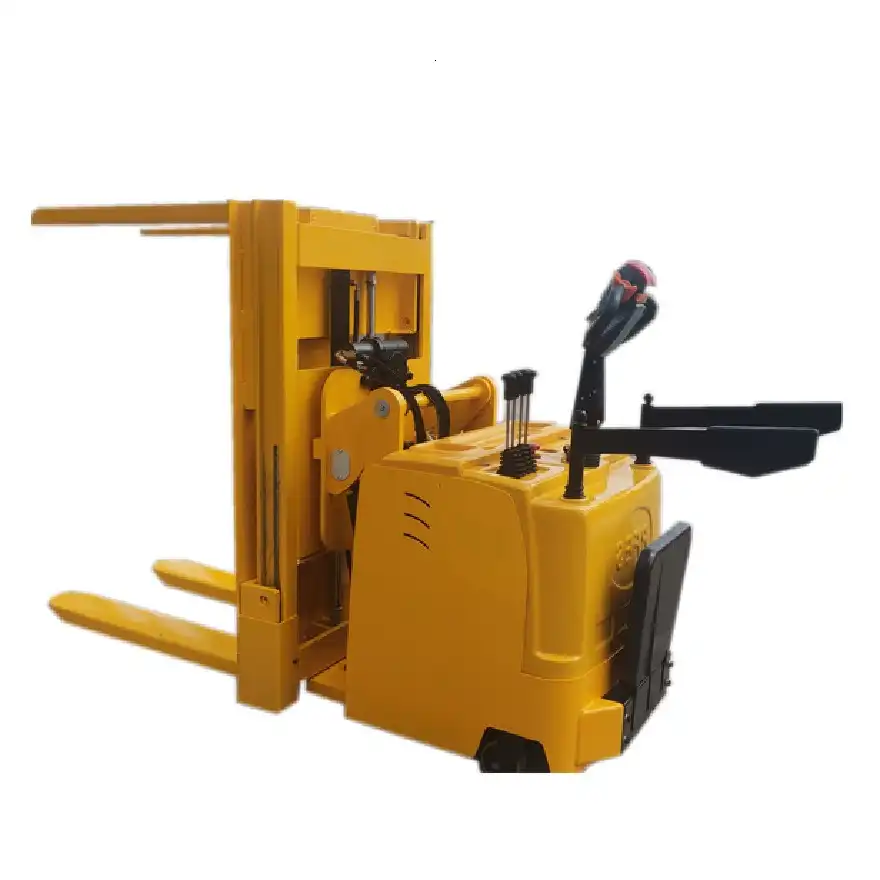

I have seen many factories invest in basic equipment, only to find themselves upgrading just a few years later. The hidden costs of manual processes, safety incidents, and lack of adaptability quickly add up. For pharma, where even a small error can have massive consequences, this becomes even more critical.
Breaking Down the ROI for Pharma Operations
Let us look at the financial aspects more closely. It is about understanding what you pay now versus what you gain or lose later.
Initial Investment
- Basic Pallet Inverter:
- Cost: Generally, between $10,000 to $30,000 USD, depending on features and manufacturer.
- Installation: Simpler, often “plug-and-play,” requiring minimal setup time or facility modifications.
- Training: Very basic training for operators, as operations are manual and straightforward.
- Advanced Pallet Inverter:
- Cost: Can range from $50,000 to $200,000+ USD, especially for highly customized, fully automated, or stainless steel pharma-grade systems.
- Installation: More complex, often involving integration with existing conveyor lines, electrical systems, and facility layout changes. This may require specialized engineers.
- Training: More extensive training needed for operators and maintenance staff due to complex programming, automated features, and safety protocols.












