
What ROI Should Russian Purchasing Teams Expect from Upender Modernization?
Heavy industrial operations face constant pressure. Production bottlenecks, safety risks, and rising costs challenge factory managers every day. For Russian purchasing teams, these pressures are amplified by the need for robust, reliable equipment that delivers clear value. They need solutions that work in demanding environments and provide a strong return on investment.
Upender modernization offers a significant return on investment (ROI) for Russian purchasing teams, typically seen through increased production efficiency by 30-50%, reduced labor costs by up to 70%, and a drastic decrease in workplace injuries, often paying for itself within 18-36 months. This investment boosts throughput, enhances safety, and minimizes product damage in heavy material handling.
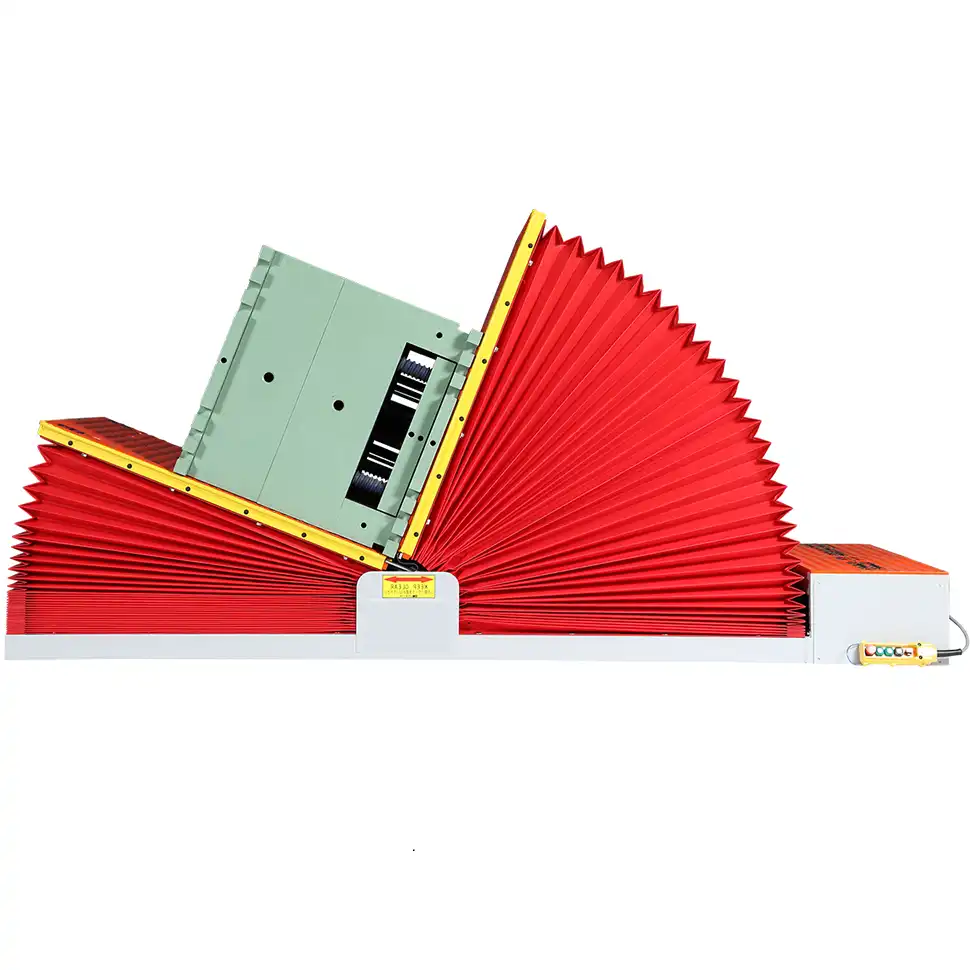
You are likely looking for clear, measurable benefits from any new equipment. You want to understand how an upender can truly change your operations for the better. Let’s break down the specific ways upender modernization delivers real value to your factory.
How Does Upender Modernization Boost Production Efficiency?
Are your current heavy material handling processes slowing you down? Do manual methods create bottlenecks at the end of your production line? Many factories, especially those dealing with heavy steel coils or wire bundles, struggle with slow, labor-intensive packaging. This delays shipments and impacts overall output.
Upender modernization boosts production efficiency by automating the critical process of reorienting heavy items, cutting down manual labor time significantly and speeding up the entire packaging or transfer process. This leads to faster throughput and a more streamlined workflow from production to shipping.
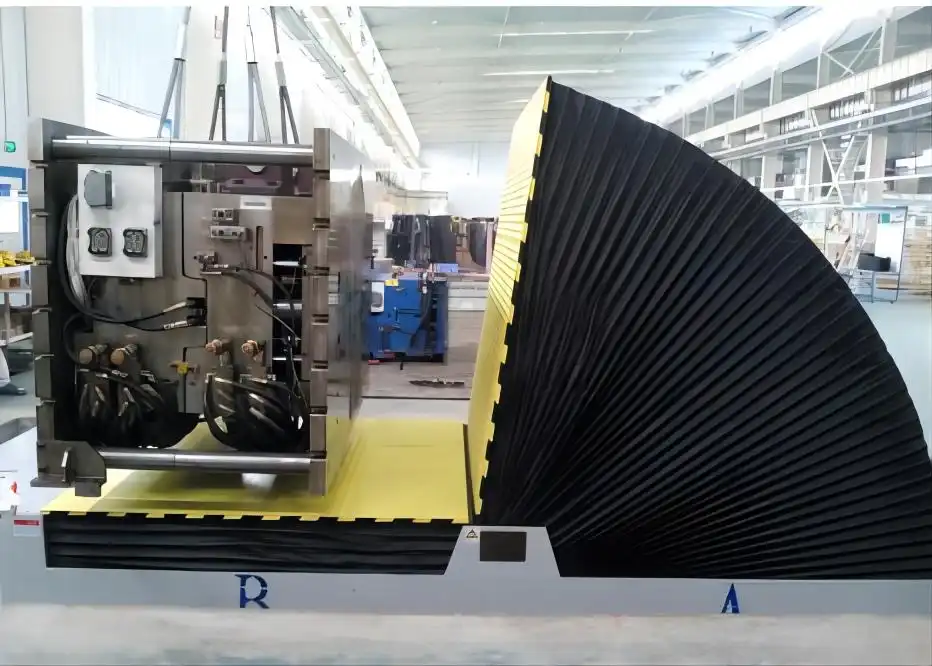
When I started my journey in the packing machine industry, I saw firsthand how much time and effort went into manual material handling. Workers struggled with heavy coils and bundles. This not only slowed things down but also led to mistakes and delays. Modern upenders remove these pain points. They automate the process of flipping or turning heavy objects. This might be a steel coil that needs to go from lying flat to standing upright. Or it could be a heavy mold that needs to be rotated for storage or transport.
From Manual to Automated: A Clear Shift in Speed
Think about your current process. How many workers does it take to flip a heavy coil or bundle? How long does that take? What about the risks involved? With an automated upender, one operator can manage the task. The machine does the heavy lifting quickly and safely. This means less waiting time for products to move to the next stage. It means fewer delays in getting products out the door.
This change is not just about speed. It is also about consistency. Manual processes are prone to variations. Some days are faster, some are slower. Machine operations are consistent. They perform the same task the same way every time. This predictability is vital for planning and meeting production targets. For Russian purchasing teams, this reliability means more stable output and fewer surprises. It is about building a system that you can trust to deliver day after day, year after year, even in challenging industrial settings.
Let’s look at a simple comparison:
| Metric | Manual Process | Automated Upender Process |
|---|---|---|
| Time per coil/bundle | 5-10 minutes | 30-60 seconds |
| Workers needed | 2-4 | 1 |
| Throughput | Low, inconsistent | High, consistent |
| Bottleneck potential | High | Low |
| Process control | Variable | Precise |
This table shows a clear picture. The automated upender wins on every point related to efficiency. My experience has shown me that even small improvements in process time can lead to massive gains over a full year of operation. This is especially true in high-volume heavy industries.
Can Upenders Truly Improve Workplace Safety?
Are your workers constantly at risk from manual handling of heavy items? Do workplace injuries lead to high insurance costs and staff turnover? Manual lifting and reorienting of heavy objects like steel coils or molds are inherently dangerous. This is a problem many factory managers face, and it directly impacts worker well-being and your bottom line.
Upenders significantly improve workplace safety by eliminating the need for manual handling of heavy and awkward loads, drastically reducing the risk of musculoskeletal injuries, crushed limbs, and dropped objects, creating a much safer environment for factory personnel. This also lowers insurance costs and boosts worker morale.
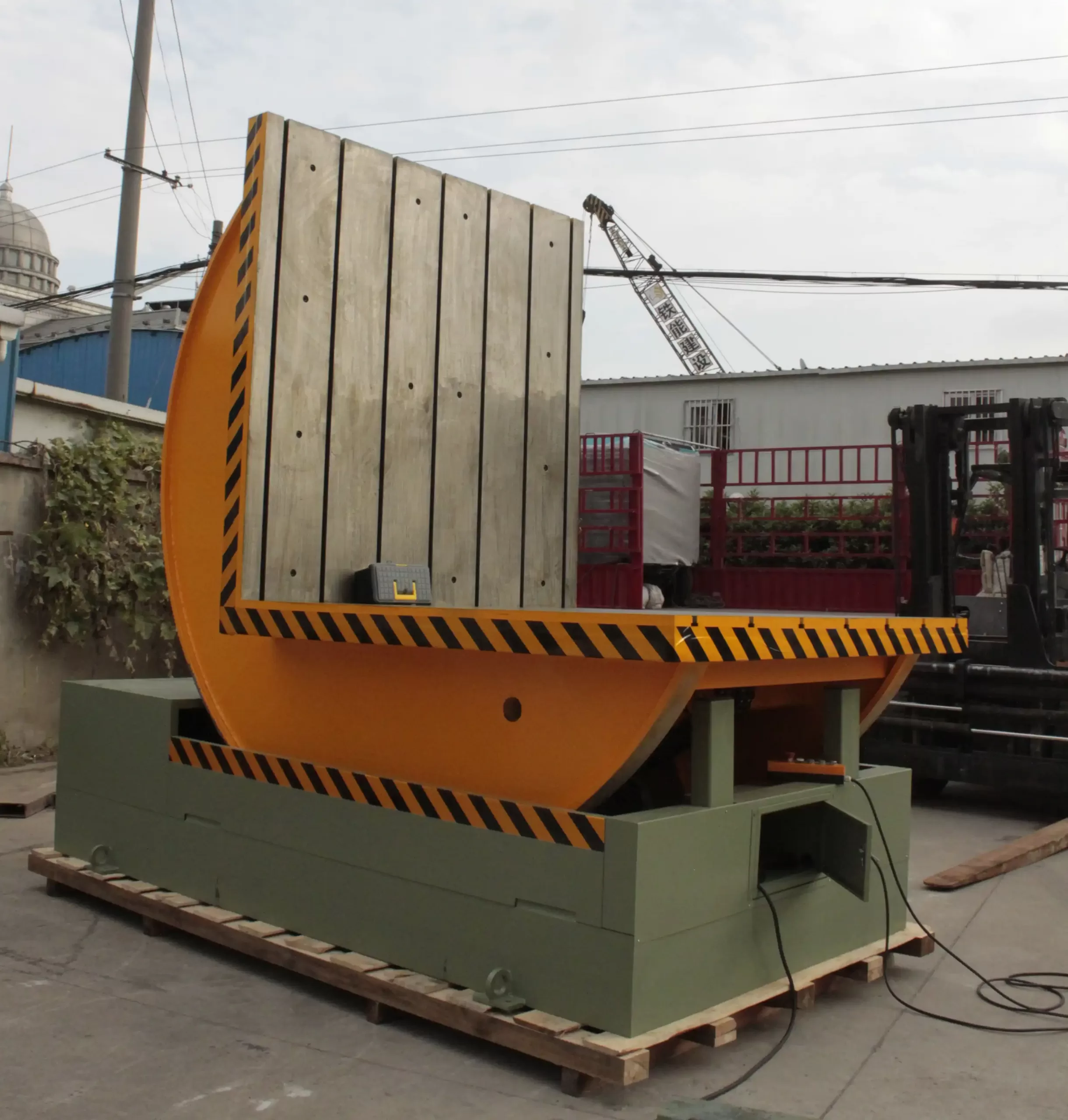
When I was building my packing machine factory, safety was always a top priority. I saw how easily accidents could happen when dealing with heavy machinery and materials. One wrong move could lead to a serious injury. This risk is always present in heavy industries. Workers can suffer back injuries from lifting, crushed limbs from falling objects, or even worse. These incidents are not just tragic for the individual. They also mean lost workdays, high medical bills, and increased insurance premiums for the company. They also affect worker morale.
Removing Risk: A Fundamental Shift
Upenders are designed to remove workers from the immediate danger zone. Instead of having multiple people try to lift or push a heavy object into position, the machine does it. The operator stands at a safe distance, controlling the upender with a remote or a control panel. This simple change reduces direct exposure to heavy loads.
Consider the common risks in manual handling:
- Muscle strains and back injuries: Workers repeatedly lift or twist heavy items. Over time, this causes wear and tear on their bodies.
- Crushing injuries: If an object slips or falls during a manual lift, it can crush a worker. This is a very real danger with items weighing tons.
- Pinch points: Fingers or limbs can get caught between the heavy object and another surface.
- Fatigue-related accidents: Tired workers are more likely to make mistakes. Long shifts doing physically demanding work increase this risk.
An upender eliminates almost all of these risks. The machine takes the strain. It handles the weight. It performs the complex movements. This means fewer accidents, fewer injuries, and a healthier workforce. For Russian purchasing teams, investing in safety equipment shows a commitment to your employees. It also protects your company from the high costs associated with workplace accidents. My experience has shown me that a safe factory is a productive factory. Workers who feel safe are more engaged and less likely to leave.
Here is how upenders mitigate common safety hazards:
| Hazard | Manual Handling Risk | Upender Solution |
|---|---|---|
| Musculoskeletal Injuries | High strain on backs, shoulders, knees from lifting/twisting. | Machine lifts and rotates, no manual strain. |
| Crushing Hazards | Risk of object falling or shifting onto workers. | Secure clamping mechanism, controlled movement. |
| Pinch Points | Workers’ hands/limbs caught between object and surface. | Remote operation keeps workers away from moving parts. |
| Fatigue | Exhaustion leading to errors and increased risk. | Reduces physical labor, less worker fatigue. |
| Product Damage from Drops | High risk of dropping heavy items. | Stable, controlled lowering/raising of products. |
This focus on safety is not just good for people. It is also good for business. Fewer injuries mean lower insurance premiums and less time lost to recovery. This directly adds to your factory’s profitability.
What About the Long-Term Cost Savings from Upender Investment?
Are you looking for ways to cut operational costs and improve your factory’s profitability? Manual processes for heavy material handling are not just slow and dangerous; they are also expensive. High labor costs, product damage, and frequent equipment downtime can eat into your profit margins. You need solutions that provide a clear return on investment.
Upender investment leads to significant long-term cost savings by drastically reducing labor expenses, minimizing costly product damage during handling, and decreasing insurance premiums due to improved safety, ensuring a rapid return on investment (ROI) through sustained operational efficiency. This makes it a smart financial move for any heavy industry.
When I built my factory, every investment had to make sense financially. It was not enough for a machine to just “work.” It had to deliver tangible savings and help the business grow. For Russian purchasing teams, this focus on ROI is paramount. An upender might seem like a large upfront cost. But its long-term benefits quickly outweigh this initial expense.
Breaking Down the Savings
Let’s look at where the money is saved:
Labor Cost Reduction
This is often the biggest and most immediate saving. A task that once required three or four workers can now be done by one, or even zero, with full automation. Think about the salaries, benefits, and training costs for those extra workers. An upender effectively frees up labor for more value-added tasks elsewhere in the factory. Over months and years, these savings add up to a substantial sum. This is especially relevant in regions where skilled labor can be scarce or expensive.
Reduced Product Damage
Michael Chen mentioned product damage, like steel coil edges getting damaged during internal transfer. This is a common problem. Manual handling or using improper equipment often leads to nicks, dents, or deformations. Each damaged product means rework, scrap, or worse, customer complaints and returns. These losses directly hit your profits. An upender handles products with precision and care. It secures the item before moving it. It lowers and raises it smoothly. This drastically reduces the chance of damage.
Lower Insurance Premiums and Accident Costs
As discussed, improved safety means fewer accidents. Fewer accidents mean lower workers’ compensation claims and reduced insurance premiums. The costs associated with a single serious injury – medical bills, legal fees, lost production time, and morale impact – can be huge. Preventing even one such incident can provide a massive return on investment. This is a hidden saving that often gets overlooked but is critically important.
Increased Uptime and Throughput
When processes are smoother and safer, there is less downtime. No more waiting for multiple workers to be available for a lift. No more stopping production because of an accident. This increased uptime means you produce more. More production means more sales and more revenue. The return on investment for an upender is not just about cutting costs; it is also about increasing the capacity of your factory. My journey showed me that maximizing output while controlling costs is the key to financial independence.
Consider these ROI factors for an upender:
| ROI Factor | Impact on Cost/Revenue | Example Impact |
|---|---|---|
| Labor Costs | Reduces need for multiple manual laborers. | ~70% reduction in labor for specific task. |
| Product Damage | Minimizes scrap, rework, customer returns. | Up to 90% reduction in handling-related damage. |
| Safety/Insurance | Lowers accident-related costs, reduces premiums. | 10-20% reduction in workers’ compensation. |
| Throughput | Increases processing speed and overall output. | 30-50% increase in daily handling capacity. |
| Maintenance | Modern robust designs require less frequent repairs. | Lower long-term maintenance costs compared to manual. |
These factors combine to provide a compelling financial case for upender modernization. For Russian purchasing teams focused on optimizing factory performance, these are the numbers that matter.
Why is Choosing the Right Partner Crucial for Russian Teams?
Have you ever worked with a supplier who only cared about the sale, not what happened after? This can be a major source of frustration and risk for factory managers, especially for Russian teams who need reliable partners in challenging industrial landscapes. Picking the right supplier for heavy equipment like upenders is not just about price. It is about trust, expertise, and long-term support.
Choosing the right partner is crucial for Russian teams because it ensures long-term equipment reliability, expert technical support, and a deep understanding of unique operational challenges, moving beyond a transactional sale to a supportive relationship that safeguards your investment and future growth. This is essential for specialized heavy machinery like upenders.
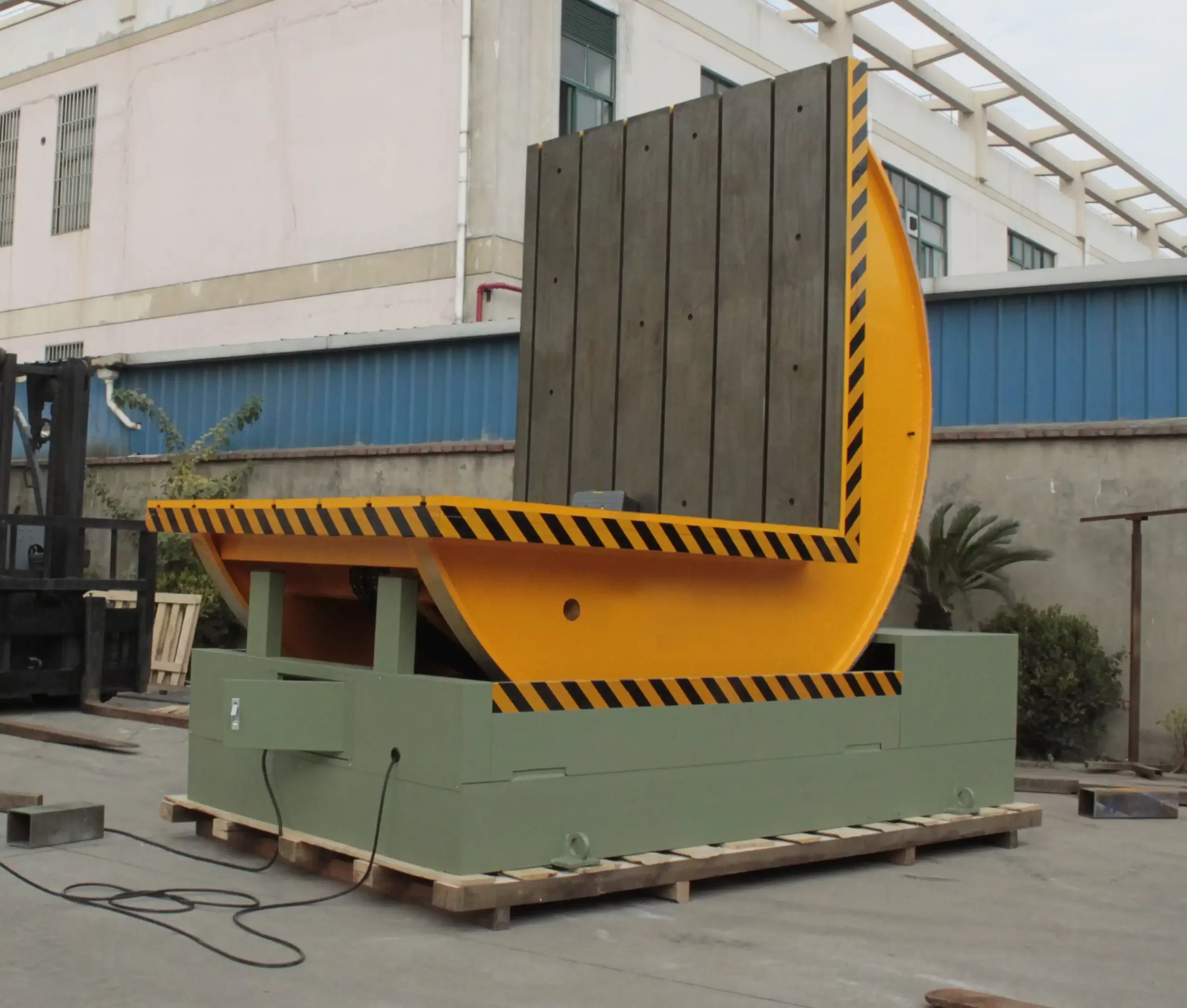
My journey from an employee to a factory owner taught me one very important lesson: your partners are key to your success. I built my business on trust and delivering real value. I know what it feels like to struggle with production bottlenecks and safety concerns. I also know what it takes to build a successful factory from the ground up. This is why I am so passionate about sharing my expertise through FHOPEPACK. I want to help others succeed.
What Makes a Good Partner?
For Russian purchasing teams, this is even more critical. You need equipment that can withstand tough industrial conditions. You need a supplier who understands your specific needs, not just generic sales pitches.
Deep Industry Expertise
A good partner does not just sell machines. They understand your industry. They know about steel coils, wire bundles, and heavy component handling. They know the challenges of a busy metal processing plant. They can talk about production bottlenecks, safety regulations, and ROI calculations with real insight. This kind of knowledge comes from experience, not just a textbook. My years in the packing machine industry give me this perspective. I have been in your shoes. I know what keeps you up at night.
Proven Reliability and After-Sales Support
A machine is only as good as its uptime. What happens if something goes wrong? Can you get spare parts quickly? Is technical support available? A reliable partner provides strong after-sales service. This includes installation support, training for your staff, and prompt troubleshooting. For operations in Russia, this reliability and support are non-negotiable. You need a partner who stands by their product and their promises, ensuring your investment continues to deliver for years to come.
A Problem-Solving Approach
The best partners do not just list products. They ask about your problems. They listen to your challenges. Then, they offer tailored solutions. They might suggest a specific upender model or custom features. They look at your whole operation to see how their equipment fits in. They want to help you achieve your goals, whether it is increasing automation, improving safety, or cutting costs. This is the difference between a vendor and a true partner.
When I established my factory, I learned that trust is built on actions, not just words. I focused on helping my clients grow their businesses. This meant going beyond just selling them a machine. It meant understanding their needs, providing reliable equipment, and offering support long after the sale. This is the FHOPEPACK philosophy. We are not just a company that sells upenders. We are a knowledge-sharing platform dedicated to helping you master your material handling challenges and improve your factory’s performance.
My Insights
From my own journey building a successful packing machine factory, I have learned that the best investments are those that solve real problems and build long-term value. For Russian purchasing teams looking at upender modernization, it is not just about the machine itself. It is about transforming your operations. It is about creating a safer, more efficient workplace. It is about making your factory more profitable. I achieved financial independence through understanding these principles and applying them in the packing machine industry. Now, I want to share that knowledge. Look for partners who understand your specific challenges. Seek out solutions that offer clear, measurable returns. And always prioritize safety and efficiency. These are the cornerstones of a successful industrial operation, and they are what an upender can truly deliver.
Conclusion
Upender modernization offers robust ROI for Russian teams through enhanced efficiency, improved safety, and significant cost savings. It is a strategic investment for increased profitability and operational excellence.








