
What ROI Metrics Matter Most for U.S. Purchasing Managers?
Many factory managers face huge pressure every day. They need to make more products, keep costs low, and make sure everyone is safe. It is a tough job. But often, they struggle with slow processes, safety risks, and products getting damaged. These problems eat away at profits and cause headaches. I understand these struggles. I built a packing machine factory after working in the industry myself. I learned that choosing the right equipment, with clear return on investment (ROI), is the key to solving these issues and growing a business.
For U.S. purchasing managers, the most important ROI metrics are often linked to operational efficiency, worker safety, and product quality. These directly impact the bottom line by reducing labor costs, preventing accidents, and minimizing material waste. Investing in durable, automated solutions provides measurable returns by speeding up production, making the workplace safer, and ensuring products reach customers in perfect condition.
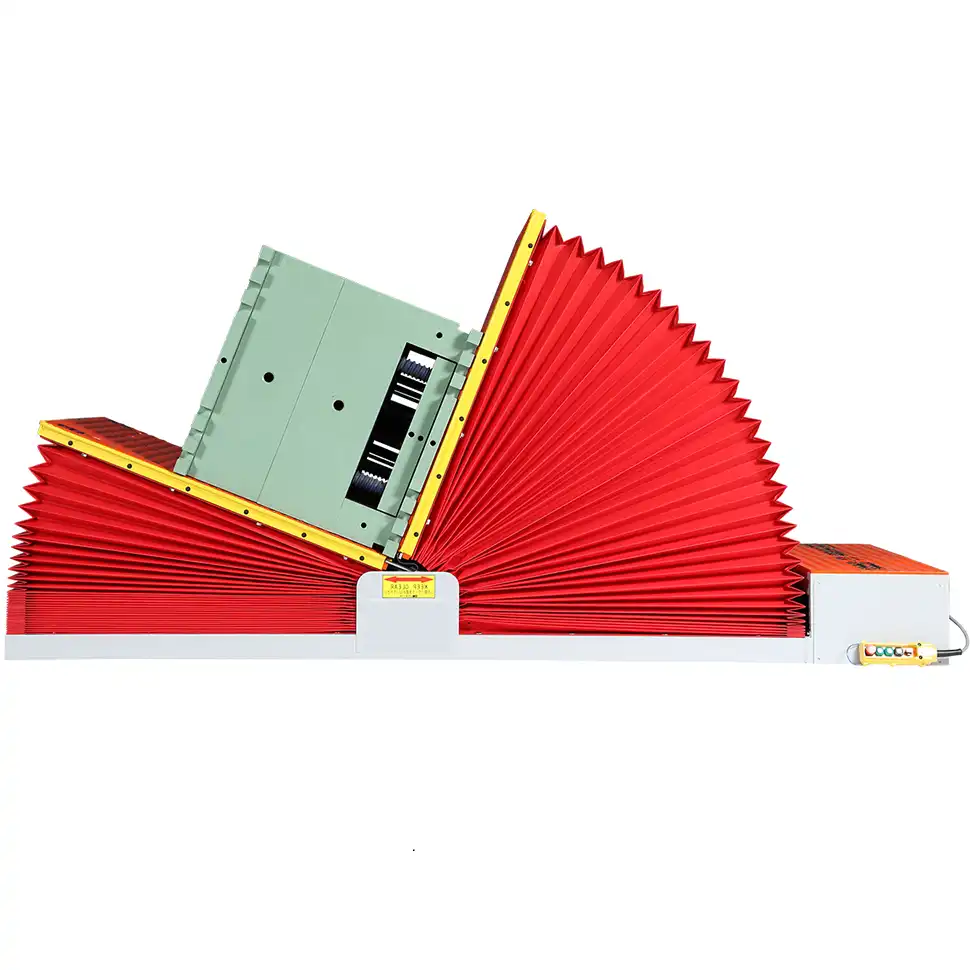
As someone who has walked the factory floor and built a business from the ground up, I have seen these challenges firsthand. I know how important it is to find equipment that truly delivers. Let us look closer at the specific areas where smart investments can bring clear and significant returns for your factory.
How Does Automation Improve My Factory’s Efficiency?
Are your factory’s production lines constantly hitting a wall at the packing stage? Manual processes for heavy items like steel coils or wire are slow. This bottleneck slows down your whole operation. It makes it harder to meet delivery times and causes frustration. You lose valuable production time and money. The answer often lies in smart automation. It removes these bottlenecks, making your entire production flow smoothly and quickly.
Automation boosts factory efficiency by drastically increasing throughput, reducing cycle times, and optimizing labor allocation. It takes over repetitive, slow tasks, freeing up workers for more complex roles. This leads to faster production, fewer delays, and a much more streamlined operation overall.
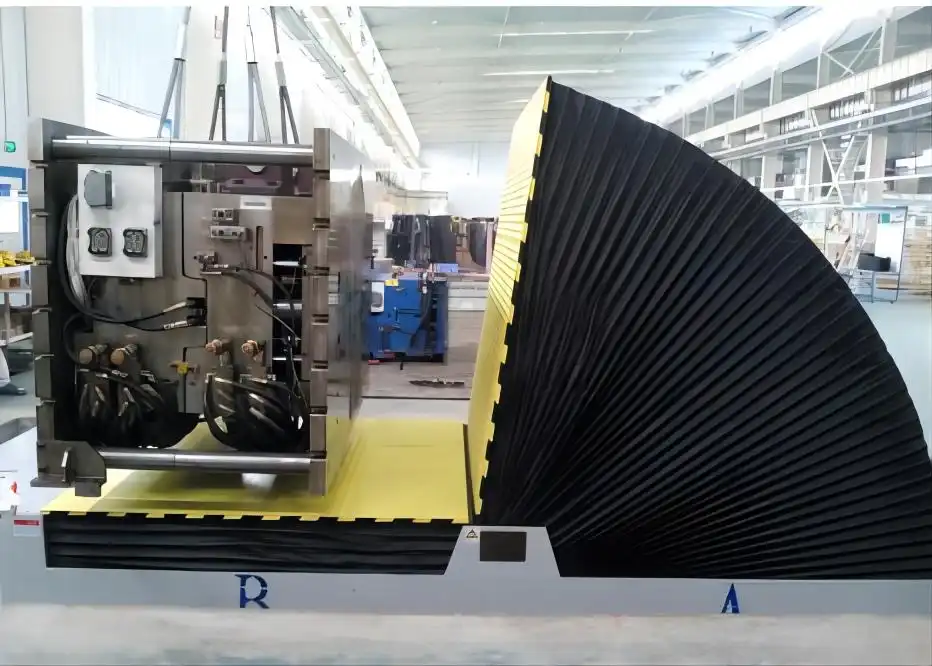
When I first started in the packing machine industry, I saw how much time was wasted on manual packing. People had to move heavy coils by hand. This was slow and needed many workers. It was clear that this was not a sustainable way to grow. Automating the end-of-line packaging is a big step for any factory. It turns a slow, manual process into a fast, automated one.
Consider a factory that packs steel coils. If they rely on a team of workers to manually wrap each coil, flip it, and move it, it takes a long time. This is especially true for heavy items. An automated packing line, with machines that wrap, stack, and move products, works much faster. This means more products can leave the factory each day. More output directly impacts revenue. Automated systems also work consistently. They do not get tired or make mistakes from fatigue. This leads to a steady and predictable flow of products. It helps in planning deliveries and managing inventory. Manual processes can have big variations in speed. This makes it hard to plan accurately. With automation, you gain control over your production speed. This allows you to promise specific delivery dates with confidence.
Think about the overall factory output. If your packing area is the slowest part, then the entire factory runs at that slow speed. This is known as a bottleneck. By fixing this bottleneck with automation, the whole factory can speed up. This has a ripple effect on all operations. It means you can take on more orders. It means you can serve more customers. And it means you can grow your business faster. This type of investment has a clear ROI. It is not just about reducing the number of people in one area. It is about increasing the total output of the whole factory. This is how you make a real difference to the bottom line. My own journey taught me that efficiency is not just about working harder. It is about working smarter. Investing in the right machines lets you do just that. It helps you keep your promises to customers and grow your market share.
Key Efficiency Improvements from Automation:
| Metric | Before Automation (Manual) | After Automation (Automated) | Impact on ROI |
|---|---|---|---|
| Throughput Rate | Low, inconsistent, labor-dependent | High, consistent, machine-driven | More products packed per hour/day, increased sales. |
| Cycle Time | Long, variable due to human factors | Short, predictable, optimized | Faster production, quicker order fulfillment. |
| Labor Utilization | Workers tied to repetitive, heavy tasks | Workers focus on oversight, skilled roles | Reduced labor costs, better use of human capital. |
| Overtime Hours | Often high to meet demand | Significantly reduced, if not eliminated | Direct cost savings on wages. |
| Production Lead Time | Longer due to bottlenecks | Shorter, more reliable | Improved customer satisfaction, competitive advantage. |
Can Investing in Safer Equipment Truly Lower My Costs?
Factory floors can be dangerous places, especially when heavy materials are moved by hand. Workers lifting heavy molds or flipping pallets face constant risks. These safety hazards lead to serious injuries. Injuries mean high insurance costs, lost workdays, and high employee turnover. This hurts morale and your finances. Investing in equipment designed for safety is not just good for your people; it is great for your budget. It directly reduces accident rates and associated expenses.
Investing in safer equipment significantly lowers costs by reducing workplace injuries, leading to lower insurance premiums and fewer lost workdays. It also improves employee morale, decreases turnover rates, and avoids costly legal liabilities. The direct ROI comes from a healthier workforce and a more stable financial position for the company.
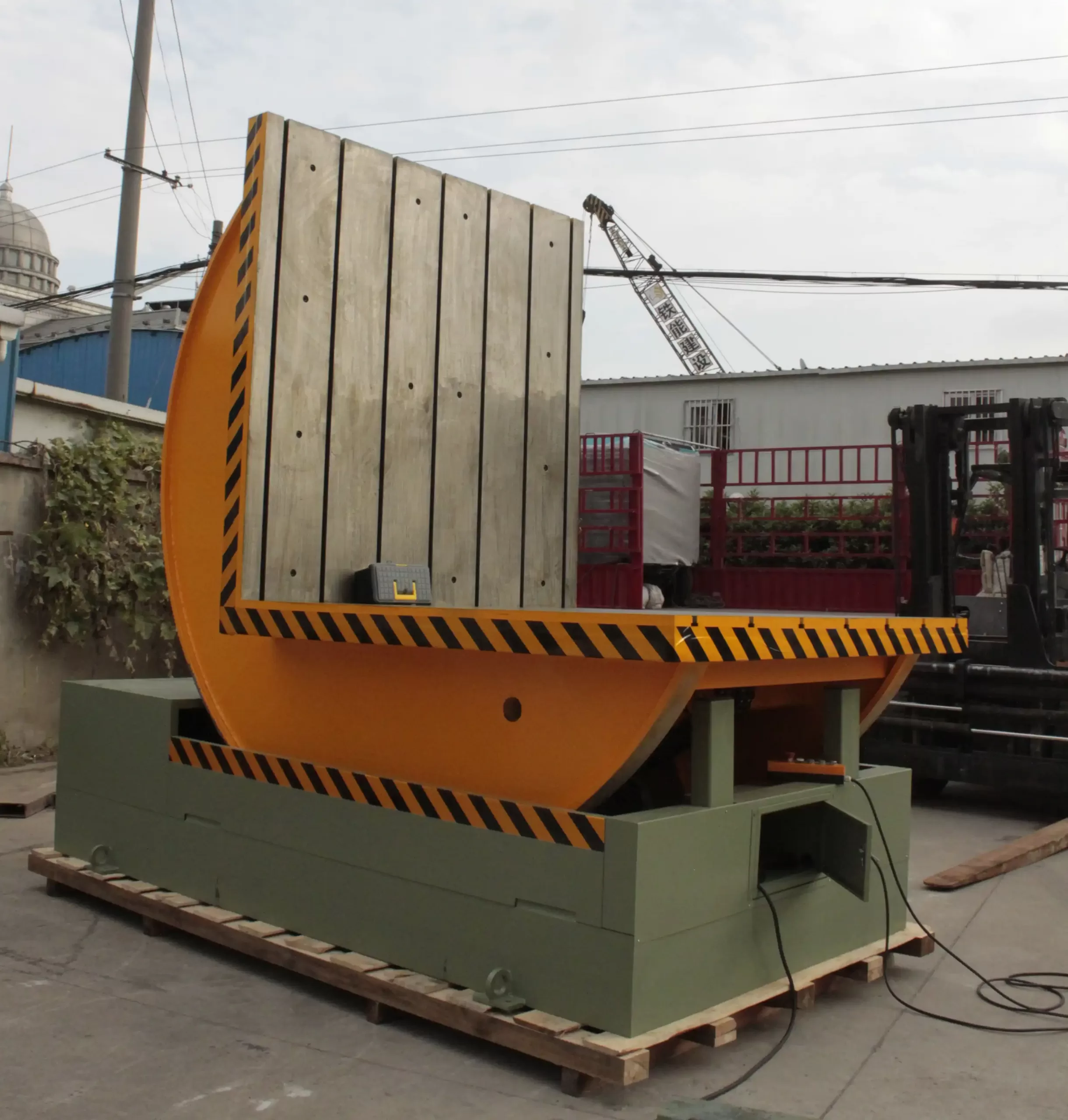
When I started my own packing machine factory, one of my top priorities was always worker safety. I had seen too many accidents in other factories where heavy lifting was common. Manual handling of heavy steel coils or molds is risky. Workers can strain their backs, drop items on their feet, or get crushed. These accidents are not just sad; they are also very expensive.
Think about the costs of a workplace injury. First, there are medical bills. Then there are lost wages for the injured worker. Your factory might also face fines from safety regulators. Your insurance premiums will likely go up. And beyond the direct costs, there is the hidden cost of low morale. Workers get scared. They might leave for safer jobs. High turnover means you spend more money on hiring and training new staff. It is a cycle that drains resources.
Solutions like automated material handling systems, coil tilters, or mold flipper tables remove the need for manual heavy lifting. These machines do the dangerous work. They lift, turn, and position heavy items safely. This keeps workers away from harm. When fewer accidents happen, your insurance costs go down. You have fewer days lost to injury. Your employees feel safer and more valued. This leads to higher morale and less turnover. A stable, healthy workforce is more productive. I remember one client who was struggling with a high number of back injuries. They used many people to manually flip heavy steel plates. We introduced a customized plate flipper machine. Within months, their injury rates dropped to almost zero for that task. Their insurance company even lowered their rates because of the improved safety record. This was a clear example of how a safety investment pays for itself quickly. Safety is not just a regulatory burden. It is an investment in your people and your financial health. It reduces risks, saves money on various fronts, and builds a stronger, more reliable team. The ROI from safety improvements is measurable and critical for long-term success. For me, making sure workers are safe is a core part of building a successful business. It is the right thing to do, and it also makes good financial sense.
Financial Benefits of Safety Investments:
| Metric | Cost of Manual Handling (High Risk) | Cost with Safer Equipment (Low Risk) | Impact on ROI |
|---|---|---|---|
| Worker’s Comp Premiums | High due to frequent claims | Lower due to reduced claims | Direct savings on insurance costs. |
| Medical Expenses | Frequent for treating injuries | Minimal for work-related incidents | Reduced direct healthcare expenditure. |
| Lost Productivity | Significant due to injured workers | Minimal, workers stay productive | Maximized output from a full, healthy workforce. |
| Employee Turnover | High due to unsafe conditions | Lower, employees feel valued and secure | Reduced recruitment and training costs. |
| Legal Liabilities | Higher risk of lawsuits, fines | Significantly lower | Avoidance of costly legal battles and penalties. |
| Morale & Engagement | Low, fear of injury | High, feeling safe and supported | Indirect boost to productivity and quality. |
How Does Reduced Product Damage Directly Boost My Profit?
Are you seeing good products get damaged while they are still in your factory or during packaging? Things like scraped edges on steel coils or dents in wire bundles. This damage costs real money. It means wasted materials, rework, and unhappy customers. Every damaged product eats into your profit margin. Smart handling and packing equipment protects your product. It ensures what you make leaves your factory in perfect condition, saving you money and keeping customers happy.
Reducing product damage directly boosts profit by eliminating waste from scrapped materials, cutting down on rework costs, and preventing customer returns or complaints. Automated and specialized handling equipment ensures products are protected throughout the internal logistics and packing process, leading to higher quality outputs and improved customer satisfaction.
In my years in the packing machine business, I learned a simple truth: every piece of damaged product is lost money. Imagine you have a large steel coil that gets a dent or a scratch during internal transfer or while it is being wrapped. That damage can make the coil unsellable. Or, if it reaches the customer, it can lead to complaints, returns, and even lost future business. I saw this happen many times. It is a silent killer of profits.
Manual handling is a big cause of product damage. When workers use forklifts or cranes without proper attachments, or when they manually maneuver heavy, awkward items, mistakes happen. They might bump a wall, drop an item, or not secure it properly for transport. Each incident creates waste. You have to scrap the damaged product, or spend money to repair it. This takes time and resources away from making new, good products.
Automated packing and handling solutions are designed to protect the product. For example, specialized coil tilters gently rotate coils without stressing their edges. Custom wrapping machines apply protective films evenly, preventing surface scratches. Smart conveyor systems move items smoothly, avoiding bumps and drops. These machines handle products with precision and care. They do not get tired or distracted. When product damage is reduced, you save money on raw materials that would otherwise be wasted. You save on the labor needed for rework or inspection of damaged goods. You also save on the costs associated with customer complaints, like shipping returns or issuing credits. More importantly, your customers receive perfect products. This builds trust and encourages repeat business. A good reputation for quality is priceless. I had a client who was losing a lot of money due to damaged wire bundles. Their old packing method was rough. We helped them install a new orbital wrapping machine that secured the bundles tightly and protected them from impacts. The results were clear. Their damage rates dropped by over 80%. This directly translated into higher revenue and happier customers. Their business grew because of this simple change. Protecting your product is protecting your profit.
Profit Gains from Reduced Product Damage:
| Metric | Impact of High Damage Rate | Impact of Low Damage Rate (Automated) | Direct Profit Boost |
|---|---|---|---|
| Scrap Rate | High, leading to wasted raw materials | Low, minimal material waste | Reduced material costs, higher resource utilization. |
| Rework Costs | High, additional labor and time for repairs | Low, minimal need for rework | Savings on labor and production time. |
| Customer Complaints | Frequent, leading to returns, credit, dissatisfaction | Rare, high customer satisfaction | Reduced return costs, improved customer retention. |
| Reputation | Damaged, impacting future sales | Enhanced, leading to repeat business and referrals | Increased long-term revenue and market share. |
| Shipping Costs | Potentially higher for returns/replacements | Lower, one-time shipment of good product | Efficient logistics and reduced overhead. |
Why is a Reliable Partnership More Than Just a Sale?
Have you dealt with equipment suppliers who disappear after the sale? They promise big but deliver little when you need support or solutions for new problems. This “sales-first” approach leaves you stranded. You need real solutions, not just machines. It creates a trust crisis and makes you hesitant to invest. What you truly need is a partner, someone who understands your factory’s specific pains and can provide ongoing, expert guidance, not just a transaction.
A reliable partnership with an equipment supplier goes beyond a single sale, offering ongoing support, deep industry insight, and tailored solutions. It helps address evolving production bottlenecks, safety concerns, and efficiency challenges effectively. This long-term relationship ensures sustained operational improvement, maximizes equipment ROI, and fosters continuous business growth, making it an invaluable asset.
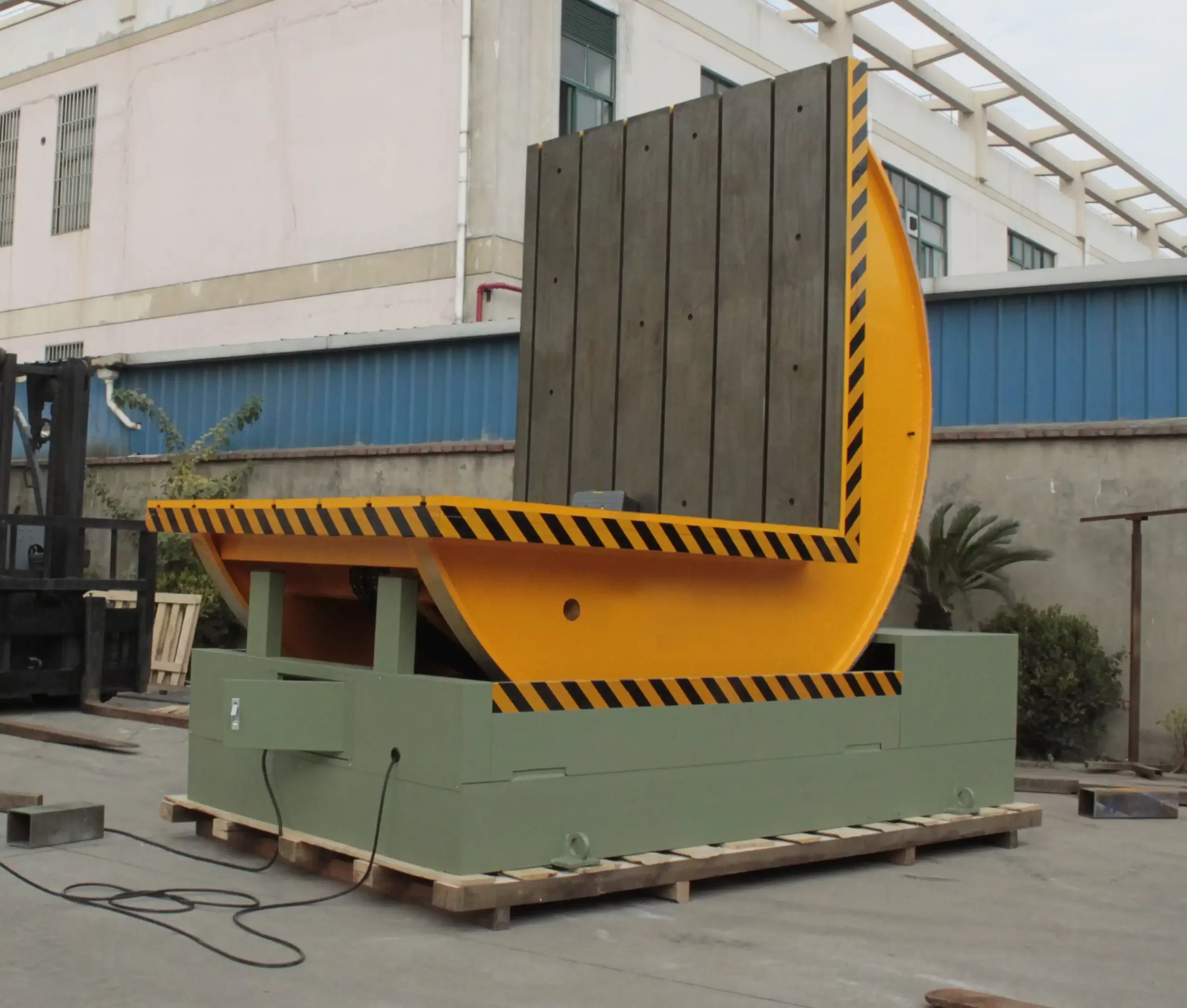
My journey in the packing machine industry started as an employee. Then I built my own factory. This gave me a unique view. I saw what worked and what did not. I understood the daily pressures factory managers face, like Michael Chen. I know that buying a machine is not just about the price tag. It is about solving real problems. It is about finding someone who actually gets what you are going through.
Many suppliers are just focused on hitting sales targets. They sell you a machine, take your money, and then you are on your own. When a problem comes up, or when your needs change, they are nowhere to be found. This leaves factory managers frustrated. They feel like they have made a bad investment. This kind of experience makes it hard to trust new suppliers.
But a true partner is different. A true partner understands your specific production bottlenecks. They know about your safety concerns. They get your need for better efficiency. They do not just sell you a standard machine. They listen to your challenges. They look at your operations. Then, they suggest solutions that fit your unique situation. This might be a standard machine. Or it might be a custom-built one.
This partnership means expert guidance. It means support after the sale. It means help with installation, training, and troubleshooting. It means a supplier who is invested in your success, not just their next sale. When I work with a client, I bring all my years of experience. I share insights I gained from building my own factory and helping many others grow. I help them choose equipment that will truly solve their problems and give them a strong return on their investment. For example, one client contacted me about a very specific packing challenge for oddly shaped items. Other suppliers offered only generic machines. I took the time to understand their entire workflow. I proposed a custom solution that not only handled their unique items but also integrated perfectly with their existing line. This level of understanding and commitment built a strong relationship. They knew they had found a true partner. Choosing a partner like this is essential. It ensures that your investment continues to pay off over time. It gives you peace of mind. It means you have an expert by your side, helping you navigate the complexities of factory operations and continuous improvement. I believe that my success came from truly understanding my clients’ needs and helping them grow. That is the kind of partnership I offer. It is about building a future, not just making a sale.
Value of a Trusted Partnership:
| Aspect | Transactional Supplier (Sales-Focused) | Partner (Solution-Oriented) | Long-term Benefit for Factory Manager |
|---|---|---|---|
| Understanding Needs | Limited, pushes standard products | Deep, listens to specific pain points | Tailored solutions that truly solve problems. |
| Post-Sale Support | Often minimal or difficult to obtain | Robust, responsive, proactive | Minimized downtime, quick issue resolution. |
| Industry Expertise | Basic product knowledge | Years of practical experience, problem-solving | Informed decision-making, strategic guidance. |
| Customization | Reluctant or incapable | Willing and able to adapt solutions | Equipment perfectly aligned with unique needs. |
| Long-Term Vision | Focus on immediate sale | Focus on client’s sustained growth | Continuous improvement, scalable operations. |
| Trust & Reliability | Low, due to past negative experiences | High, built on proven support and results | Peace of mind, confidence in investments. |
Conclusion
For U.S. purchasing managers, prioritizing ROI in efficiency, safety, and product quality leads to measurable profits and sustainable growth. Partnering with experts ensures smart investments.








