
What ROI Can Turkish Purchasing Managers Expect from a Mold Upender Upgrade?
Turkish manufacturing plants often face tough challenges. Manual processes for heavy items like molds and steel coils create serious bottlenecks. They also raise safety risks for workers. Product damage during handling is common, leading to financial losses. You are likely looking for ways to make your operations smoother, safer, and more profitable.
A mold upender upgrade can bring a clear return on investment (ROI) for Turkish purchasing managers. It greatly improves efficiency by automating heavy lifting, reducing the need for manual labor. This also boosts worker safety by taking away dangerous tasks. You can expect lower operational costs, less product damage, and faster production cycles. This makes your factory more competitive and profitable in the long run.
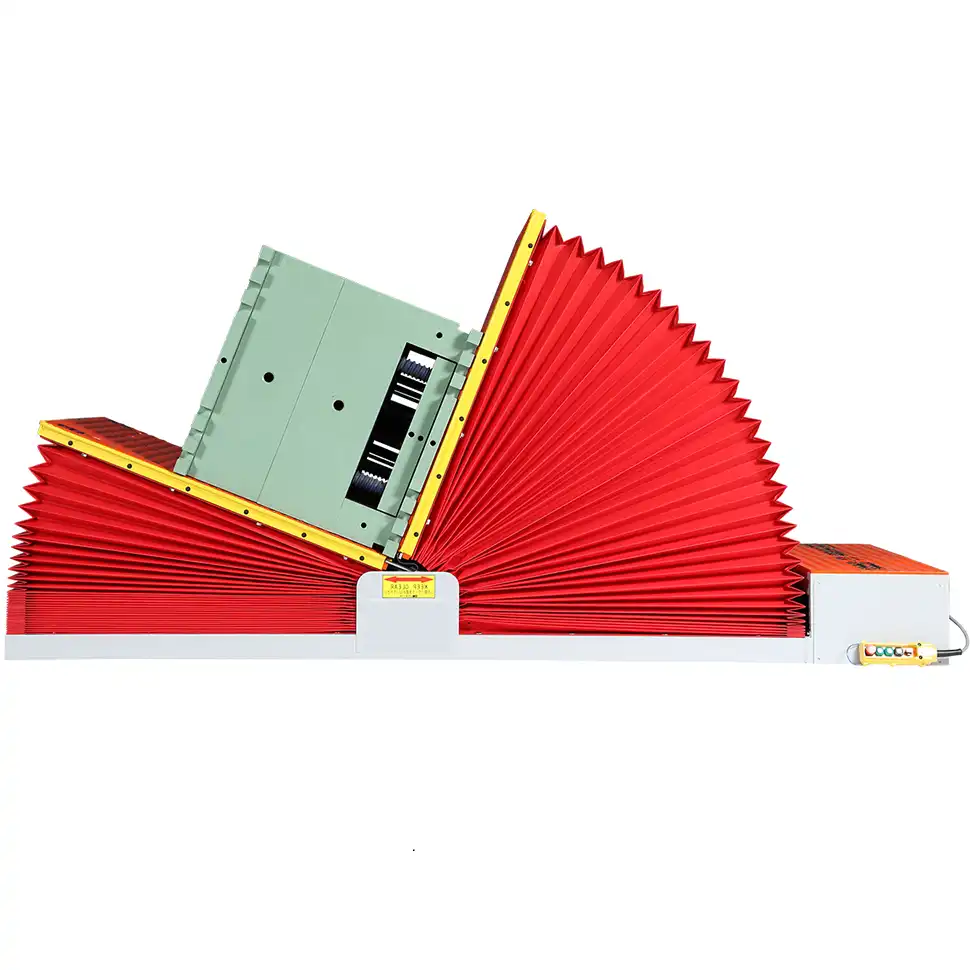
Understanding the full impact of this investment is important. It is not just about buying a new machine. It is about transforming your production line. Let us look closer at how a mold upender delivers real value to your factory.
Can a Mold Upender Really Improve Production Efficiency?
Are your current packing or handling processes too slow? Do you often see bottlenecks at the end of your production line? Manual handling of heavy molds or coils can seriously slow down your output. This stops you from reaching your full production capacity.
A mold upender greatly improves production efficiency. It automates the flipping and positioning of heavy items. This eliminates the slow, labor-intensive steps of manual handling. You get faster cycle times and a smoother flow of materials. This means you can process more products in less time.
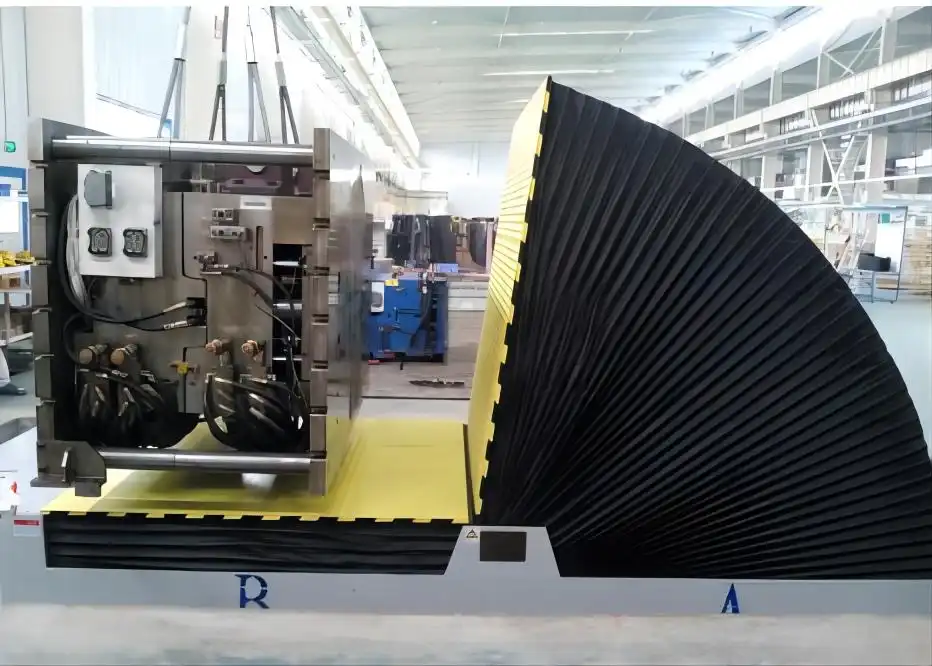
When I started my journey in the packing machine industry, I saw how much time companies wasted on manual processes. At my own factory, we always looked for ways to make things faster without compromising quality. Mold upenders are a perfect example of this. They take a process that might involve several workers and a long time, and make it quick and safe. Think about how many coil packing or steel wire packing operations in Turkey still rely on outdated methods. These methods cause frequent stops and slowdowns. An upender reduces the human element from these heavy, repetitive tasks. It makes the entire operation faster. This speed adds up over time, giving you a huge increase in daily output. Imagine fewer production delays and more products moving out the door. This directly impacts your ability to meet customer demand and take on more orders.
The table below shows how a mold upender impacts key efficiency metrics:
| Efficiency Metric | Manual Process | Mold Upender Process | Improvement Factor |
|---|---|---|---|
| Cycle Time (per unit) | 5-10 minutes (multiple workers, slow) | 1-2 minutes (automated, quick) | 3-5X faster |
| Labor Requirement | 2-4 workers (high physical effort) | 1 worker (for supervision, low physical effort) | 50-75% reduction |
| Throughput (units/hour) | Low (limited by human speed and fatigue) | High (consistent speed, no fatigue) | Significant increase |
| Operational Bottlenecks | Frequent (due to manual handling delays) | Minimal (smooth, continuous flow) | Greatly reduced |
| Setup/Changeover Time | Longer (manual adjustments, risk of error) | Shorter (precise, repeatable movements) | 20-40% reduction |
This shift in efficiency means more than just faster production. It means your valuable workforce can focus on more skilled tasks. This boosts overall productivity. You will see a clear path to increasing your factory’s output without adding more labor. This makes your production line much more responsive to market demands.
How Does a Mold Upender Boost Factory Safety?
Is worker safety a major concern in your factory? Manual handling of heavy items like molds or large steel parts leads to high risks of injury. These injuries can include back strains, crushed limbs, or falls. Such incidents cause increased insurance costs and employee turnover.
A mold upender greatly boosts factory safety. It eliminates the need for workers to manually lift, flip, or position heavy and awkward objects. The machine handles the weight and movement. This removes workers from dangerous situations. It reduces the risk of accidents and injuries.
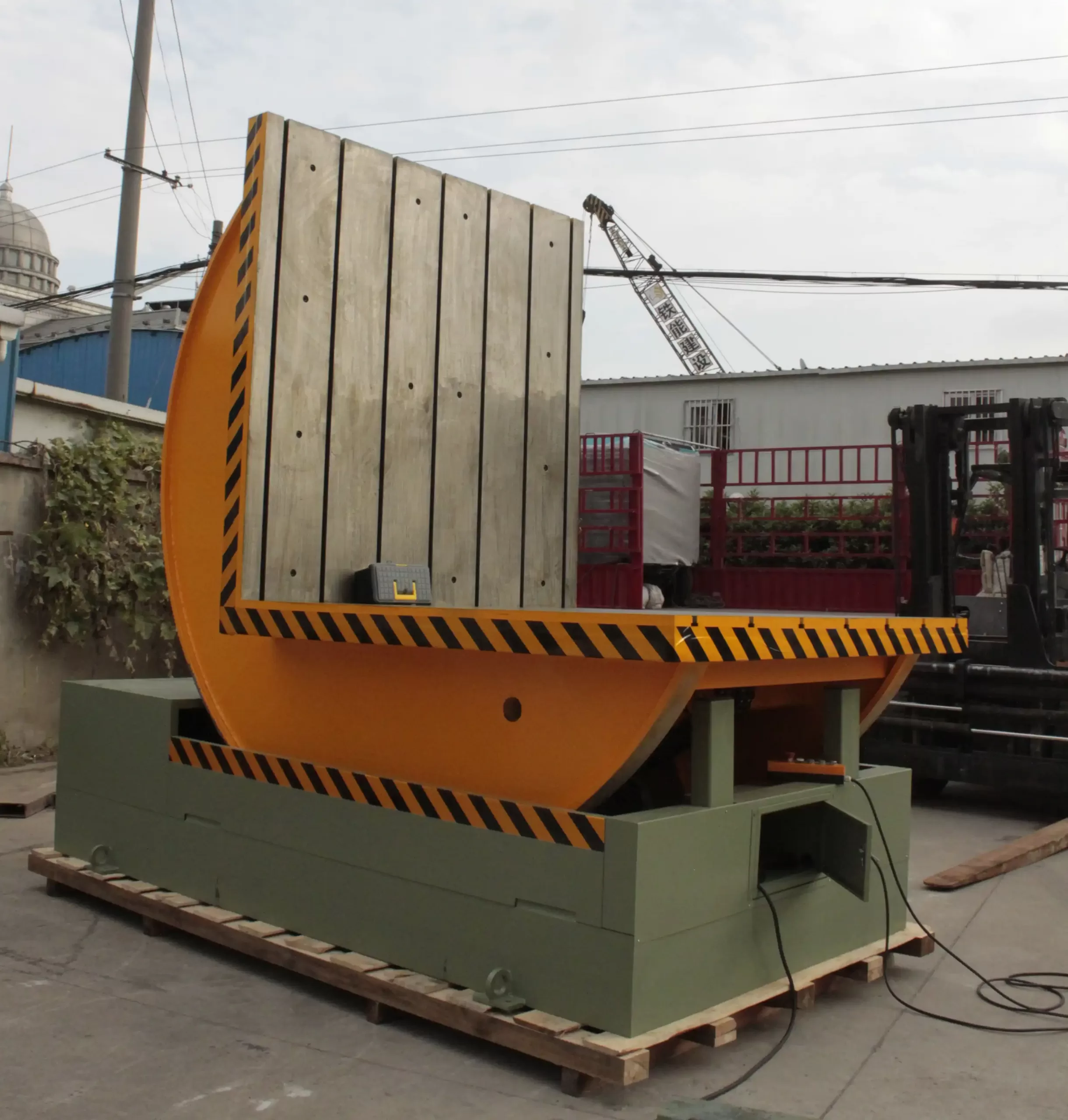
When I was building my packing machine factory, safety was always a top priority. I knew that a safe workplace leads to happier employees and less downtime. Accidents are costly, not just in terms of insurance payouts, but also in lost productivity and damaged morale. Michael Chen’s story is a good example of this. He faced high injury risks from manually moving heavy molds and pallets. This led to high insurance costs and workers leaving the job. A mold upender directly addresses these problems. It takes the human body out of the most dangerous part of the process. Workers simply operate the machine using controls, standing at a safe distance. This means fewer strains, fewer crushes, and fewer falls.
Here are the key safety benefits:
- Reduced Manual Lifting: The primary cause of back injuries and muscle strains is heavy lifting. An upender handles all the weight.
- Elimination of Pinch Points: Manual methods often expose workers to points where their hands or limbs can get caught. Automated upenders have safety guards and operate in a controlled manner, far from the operator.
- Stable and Controlled Movement: Unlike manual methods where an object might shift or drop, an upender moves heavy loads smoothly and securely. This lowers the risk of objects falling or toppling over.
- Lower Worker Fatigue: Repetitive manual tasks lead to fatigue, which increases the chance of accidents. An upender does the repetitive work, keeping workers fresh and focused.
- Compliance with Safety Standards: Modern upenders are built to meet strict industrial safety standards. This helps your factory comply with local and international regulations.
The direct result is a safer work environment. This leads to fewer worker compensation claims and lower insurance premiums. Beyond the numbers, it creates a workplace where employees feel valued and secure. This improves morale and reduces staff turnover. A safer factory is a more stable and productive factory.
Will a Mold Upender Reduce Product Damage and Waste?
Do you often deal with damaged products during internal transfers or packing? Issues like scratched surfaces or dented edges on steel coils or molds can lead to customer complaints. This results in costly reworks or even rejected shipments. This directly impacts your profit margins.
A mold upender greatly reduces product damage and waste. It handles heavy and delicate items with precision and stability. This smooth, controlled movement minimizes the risk of impacts or drops. It protects your products from damage during the flipping or positioning process.
I have seen firsthand how much product can be lost due to poor handling. When I built my factory, I understood that every damaged piece costs money. It reduces your profit. Michael Chen mentioned that his factory had issues with steel coil edges getting damaged during transfer and packing. This led to customer complaints. An upender addresses this directly. Manual methods are often clumsy and uncontrolled. A heavy mold or coil can easily bump into something or drop a short distance. This causes chips, dents, or scratches. These small damages can make a product unsellable or lead to unhappy customers.
A mold upender offers controlled and precise movement. This is crucial for delicate or high-value products. It uses hydraulic or electric systems to gently lift, rotate, and lower loads. This smooth operation prevents sudden jolts or impacts. It protects the product surface and edges. This is especially important for items like pre-finished steel coils or intricate molds.
Consider the common ways product damage happens and how an upender prevents them:
- Impact Damage: Manual handling with cranes or forklifts can lead to swinging loads or accidental bumps against walls or other equipment. An upender keeps the load securely fastened and moves it within a defined space.
- Dropping: Even a small drop can cause significant damage to heavy items. Upenders prevent drops by maintaining full control over the object throughout the entire flipping process.
- Surface Scratches: Dragging or sliding heavy objects across floors or pallets can scratch surfaces. An upender lifts the object clear before rotating it.
- Edge Deformation: Manual handling often puts pressure on edges, especially with coils. An upender supports the entire object evenly.
By preventing damage, you reduce rework time and material waste. You also avoid costly customer returns and improve your reputation. This leads to higher customer satisfaction. It also means less money lost on discarded products. This directly boosts your factory’s profitability.
Is a Mold Upender a Worthwhile Investment for Long-Term Savings?
Are you cautious about new equipment investments? Have you had bad experiences with suppliers who focus only on sales and provide poor after-sales service? You need to know that your investment will truly pay off and help your business grow.
A mold upender is a worthwhile investment for long-term savings. Its ROI is clear when you consider reduced labor costs, lower insurance premiums, and less product waste. These savings quickly add up. They outweigh the initial purchase cost. You also get a more efficient and safer factory.
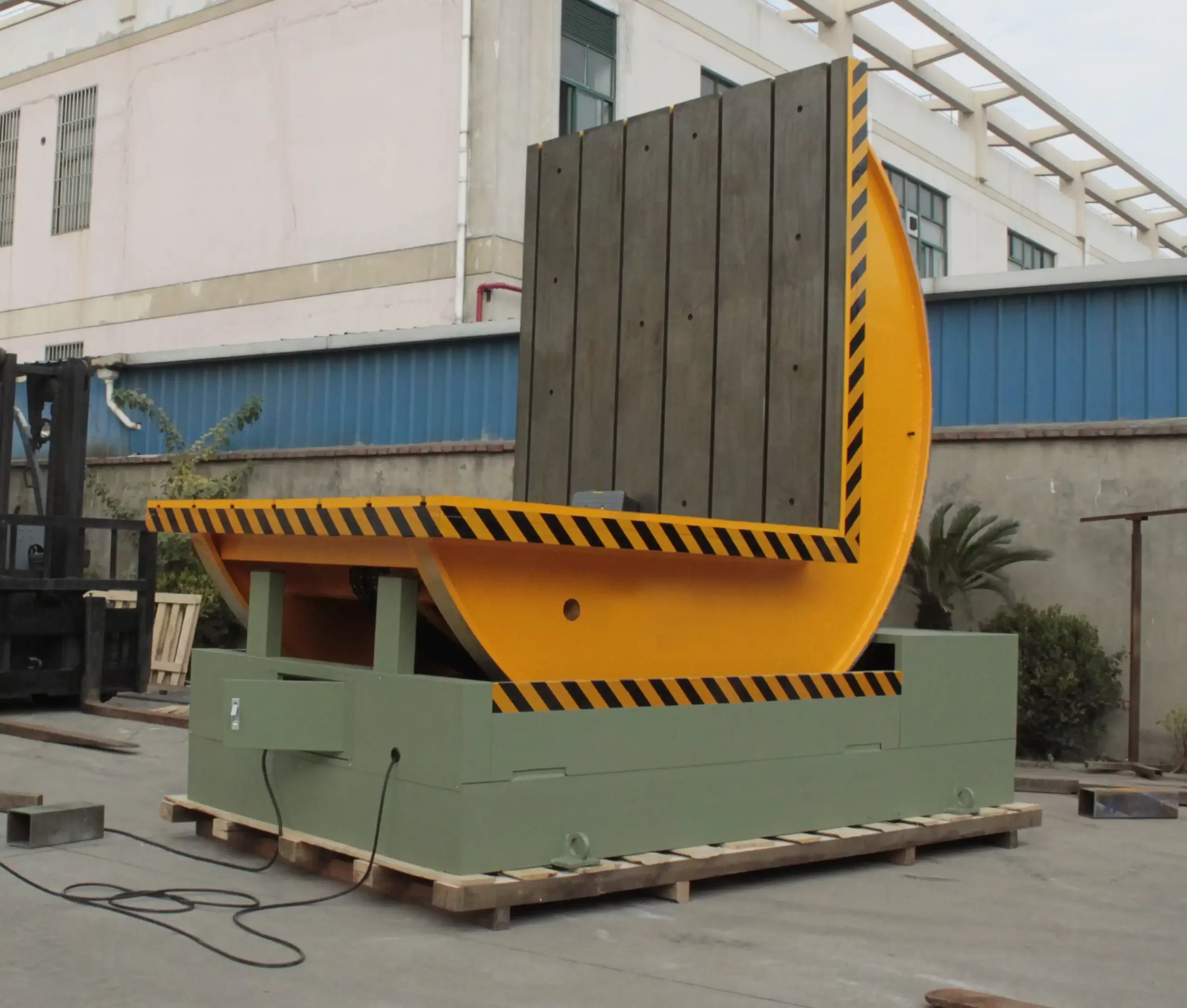
My journey in the packing machine industry taught me that true value comes from solutions that deliver long-term benefits. Not just a quick sale. I built my factory from the ground up. I know what it takes to make an investment count. Michael Chen’s concern about supplier trust is something I understand deeply. He wants a partner who understands his problems and offers real solutions. Not just a machine. This is why FHOPEPACK focuses on knowledge sharing and building relationships. A mold upender is not just a piece of equipment. It is a strategic asset. It changes your cost structure.
Let us break down the financial benefits:
- Labor Cost Reduction: By automating tasks that needed multiple workers, you can reallocate staff to other areas. This means you do not need to hire more people as production grows. You can even reduce overtime pay.
- Reduced Insurance and Worker Compensation: Fewer accidents mean fewer claims. This leads to lower premiums and less disruption from injured workers.
- Decreased Product Waste: Less damage means fewer scrap parts. You save money on raw materials and the energy used to process them. This directly impacts your bottom line.
- Increased Production Capacity: The higher efficiency means you can produce more goods in the same amount of time. This can lead to increased sales and revenue without needing a larger factory footprint.
- Improved Customer Satisfaction: Fewer damaged goods mean happier customers. Happy customers are more likely to place repeat orders and recommend your business. This brings long-term revenue stability.
- Extended Equipment Lifespan: By handling heavy items correctly, you reduce wear and tear on other equipment like forklifts or cranes. This extends their life and lowers maintenance costs.
The payback period for a mold upender can be surprisingly short. Many of my clients have seen their investment pay for itself within a few years through these combined savings. This machine is a foundation for future growth. It makes your operations more robust and ready for scaling up. It is a smart choice for any Turkish purchasing manager looking to boost their factory’s financial health.
Conclusion
A mold upender upgrade provides clear ROI for Turkish purchasing managers. It improves efficiency, boosts safety, reduces damage, and delivers long-term cost savings. This makes your factory more profitable and competitive.








