

What ROI Can German Purchasing Teams Expect from Upender Modernization?
Are you a factory manager, perhaps like Michael Chen, overseeing a large metal processing plant? Do you constantly battle slow production, high injury risks, or costly product damage? The struggle is real. Many operations, especially those handling heavy coils or molds, face immense pressure to boost output and cut costs. But outdated manual processes hold them back. This problem causes lost profits, frustrated workers, and endless headaches.
Modernizing your upending and tilting equipment delivers clear and measurable returns on investment. German purchasing teams, known for their focus on long-term value and efficiency, can expect significant ROI through improved safety, reduced labor costs, minimized product damage, and faster production cycles. Upender modernization directly addresses critical operational bottlenecks, leading to a more profitable and safer manufacturing environment.
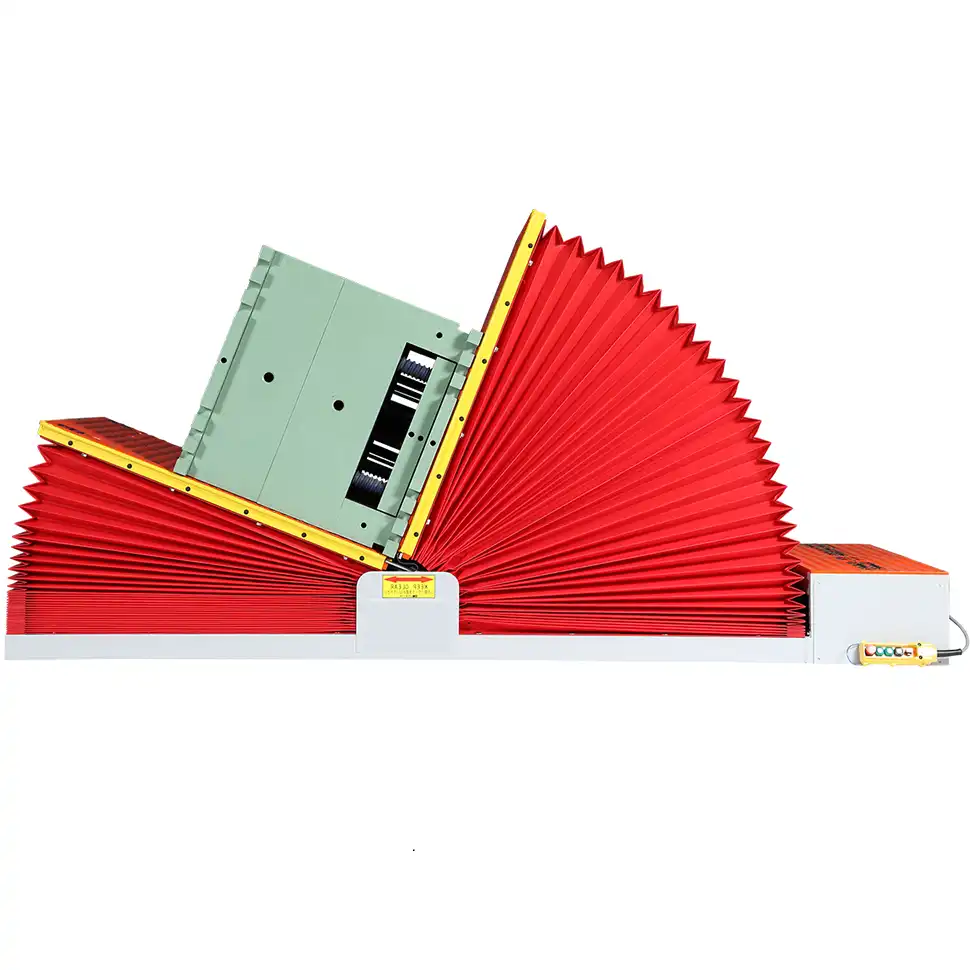

I know these challenges firsthand. I started as an engineer on the factory floor. I saw the problems. Then I built my own packing machine factory. So, I understand the pressure to find solutions that truly work. Let’s look closer at how upender modernization can bring real financial gains to your operations.
How Does Modern Upender Technology Drive Tangible Production Efficiency?
Is your production line bogged down at the very end? Do you rely on people to manually flip heavy steel coils or wire bundles? This creates a massive bottleneck. It slows everything down. It also causes delays in shipping products. The current process wastes time and money.
Modern upender technology significantly boosts production efficiency by automating heavy material handling. It speeds up the entire packaging process, moving heavy items with precision and speed. This reduces cycle times and removes bottlenecks. It allows factories to process more products in less time. This means higher throughput and faster delivery schedules for clients.
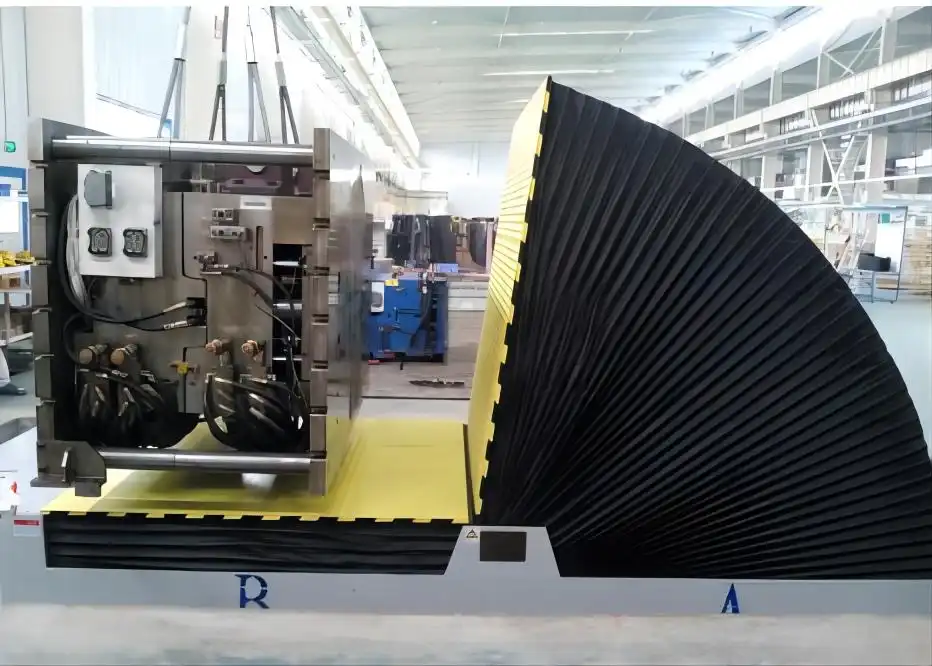

For years, I watched factories struggle with inefficient manual processes. In my own journey, from an employee to owning a successful packing machine factory, I saw how much time was lost. People would manually adjust heavy coils. They would flip molds. This was slow. It was also dangerous. A modern upender changes this completely. It takes the heavy lifting out of human hands. It does the job faster and with better accuracy.
Consider a typical steel coil packaging line. Without an upender, workers must use cranes or forklifts to rotate coils. This requires multiple steps. It also needs precise coordination. This adds minutes to each coil’s processing time. Multiply that by hundreds or thousands of coils each day. The cumulative time loss becomes huge. An automated upender simply moves the coil into position. It flips it safely and quickly. This reduces the time per coil by a lot. This directly improves your overall production flow.
This efficiency gain has several parts.
Reduced Cycle Time
An upender completes the flipping process in seconds. Manual methods take minutes. This speed gain means your end-of-line operations keep pace with production. It stops the backlog. For example, if you process 100 coils a day, and each manual flip takes 5 minutes, that’s 500 minutes. An upender can cut this to 1 minute per coil, saving 400 minutes daily. This is more than 6 hours of production time.
Optimized Workforce
With an upender, your workers no longer need to do strenuous, risky tasks. They can focus on other valuable jobs. This might be quality control or machine operation. It frees up your labor. You can use your team more effectively. You do not need as many people for heavy material handling. This leads to lower labor costs over time.
Consistent Performance
Manual operations are inconsistent. People get tired. They make mistakes. An upender provides consistent, repeatable performance. Every flip is the same. This predictability helps you plan production better. It also ensures a smoother flow of products. This reliability is something German purchasing teams value highly. They look for systems that deliver consistent quality and performance.
My own experience with clients in coil packing showed me this clearly. One client had a major bottleneck. Their steel wire packing line was fast, but the manual upending at the end slowed them down. We installed a custom upender. Within weeks, they saw a 30% increase in their daily output. This was because the bottleneck was gone. They could ship more products. This made their clients happier. It also increased their profits. This is a direct example of how automating with the right upender technology drives real, tangible efficiency.
| Metric | Before Upender Modernization | After Upender Modernization | Improvement |
|---|---|---|---|
| Coil Flip Time | 5 minutes | 30 seconds | 90% |
| Daily Throughput | 100 coils | 150 coils | 50% |
| Labor for Flipping | 2 workers | 1 worker (monitoring) | 50% |
| Overall Line Speed | Slowed by manual process | Unbottlenecked | Significant |
This table shows a clear path to better efficiency. It provides concrete numbers. These numbers are exactly what a German purchasing team wants to see. They need data to support their investment decisions. My goal is always to help clients achieve these kinds of gains.
Can Investing in Upenders Significantly Improve Workplace Safety and Reduce Costs?
Imagine your factory floor. People struggle to move heavy molds or large, awkward packages. This creates a dangerous situation every single day. Work-related injuries are not just bad for your team. They are very expensive for your company. High insurance costs and employee turnover hurt your bottom line.
Investing in modern upenders drastically improves workplace safety by removing the need for manual handling of heavy and awkward loads. This reduces the risk of musculoskeletal injuries, crushed limbs, and other accidents common in heavy industries. Fewer accidents lead to lower insurance premiums, reduced worker compensation claims, and better employee retention. This directly translates into significant cost savings and a safer work environment for your team.
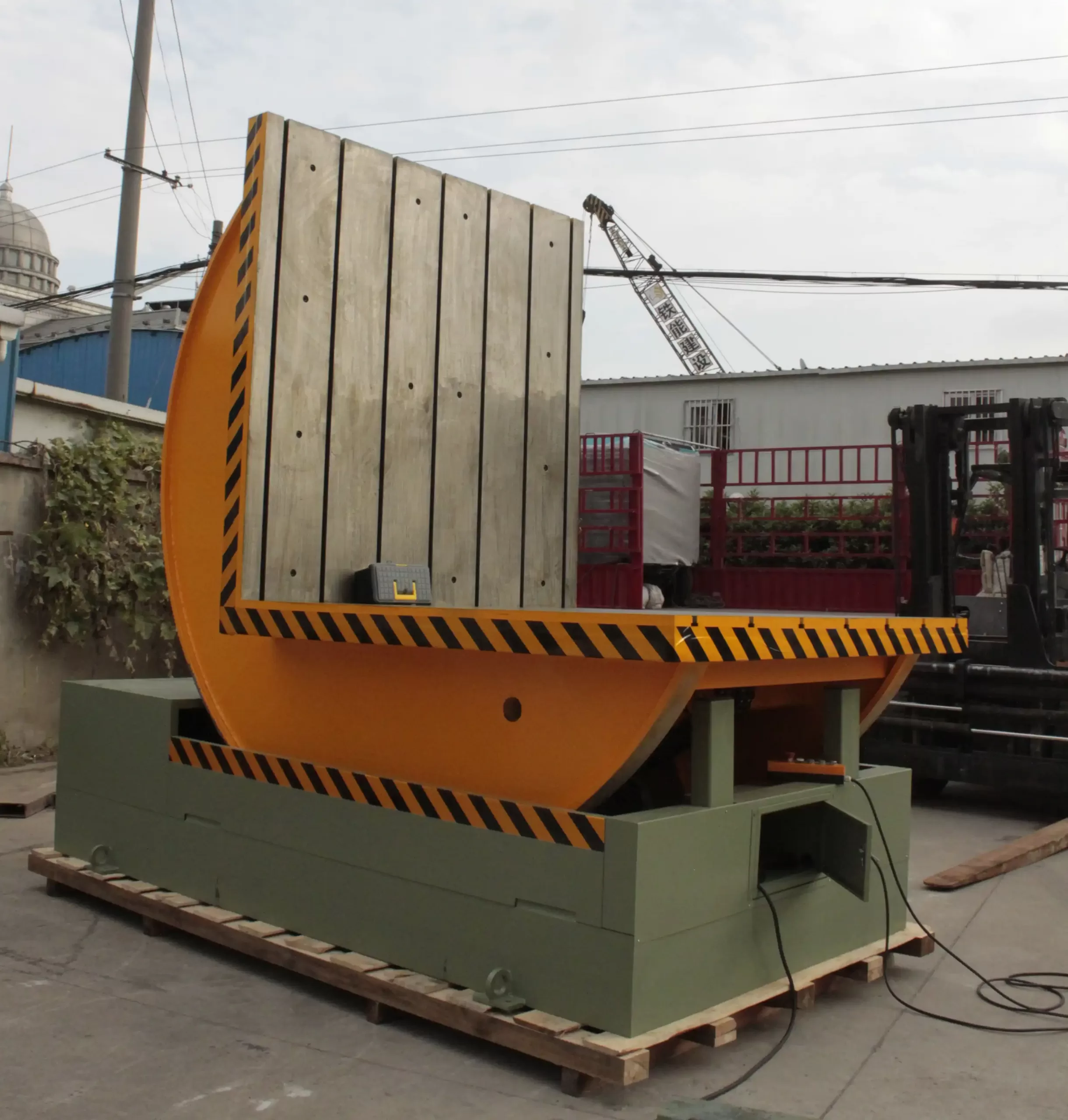

Safety was always a top concern for me, even when I worked as an employee. I saw the risks firsthand. I saw colleagues strain their backs. I saw near misses with heavy objects. When I started my own factory, safety became a core value. Michael Chen’s concerns about safety risks from manual handling are very real. He correctly points out that injuries mean high insurance costs. They also mean high employee turnover. This creates a difficult cycle.
An upender eliminates these risks. It lifts and rotates heavy items using hydraulic or mechanical power. This removes people from the danger zone. Workers do not need to lift. They do not need to strain. They do not need to be near moving heavy objects. This dramatically lowers the chance of accidents. Think about a worker trying to manually flip a heavy mold. One slip, and they could suffer a serious injury. An upender performs this task with precision. It does it without putting anyone at risk.
The financial benefits of improved safety are huge.
Lower Insurance Premiums
Fewer accidents mean fewer claims. This leads to lower premiums for worker’s compensation insurance. This is a direct saving for your budget. Insurance companies look at your safety record. A better record means better rates.
Reduced Worker Compensation Claims
Each injury claim costs money. It includes medical bills. It includes lost wages. It includes legal fees. Eliminating manual heavy lifting reduces these claims. This saves a lot of money. It also avoids the administrative burden of handling claims.
Improved Employee Morale and Retention
When your workers feel safe, they are happier. They are more productive. They are more likely to stay with your company. High turnover rates are expensive. You lose experienced workers. You spend money training new ones. A safe workplace keeps your best people. This saves on recruitment and training costs. It also builds a stronger team. This is a benefit that is hard to put a number on, but it is very real.
Compliance and Reputation
Many countries, including Germany and Mexico, have strict safety regulations. Investing in safety equipment helps you comply. This avoids fines. It also improves your company’s reputation. A company known for safety attracts better talent. It also attracts more clients.
When I started my factory, I made sure we invested in the right equipment. I wanted to protect my team. I also knew it was smart business. For example, in steel wire packing, workers used to struggle to manually turn large coils. They sometimes dropped coils. This damaged the product. It also put workers at risk. We implemented automated solutions. This eliminated the manual lifting. The number of accidents dropped to zero. Our insurance costs went down. Our team felt safer. They were more committed. This showed me the true value of safety investments. It is not just about avoiding bad things. It is about creating a positive and profitable work environment.
| Safety Aspect | Manual Handling Risks | Upender Solution Benefits | Financial Impact |
|---|---|---|---|
| Injury Type | Musculoskeletal, crush injuries, falls | Minimized human contact with heavy loads | Lower medical costs, less lost productivity |
| Accident Rate | High due to human error and fatigue | Significantly reduced or eliminated | Reduced worker compensation claims, lower premiums |
| Employee Turnover | Higher due to hazardous conditions, stress | Improved morale, higher retention | Reduced recruitment and training costs |
| Insurance Premiums | Higher due to claims history | Potential for lower rates over time | Direct cost savings |
| Regulatory Compliance | Potential for fines, penalties | Easier compliance with safety standards | Avoided fines, enhanced company reputation |
This table clearly illustrates the powerful link between safety investments and financial gains. It is a win-win situation. For German purchasing teams, this focus on safety as a cost-saving measure is very appealing. They seek solutions that protect their assets, both human and financial.
What Financial Gains Result from Upender-Enabled Reductions in Product Damage?
Have you ever received a customer complaint about damaged goods? Perhaps the edges of a steel coil were bent. Or a finished product had scuff marks from internal handling. This is more than just an annoyance. Product damage during transfer and packing means lost money. It leads to unhappy customers. It damages your reputation.
Upender modernization significantly reduces product damage by providing precise, controlled handling of heavy materials like coils, molds, and pallets. Automated processes eliminate the rough manual handling that often causes dents, scratches, or deformities. This reduction in damaged goods leads to fewer customer returns, less scrap material, and lower rework costs, directly increasing profitability and customer satisfaction.
Product damage was a silent killer of profits in many factories I visited. When I helped set up my own factory, I made sure we addressed this. I saw how easily a heavy coil could get a ding on its edge if not handled right. This might seem small. But a damaged product often means rejection by the customer. It means rework. Or it means selling at a discount. All these eat into your profit margins. Michael Chen’s concern about product damage during internal transfer is very valid. He knows it costs money and hurts relationships.
Manual handling of heavy or delicate items is prone to error. Workers might drop something. They might bump it against another object. Forklifts might scratch surfaces. These accidents happen even with careful people. An upender handles materials with controlled movements. It uses gentle clamps or supports. It turns objects smoothly. This minimizes any risk of damage. For example, when handling large steel coils, an upender can cradle the coil. It rotates it without metal-on-metal scraping. This protects the outer layers and edges. These are often the most vulnerable parts.
The financial benefits of reducing product damage are substantial.
Reduced Scrap and Rework
Damaged products often become scrap. This means the material cost is lost. The labor used to make it is lost. If it can be reworked, that adds new labor costs. An upender helps avoid this. It keeps products in good condition. This saves raw material costs. It also saves labor costs.
Fewer Customer Returns and Complaints
When customers receive undamaged goods, they are happy. They are less likely to complain. They are less likely to return products. Returns cost money in shipping. They cost money in processing. They also create a negative experience. By delivering perfect products, you build stronger customer loyalty. This leads to repeat business.
Higher Product Quality and Reputation
Consistent delivery of high-quality, undamaged products builds your brand. It shows you care about quality. This helps you stand out from competitors. A strong reputation can lead to higher prices. It can also lead to more sales. For German purchasing teams, who often prioritize quality and reliability, this aspect is very important. They look for suppliers who uphold high standards.
Optimized Inventory Management
Fewer damaged goods mean your inventory is more accurate. You do not have to account for damaged stock. This streamlines your inventory processes. It reduces waste in your supply chain.
I recall working with a client who produced specialized wire. The coils were expensive. They were also prone to outer layer damage. They relied on manual turning for packing. They had a 5% damage rate. This meant 5% of their production was either scrap or sold at a huge loss. We helped them install a custom upender solution. It handled the wire coils with gentle precision. Within three months, their damage rate dropped to less than 0.5%. This was a huge win. It directly boosted their profits. It also made their customers incredibly happy. This experience solidified my belief in the power of automated handling. It protects your product. It protects your profits.
| Damage Source | Manual Handling Impact | Upender Solution Impact | Financial Gain |
|---|---|---|---|
| Scratches/Dents | Frequent, especially on edges and surfaces | Precise, contact-minimal handling | Reduced scrap, less rework |
| Dropped Items | High risk with heavy, awkward shapes | Secure clamping, controlled movement | Eliminated costly product loss |
| Inconsistent Positioning | Leads to improper packing, further damage | Exact alignment for perfect packaging | Fewer returns, higher customer satisfaction |
| Material Waste | Damaged goods become scrap | Maximized usable product output | Direct savings on raw materials |
| Reputation Damage | Negative customer feedback, lost trust | Enhanced brand image, improved customer loyalty | Increased sales, potential for premium pricing |
This table shows a clear path to financial gains. It is about protecting your product as it moves through the factory. It is about delivering what your customer expects. This is a vital part of any factory’s success. It is also what German purchasing teams look for in a smart investment.
How Do German Purchasing Teams Ensure a Reliable Partnership in Upender Acquisition?
Have you ever bought equipment only to be left stranded with poor after-sales service? It is a common problem. Many suppliers focus only on the sale. They disappear afterward. This creates a trust crisis. You need more than just a machine. You need a partner who truly understands your factory’s needs.
German purchasing teams, when acquiring upenders, ensure a reliable partnership by prioritizing suppliers with deep industry expertise, a proven track record of successful installations, and robust after-sales support. They look for partners who offer not just machinery but also insightful consultation and long-term commitment. This approach secures durable solutions, maximizes ROI, and avoids the pitfalls of transactional sales relationships.
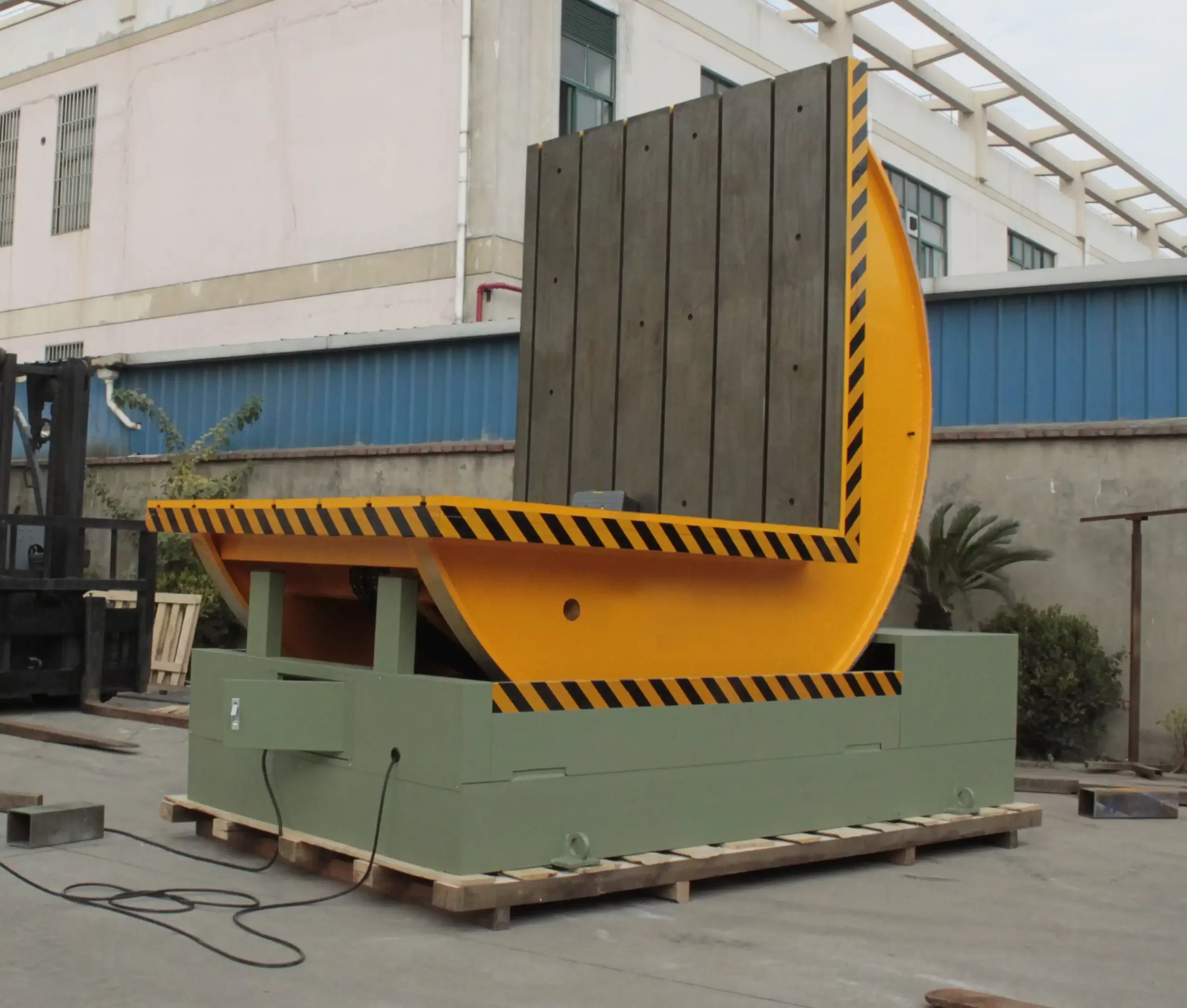

This point about supplier trust is very personal to me. I started FHOPEPACK because I wanted to share real knowledge. I did not want to just sell machines. I wanted to help people truly understand solutions. Michael Chen’s past experiences with sales-focused suppliers are sadly common. It is frustrating to invest in equipment and then get no support. My journey, from an employee to building my own successful packing machine factory, showed me the importance of true partnership. I achieved financial independence thanks to the packing machine industry. Now, I want to give back. I want to help others succeed.
For a German purchasing team, known for their thorough due diligence, finding the right partner is critical. They do not just compare price tags. They evaluate the supplier’s depth of knowledge. They look at their track record. They assess their commitment to long-term support. They want a partner who can truly understand their unique production challenges. They need someone who offers practical solutions, not just off-the-shelf products.
What defines a reliable partnership for upender acquisition?
Deep Industry Expertise
A true partner understands your specific industry. They know about coil packing, steel wire packing, or heavy mold handling. They understand the nuances of your production process. They can identify specific bottlenecks. They can suggest tailored solutions. My background as a packing machine engineer, having started a factory, gives me this deep understanding. I have been in your shoes. I know the pressures you face.
Proven Track Record and Case Studies
Look for suppliers who can show successful installations. Ask for references. A supplier who shares real-world case studies proves their solutions work. They show how they helped other companies achieve their goals. This builds confidence. It shows they deliver on their promises.
Comprehensive After-Sales Support
The purchase of an upender is just the beginning. You need technical support. You need spare parts. You need maintenance services. A reliable partner offers all of this. They ensure your machine runs smoothly for years. This minimizes downtime. It maximizes your investment’s lifespan. This is where many “sales-only” suppliers fail.
Consultative Approach
The best partners do not just sell you a machine. They ask questions. They listen to your problems. They offer insights. They act as consultants. They help you optimize your entire process, not just the single piece of equipment. This holistic approach ensures the upender integrates seamlessly into your operations. It truly solves your problems.
Focus on ROI and Long-Term Value
A good partner helps you calculate the ROI for your investment. They focus on the long-term value. They show how the upender will save money and boost profits over many years. This aligns with the strategic thinking of German purchasing teams. They are always looking for investments that pay off over time.
For me, helping a client grow their business is the biggest reward. I once had a client who was hesitant to invest in a new packing line. They had been burned by a previous supplier. I spent weeks understanding their specific challenges. I used my experience in coil packing to design a solution. It included a custom upender. We showed them a clear ROI. We also promised ongoing support. This built trust. They saw the value of a true partnership. The new line transformed their operations. They increased output. They reduced damage. And they became a loyal client. This is what I mean by giving back. It is about sharing knowledge. It is about building trust. It is about helping others succeed.
| Partnership Aspect | Transactional Supplier | Expert Partner (like FHOPEPACK) | Benefit to Purchasing Team |
|---|---|---|---|
| Sales Approach | Product-focused, quick sale | Solution-focused, problem-solving | Tailored solutions, better fit for needs |
| Expertise | Limited, general knowledge | Deep industry and application knowledge | Informed decisions, optimized integration |
| After-Sales Support | Weak or non-existent | Robust, responsive, long-term commitment | Minimized downtime, extended equipment life |
| Relationship | One-time deal | Ongoing collaboration, trusted advisor | Long-term reliability, continuous improvement |
| Value Proposition | Price-driven | ROI-driven, focus on total cost of ownership | Maximize investment return, strategic advantage |
This table clearly outlines the difference between just buying a machine and gaining a strategic partner. German purchasing teams prioritize this. They know that a strong partnership is key to maximizing the value of any significant equipment investment. It ensures the upender becomes a real asset for growth.
Conclusion
Modernizing with upenders offers clear ROI for German purchasing teams through improved safety, boosted efficiency, and reduced product damage. Investing in these solutions provides significant cost savings and positions your factory for sustained growth.












