
What ROI Can Colombian Buyers Expect from Mold Tilter Modernization?
Have you ever felt the pressure of rising production costs, constant safety concerns, and the never-ending search for greater efficiency? For many factory managers, especially in heavy industries, these are daily struggles. The manual handling of heavy items, like molds or coils, does not just slow things down. It creates serious risks for workers and leads to damaged products. This impacts your bottom line directly.
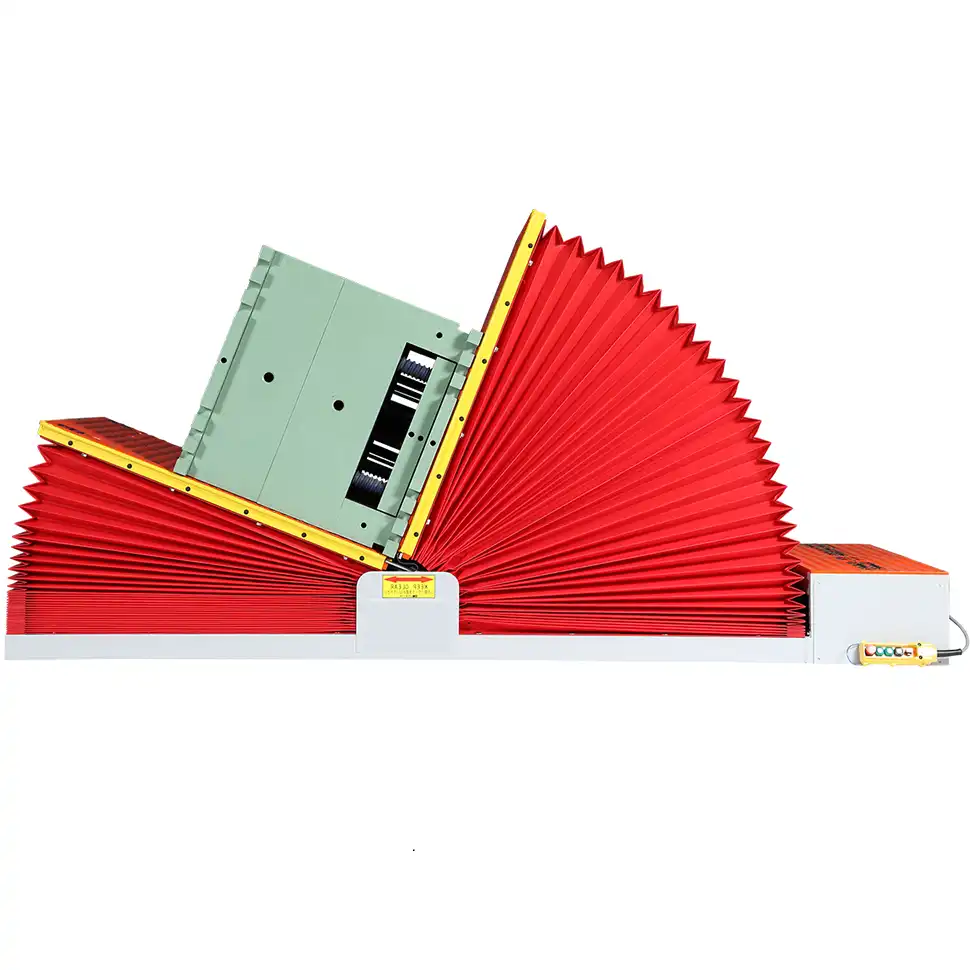
Modern mold tilters offer a clear path to solving these issues. They automate the dangerous, slow process of flipping heavy loads. This leads to fewer accidents, faster operations, and less product waste. Colombian buyers can expect a significant return on investment through reduced labor costs, lower insurance premiums, and improved overall output. These machines change your factory’s safety and efficiency.
You might be wondering if this technology is truly worth the investment. It is not just about buying a new piece of equipment. It is about transforming your operations, protecting your people, and boosting your profits. Let us look deeper into how mold tilter modernization can benefit your business.
How Does Modern Mold Tilter Technology Improve Safety for Colombian Workers?
Are your workers still manually handling heavy molds or large coils? This common practice creates constant worry about injuries. Accidents happen when people lift or move extremely heavy objects without the right tools. Each incident can mean medical bills, lost workdays, and higher insurance costs. This affects morale and staff turnover too.
Modern mold tilters remove the need for manual heavy lifting and awkward positions. Workers simply operate the machine. This keeps them away from pinch points and falling hazards. The machine does the dangerous work. It makes the workplace safer.
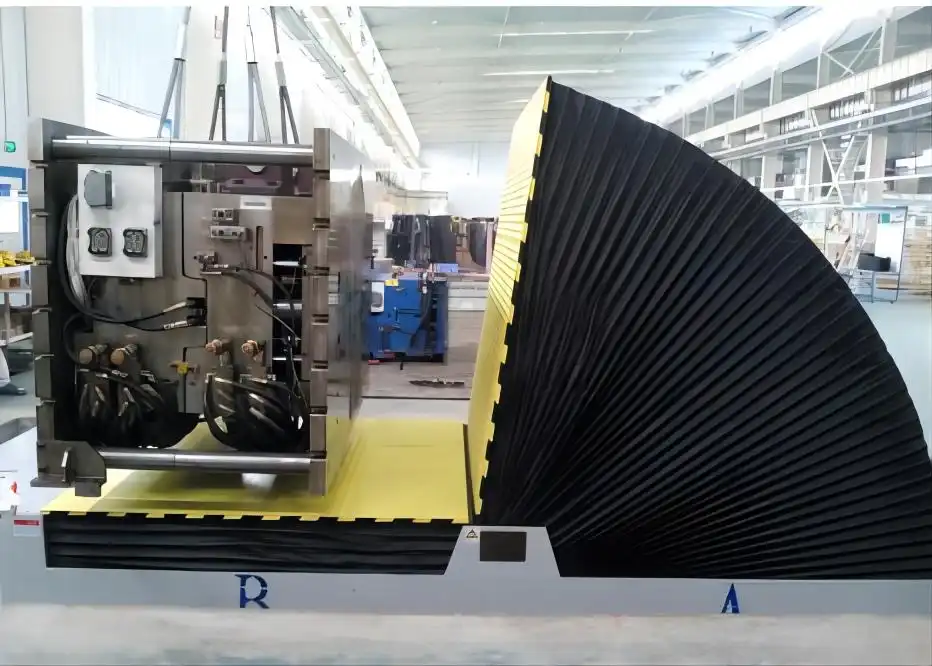
From my years in the packing machine industry, I have seen too many factories struggle with safety issues related to manual handling. When I started my own factory, safety was a top priority. We always looked for ways to automate dangerous tasks. Mold tilters are a perfect example of this. They provide a controlled, mechanical way to turn and position heavy molds or other loads. This takes the human element, and thus human error, out of the most dangerous part of the job.
Common Workplace Hazards Eliminated by Mold Tilters
Manual handling of molds and heavy materials brings many risks. Workers face strain injuries, crush injuries, and even amputations. Using a mold tilter reduces these risks significantly.
- Musculoskeletal Injuries: These include back strains, sprains, and hernias. They come from lifting, twisting, and repetitive motions with heavy items. A mold tilter eliminates manual lifting. It removes the strain. Workers use controls to move loads. Their bodies are not under stress. This leads to fewer worker compensation claims. It also means less time lost from work.
- Crush Injuries: When workers manually flip molds, parts can shift or fall. This can trap hands or feet. In severe cases, it can crush limbs. A mold tilter holds the load securely. It moves it in a controlled way. There is no uncontrolled movement. The risk of crushing is almost zero. Safety features like emergency stops and interlocks add extra protection.
- Falling Object Hazards: During manual turning, a heavy mold might slip from a chain or hoist if not secured properly. This creates a risk of objects falling. A tilter uses a stable platform or clamps to hold the mold. The entire turning process is automated and fixed. The mold stays secure throughout the cycle. This prevents it from falling.
- Fatigue-Related Accidents: When workers are tired, their judgment and coordination suffer. Manual heavy lifting is tiring work. It can lead to mistakes. A tilter performs the physical labor. Workers operate it from a safe distance. This reduces fatigue. It allows workers to focus on the task. This leads to fewer accidents caused by exhaustion.
By eliminating these direct hazards, mold tilters create a much safer work environment. This does not just protect your employees. It also lowers your company’s overall risk profile. This can lead to lower insurance premiums over time. It can also improve employee morale and retention. Workers feel safer and more valued. This builds a positive work culture.
Can Mold Tilters Truly Enhance Production Efficiency in Colombian Factories?
Is your end-of-line packing or processing bottleneck caused by slow, manual handling? If you rely on workers to manually turn heavy components, you know how much time this takes. Each mold or coil needs careful attention. This leads to long cycle times. It slows down your entire production line. This impacts delivery schedules and customer satisfaction.
Mold tilters speed up the process significantly. They can turn heavy items in minutes. Manual methods often take much longer. This automation means your production moves faster. You can process more items in less time. This boosts overall throughput.
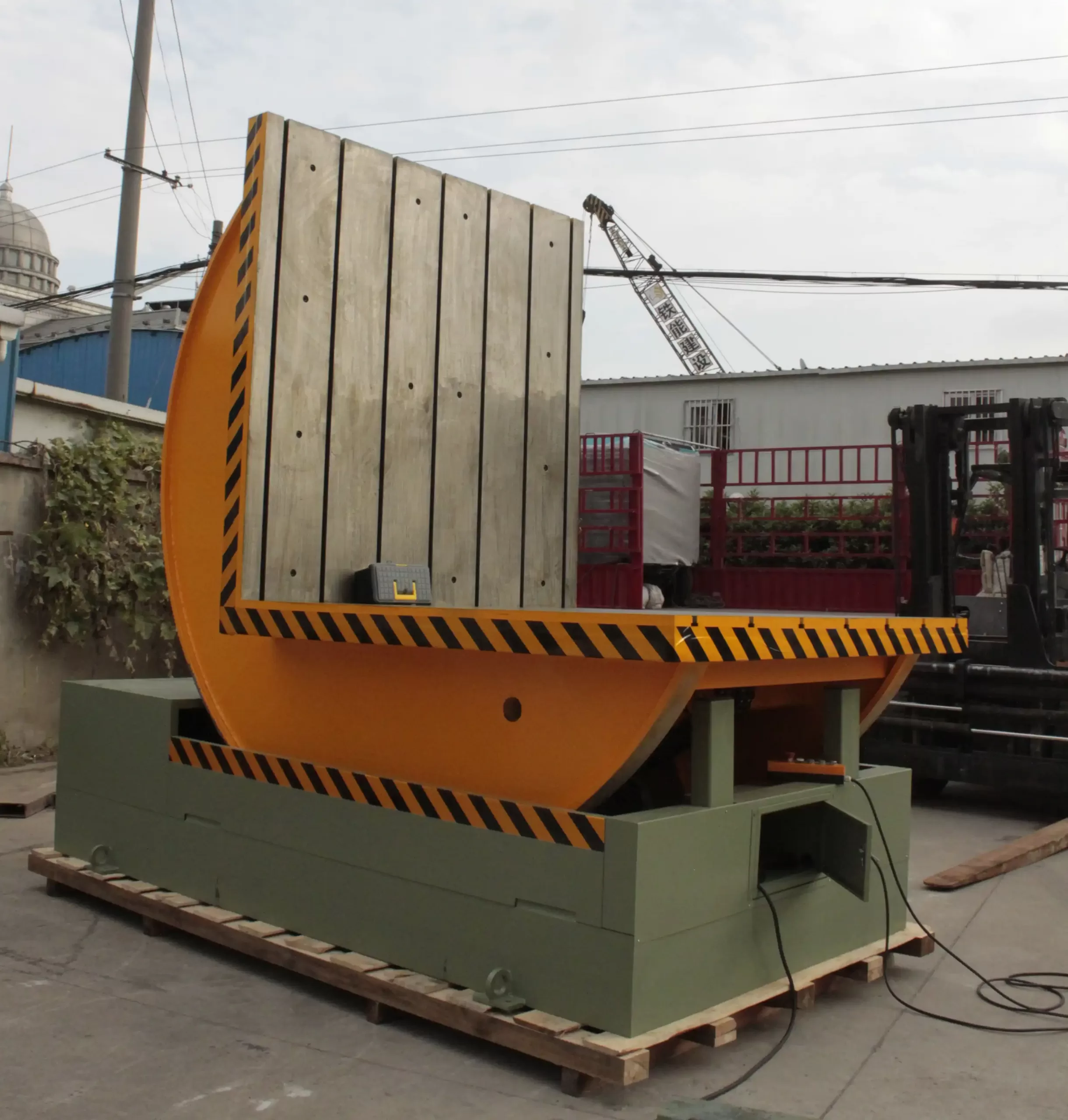
When I was running my packing machine factory, we always looked for ways to optimize every step. I understood that bottlenecks at the end of the line could undo all the efficiency gained earlier. Automating tasks like mold flipping or coil turning was a game-changer. It allowed us to keep pace with the upstream processes. This ensured a smooth flow of materials.
How Mold Tilters Optimize Production Flow
The efficiency gains from mold tilters come from several areas. They remove bottlenecks, free up labor, and improve consistency.
- Reduced Cycle Times: Manual flipping can be a multi-person, time-consuming operation. It often requires cranes, chains, and careful coordination. A mold tilter performs this task with the push of a button. It completes a full rotation in just a few minutes. This significantly cuts down the time spent on this specific step. It allows for faster processing of each unit.
- Labor Reallocation: Instead of multiple workers being involved in a slow, dangerous turning process, only one operator is needed for the mold tilter. This frees up other skilled labor. These workers can then be moved to more value-added tasks. They can work on quality control, machine operation, or other productive areas. This makes your workforce more efficient. It also reduces overall labor costs per unit.
- Consistent and Predictable Operations: Manual processes are prone to variations. The speed and quality depend on the individual worker. Mold tilters provide consistent results every time. They perform the turn at the same speed and in the same manner. This predictability helps in production planning. It also ensures consistent quality. This leads to a more reliable output.
- Integration with Production Lines: Modern mold tilters can be integrated into existing production lines. They can be placed at the end of a machining process or before a packing station. This seamless integration allows for continuous flow. It avoids breaks in the production chain. This means molds or coils can move directly from one stage to the next. This minimizes idle time. This maximizes machine utilization across the factory floor.
By streamlining these critical steps, mold tilters do not just improve one part of your factory. They create a ripple effect. This effect leads to better overall efficiency. You will see higher throughput. You will meet deadlines more easily. This strengthens your factory’s competitive edge.
How Do Mold Tilters Help Reduce Product Damage and Operational Waste?
Are you tired of seeing valuable products damaged during internal handling and packing? When heavy items like steel coils or delicate molds are moved manually, they are prone to bumps, scrapes, and dents. Edges can get damaged. Surfaces can be scratched. This leads to costly reworks, scrap, or even customer rejections. These issues directly impact your profit margins.
Mold tilters secure the product firmly before any movement. They rotate the item smoothly and precisely. There are no sudden drops or uncontrolled shifts. This significantly reduces the risk of impact or surface damage. Your valuable products arrive at the next stage or to your customer in perfect condition.
In my experience, product damage is not just a monetary loss. It also hurts your reputation. Clients expect their products to arrive in perfect condition. When I was building my business, ensuring product quality during transit and packing was always a key focus. Investing in reliable equipment that prevented damage was not an expense. It was an investment in customer trust.
Protecting Your Investment: Minimizing Product Loss with Tilters
Product damage can happen in various ways during manual handling. Mold tilters address these points directly.
- Controlled Movement: Manual methods often involve chains, slings, or pry bars. These can cause swinging or uncontrolled drops. This leads to impact damage. A mold tilter uses a stable platform or clamps. It rotates the mold or coil smoothly. There are no sudden movements. This prevents collisions. This protects sensitive edges and surfaces.
- Reduced Contact Points: When workers handle items manually, there are more points of contact. There is more chance for human error. Hands, tools, or other objects can rub against the product. This causes scrapes or abrasions. A tilter minimizes direct human contact with the product. The machine handles it. This means fewer chances for accidental damage.
- Appropriate Support: Molds and coils need to be supported correctly during turning. Improper support can lead to bending or deformation. A mold tilter is designed to hold the specific shape and weight of the items. It distributes the weight evenly. This prevents stress points. This ensures the product maintains its integrity.
- Elimination of Drops: Accidental drops are a major cause of severe product damage. This can completely destroy a product. It makes it unusable. Manual methods always carry this risk. A mold tilter eliminates this. The product is securely attached to the machine. It is impossible for it to fall during the rotation. This saves significant costs in material waste and rework.
By investing in a mold tilter, you are not just buying a machine. You are buying insurance for your products. You are ensuring that what you manufacture with care arrives at its destination in the same condition. This means fewer customer complaints. It means less money lost on scrap. It means a stronger reputation in the market. This adds directly to your factory’s profitability.
What is the Tangible Financial Return of Investing in Mold Tilter Solutions?
Are you still hesitant about the upfront cost of automating your material handling? It is easy to see a new machine as a big expense. However, true factory managers look at the return on investment (ROI). They know that the initial price is only one part of the equation. What really matters is how much the machine saves or earns over its lifetime.
Investing in a modern mold tilter offers a clear financial return. It reduces labor costs, lowers insurance expenses, cuts down product waste, and increases output. These savings and gains add up quickly. They usually pay back the initial investment faster than you might think.
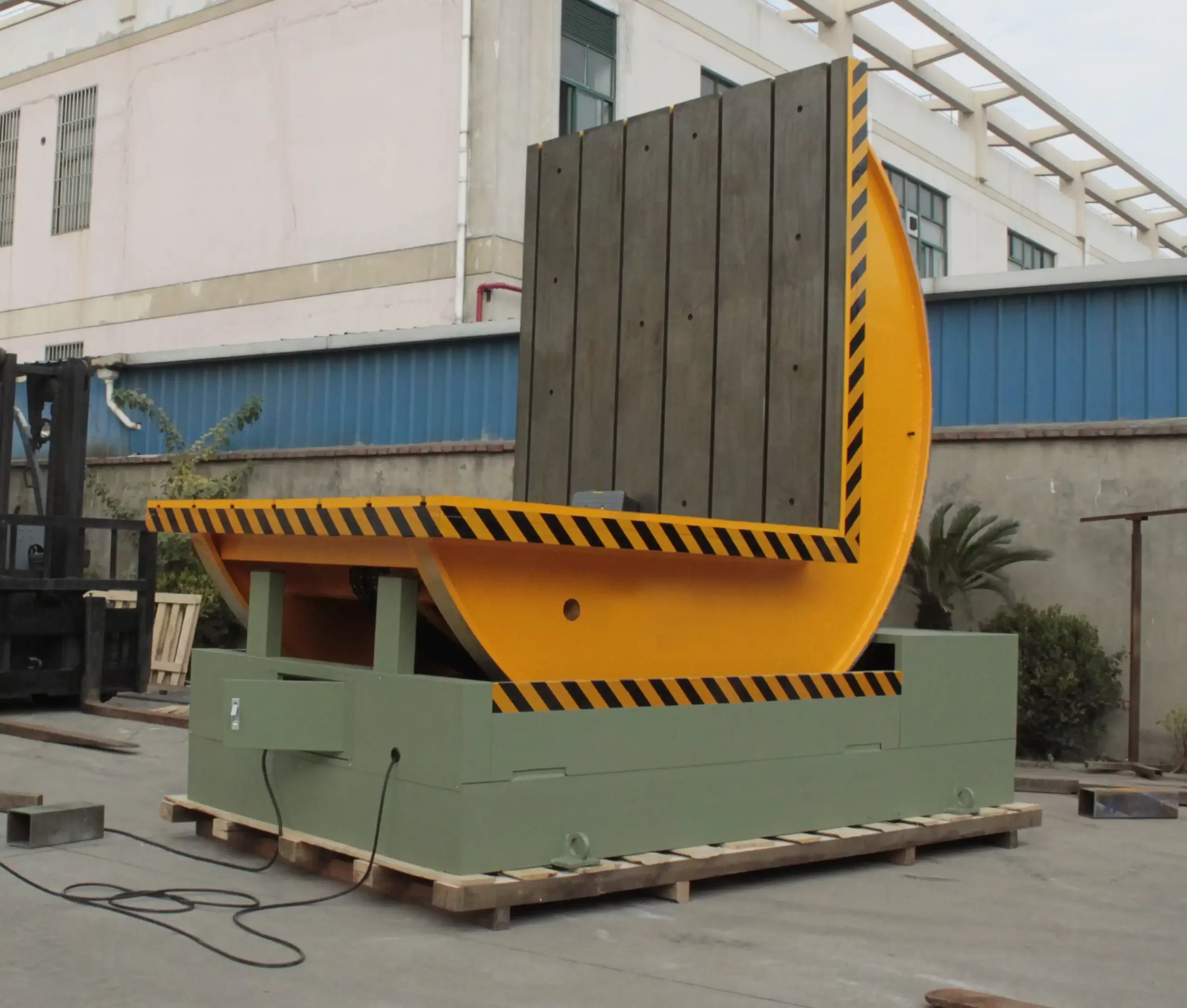
When I was establishing my packing machine factory, I learned the importance of looking beyond the sticker price. Every piece of equipment had to demonstrate a clear ROI. It was not enough for a machine to just “do the job.” It had to do it better, safer, or cheaper. Mold tilters deliver on all these fronts. They are a smart financial decision for any factory serious about growth.
Calculating the ROI of Your Mold Tilter Investment
The ROI of a mold tilter is calculated by weighing the benefits against the cost. Here is a breakdown of the key financial benefits.
- Labor Cost Savings:
- Reduced Headcount for Manual Tasks: A mold tilter typically requires only one operator. This eliminates the need for multiple workers to manually handle heavy items. These freed-up workers can be reassigned to other productive tasks. This reduces the number of full-time equivalents (FTEs) needed for handling.
- Reduced Overtime: Automated processes are faster and more consistent. This can reduce the need for overtime hours to meet production targets. This directly lowers wage expenses.
- Example: If you currently use 3 workers for 4 hours a day to manually flip molds (12 labor hours daily), and a mold tilter allows 1 worker to do it in 1 hour (1 labor hour daily), you save 11 labor hours per day. Multiply this by hourly wage and working days. This becomes a substantial annual saving.
- Insurance Premium Reduction:
- Fewer Accidents Mean Lower Claims: As discussed, mold tilters drastically reduce workplace injuries. Fewer injuries lead to fewer worker compensation claims. Insurance companies often reward factories with good safety records. This means lower premiums over time.
- Improved Safety Ratings: A safer factory can achieve better safety ratings. This translates to more favorable insurance rates. It also shows a commitment to employee well-being.
- Reduced Product Damage Costs:
- Lower Scrap Rates: Fewer damaged products mean less material waste. You save money on raw materials and the energy used to process them.
- Eliminated Rework Costs: Damaged products often require costly rework. This involves additional labor, time, and materials. Tilters prevent damage. They eliminate these rework costs.
- Fewer Customer Complaints and Returns: Shipping damaged goods leads to unhappy customers. It can mean product returns, which incur logistics costs. A mold tilter ensures product integrity. This improves customer satisfaction. It reduces return-related expenses.
- Increased Production Capacity and Revenue:
- Higher Throughput: Faster handling means more products can move through your line daily. This increases your overall production capacity.
- Ability to Take on More Orders: With increased capacity, your factory can accept more orders. This leads to higher sales revenue.
- Meeting Deadlines: Improved efficiency means you can meet tight deadlines consistently. This builds a strong reputation. It attracts more business.
- Extended Equipment Lifespan:
- Reduced Wear and Tear: Automated handling puts less stress on existing cranes and hoists. This extends their lifespan. This delays replacement costs.
- Less Damage to Facility: Controlled movement prevents accidental collisions with walls or other machinery. This reduces facility maintenance costs.








