

What Makes the Best Automatic Steel Coil Packaging Line? Key Features Explained?
Are you tired of packaging bottlenecks in your steel mill? Do delays, inconsistent quality, and safety concerns plague your coil dispatch operations? Many steel producers face these frustrations. They struggle with outdated methods or inefficient machines. These problems hurt delivery times, lead to customer complaints, and impact your bottom line. I understand this struggle firsthand from my journey in the packing machine industry.
The best automatic steel coil packaging line is more than just equipment. It is an integrated solution. It combines unmatched reliability, flexible adaptability to diverse coil types, superior packaging quality, and significant safety enhancements. These features ensure continuous operation, protect your products, and lower overall costs. It moves your operations towards true automation and efficiency.


Choosing the right packaging line is a big decision. It directly impacts your efficiency, product integrity, and profitability. Let us explore the key features that define a top-tier automatic steel coil packaging line. This will help you make an informed choice for your business.
Why is Automation Essential for Modern Steel Coil Packaging?
Manual coil packaging processes are often slow, inconsistent, and costly. They rely heavily on human labor. This means quality can vary. It also means production slows down if workers are scarce or tired. This creates bottlenecks in your steel mill’s finishing line.
Automation is essential for modern steel coil packaging because it delivers speed, consistency, cost savings, and a higher level of quality. It tackles labor challenges and meets the growing demands for faster and more reliable output in steel production. An automated system makes your whole operation more predictable and efficient.


As a packing machine engineer, I have seen how much difference automation makes. It transforms a problematic area into a smooth, efficient part of your production. This is crucial in today’s demanding market.
1. Addressing Labor Shortages and High Costs:
Modern manufacturing often faces a shortage of skilled labor. Finding workers for physically demanding tasks like steel coil packaging is hard. Manual packaging also involves high labor costs, including wages, benefits, and potential injury claims. Automation helps solve this. It reduces the need for many workers to handle heavy coils. Instead, a few operators can oversee the entire packaging process. This frees up your existing workforce for other, less strenuous, or more skilled tasks within your facility. It also removes the dependency on a large labor force. This makes your operations more stable and less prone to disruptions from labor issues. This shift helps reduce overall operational expenses significantly. It provides a more sustainable staffing model for the future.
2. Boosting Production Efficiency and Throughput:
Manual packaging is slow. It creates bottlenecks in a high-volume steel mill. Workers need breaks and can only perform tasks at a certain speed. Automated systems, however, work continuously. They perform packaging tasks much faster and more consistently than humans. This means more steel coils can be processed and dispatched every hour. An automated line can keep up with the output of rolling or slitting mills. This ensures a smooth flow of products. It also removes production delays. This boosts your overall throughput. It helps meet high demand and tight delivery schedules. This increase in speed directly translates to higher production capacity for your entire plant.
3. Ensuring Packaging Consistency and Quality:
Human error is a natural part of manual work. This leads to inconsistencies in film tension, strap placement, and overall package integrity. Such variations can compromise the protection of your steel coils. Automated packaging lines eliminate this variability. They apply wrapping film with precise tension. They place strapping exactly where it needs to be, every time. This consistency results in uniform and high-quality packages. These packages protect the steel from damage during storage and transport. Consistent quality means fewer customer complaints. It also means less product damage and returns. This builds customer trust and reduces costs associated with re-packaging or replacements.
4. Seamless Integration with Existing Production Lines:
The best automatic packaging lines are not standalone machines. They are designed to integrate smoothly with your existing production setup. This includes slitting lines, rolling mills, and warehousing systems. This integration creates a continuous workflow. Coils move from production to packaging without manual handling or unnecessary stops. This reduces transfer times. It also lowers the risk of damage during transitions. The system can receive data from upstream processes. This allows for automatic adjustments to packaging parameters. This level of integration optimizes your entire production chain. It makes it more efficient and less prone to human intervention. This also improves data accuracy for inventory and dispatch.
What Reliability Features Ensure 24/7 Operation and Minimize Downtime?
Downtime in a steel mill is very costly. Every minute a production line stops, you lose money. Broken machines lead to missed deadlines and frustrated customers. The fear of unexpected breakdowns is a major concern for any production director.
A reliable automatic steel coil packaging line needs robust construction, high-quality industrial components, intelligent diagnostic systems, and designs that simplify maintenance. These features are critical. They ensure continuous 24/7 operation, minimize unexpected stops, and keep your production flowing smoothly. Reliability means consistency.
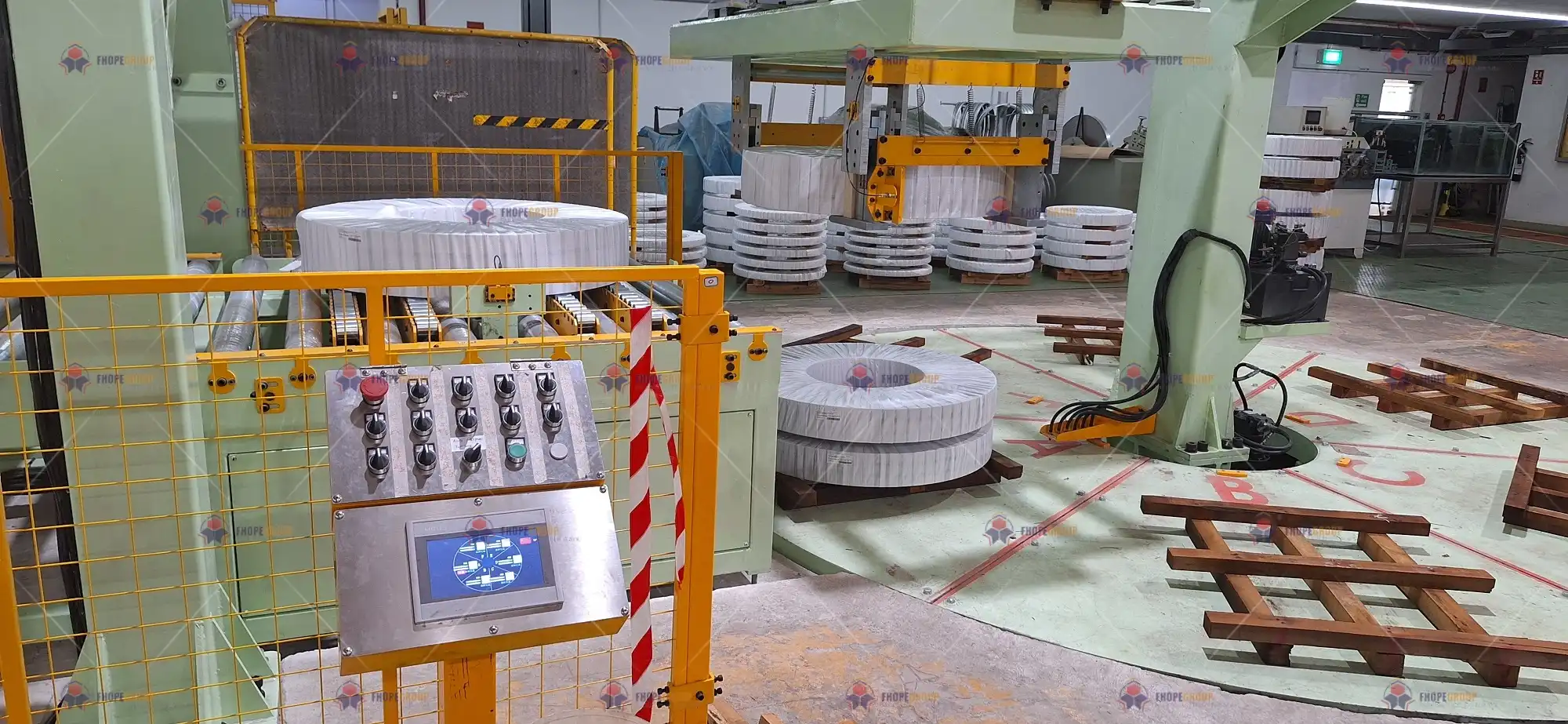

I learned early in my career that a machine is only as good as its weakest link. Building for reliability is non-negotiable, especially when handling heavy steel coils around the clock.
1. Heavy-Duty Construction and Durable Materials:
Steel coils are heavy, often weighing several tons. Any packaging equipment must withstand immense stress and continuous operation. A truly reliable line starts with a robust frame. It uses thick, high-grade steel for its main structure. Key moving parts are often made from wear-resistant alloys. This type of construction prevents bending, cracking, or fatigue over time. It ensures stability even under full load. Every component, from rollers to conveyors, is over-engineered. This gives it a long service life. This focus on strong materials means the machine can handle the rigorous demands of a 24/7 steel mill environment. It reduces structural failures.
2. Top-Tier Components and Electrical Systems:
The performance of an automatic line depends heavily on its internal parts. High-quality motors, sensors, programmable logic controllers (PLCs), and pneumatic systems are essential. Manufacturers like FHOPEPACK often choose components from globally recognized brands. These brands have a reputation for durability and precision. Using such reliable components reduces the chance of individual part failure. It enhances the overall stability of the system. The electrical wiring and control panels must also be industrial-grade. They must be protected from dust and moisture. This ensures consistent and safe electrical operation. Investing in these premium parts pays off by preventing frequent breakdowns and costly repairs.
3. Intelligent Diagnostics and Predictive Maintenance:
Modern packaging lines are smart. They come equipped with advanced diagnostic systems. These systems continuously monitor the machine’s performance. They track things like motor temperature, sensor readings, and cycle times. If any parameter goes outside normal limits, the system alerts operators. Some advanced systems can even predict potential failures. They tell you which part might need attention soon. This allows for planned maintenance during scheduled shutdowns. It avoids unexpected breakdowns during critical production periods. This predictive capability saves significant time and money. It also improves safety by addressing issues before they become serious problems.
4. User-Friendly Design for Quick Troubleshooting and Maintenance:
Even the most reliable machine needs maintenance. A well-designed line makes this process straightforward. It features easily accessible components. Clear error codes on the HMI (Human Machine Interface) help operators quickly identify problems. Modular designs allow for quick replacement of parts. This minimizes downtime. For example, if a strapping head needs servicing, it can be swapped out quickly. This keeps the line running. At FHOPEPACK, we focus on intuitive controls and clear documentation. This empowers your maintenance team. We also offer remote support, which can help diagnose issues from afar. While SHJLPACK and CNBHPAC also provide maintenance support, FHOPEPACK’s commitment to user-centric design and remote assistance gives us an edge in swift issue resolution.
How Can a Packaging Line Adapt to Diverse Coil Sizes and Types?
Steel mills produce many different types of coils. These include cold-rolled, galvanized, and color-coated. They come in various sizes and weights. Manually changing packaging settings for each type is slow and prone to errors. This impacts efficiency.
The best automatic steel coil packaging lines offer high adaptability. They can quickly adjust to diverse coil diameters, widths, and weights. They also handle different coil types. This flexibility is achieved through automated adjustment systems and programmable settings. This ensures efficient packaging for your entire product range.
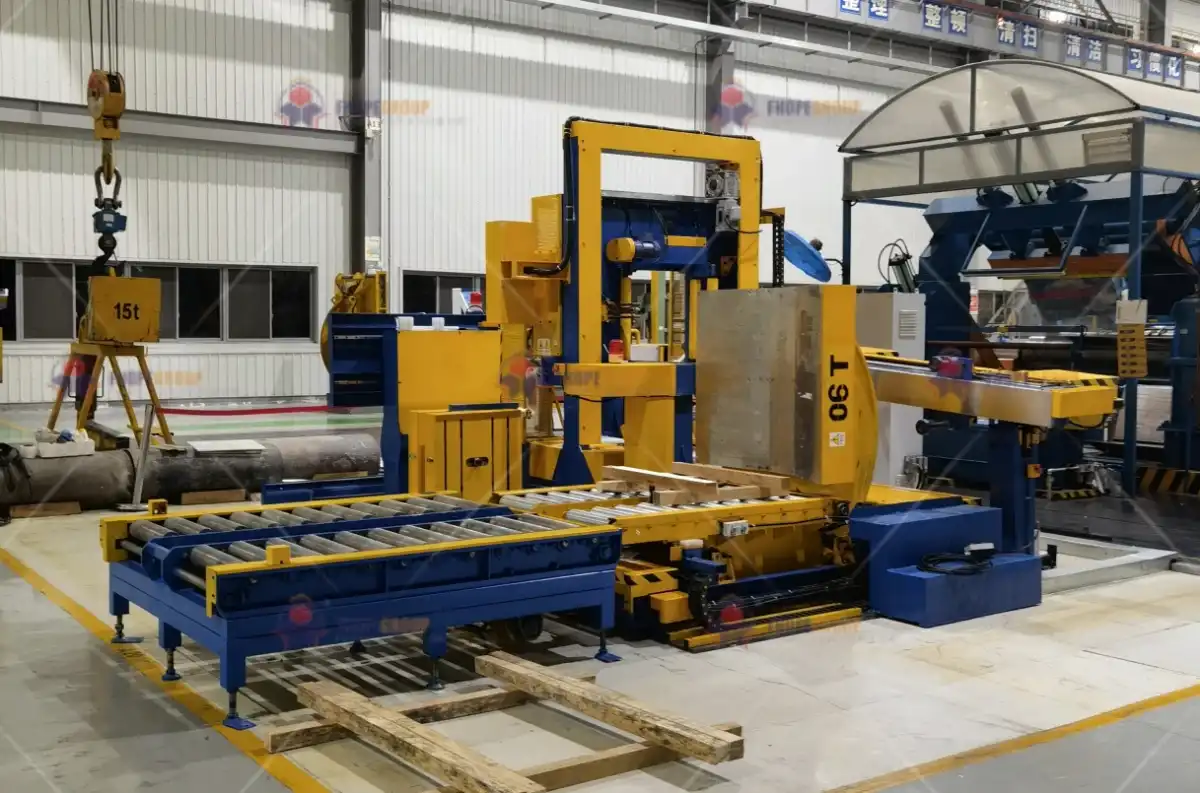

I have seen many clients struggle with product diversity. They need a machine that can handle everything without constant manual reconfigurations. A truly adaptable line is a game-changer for these operations.
1. Adjustable Coil Centering and Handling Systems:
Steel coils come in a wide range of inner and outer diameters. A versatile packaging line must accommodate all of them. This is done through automatic centering devices and adjustable roller conveyors. These systems use sensors to detect the coil’s dimensions. Then, they automatically adjust their positions to center the coil perfectly. Coil cars and turnstiles also feature adjustable platforms. This allows them to handle coils of varying widths and weights. This automatic adjustment removes manual measurements and repositioning. It saves time and prevents potential damage to the coils from misalignment. It ensures that coils of any common size are handled precisely.
2. Flexible Strapping and Wrapping Mechanisms:
Different coil sizes require different strapping and wrapping patterns. A flexible line has strapping heads that can move along the coil’s width. They apply straps at various points. The wrapping machines can also adjust their travel path and speed. This accommodates different coil heights and widths. This ensures full coverage and tight security for every package. Whether it’s a small slitting coil or a large master coil, the system can apply the correct amount of film and strapping tension. This adaptability is crucial for maintaining package integrity across your diverse product offerings. It also reduces material waste by optimizing film and strap usage.
3. Quick Program Changes for Different Product Recipes:
Modern HMI (Human Machine Interface) systems are key to flexibility. They allow operators to store and recall “recipes” for different coil types. For example, a setting for “cold-rolled, 10-ton coil” will automatically adjust all parameters. These parameters include strapping points, film layers, and tension. This means switching between packaging requirements for galvanized, color-coated, or specialized coils is fast. There is no need for manual input of each setting. This drastically reduces changeover times. It increases overall efficiency. It also minimizes human errors that can happen during manual parameter adjustments. This feature is vital for mills that produce a wide range of products daily.
4. Integrated Material Handling for Different Coil Orientations:
Coils may need to be packaged or stored in different orientations. Some customers prefer “eye-to-sky” (flat) packaging, others “eye-to-wall” (upright). An adaptable line includes automatic up-enders and down-enders. These machines can safely and efficiently change the coil’s orientation. They do this within the packaging process. This versatility means your packaging line can meet various logistical and customer-specific demands. It removes the need for manual handling with cranes or forklifts. This significantly improves safety. It also streamlines the flow from the packaging area to the warehouse or loading dock. This supports complex operational requirements.
What Packaging Quality Standards Should a Top Line Deliver?
Poor packaging leads to many problems. It can mean damaged goods, customer complaints, and costly returns. It can also damage your company’s reputation. Protecting your valuable steel products during transit is critical.
A top-tier automatic steel coil packaging line delivers superior protection against moisture, rust, and physical damage. It meets strict international standards like CE/ISO. It also handles customer-specific needs like precise labeling and robust strapping. This ensures your products arrive in perfect condition and comply with all requirements.
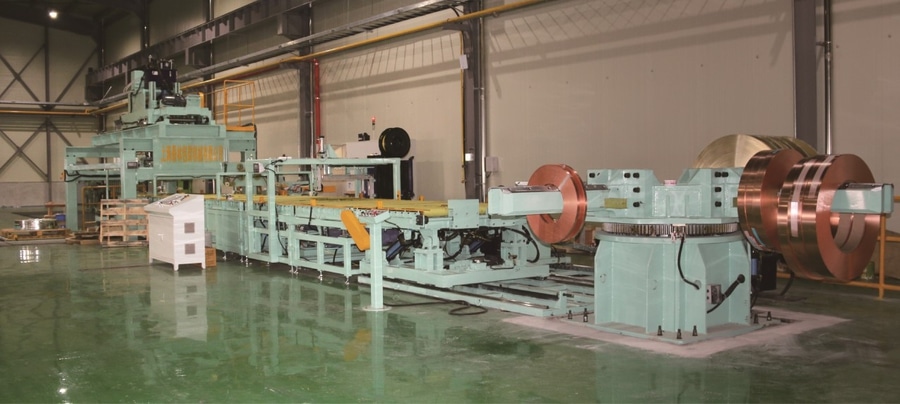

My goal at FHOPEPACK has always been to deliver packaging solutions that ensure product integrity. I know that if the product isn’t perfectly protected, all other efforts can be wasted.
1. Advanced Moisture and Rust Protection:
Steel is highly susceptible to rust, especially during long transit or storage. A superior packaging line employs advanced techniques to create a moisture-proof barrier. This often involves multi-layer stretch film wrapping. It might also use VCI (Volatile Corrosion Inhibitor) film or anti-rust paper. These materials work together. They encapsulate the coil. The machine applies film with precise tension and overlap. This ensures a tight seal. There are no gaps for moisture to penetrate. This robust protection is crucial for coils being exported or stored in humid environments. It guarantees that your steel arrives at its destination in pristine condition.
2. Secure Strapping for Transport Stability:
Proper strapping is fundamental for securing steel coils. It prevents them from unwinding or shifting during transport. The best lines use high-strength PET (Polyester) or steel strapping. They feature automatic strapping heads that apply consistent tension. They also ensure strong, reliable seals. This eliminates the loose or uneven strapping often seen with manual methods. Consistent tension prevents the coil from deforming. It also prevents the straps from loosening over time. This ensures maximum stability on trucks, trains, or ships. This robust securing is vital for safety during logistics. It minimizes damage from movement or impact.
3. Automatic Labeling and Barcode Application:
Accurate identification and traceability are essential for modern logistics. A top packaging line includes integrated automatic labeling systems. These systems precisely apply barcodes, QR codes, and other necessary shipping information. They do this quickly and without errors. The labels are durable. They can withstand harsh environments. This automation eliminates the time-consuming and error-prone task of manual labeling. It improves inventory management. It also streamlines the shipping process. It ensures that every coil is correctly identified from your factory to the customer’s site. This feature is particularly important for export orders requiring specific marking.
4. Compliance with International Standards (CE, ISO):
For many markets, especially exports, packaging must meet specific international standards. These include CE (Conformité Européenne) for European markets and ISO (International Organization for Standardization) certifications. A high-quality automatic packaging line is designed to help you meet these requirements. It ensures your packaging processes are compliant. This covers everything from material quality to safety features within the packaging itself. Achieving these certifications opens up new export opportunities. It builds trust with international clients. FHOPEPACK understands these global demands. We design our lines to help you achieve these stringent standards.
How Does an Automatic System Boost Workplace Safety and Reduce Labor?
Manually handling heavy steel coils is one of the most dangerous tasks in a steel mill. Workers face risks of crushing injuries, strains, and falls. Accidents can be severe. This creates a stressful work environment and leads to high labor costs.
Automatic steel coil packaging lines dramatically improve workplace safety by removing human interaction with heavy coils. They replace risky manual tasks, significantly reducing the chance of injuries and fatigue-related errors. This also leads to a substantial reduction in labor costs. It creates a safer and more efficient working environment.
Safety has always been a top priority for me. My journey has shown me that protecting workers is not just about compliance; it’s about valuing human life and ensuring a sustainable operation.
1. Eliminating Manual Handling of Heavy Coils:
The most significant safety benefit of automation is the removal of manual interaction with heavy steel coils. In manual operations, workers often use cranes or forklifts to move, turn, and position coils. This poses risks like dropped coils, pinch points, and collisions. An automatic system uses specialized machinery—such as coil cars, conveyors, and automatic up-enders/down-enders. These machines handle all the heavy lifting and repositioning. Workers are kept at a safe distance. They only supervise the process. This dramatically reduces the potential for severe injuries caused by the immense weight and momentum of steel coils. It makes the entire packaging area much safer.
2. Integrated Safety Features and Interlocks:
Modern automatic packaging lines are built with multiple layers of safety. They include physical barriers like safety fences that prevent access to moving parts. Light curtains automatically stop the machine if a person enters a designated hazard zone. Emergency stop buttons are strategically placed throughout the line. These allow immediate shutdown in case of an incident. Interlock systems ensure that certain operations cannot begin if safety conditions are not met. For example, a strapping head will not activate if a coil is not correctly positioned. These features work together. They create a secure environment. They protect workers from accidental contact with machinery.
3. Reducing Repetitive Strain Injuries:
Manual packaging tasks often involve repetitive motions. These include bending, lifting, pulling, and twisting. Over time, these actions can lead to musculoskeletal disorders (MSDs) or repetitive strain injuries (RSIs). These are common in industrial settings. Automation removes these physically demanding and repetitive tasks from human workers. Machines perform these actions tirelessly. This protects employees from chronic pain and long-term health issues. It also reduces sick leave and worker’s compensation claims for the company. This improves the overall well-being and longevity of your workforce.
4. Optimizing Staff Deployment and Skill Development:
An automated packaging line requires fewer workers for direct manual labor. Instead, it needs operators to monitor the system, technicians for maintenance, and supervisors for overall management. This allows companies to reallocate their workforce. Staff can be trained for higher-value, more technical roles. This means better job quality for employees. It also means a more efficient use of human capital for the company. Investing in automation is an investment in your people. It helps them develop new skills. It moves them from hazardous tasks to roles that involve technology and problem-solving. This is a key advantage FHOPEPACK offers. We help clients grow their business and create better job roles. While SHJLPACK and CNBHPAC also provide safety features, our focus on holistic safety training and system integration makes a significant difference.

Conclusion
Choosing the best automatic steel coil packaging line is about investing in your future. It ensures efficiency, safety, and top-tier product quality. A reliable, adaptable, and automated solution reduces costs, enhances safety, and boosts customer satisfaction. Partner with FHOPEPACK to customize a coil packing line that elevates your operations and secures your success.












