
What Makes a Steel Coil Packing Line Vital for Czech Export Competitiveness?
The global steel market is tough, and Czech steel manufacturers face strong competition every day. Sending high-quality products abroad requires attention to every detail, especially packaging. Poor or substandard packing can easily ruin all the hard work put into production. Imagine your perfectly rolled steel coils arriving damaged, leading to angry customers, complaints, and even lost contracts. This can undo your reputation. Your excellent steel loses its value the moment it leaves your factory floor if it is not packed right. This is why a strong, reliable steel coil packing line is more than just a cost. It is a smart investment. It protects your product, your good name, and your place in the market.
A modern steel coil packing line is vital for Czech export competitiveness because it ensures product integrity, meets stringent international shipping standards, and boosts operational efficiency. It directly reduces damage risks during transit, adheres to specific client requirements like CE/ISO certification, and cuts labor costs, allowing Czech steel producers to deliver high-quality goods consistently and reliably to global markets, thereby enhancing their reputation and securing their competitive edge.

From my many years in the packing machine industry, starting as an engineer and then building FHOPEPACK, I have seen with my own eyes how the right packing solution can change a business. It is not just about a machine. It is about a complete system that helps your entire production and export plan. Let us look deeper into what makes this technology so important for Czech steel’s success.
How Does Efficient Packing Protect Czech Steel Exports?
Do you ever worry about your steel coils getting scratched or rusted during a long journey? This is a common problem for many steel producers. If your packing is not up to standard, your valuable products can arrive damaged. This causes financial losses and hurts your customer relationships. The actual quality of your steel does not matter if the customer receives a damaged product.
Efficient packing protects Czech steel exports by creating a robust barrier against physical damage, moisture, and corrosion, ensuring that coils arrive at their destination in perfect condition. It uses precise wrapping and strapping techniques to keep the product stable and secure, which prevents issues like surface scratches or rust that can devalue the steel and lead to costly rejections or claims from international buyers.

My experience has shown me that protecting the product starts with understanding the risks. Steel coils travel across continents, facing rough handling, varying climates, and long storage times. For steel manufacturers in the Czech Republic, this means their packing must be strong enough for global shipping. It must also keep the steel safe from all kinds of damage. We need to make sure the steel maintains its prime condition from the factory floor to the client’s site. This protects both the product quality and the company’s reputation.
Let me explain how good packing achieves this:
-
🛡️ Physical Protection Against Damage:
- Manual packing often leaves coils vulnerable. People cannot apply consistent tension or perfectly align protective layers. Automatic packing lines use precise mechanical force. They apply PET or steel straps tightly and evenly around the coil. This prevents the layers of steel from shifting or unwinding during transport. Imagine a 3-ton coil of cold-rolled steel. If it moves even slightly, it can cause edge damage or surface abrasions. An automated strapping machine removes this risk by securing the coil perfectly.
- Furthermore, automated systems can integrate protective materials like edge protectors or radial supports. These additions cushion the coil against impacts from forklifts or other cargo during loading and unloading. My clients, like Ivan Petrov, who manage hundreds of tons of daily shipments, understand that even minor damage can lead to major complaints and financial penalties. They need a system that minimizes these risks reliably, day in and day out, across various coil sizes and weights, from 1 to 3 tons.
-
💧 Moisture and Corrosion Prevention:
- Czech steel travels through different environments. Humidity changes, rain, or sea air can cause rust, especially on cold-rolled or galvanized coils. A proper packing line includes automatic stretch wrapping or VCI film application. This creates an airtight, waterproof barrier around the coil. It is much better than manual wrapping. Manual wrapping often leaves gaps or uneven coverage, allowing moisture to seep in.
- For example, in one project, a client faced consistent rust issues on shipments to coastal regions. After installing an automatic orbital wrapper, which applied a consistent, tight layer of stretch film, these issues stopped. The machine completely covered the coil, preventing any exposure to moisture. This also reduced the need for workers to handle sticky, heavy rolls of film, making the process safer and faster. This level of protection is vital for maintaining the quality and market value of high-grade steel products, meeting the high demands of export customers who expect flawless deliveries.
-
⚖️ Ensuring Load Stability and Safety:
- Unstable loads are a huge safety risk. They can shift in transit, causing accidents or damage to other cargo. An automated packing line makes sure each coil is perfectly stable. It applies uniform tension to straps and wraps. This means the entire pallet or coil unit is secure. This stability is important for worker safety during loading and unloading. It also ensures safe transport.
- My journey in this industry taught me that safety is paramount. When coils are moved by cranes or forklifts, they must be secure. A machine-packed coil is much safer to handle than a loosely packed one. This reduces the risk of workplace injuries, which is a key concern for production directors like Ivan Petrov, who want to reduce the strenuous manual work associated with traditional packing methods.
Why is Automation Key to Overcoming Labor Challenges in Czech Steel Mills?
Are your steel mills struggling to find enough skilled workers for packing tasks? Many factories face this exact problem. Manual packing is hard work, it is often repetitive, and it can be dangerous. This leads to high worker turnover, slow production, and inconsistent packing quality. Depending too much on human labor for demanding tasks is not a sustainable long-term solution.
Automation is key to overcoming labor challenges in Czech steel mills because it replaces strenuous, repetitive, and potentially hazardous manual packing tasks with efficient machinery, significantly reducing the need for human intervention. This shift addresses the problem of worker shortages and high turnover rates, while simultaneously increasing packing speed, ensuring consistent quality, and improving workplace safety by minimizing manual handling of heavy steel coils.
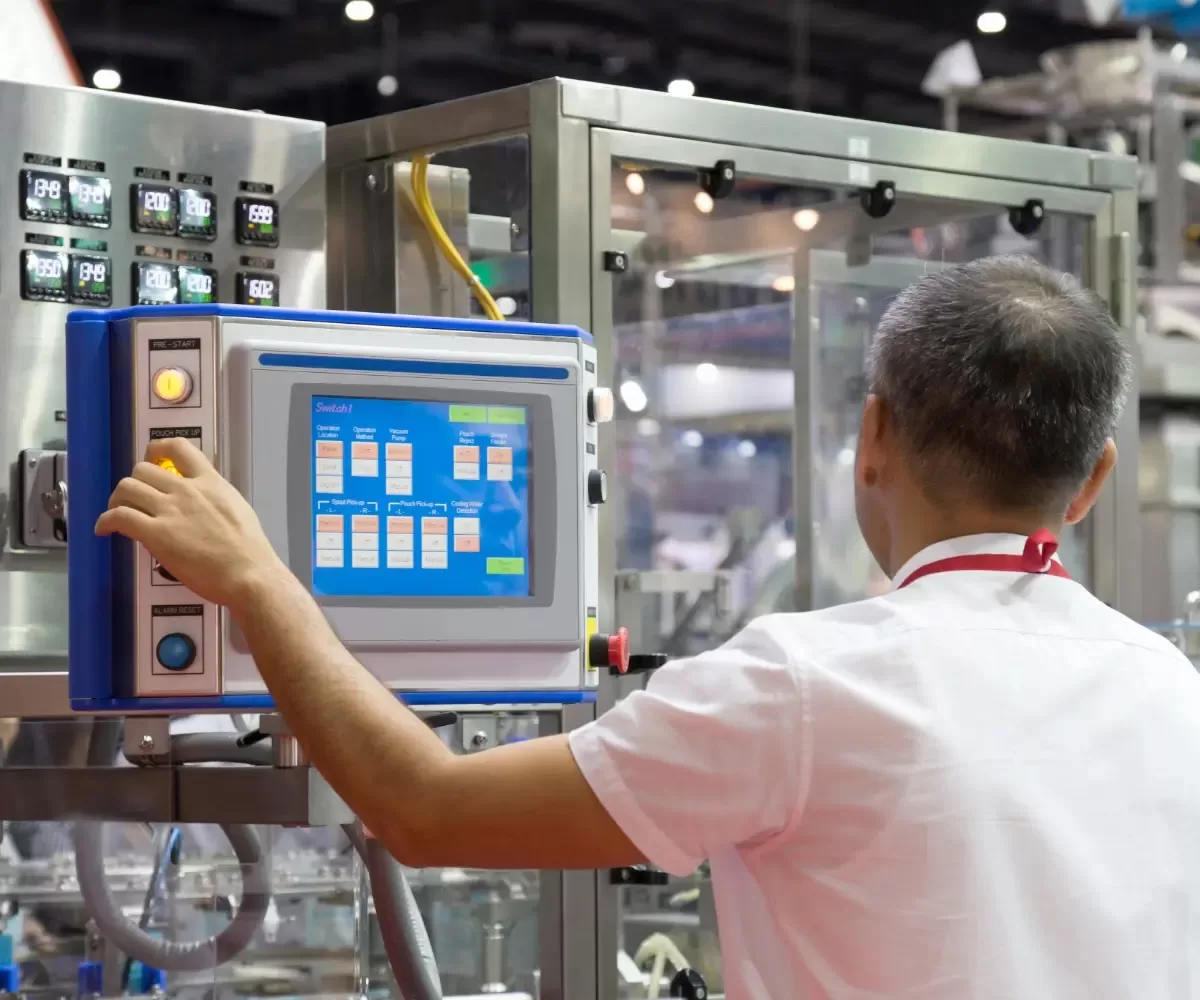
When I started FHOPEPACK, I knew that people in the industry needed more than just simple machines. They needed solutions that solved real-world problems, especially the growing issue of labor. The steel industry in countries like the Czech Republic often faces a lack of young workers willing to do physically demanding jobs. This means that a fully automated packing line is not a luxury. It is a necessity. It keeps production running smoothly even when there are not enough workers. It also makes the workplace much better for the people who are there.
Here is how automation helps with labor issues:
-
📉 Reducing Reliance on Manual Labor:
- Manual coil packing involves heavy lifting, bending, and repetitive movements. Workers must manually apply straps, wrap film, and sometimes even handle heavy protective materials. This is physically demanding. It is why young workers often leave these jobs quickly. An automated packing line takes over these tasks. For instance, a fully automatic coil strapping machine can apply multiple straps in minutes, without any human touching the coil. This frees up staff to do more complex tasks.
- For someone like Ivan Petrov, who sees high turnover rates in his packing workshop, automation means his operations are less affected by labor availability. He can maintain his daily output of hundreds of tons, even with fewer people. This also means his existing team can focus on quality control, machine oversight, and other value-added activities that are less physically taxing and more rewarding.
-
⚠️ Enhancing Workplace Safety:
- Handling large, heavy steel coils manually is very risky. Workers are exposed to crushing hazards, cuts from steel edges, and strains from repetitive motions. My mission at FHOPEPACK has always included improving safety. Automated systems move, orient, and pack coils without human contact. This drastically lowers the risk of workplace accidents and injuries. For example, a robotic arm can apply labels or edge protectors, removing workers from dangerous areas.
- Consider a fully automated Coil Packing Line that includes automated coil flipping and stacking. These machines lift and turn coils weighing several tons. This eliminates the need for workers to use manual tools or overhead cranes for these tasks. This significantly reduces the chance of accidents. Ivan’s goal to “guarantee safety in production” is directly addressed by these mechanical solutions. This also helps improve the overall working conditions, making the factory a safer place for everyone.
-
⚡ Boosting Efficiency and Production Continuity:
- Human workers need breaks. They get tired. This means manual packing slows down or stops. Machines do not. They can work 24 hours a day, through two shifts, without stopping, as long as they are properly maintained. This continuous operation is crucial for steel mills that have high production volumes. An automated line ensures a steady flow of packed products. This prevents bottlenecks at the end of the production line.
- This continuous operation is vital for maintaining Czech steel’s competitive edge. It means orders can be fulfilled faster and more reliably. It also means the factory can adjust to changing demand more easily. My clients often report significant increases in throughput and reductions in packing time after automating. This direct impact on efficiency helps them meet their production targets consistently and predictably, which is a major benefit in a demanding export market.
Can Advanced Packing Solutions Meet Strict International Standards for Czech Goods?
Are your export customers demanding specific packaging certifications like CE or ISO? Are they asking for extra features like barcodes or special anti-corrosion protection? Meeting these high and varied demands with manual packing can be a nightmare. It is slow, prone to errors, and almost impossible to guarantee consistency across all shipments. If your packing does not meet these standards, your products might be rejected at the border or by the customer.
Advanced packing solutions can meet strict international standards for Czech goods by providing customizable and precise application of various packaging materials and data. These systems ensure consistent quality for features like accurate film tension, secure strapping, and precise label placement. This allows Czech steel producers to easily comply with global requirements such as CE/ISO certification, detailed barcoding, and enhanced moisture protection, making their exports more accepted and competitive worldwide.

My journey in the packing industry, helping businesses expand their reach, has taught me that international markets have strict rules. What might be acceptable for domestic shipping is often not enough for exports. For Czech steel, selling to Europe, Asia, or America means following global packaging rules. This often includes technical standards, safety regulations, and customer-specific demands. A modern packing line is not just about putting material on a coil. It is about creating a “travel-ready” product that meets every single requirement, every single time. This is where the power of advanced solutions truly shines.
Let me explain the role of advanced packing in meeting these standards:
-
🌍 Compliance with Global Certifications (CE/ISO):
- Many international buyers, especially in the EU, require products to meet specific certifications like CE or ISO. While these are usually product-level certifications, the packaging quality indirectly supports compliance. For example, if packaging is insufficient and causes damage, it can compromise the certified product’s integrity. Automated systems ensure packaging consistency, which is a key part of maintaining quality control. They apply materials and perform processes that are repeatable and verifiable, providing documentation that helps support overall quality assurance.
- This means that for someone like Ivan Petrov, whose export clients demand CE/ISO certified packaging, an automated line offers peace of mind. The machine’s consistent operation and ability to apply specific materials in a controlled manner directly contribute to the overall quality system. This allows the factory to confidently state that their packaging process supports the high standards required by international markets. It makes compliance much easier to achieve and prove.
-
🏷️ Precision in Labeling and Barcoding:
- Export shipments often need detailed information on each package. This includes product codes, weight, origin, and customer-specific barcodes. Manual labeling is slow and prone to human error. A misplaced or smudged label can cause delays at customs or problems in the client’s inventory system. Automated labeling machines precisely print and apply labels to specific locations on the coil. They can also integrate with a plant’s ERP system. This ensures that the right data is always on the right coil.
- This precision is critical for the “strict anti-corrosion protection and barcode labeling” demanded by Ivan Petrov’s export clients. An automated system makes sure that every coil gets its unique, clear barcode. This helps with tracking, inventory, and supply chain efficiency. It removes the human element of error, ensuring consistent, high-quality labeling that speeds up customs clearance and improves customer satisfaction.
-
🌧️ Tailored Anti-Moisture and Anti-Scratch Solutions:
- Different steel products have different needs. Cold-rolled coils might need extra anti-rust protection. Color-coated coils need special anti-scratch films. Manual packing makes it hard to switch between these diverse requirements. An automated packing line offers flexibility. It can use various materials like VCI paper, different types of stretch film, or specialized anti-scratch layers. The system can switch quickly between these based on the product type.
- For example, my team helped a client in the Czech Republic who produced cold-rolled, galvanized, and color-coated coils. They had issues switching between packing types. We set up an automated system that could quickly change settings and materials. This allowed them to handle all three product types on the same line. This capability is exactly what Ivan needs to handle his “diverse product range” without complex and time-consuming manual changes, ensuring each coil receives the optimal protection for its specific needs and destination.
How Does Optimizing Packing Costs Boost Czech Steel’s Global Market Edge?
Are your packing material costs too high? Is too much material wasted? Do you spend too much on labor for packing? These issues chip away at your profit margins. They make it harder to compete in the global market. Inefficient packing is not just about quality; it is also about money. It can quietly increase your overall production costs and reduce your competitive advantage.
Optimizing packing costs boosts Czech steel’s global market edge by significantly reducing material waste, lowering labor expenditures through automation, and increasing overall production continuity. An efficient packing line ensures that packaging materials are applied precisely and consistently, preventing overuse or damage. This helps Czech manufacturers offer more competitive prices, improving their position against international rivals and attracting more business.
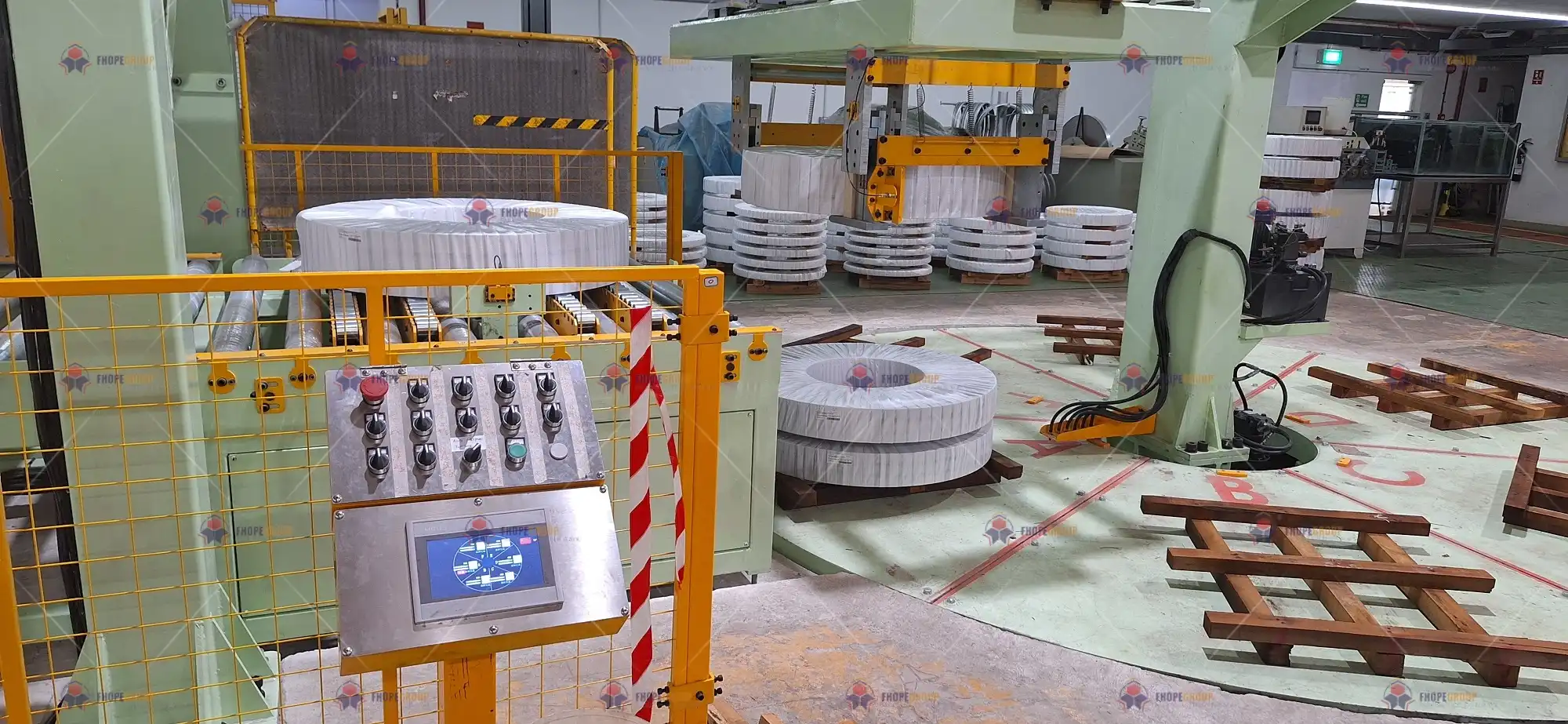
As someone who built a successful packing machine factory after starting on the shop floor, I have always focused on solutions that help clients grow their businesses and achieve financial independence. Reducing costs while improving quality is a core part of that. For Czech steel exporters, every saved penny on the packing line translates into a stronger position in the global market. It means they can offer better prices or invest more in other areas. An automated packing line is a long-term investment that pays for itself by cutting down on various costs. It creates a leaner, more efficient operation.
Here is how cost optimization happens with automated packing:
-
💰 Reducing Material Waste:
- Manual packing often leads to waste. Workers might use too much film, cut straps incorrectly, or damage materials during application. This adds up. Automated machines use materials with precision. They are programmed to apply the exact amount needed for each coil, with consistent tension and overlap. This minimizes waste of stretch film, strapping, and other protective materials. For example, a machine can optimize the stretch percentage of film, meaning you use less material per coil while achieving better protection.
- Ivan Petrov’s goal to “lower overall costs” directly benefits from this. By using materials efficiently, his steel plant can save thousands of euros annually. This is a direct saving that improves the bottom line and makes his products more cost-effective in the market. This careful use of resources also shows a commitment to sustainability, which is increasingly important for international buyers.
-
💸 Lowering Labor Costs:
- As we discussed, automated packing lines reduce the need for many workers. This means lower labor costs. You spend less on wages, benefits, and training for packing staff. The initial investment in automation might seem high, but the long-term savings on labor are substantial. Machines do not get sick, they do not need holidays, and they work consistently without breaks. This makes your workforce more productive and your operations more lean.
- My experience helping clients grow has shown me that labor savings are one of the fastest ways to see a return on investment. For Ivan, reducing reliance on manual labor means he can reallocate his workforce to other critical areas or simply operate with a smaller, more specialized team. This is a strategic advantage when facing labor shortages and aiming for continuous improvement in efficiency.
-
⏳ Increasing Production Continuity and Speed:
- Time is money in manufacturing. Bottlenecks at the packing stage can slow down your entire production. They can also lead to missed deadlines and unhappy customers. An automated packing line operates much faster and more consistently than manual labor. It can keep up with the output of high-speed steel mills. This ensures a smooth flow of products from the production line to dispatch. This continuity prevents costly delays and maximizes throughput.
- This helps Czech steel producers fulfill orders quickly and reliably. This boosts their reputation as dependable suppliers. It is what Ivan Petrov means by wanting “to enhance automation levels” and “improve production continuity.” Faster, more reliable packing means more product gets out the door, generating revenue sooner. This operational efficiency is a powerful tool for strengthening competitiveness in global markets.
-
🤝 Building Long-Term Partnerships:
- Choosing an automated packing line is a significant decision. It is not just about buying a machine. It is about finding a partner who can provide a complete solution. This includes design, installation, training, and ongoing after-sales support with spare parts. A reliable supplier ensures your investment works well for many years. This reduces downtime and unforeseen costs.
- From my perspective at FHOPEPACK, we do not just sell machines; we offer “turnkey projects” and build relationships. This is exactly what Ivan is looking for: “a long-term partner” who can offer a full package. A trustworthy partner ensures that the system stays operational, issues are quickly resolved, and the packing line continues to contribute to the steel plant’s efficiency and profitability. This stability is key to sustaining a global market edge.
Conclusion
A modern coil packing line is truly vital for Czech export competitiveness. It protects valuable steel, cuts down on labor and material costs, and meets strict international standards. Investing in automation boosts efficiency, ensures product quality, and helps secure a stronger position in the global market. This ensures Czech steel continues to thrive and grow.








