
What Maintenance Requirements Should Be Considered for Strapping Equipment?
Imagine your steel mill’s packing line. The machines hum, coils move, and then suddenly, a critical strapping unit grinds to a halt. Production stops. Deadlines loom. Customer satisfaction drops. This scenario is a nightmare for any production director, especially for someone like Ivan in a large Russian steel factory, who handles hundreds of tons of coil shipments daily. My journey, from an engineer on the factory floor to the founder of FHOPEPACK, taught me that neglecting equipment is a direct path to lost profits and broken trust. (production downtime, operational disruption, equipment reliability)
To effectively maintain strapping equipment, you must consider a multi-faceted approach involving regular inspections, preventive measures, timely part replacements, and a deep understanding of the equipment’s operational demands. This ensures continuous, high-quality output and minimizes unexpected breakdowns in demanding environments like a 24/7 steel coil packaging line. Proper maintenance directly impacts the lifespan of the machine and the consistency of your finished product. (industrial strapping equipment, packaging line uptime, consistent strapping quality)

Keeping your strapping machines running smoothly is not just about fixing things when they break. It is about preventing those breaks in the first place. This proactive mindset saves money, time, and headaches. Let us dive into the critical aspects of maintaining these essential packing line components.
Why is Proactive Maintenance Essential for Strapping Equipment in High-Volume Operations?
Are you tired of unexpected breakdowns that halt your entire production line? For production directors like Ivan, who manage hundreds of tons of steel coils daily, every minute of downtime costs money. Neglecting routine care for your strapping equipment can lead to inconsistent packing, product damage, and even severe safety hazards. This affects your delivery schedules and customer satisfaction. (production efficiency, operational stability, equipment lifespan)
Proactive maintenance is crucial for strapping equipment in high-volume operations because it directly reduces costly downtime, ensures consistent packaging quality, extends the lifespan of machinery, and enhances workplace safety. This approach helps manufacturers avoid emergency repairs and maintain a predictable production flow, which is vital for meeting tight deadlines and customer expectations. Investing in regular upkeep for strapping machines prevents small issues from escalating into major operational problems. (preventive maintenance benefits, continuous operation, packaging quality assurance)
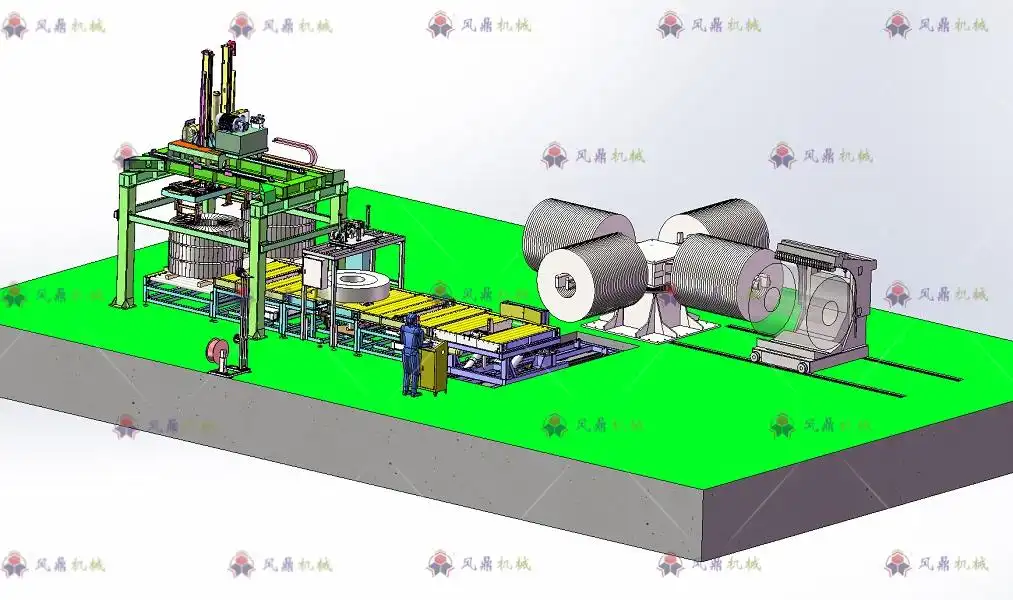
At FHOPEPACK, we have seen countless clients, especially those in demanding sectors like steel processing, struggle with the consequences of reactive maintenance. Waiting for a machine to fail before fixing it is a recipe for disaster. My own experience in the packing machine industry showed me that a planned approach always yields better results. This ensures your investment continues to pay off.
1. Reducing Unscheduled Downtime and Production Losses
When a strapping machine stops, your entire packing line can come to a halt. This leads to missed production targets. For operations running 24/7, like many steel mills, even short stoppages accumulate significant losses quickly.
- Cost Implications: Each hour of downtime can cost thousands in lost output and labor. Imagine a steel factory like Ivan’s, producing various coils. A single machine failure could delay dispatch for hundreds of tons of material.
- Delivery Delays: Unscheduled stops directly impact delivery schedules. This can lead to penalties and damage customer relationships. Clients expect their orders on time, every time.
- Bottleneck Creation: The strapping unit is often the final stage before storage or shipping. A problem here creates a bottleneck for all upstream processes. This means coils pile up, wasting valuable space and time.(operational continuity, production uptime, cost of downtime)
2. Ensuring Consistent Packaging Quality and Product Protection
Strapping equipment ensures that heavy products like steel coils are securely bundled. This protects them during handling and transport. Poorly maintained equipment performs inconsistently. This leads to loose straps or damaged packaging.
- Product Integrity: Uneven tension or faulty sealing mechanisms can compromise the package’s integrity. This leaves products vulnerable to damage, rust, or moisture ingress, especially for high-value items like cold-rolled or galvanized coils.
- Customer Satisfaction: Customers, particularly export clients with strict CE/ISO certification requirements, demand perfect packaging. Issues here lead to complaints, returns, and even contract disputes. Ivan knows this well.
- Brand Reputation: Consistent quality reflects well on your brand. Packaging is the last thing your customer sees before using your product. It shapes their perception of your company.(packaging integrity, quality control, customer trust)
3. Extending Equipment Lifespan and Optimizing Return on Investment
Strapping machines are significant capital investments. Regular maintenance protects this investment. It slows down wear and tear on components. This helps the equipment last longer.
- Component Longevity: Lubricating moving parts, cleaning debris, and replacing worn items before they fail prevents cascading damage. This increases the life of expensive components like strapping heads.
- Reduced Capital Expenditure: By extending the life of your machines, you delay the need for costly replacements. This allows you to allocate capital to other areas of your business growth.
- Resale Value: Well-maintained equipment holds a better resale value. This is important if you plan to upgrade or replace your machinery in the future.(equipment longevity, asset protection, capital efficiency)
4. Enhancing Workplace Safety and Reducing Labor Intensity
Automated strapping equipment significantly reduces the need for manual handling of heavy coils. But a malfunctioning machine can pose new risks.
- Injury Prevention: Loose straps or unpredictable machine movements can cause severe injuries to operators. Regular checks ensure all safety features function correctly.
- Reduced Strain: Proper machine function means less manual intervention for operators. This reduces physical strain and the risk of repetitive motion injuries, addressing concerns like high employee turnover in physically demanding roles.
- Compliance: Adhering to safety standards through proper maintenance ensures a safe working environment. This avoids legal issues and fines.(worker safety, ergonomic benefits, compliance standards)
What Are the Different Types of Maintenance Strategies for Industrial Strapping Machines?
Are you running your strapping equipment until it breaks, hoping for the best? This “run-to-failure” approach is costly and inefficient, especially for steel mills that operate 24/7. It can lead to unpredictable downtime and huge repair bills. Businesses need a more structured approach to keep their critical machines running smoothly and reliably. (maintenance planning, operational reliability, equipment management)
Industrial strapping machines benefit from a combination of maintenance strategies: preventive, predictive, and corrective maintenance. Preventive maintenance involves scheduled inspections and servicing to avoid failures. Predictive maintenance uses data to forecast potential issues, allowing for targeted interventions. Corrective maintenance addresses breakdowns when they occur. An integrated approach minimizes downtime, optimizes performance, and extends equipment lifespan, making it essential for high-throughput environments like steel coil packing. (scheduled maintenance, data-driven maintenance, reactive repair)
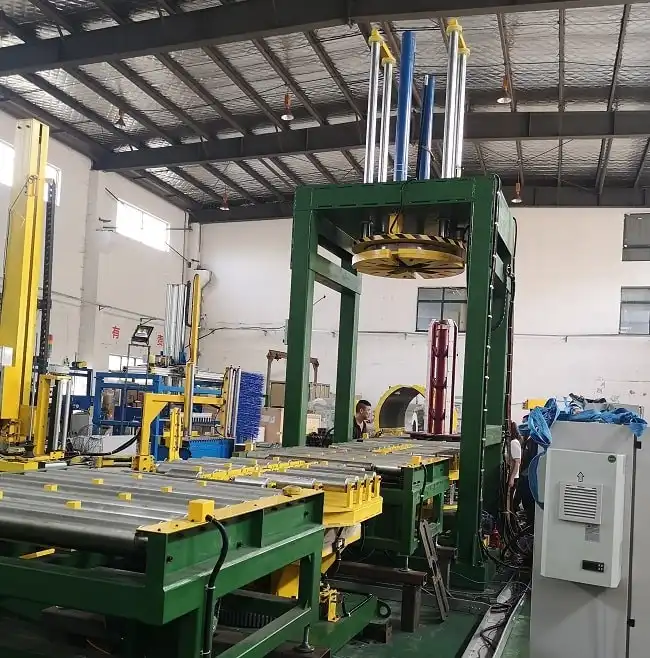
My years in the packing machine industry taught me that a well-defined maintenance strategy is not a luxury. It is a necessity. From my days on the factory floor to leading FHOPEPACK, I have seen how a strategic approach transforms operations. It moves them from constant firefighting to smooth, efficient production. Let us explore these key strategies.
1. Preventive Maintenance (PM): The Proactive Approach
Preventive maintenance is like getting regular oil changes for your car. You do it to prevent bigger problems down the road. It involves scheduled inspections, adjustments, cleaning, lubrication, and part replacements. This happens whether the machine shows signs of wear or not.
- Scheduled Tasks: Create a detailed checklist based on manufacturer recommendations and operational hours. This includes daily, weekly, monthly, and annual tasks.
- Benefits: This reduces the chance of unexpected failures. It also prolongs the life of the equipment. It ensures consistent performance and minimizes emergency repairs. For Ivan, this means fewer production interruptions and more stable output.
- Examples: Regularly checking strap tension, cleaning dust and debris from the strapping head, lubricating moving parts, and inspecting electrical connections.(scheduled maintenance, proactive equipment care, routine inspections)
2. Predictive Maintenance (PdM): Data-Driven Insight
Predictive maintenance takes preventive maintenance a step further. It uses data and technology to monitor the condition of equipment in real-time. This helps predict when a component might fail. You perform maintenance only when it is actually needed, not on a fixed schedule.
- Technology Used: This includes vibration analysis, thermal imaging, acoustic monitoring, and oil analysis. Sensors collect data, which software then analyzes.
- Benefits: It minimizes unnecessary maintenance. It helps prioritize repairs. It significantly reduces downtime by allowing maintenance to be scheduled during planned breaks. This is highly effective for critical components in 24/7 operations.
- Examples: Monitoring the temperature of motors or the vibration levels of the strapping head. Unusual readings can indicate impending failure. This allows for proactive replacement before a total breakdown.(condition monitoring, data analytics, smart maintenance)
3. Corrective Maintenance (CM): The Reactive Fix
Corrective maintenance is what most people think of when they hear “repair.” It happens when a machine breaks down or malfunctions. The goal is to fix the problem and get the equipment running again as quickly as possible.
- Unplanned Repairs: This is typically an unplanned activity. It often requires immediate attention.
- Drawbacks: While necessary for unexpected failures, relying solely on corrective maintenance is inefficient. It leads to high costs, significant downtime, and potential safety risks. It creates a stressful “break-fix” cycle.
- When It’s Needed: It is appropriate for non-critical components where the cost of preventive or predictive maintenance outweighs the risk of failure. However, for critical strapping equipment, it should be a last resort.(emergency repairs, reactive approach, breakdown maintenance)
4. Integrating Strategies for Optimal Performance
The best approach often combines these strategies.
- Critical Components: Use preventive and predictive maintenance for critical parts of your strapping equipment. This includes the strapping head, tensioning system, and cutters.
- Non-Critical Components: For less critical parts, a more reactive approach might be acceptable.
- Overall System: Develop a comprehensive maintenance program that aligns with your production goals. This helps minimize costs and maximize uptime. At FHOPEPACK, we design our machines, like our advanced coil packing lines, with ease of maintenance in mind. This helps our clients achieve superior operational stability, whether they are in Russia or anywhere else globally.(integrated maintenance, strategic planning, operational optimization)
Which Key Components of Strapping Equipment Require Regular Inspection and Service?
Is your strapping machine making strange noises or producing inconsistent bundles? Neglecting specific parts can quickly lead to bigger problems. In a demanding production environment, knowing which components need regular attention is key. This helps avoid costly failures and ensure smooth operations. Ivan, who manages a huge steel factory, cannot afford to overlook even small details. (critical component maintenance, equipment inspection, machine reliability)
Regular inspection and service are vital for several key components of strapping equipment to ensure its efficiency and longevity. These critical parts include the strapping head (tensioning, sealing, cutting mechanisms), strap guides, feed wheels, electrical systems, and pneumatic/hydraulic components. Focusing on these areas during routine maintenance helps prevent malfunctions, ensures consistent strap tension and seal integrity, and maintains overall operational reliability in high-volume industrial settings. (strapping machine parts, routine servicing, operational integrity)

My years designing and building packing machines taught me that even the most robust equipment has wear parts. Understanding these vulnerable points is the first step toward effective maintenance. It is about being smart and strategic, not just reactive. Let us look at what needs your regular attention.
1. The Strapping Head: The Heart of the Machine
The strapping head is the most complex and critical part of the equipment. It performs the core functions: tensioning, sealing, and cutting the strap.
- Tensioning Mechanism:
- Inspection: Check for wear on tension rollers and gears. Listen for unusual noises. Ensure proper strap grip.
- Service: Clean off strap dust and debris. Lubricate per manufacturer instructions. Adjust tension settings as needed. Worn tensioners lead to loose straps, a major issue for heavy steel coils.
- Sealing Mechanism (Welding Unit):
- Inspection: For friction weld heads, check weld jaws for wear, dirt, or damage. For heat seal heads, inspect heating elements and plates.
- Service: Clean carbon buildup or plastic residue. Ensure proper alignment. Replace worn jaws or elements. A poor seal can cause packages to come apart during transport.
- Cutting Mechanism:
- Inspection: Check blades for dullness, nicks, or damage.
- Service: Clean and lubricate the cutter. Replace blades regularly. A dull blade can lead to frayed straps or incomplete cuts.(strapping head maintenance, tensioner inspection, sealing mechanism care)








