
What Key Technical Features Should Romanian Engineers Look for in a Horizontal Orbital Wrapper?
Is your factory in Romania struggling with slow, unsafe, or inefficient packing of long products like coils or pipes? Manual wrapping methods are not only time-consuming and costly but also put your workers at serious risk of injury and lead to damaged goods. Investing in a horizontal orbital wrapper is the answer, but knowing what specific technical features truly matter is key to making the right choice.
Romanian engineers seeking to optimize their packing lines should prioritize horizontal orbital wrappers with robust construction, advanced automation for high efficiency, comprehensive safety mechanisms to protect workers, and versatile customization options for seamless integration into existing workflows. These features ensure long-term reliability, reduce operational costs, and enhance overall productivity, making your investment truly worthwhile.

From my years building and running packing machine factories, I have learned that the right machine does more than just wrap; it transforms your operation. Let us explore the critical technical features that make a horizontal orbital wrapper a valuable asset for any modern Romanian factory.
Robust Construction and Durability?
Have you ever invested in new equipment, only to see it break down quickly under demanding factory conditions? Cheaply built machines lead to constant downtime, costly repairs, and significant production losses, destroying your ROI. For Romanian factories, a horizontal orbital wrapper must be built to last, handling heavy loads and continuous operation without fail.
A horizontal orbital wrapper designed for Romanian industrial environments must feature a heavy-duty steel frame, high-quality, corrosion-resistant components, and a sealed design that protects internal parts from dust and debris, ensuring long-term operational stability and minimal wear in harsh conditions.

When I started my packing machine factory, one of the first lessons I learned was the value of solid construction. Many suppliers cut corners, using lighter materials or cheaper components. This might save a little money upfront, but it costs you much more in the long run. For Romanian engineers, choosing a horizontal orbital wrapper means looking beyond the initial price tag. The machine’s frame should be made from thick, structural steel. This is not just about weight; it is about resisting twisting and bending under the stress of wrapping heavy coils or long pipes. Think about the vibrations, the constant motion, and the sheer weight these machines handle day in and day out. A weak frame will lead to misalignment, increased wear on moving parts, and frequent breakdowns.
Beyond the frame, look at the quality of the components. Are the rollers, bearings, and motors from reputable manufacturers? These parts work hardest. They need to withstand continuous operation. For example, if the machine uses standard bearings in a dusty environment, they will fail quickly. Sealed, heavy-duty bearings are a must. The wrapping ring itself is another critical part. It spins fast and handles the tension of the film. It must be precisely machined and balanced. Materials should resist rust and abrasion, especially if your factory deals with steel or other metals. Environmental factors also play a big role. Is your factory humid? Is there metal dust in the air? The machine should have electrical cabinets that are properly sealed, with an IP rating that matches your factory’s conditions. This protects sensitive electronics from moisture and dust, preventing short circuits and system failures. When I built my own factory, I always insisted on these robust standards. It was the only way to ensure our clients received machines that would actually help their businesses grow, not hinder them with endless repairs.
Advanced Automation and Efficiency Features?
Is your current packing process slow, manual, and eating into your production time and profits? Relying on manual labor for packing heavy products is not only inefficient but also a major bottleneck that prevents your factory from reaching its full output potential. A horizontal orbital wrapper with advanced automation is essential to streamline your operations, boosting speed and throughput dramatically.
To enhance efficiency, Romanian engineers should seek horizontal orbital wrappers equipped with automatic film clamping and cutting, programmable logic controllers (PLCs) for custom wrapping recipes, and automatic product feeding and discharge systems, which collectively minimize manual intervention, increase wrapping speed, and ensure consistent package quality.
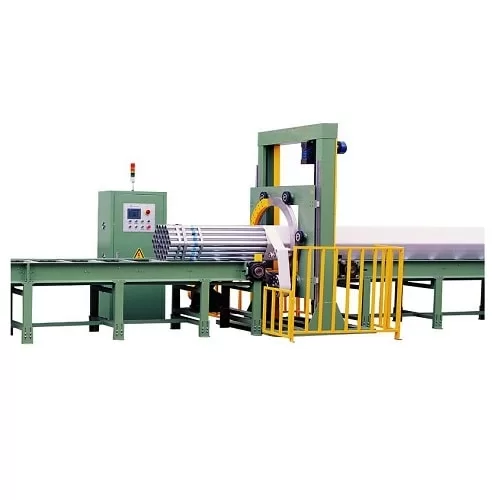
Automation is the cornerstone of modern industrial efficiency. When I first started in this industry, manual packing was common. But as factories grew, it became clear that human hands could not keep up. A good horizontal orbital wrapper brings intelligence to your packing line. The most basic automation feature is automatic film clamping and cutting. This might sound small, but it saves immense time. Imagine a worker having to cut the film manually after every single wrap. That adds up to hours over a shift, slowing down your entire operation. Automated systems do this seamlessly, ensuring a clean finish and consistent film usage.
Next, consider the machine’s control system. A robust PLC (Programmable Logic Controller) is vital. This allows you to program different wrapping recipes based on the product’s size, weight, and desired protection level. You might need more layers for heavy steel coils and fewer for lighter bundles of pipes. A smart PLC lets you switch between these settings with ease, reducing setup time and operator error. Some advanced systems even integrate with your factory’s existing ERP or MES systems. This means the wrapper can receive instructions directly from your production schedule, further automating the process and reducing human input.
Another key aspect is how the product enters and exits the machine. Look for wrappers that offer automatic feeding and discharge conveyors. For heavy coils, this is not just about speed; it is about safety. Manual handling of such heavy items is extremely dangerous. An integrated conveyor system ensures a smooth, continuous flow of products, minimizing the need for forklifts or overhead cranes at the wrapping station. This continuous flow is what truly eliminates bottlenecks at the end of your production line. It means finished products move faster from the wrapping station to storage or shipping. When I helped clients optimize their factories, we always focused on this end-to-end automation. It is where the biggest gains in productivity and safety often come from. It is about making the machine a seamless part of your entire manufacturing flow, not just an isolated piece of equipment.
Comprehensive Safety Mechanisms?
Are your workers constantly at risk during the packing process due to heavy lifting and moving parts? High rates of workplace injuries not only cause immense human suffering but also lead to increased insurance costs, lost productivity, and high employee turnover for your factory. Prioritizing a horizontal orbital wrapper with comprehensive safety mechanisms is not just good practice; it is critical for protecting your workforce and your business.
For Romanian engineers, crucial safety features on a horizontal orbital wrapper include emergency stop buttons readily accessible, safety light curtains or interlocked guarding around moving parts, and overload protection for motors, all designed to prevent worker injury, minimize machine damage, and ensure compliance with European safety standards.

Safety should never be an afterthought, especially in heavy industries. My experience has shown me that neglecting safety leads to catastrophic consequences. Factories need to protect their most valuable asset: their people. A well-designed horizontal orbital wrapper incorporates multiple layers of safety. First and foremost, emergency stop buttons must be clearly marked and easily accessible from all sides of the machine. These are not just regulatory requirements; they are the last line of defense in an emergency. Beyond simple E-stops, look for more sophisticated safety interlocks. For example, if a guard door is opened while the machine is running, the machine should immediately stop. This prevents operators from reaching into dangerous moving parts.
Light curtains are another excellent safety feature. These invisible beams create a protective barrier. If a worker breaks the beam, the machine instantly shuts down. This is crucial for areas where operators might need to approach the machine for adjustments or maintenance. Overload protection for motors and electrical components is also important. This protects the machine itself from damage, but it also prevents hazards like overheating or electrical fires. Think about the sheer force involved in wrapping heavy steel coils. If the machine jams or tries to operate beyond its capacity, the motors can overheat and burn out. Overload protection prevents this.
For Romanian factories, it is also important to consider compliance with European Union safety directives, such as the Machinery Directive. Any machine you invest in should meet these standards, indicated by a CE mark. This ensures the manufacturer has taken necessary steps to design and build a safe machine. When I was setting up my own factory, I invested heavily in safety protocols and equipment. It wasn’t just about meeting regulations; it was about creating a workplace where my employees felt secure. This commitment to safety reduces accidents, improves morale, and ultimately leads to a more stable and productive workforce. A machine that prioritizes safety is a machine that helps your business thrive sustainably.
Customization and Integration Capabilities?
Does your factory have unique product dimensions or an existing production line that a standard packing machine just cannot fit into? Buying a “one-size-fits-all” wrapper can create new bottlenecks or require expensive, disruptive modifications to your existing setup, wasting time and money. A horizontal orbital wrapper with strong customization and integration capabilities ensures it perfectly matches your specific operational needs and factory layout.
Romanian engineers should look for horizontal orbital wrappers offering customizable ring diameters and conveyor lengths, adjustable film tension systems, and the ability to integrate with existing conveyor lines, allowing the machine to precisely handle diverse product sizes and shapes while seamlessly fitting into the factory’s unique workflow.
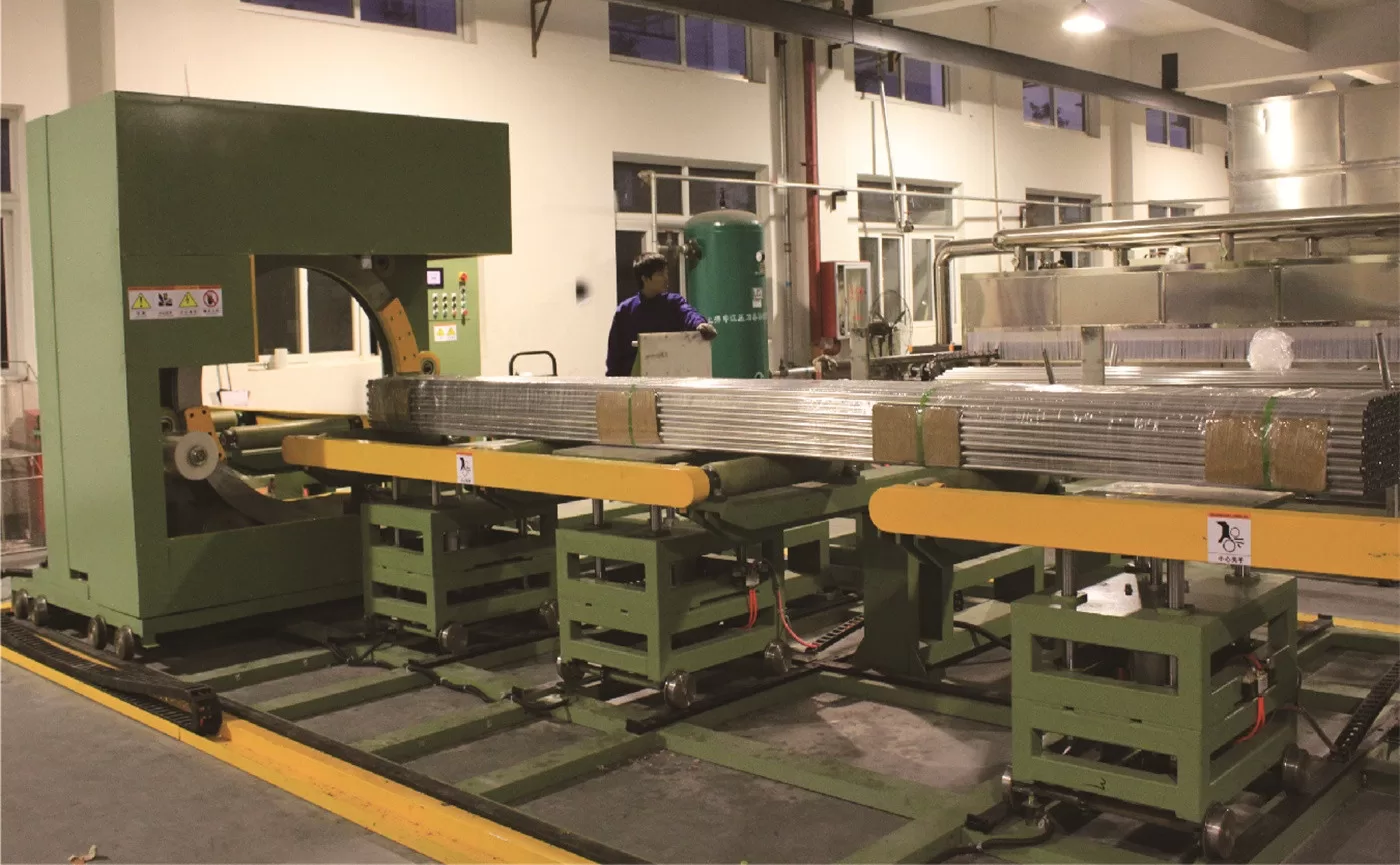
No two factories are exactly alike. What works perfectly for one might not work for another. This is where customization and integration become vital. When I worked with clients, I often found that their products, factory layouts, or existing material handling systems were unique. A generic horizontal orbital wrapper might not fit. The first area of customization is the machine’s size. The wrapping ring diameter needs to match the largest product you intend to wrap. If you wrap a mix of small and large coils, the machine must accommodate both efficiently. Similarly, the height and width of the conveyor system must align with your existing production line. You do not want a huge gap or a height difference that requires manual lifting or additional equipment.
Beyond physical dimensions, consider the wrapping parameters. Can the machine adjust film tension easily? Different products or different film types might require varying tension for optimal wrapping. Some machines offer pre-stretch capabilities, which stretches the film before it is applied. This saves film, reduces costs, and provides a tighter, more secure wrap. The ability to program different wrapping patterns or overlap percentages is also very useful. This allows you to tailor the protection level for each product, reducing film waste on items that need less protection and ensuring adequate coverage for more fragile or valuable goods.
Integration with your factory’s broader automation system is also key. Can the wrapper communicate with upstream or downstream equipment? For example, can it signal the upstream conveyor to stop when the wrapping cycle begins, or can it notify the downstream system when a finished package is ready? This level of communication ensures a smooth, uninterrupted flow of products through your entire facility. It prevents pile-ups and idle time. My own journey, from an employee to a factory owner, taught me that understanding a client’s specific operational context is crucial. A machine should adapt to your factory, not the other way around. Investing in a wrapper that offers these customization and integration features ensures you get a solution that truly enhances your specific production process, leading to greater efficiency and a quicker return on your investment.
My Insights!
From my long journey in the packing machine industry, I have seen many factories make common mistakes. They often focus only on the lowest price. But this can lead to big problems later. A cheap machine might break down often. It might not be safe. Or it might not work well with your other machines. My advice to Romanian engineers is simple: look at the total value. Consider the machine’s lifespan, its safety features, and how much it will truly save you in labor and product damage. A higher upfront cost for a quality machine often means much lower operating costs and far fewer headaches over the years. I built my business on providing reliable, high-performing machines, because I know that is what truly helps businesses grow. Do not compromise on quality or safety.
Conclusion
Romanian engineers must prioritize robust construction, advanced automation, comprehensive safety, and customization in horizontal orbital wrappers. These features secure efficiency, safety, and a strong return on investment for your factory.








