

What Key Technical Features Should Greek Engineers Look for When Selecting an Orbital Wrapping Machine?
Are you a Greek engineer, or perhaps a factory manager like Michael Chen, constantly facing pressure to improve your plant’s output and lower costs? Do you worry about your current packing process being slow, unsafe, or even damaging your valuable products? I have seen these problems many times in my career. Manual packing methods not only slow down your whole operation but also put your workers at risk. They can also lead to damaged goods, costing you money and client trust. Choosing the right equipment is not just about buying a machine; it is about finding a solution that makes your entire factory better.
The best orbital wrapping machines offer a mix of robust construction, high automation levels, essential safety features, and flexible operation. These technical aspects ensure the machine can handle demanding industrial environments, boost efficiency, protect workers, and adapt to different product sizes. This focus helps businesses, including those in Greece, meet their production targets, reduce costs, and improve safety at the same time.
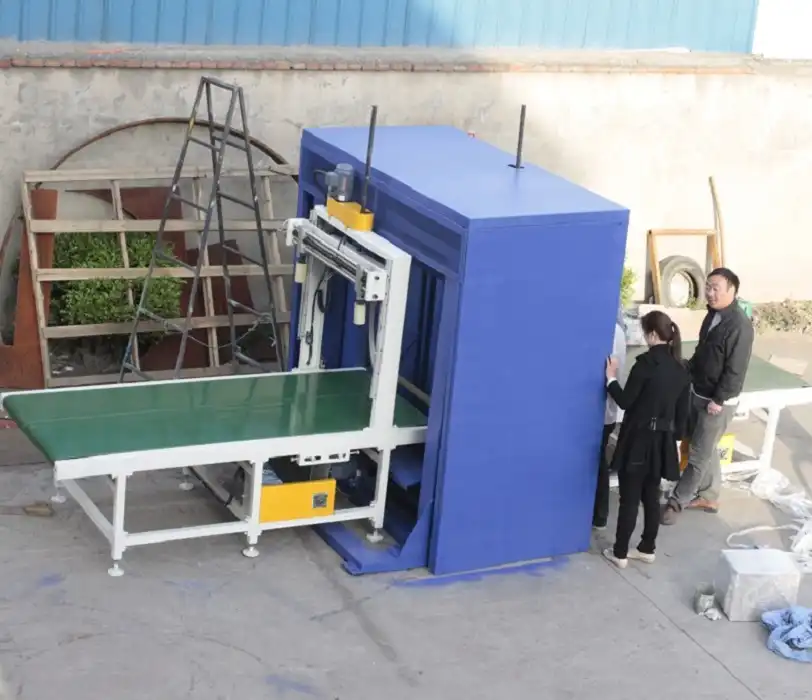

You are not alone in seeking better ways. I know what it means to run a factory, to watch every detail, and to push for growth. From my early days as an employee to building my own successful packing machine factory, I learned that the right equipment changes everything. It is not just about the machine; it is about the right partner and the right features. Let us look deeper into what really matters when you choose an orbital wrapping machine.
How Does Machine Durability and Build Quality Impact Long-Term Operations?
Does the idea of frequent machine breakdowns keep you up at night? Do you worry that a new machine might not withstand the harsh conditions of your factory floor, leading to costly downtime? I know this feeling well. When I was building my own factory, unreliable machines were a major concern. They created bottlenecks and caused huge financial losses. This is why I always prioritize machines that are built to last.
Machine durability and build quality directly impact a factory’s long-term operational costs and overall productivity. A well-built orbital wrapping machine, featuring heavy-duty steel construction, high-quality components, and a design that minimizes wear and tear, ensures fewer breakdowns. This leads to higher uptime, lower maintenance costs, and a more consistent production flow, which is vital for any factory aiming for sustained growth.


When we talk about durability, we are not just talking about the machine itself. We are talking about the core of your operation. For Greek engineers, who often work in demanding industrial environments, every part of a machine needs to stand up to heavy use. I have seen how a small failure can halt an entire production line. This costs valuable time and money. Think about the materials used in the machine’s frame. Is it heavy-duty steel? Does it have a strong, welded structure? These details matter. For example, the turntable and film carriage system are always moving parts. They need to be robust. Look for systems with high-quality bearings and motors. These parts handle the constant rotation and tensioning of the film. If they fail, your wrapping stops. Another key area is the electrical components. Are they industrial-grade? Can they handle dust, humidity, or temperature changes in your factory? Cheap electrical parts often fail first. This causes unexpected downtime. Also, consider the type of paint or coating on the machine. Does it resist corrosion, especially in a factory where metal dust or chemicals might be present? A machine built with poor quality materials might save you money at first. But it will cost you much more in repairs and lost production later on. This is why investing in quality from the start is so important. It protects your investment and keeps your operations smooth.
Key Aspects of Durability and Build Quality
| Feature | Importance for Operations | Why it Matters |
|---|---|---|
| Heavy-Duty Frame | Ensures structural integrity and stability. | Prevents warping or damage from heavy loads and constant vibration. This means the machine will last longer and work better. |
| Industrial-Grade Components | Reduces failure rates of critical moving parts. | Motors, gears, and bearings must withstand continuous operation. High-quality parts mean fewer stops for repairs. This keeps production moving. |
| Corrosion Resistance | Protects against environmental degradation. | Prevents rust and material breakdown, especially in humid or dusty industrial settings. This extends the machine’s life. It also keeps maintenance costs down. |
| Robust Film Carriage System | Maintains consistent film tension and application. | Essential for secure wrapping and preventing product damage. A strong system avoids common wrapping issues. This includes film tearing or uneven tension. |
| Quality Electrical Systems | Ensures reliable power and control. | Industrial-grade wiring, sensors, and PLCs prevent electrical failures. These failures can be hard to diagnose. They cause long periods of downtime. Reliable electrics make sure the machine runs consistently. |
| Easy Access for Maintenance | Speeds up routine checks and repairs. | A good design allows quick access to wear parts. This makes maintenance faster and easier. It also reduces the time the machine is not running. |
| Modular Design | Allows for easier part replacement and upgrades. | Helps to keep the machine running for many years. You can swap out sections instead of replacing the whole machine. This saves money in the long run. |
What Automation Levels and Speed Features Offer the Best ROI for Production?
Are you still relying on manual labor for your coil and wire packing? Do you see how slow this process is, creating bottlenecks that hurt your overall production speed? For factory managers like Michael Chen, this can be a major headache. I remember when I first started, manual packing was a huge drain on time and resources. It directly impacted our delivery times and profit margins.
The best orbital wrapping machines offer high levels of automation and speed features. These features include automatic film clamping and cutting, integrated conveying systems, and adjustable wrapping cycles. These technical capabilities greatly reduce the need for manual intervention, speed up the packing process, and ensure consistent wrap quality. This leads to a quick return on investment (ROI) through lower labor costs, increased throughput, and fewer production delays for businesses.
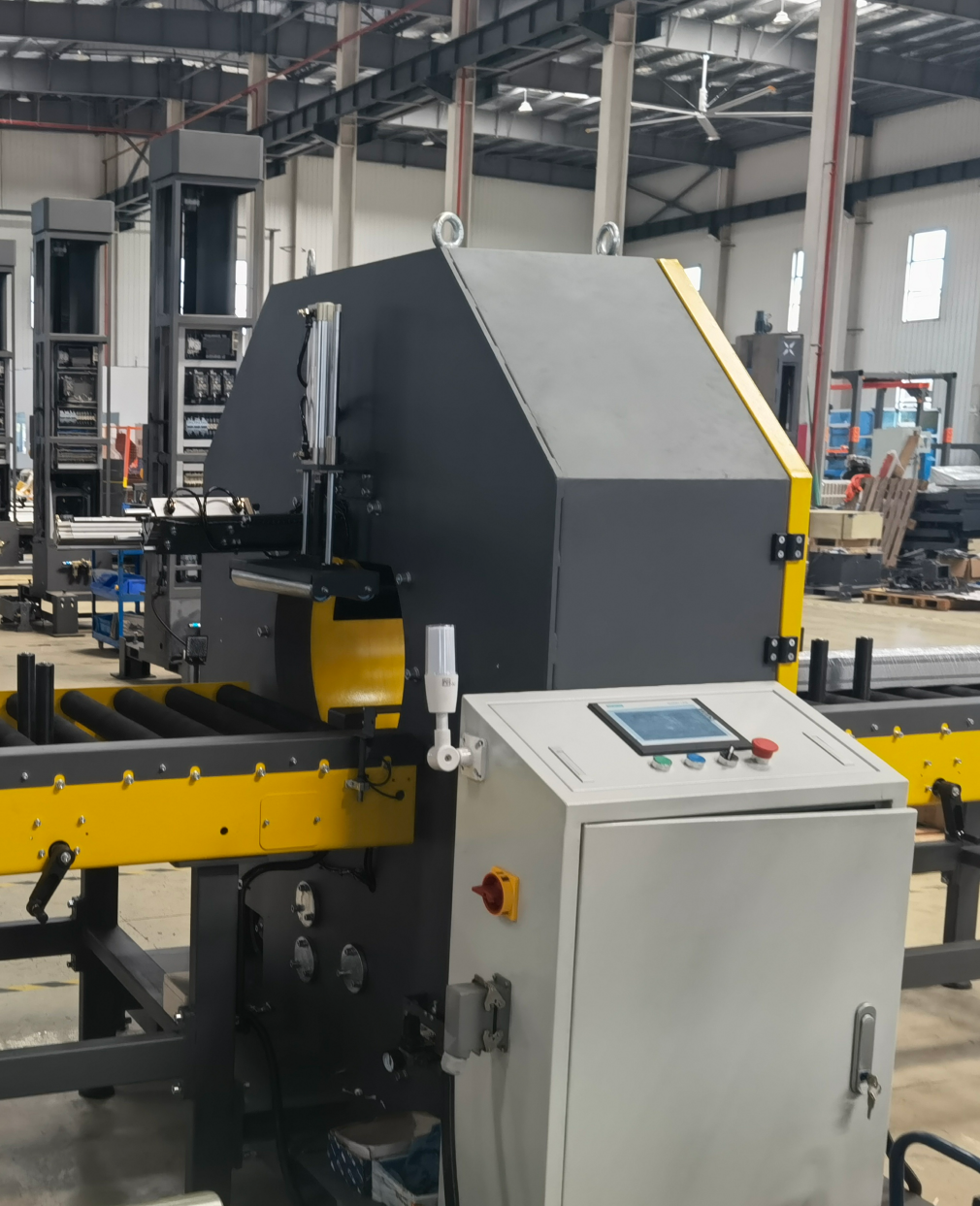

When we talk about automation, we are talking about making your production line smarter and faster. For engineers in Greece and other industrial hubs, understanding the ROI of automation is key. It is not just about buying a machine; it is about how much that machine will save you and earn you over time. Think about how much time your workers spend manually wrapping products. An automated orbital wrapper can do this job much faster and without breaks. It can work all day, every day. This directly boosts your output. Features like automatic film feeding and cutting are very important. They mean your workers do not have to touch the film at all. This saves time and makes the process safer. Another big point is the wrapping speed. Can the machine adjust its speed? Can it handle different numbers of wraps per product? A machine that can wrap a coil in seconds instead of minutes saves a lot of time over a shift. Integrated conveying systems are also a game-changer. These systems move products into and out of the wrapper without human hands. This removes another bottleneck. It also reduces the risk of injury from heavy lifting. When you combine these features, you get a continuous, high-speed packing line. This means more products shipped, faster. This directly increases your profits. It also frees up your skilled workers to do more complex tasks. That is a real win for any factory.
Measuring ROI from Automation and Speed Features
| Feature | Impact on Efficiency and ROI | What to Look For |
|---|---|---|
| Automatic Film Clamp & Cut | Eliminates manual film handling; saves time per wrap. | Machines that automatically start and end the film cycle. This reduces labor. It also makes the wrap cleaner. |
| Adjustable Wrapping Speed | Optimizes throughput for various product types and production demands. | A control panel that lets you set wraps per minute or cycles per hour. This allows for flexibility. It also matches your production needs. |
| Integrated Conveyor System | Automates product loading and unloading; removes bottlenecks. | Systems that link directly with your existing production line. This ensures a smooth flow of products. It also minimizes manual intervention. |
| Programmable Wrapping Cycles | Ensures consistent wrap quality; reduces material waste. | The ability to save different wrapping patterns for various products. This saves time for setup. It also makes sure every product is wrapped correctly. |
| High-Efficiency Motors | Lowers energy consumption; reduces operating costs. | Look for motors that are energy-rated. This can save a lot of money on electricity over time. It also reduces your carbon footprint. |
| One-Touch Operation | Simplifies user interaction; reduces training time and potential errors. | A straightforward interface where operators can start a pre-programmed cycle with a single button. This improves efficiency. It also reduces mistakes. |
| Automatic Product Sensing | Ensures correct positioning and wrapping for different product sizes without manual setup. | Sensors that detect the product’s presence and dimensions. This automatically adjusts the wrapping parameters. It prevents errors. It also maximizes throughput. |
Which Integrated Safety Systems Are Essential for Protecting Workers?
Are you concerned about the high risk of injury that comes with manually handling heavy products in your factory? Does the thought of worker accidents, rising insurance costs, and staff turnover weigh heavily on you? This was a big issue for my clients, and it was something I prioritized when designing my own factory. Worker safety is not just a moral obligation; it is also critical for a stable and productive workforce.
Essential safety systems in an orbital wrapping machine include emergency stop buttons, safety guarding (interlocked doors and light curtains), and automatic fault detection. These technical features are designed to minimize human interaction with moving parts, prevent accidents, and quickly shut down the machine in unsafe conditions. These systems protect workers, reduce the risk of injuries, and help factories meet strict safety regulations, creating a safer work environment for all.
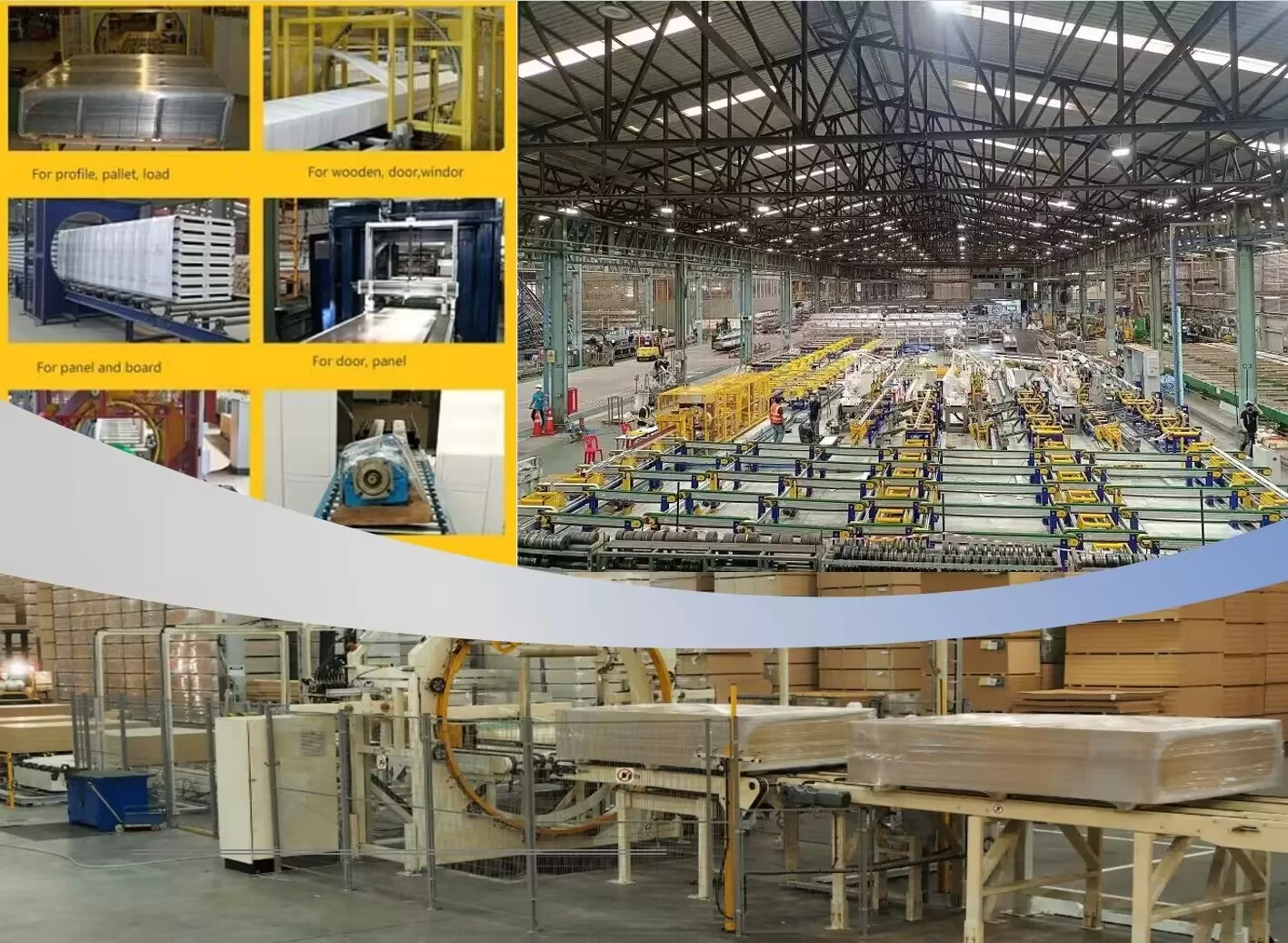

When I think about safety in a factory, I always put people first. For engineers, especially in demanding industries, safety features are not optional; they are a must. I have seen how one accident can disrupt an entire factory. It can also create a negative atmosphere for workers. A good orbital wrapping machine integrates safety from its very design. First, look for machines with clearly marked emergency stop buttons. These buttons should be easy to reach from multiple points around the machine. They should also immediately cut all power to the machine when pressed. This is a basic but very important safety feature. Second, safety guarding is critical. This includes physical barriers around moving parts. These barriers should have interlocked doors. This means the machine cannot run if a door is open. Light curtains are another key safety feature. These create an invisible barrier of light beams. If a worker breaks this beam, the machine stops instantly. This prevents access to dangerous areas while the machine is running. Third, automatic fault detection systems are very important. These systems constantly monitor the machine for problems. For example, if a motor overheats or if the film tension is wrong, the machine should alert the operator or stop itself. This prevents damage to the machine. It also prevents potential safety hazards. Also, consider anti-crushing sensors. These sensors detect if a person or object is in a path where heavy parts might move. They stop the movement to prevent injury. A machine with these systems shows that the manufacturer cares about worker well-being. This is a sign of a reliable partner. It also helps your factory meet safety standards.
Core Safety Features in Orbital Wrappers
| Safety Feature | Function | Benefit for Workers and Operations |
|---|---|---|
| Emergency Stop Buttons | Instantly halts all machine operations. | Provides immediate shutdown in an emergency. This prevents serious injuries. It is placed in easily accessible spots. This allows quick reaction. |
| Safety Guarding / Interlocked Doors | Prevents access to hazardous moving parts during operation. | Physical barriers with sensors ensure the machine cannot run if guards are open. This protects workers from rotating arms or conveyors. It also stops unauthorized access to dangerous zones. |
| Light Curtains / Safety Scanners | Creates an invisible detection field around the machine. | Stops the machine immediately if a person enters the restricted area. This is ideal for high-traffic zones. It provides an extra layer of protection. This is especially true when loading or unloading products. |
| Automatic Fault Detection | Monitors machine health; identifies and signals operational anomalies. | Alerts operators to problems like motor overheating or film breaks. This prevents machine damage. It also prevents potential safety issues before they become critical. |
| Anti-Crushing Sensors | Detects obstacles in the path of moving components. | Prevents crushing injuries by stopping movement if a person or object is detected. This is vital for areas where products are loaded or transferred. |
| Clear Warning Labels | Informs operators about potential hazards. | Ensures workers are aware of risks like rotating parts, pinch points, or electrical dangers. This promotes safe operating practices. |
| Two-Hand Control Systems | Requires operators to use both hands to initiate certain dangerous movements. | Prevents operators from having a hand free to reach into a hazardous area while the machine is starting a cycle. This ensures both hands are out of harm’s way. |
How Can a Machine’s Flexibility Handle Diverse Product Sizes and Types?
Are you managing a factory that produces a variety of coil sizes, wire bundles, or other metal products? Do you find that your current packing equipment struggles to adapt to different dimensions, leading to manual adjustments or even product damage? I know that production lines rarely handle just one fixed product. My clients often deal with changing demands, and their machines need to keep up.
An orbital wrapping machine’s flexibility to handle diverse product sizes and types is crucial for modern manufacturing. Key technical features include adjustable wrapping ring diameters, customizable product guides, and programmable wrapping patterns. These features allow a single machine to efficiently wrap a wide range of products, from small wire coils to large steel bundles, without extensive manual reconfiguration. This flexibility maximizes machine utilization and reduces changeover times, greatly benefiting Greek factories with varied production needs.


When I help clients choose machines, I always ask about their future needs. Will they always produce the same exact product? Most of the time, the answer is no. A flexible machine can save you from buying multiple machines later. For engineers, understanding how a machine adapts is key. First, look at the wrapping ring diameter. Can it be adjusted? Or does the machine come in different sizes to fit your largest and smallest products? A machine that can handle a wide range of product diameters is very valuable. Second, consider the product guiding system. How does it support products of different shapes and sizes as they pass through the wrapping ring? Good machines have adjustable side guides or roller systems. These prevent products from shifting or falling during wrapping. This is especially important for delicate coil edges that can get damaged. Third, the ability to program different wrapping patterns is a major plus. You might need more layers of film for heavy, sharp-edged steel coils than for lighter, softer wire bundles. A control system that lets you save specific recipes for each product type means faster changeovers. It also ensures consistent wrap quality. Some advanced machines even have automatic product recognition. They can sense the product’s dimensions and automatically apply the correct wrapping program. This takes away the need for manual input. It reduces errors. This kind of flexibility makes your investment future-proof. It allows your factory to adapt to market changes more easily.
Technical Features for Product Flexibility
| Feature | Benefit for Diverse Products | Practical Application in a Factory |
|---|---|---|
| Adjustable Ring Diameter | Accommodates various product widths and heights through the wrapping ring. | A single machine can wrap both narrow wire coils and wide steel sheets. This eliminates the need for multiple specialized machines. |
| Customizable Product Guides | Supports and centers products of different shapes and sizes during wrapping. | Roller guides or side clamps adjust to fit round, square, or rectangular items. This prevents shifting. It also protects product integrity. |
| Programmable Wrap Patterns | Allows for specific wrapping configurations (e.g., number of layers, overlap) per product type. | Store settings for “Heavy Steel Coil,” “Light Wire Bundle,” etc. This ensures optimal protection for each product. It also reduces film waste. |
| Variable Speed Control | Adjusts wrapping speed to suit delicate or robust products. | Slower speeds for fragile items to prevent damage. Faster speeds for sturdy products to maximize throughput. This control makes the machine more versatile. |
| Automatic Height Detection | Senses product height and positions the wrapping ring correctly. | Reduces manual setup time. It ensures full coverage for tall items. It also prevents film waste for shorter items. |
| Film Pre-stretch System | Optimizes film usage and tension for different product requirements. | Allows for higher pre-stretch (more film savings) for rigid products. It uses lower pre-stretch for items that might be crushed. This protects the product. It also saves costs. |
| Open Frame Design | Easier loading and unloading of irregularly shaped or large products. | Provides clear access for forklifts or cranes. This simplifies handling. It also speeds up the process for awkward loads. |
Why is the Control System’s User Interface and Diagnostic Capability Important?
Have you ever struggled with a machine that has a confusing control panel? Do you find that diagnosing problems takes too long, leading to extended downtime and frustration? I know how critical it is for operators to quickly understand and use equipment. A poorly designed control system can make even the most advanced machine hard to manage.
A well-designed control system, featuring an intuitive user interface (HMI) and robust diagnostic capabilities, is vital for any orbital wrapping machine. These technical aspects simplify machine operation, reduce training time for operators, and enable quick identification and resolution of issues. This means less downtime, fewer errors, and a more efficient packing process for factories, which directly boosts productivity and lowers operational stress.
When I talk about a control system, I am really talking about the brain of the machine. For engineers, a good brain means smart operations. I learned that even the best hardware can be useless without good software. Think about your operators. They need to understand the machine quickly. An intuitive user interface (HMI), usually a touchscreen, makes this possible. It should be clear and simple. It should show important information at a glance. Can operators easily change wrapping patterns or adjust speed? Can they see the machine’s status? These things matter a lot. A complex interface leads to mistakes. It also slows down work. Beyond ease of use, diagnostic capability is a huge factor. When a machine stops, you need to know why. Does the control system tell you what is wrong? Does it give you clear error codes or messages? Does it suggest solutions? Machines with advanced diagnostics can save hours or even days of troubleshooting. For example, if a sensor fails, the system should tell you exactly which sensor failed and where it is. This is much better than guessing. Some systems even log past errors. This helps you spot recurring problems. Remote access capability is also a big plus. It means technicians can often diagnose issues from a distance. This reduces the need for on-site visits. It also speeds up repairs. A smart control system empowers your team. It keeps your production running smoothly.
Importance of Control System and Diagnostics
| Feature | Operational Benefit | Impact on Factory Efficiency and Maintenance |
|---|---|---|
| Intuitive User Interface (HMI) | Simplifies operation and reduces training time. | Operators can quickly learn to use the machine. This means fewer errors. It also ensures consistent production. A clear screen with simple icons is best. |
| Clear Error Codes/Messages | Enables quick identification of machine faults. | When something goes wrong, the machine tells you exactly what it is. This cuts down troubleshooting time. It helps get the machine back online faster. |
| Real-Time Diagnostic Data | Provides current status and performance metrics of the machine. | Operators can monitor film tension, motor speeds, and cycle counts. This helps prevent issues before they become problems. It also allows for proactive maintenance. |
| Programmable Logic Controller (PLC) | Ensures reliable and consistent machine control. | The core brain of the machine, handling complex sequences with precision. This leads to reliable and repeatable wrapping quality. It is also easier to integrate with other factory systems. |
| Recipe Management | Stores and recalls specific settings for different products. | Saves time during product changeovers. It ensures consistent wrapping for each item. This prevents mistakes. It also improves overall efficiency. |
| Remote Access Capability | Allows off-site support for troubleshooting and software updates. | Technicians can diagnose issues without coming to your factory. This saves time and money. It also speeds up repairs. It keeps your machine running with the latest software. |
| Data Logging & Analytics | Records operational data for performance analysis and predictive maintenance. | Helps identify trends in machine performance. This enables planned maintenance. It reduces unexpected breakdowns. You can see how much film is used. You can also track production numbers. |
My Insights!
In my years in the packing machine industry, from the factory floor to building my own successful company, I have learned one very important lesson. It is not just about the machine itself. It is also about the support and knowledge behind it. When I help clients grow their businesses, I see them look for a true partner. They want someone who understands their factory’s unique challenges. They want someone who offers real solutions, not just a sale.
For Greek engineers, or any factory manager, choosing an orbital wrapping machine is a big decision. Michael Chen’s concerns about efficiency, safety, product loss, and finding a trustworthy supplier are common. I have been there. I built my company, FHOPEPACK, on the idea of sharing knowledge. My goal is to make sure you get the right machine. It must solve your problems. It must also help your business grow.
When you look at different machines, think beyond the price tag. Consider the long-term value. Ask about the manufacturer’s experience. Do they truly understand coil packing and steel wire packing? Can they show you how their machine will address your specific bottlenecks? Do they have a track record of good after-sales service? These questions are key. I have always believed in giving back. This is why I share my expertise. I want to help you make informed choices. The right orbital wrapper can transform your operations. It can make them safer, more efficient, and more profitable. It is an investment that pays off when you choose wisely.
Conclusion
Choosing the right orbital wrapping machine for Greek engineers means looking at durability, automation, safety, and flexibility. These technical features, combined with strong support, ensure your factory achieves higher efficiency, greater safety, and long-term success.












