

What Key Technical Features Should Australian Engineers Compare When Selecting an Orbital Stretch Wrapper?
Does your factory struggle with slow packing lines? Are you worried about worker safety when handling heavy, awkward items like steel coils or wire bundles? Many factory managers, just like my friend Michael in Mexico, face these exact problems. He sees efficiency bottlenecks, high injury risks, and product damage eating into his profits. This is a common story I have heard from many clients. It makes them search for a better way.
Australian engineers looking for an orbital stretch wrapper should compare key technical features such as machine speed and throughput, safety mechanisms for operators, advanced film tension control, automation levels for product handling, and the overall build quality and component durability to ensure long-term reliability and a strong return on investment.
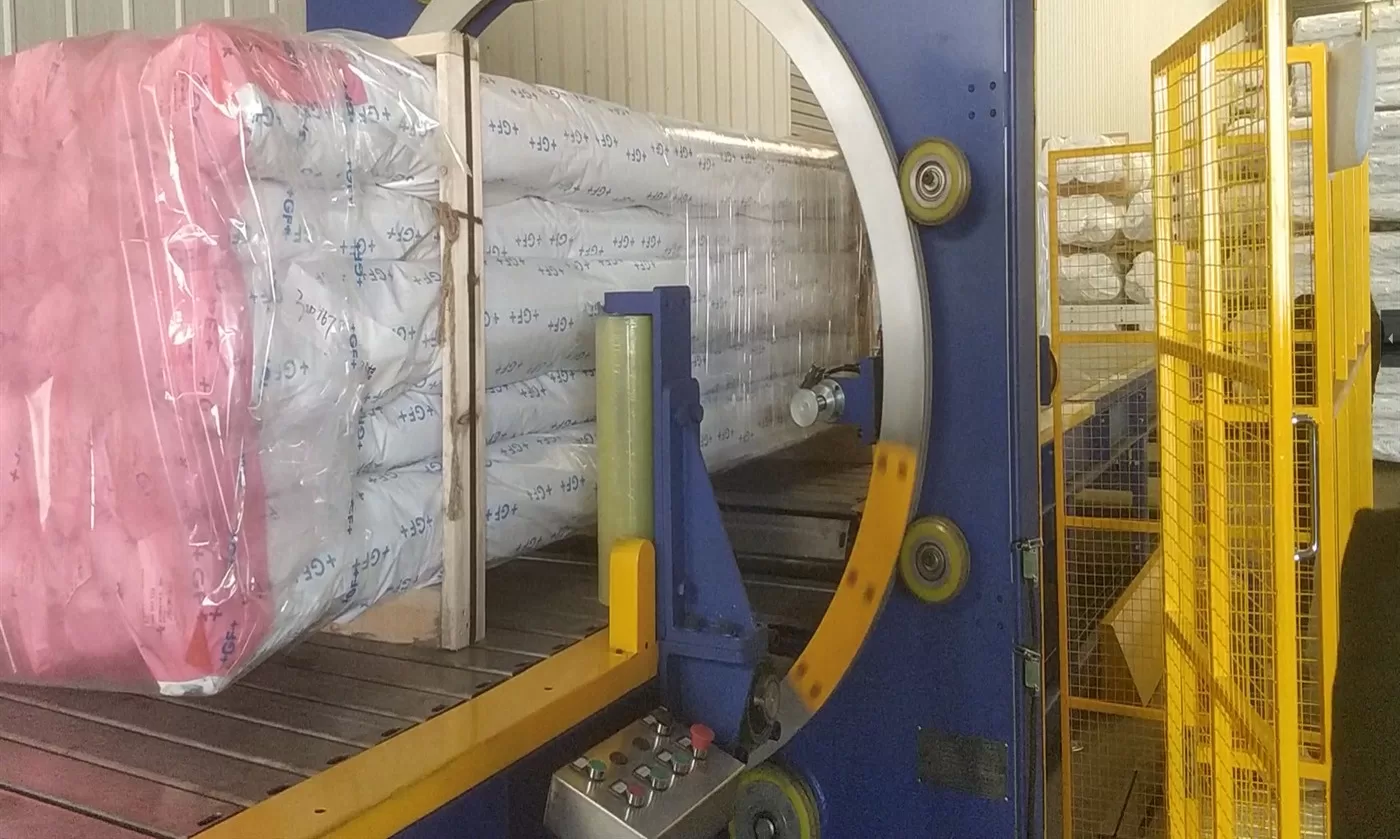

Choosing the right orbital stretch wrapper is a big decision for any factory. It can change your operations for the better. This goes beyond just buying a machine. It is about finding a solution that boosts your factory’s safety, efficiency, and bottom line. Let’s look at the specific features that matter most.
Does Machine Speed and Throughput Really Matter for Efficiency?
Are your current packing methods slowing down your entire production? Is manual packing creating a bottleneck at the end of your line? I have seen many factories struggle with this. It means finished products wait too long. This impacts delivery times and customer satisfaction. It hurts your overall output.
Machine speed and throughput are critical. They directly affect how fast your products move from production to shipping. High-speed orbital stretch wrappers reduce bottlenecks. They make sure your packing process keeps up with your production pace. This is vital for timely deliveries and higher overall output.
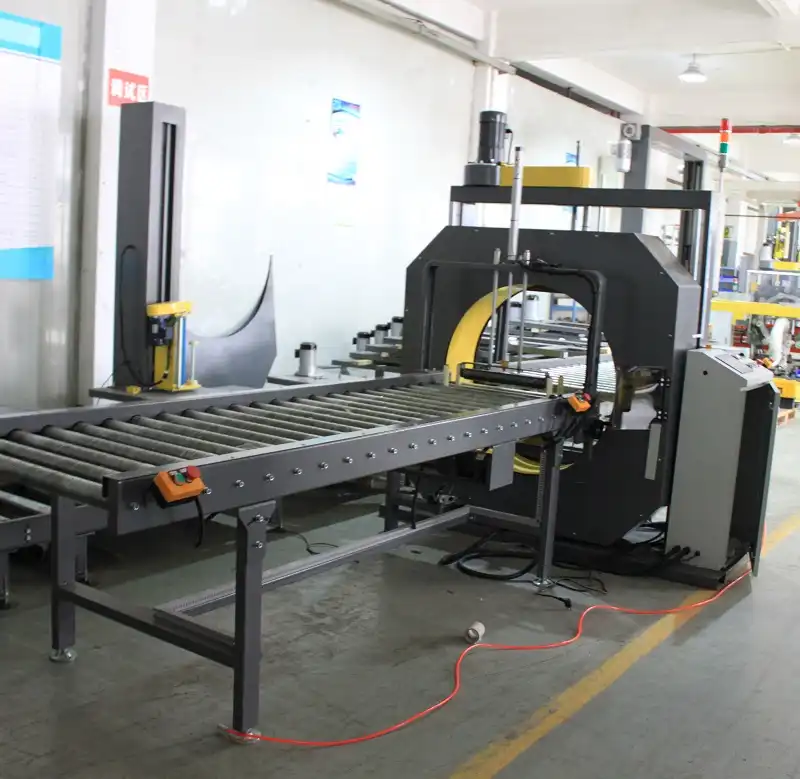

When you think about a machine’s speed, you are really thinking about its impact on your factory’s flow. For Australian engineers, this means looking at how many items the wrapper can handle per hour. This is its “throughput.” A faster machine means less waiting time for your products. It ensures your finished goods can move out quickly. This is very important for large factories, like the metal processing plants my clients run. They deal with high volumes of heavy goods like steel coils and wire bundles. A slow packing machine can cause huge delays. It affects the entire supply chain.
You need to look beyond just the cycles per minute. Consider the machine’s ability to handle different product sizes without major downtime for adjustments.
- Cycles Per Minute (CPM): How many wraps can the machine complete in 60 seconds? Higher CPM generally means higher speed.
- Product Dimensions: Can the machine handle the range of products you produce? Large or small, light or heavy? You need a machine that can adapt easily.
- Automatic Feeding Systems: Does the machine integrate with your existing conveyors? Can it automatically load and unload products? This greatly boosts throughput. Manual loading will always be slower and more prone to error.
- Film Roll Change Time: How long does it take to change a film roll? A machine that allows quick changes means less downtime. This keeps your production moving.
Let me tell you about my own experience. When I started my packing machine factory, I saw how much time was wasted on manual processes. We invested in systems that were fast and reliable. This allowed us to meet tight deadlines. It also helped our clients grow their businesses. They could ship more products, faster. For companies like Michael’s, who rely on high production output, a wrapper’s speed is a direct line to more profit. It means more products shipped, fewer delays, and happier customers. Make sure the wrapper’s speed matches or exceeds your production line’s capacity. This prevents the packing area from becoming a bottleneck.
Can Advanced Safety Features Really Reduce Workplace Injuries?
Are your workers at risk when handling heavy items for packing? Do you worry about high insurance costs or staff turnover due to accidents? Many factory environments, especially those dealing with heavy materials, present serious safety challenges. Manual handling of large or awkward products is very dangerous.
Advanced safety features are not just options; they are necessities. They protect your workers from harm. Features like automatic product feeding, safety light curtains, emergency stop buttons, and enclosed wrapping areas dramatically reduce the need for manual intervention. This lowers the risk of accidents and improves overall workplace safety.
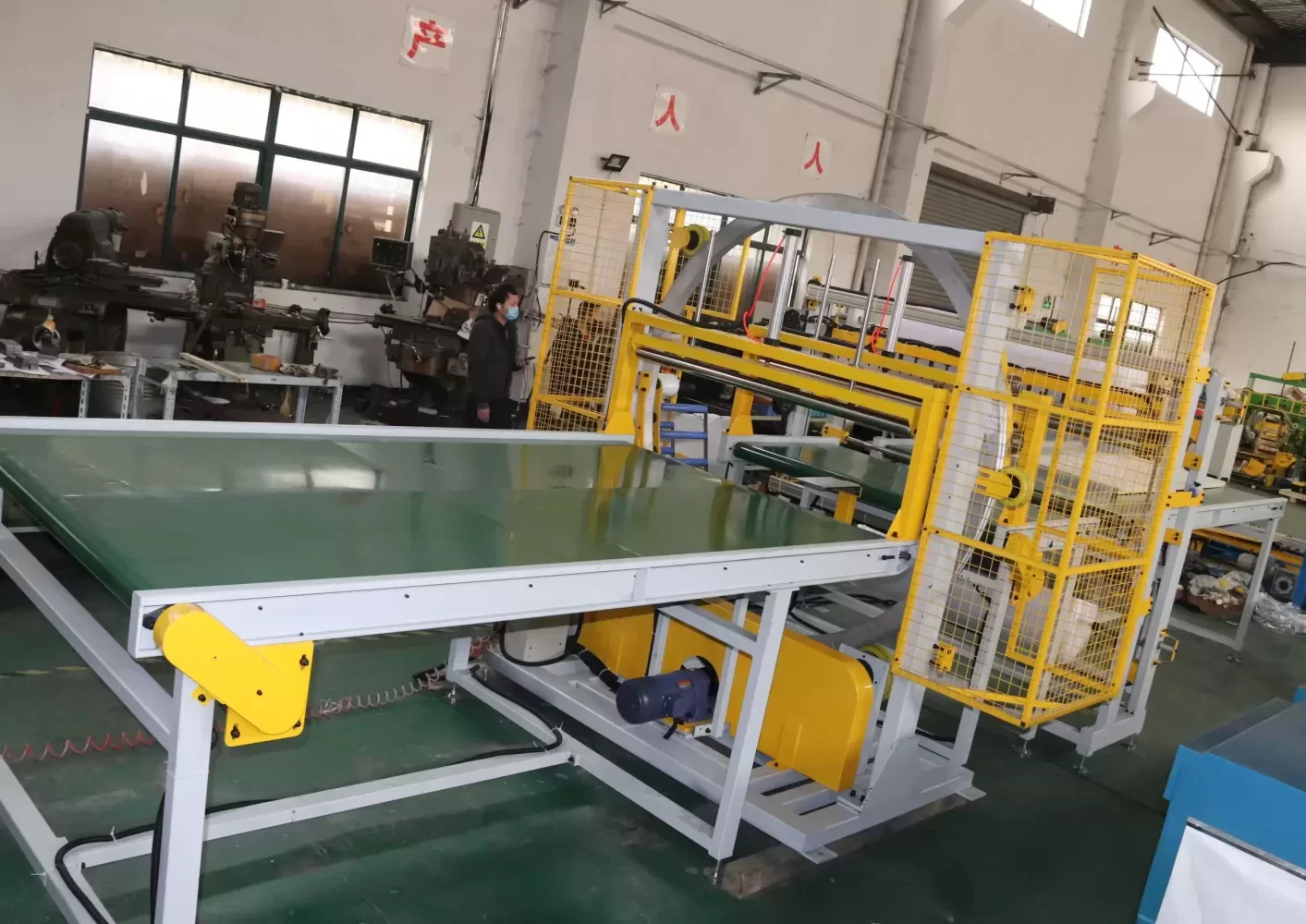

Safety should always be your top priority. For Australian engineers, investing in safety features protects your team. It also protects your business from costly worker’s compensation claims and legal issues. Think about Michael’s factory. He moves heavy metal products. Manual handling is slow. It also carries a high risk of injury. An orbital wrapper with good safety features changes this completely. It takes the human element out of the most dangerous parts of the packing process.
Here are some key safety features to look for:
- Emergency Stop Buttons: These should be clearly marked and easily accessible from multiple points around the machine. Workers must be able to stop the machine instantly in an emergency.
- Safety Light Curtains or Sensors: These create an invisible barrier around the machine’s moving parts. If a worker crosses this barrier, the machine stops immediately. This prevents contact with moving components.
- Enclosed Wrapping Areas: Some wrappers have fully enclosed areas where the wrapping takes place. This keeps workers away from the rotating ring and film carriage.
- Automatic Product Handling: This means the machine can load and unload products using conveyors or robotic arms. Workers do not need to manually lift or position heavy items. This is a game-changer for reducing strains and crush injuries.
- Alarm Systems: Visual and audible alarms should warn operators of potential issues or when the machine is about to start.
- Safety Interlocks: These prevent the machine from operating if guards are open or if it is not in a safe state.
My journey in the packing machine industry taught me that safety is key. When I ran my factory, we always made sure our equipment had the best safety measures. This kept our team safe. It also made them feel valued. This is something I always emphasize with my clients. A safe workplace is a productive workplace. Investing in a machine with robust safety features is not an expense. It is an investment in your people and your business’s future. It helps reduce your insurance premiums. It also keeps your best employees on the job, feeling secure.
How Does Advanced Film Tension Control Prevent Product Damage?
Are your products getting damaged during packing or transport? Do you face customer complaints because steel coil edges are scraped or wire bundles are loose? This can lead to costly returns and loss of profit. Many factories struggle to ensure their products arrive in perfect condition.
Advanced film tension control is essential. It applies the right amount of stretch film tension to every product. This prevents damage during wrapping and transit. Too little tension leaves products unsecured, leading to shifting and abrasion. Too much tension can crush or distort delicate items. Precise control ensures product integrity and reduces costly losses.


Product integrity is a big deal. For Australian engineers, it means making sure your products reach your customers in the same condition they left your factory. This is especially true for items like steel coils or wire, which can be easily damaged if not wrapped correctly. Michael, for instance, mentioned product loss as a major challenge. An orbital wrapper that can manage film tension perfectly solves this. It ensures each wrap is tight enough to secure the product but not so tight that it causes damage.
Consider these aspects of film tension control:
- Powered Pre-Stretch System: This system stretches the film before it applies to the product. It helps to maximize film yield. It also creates a consistent, strong wrap. This is much better than basic mechanical tensioning.
- Adjustable Tension Settings: The machine should allow operators to easily adjust tension for different product types or sizes. A setting for heavy steel coils will be different from one for lighter wire bundles.
- Automatic Film Break Detection: If the film breaks, the machine should stop immediately. This prevents products from being wrapped improperly or not at all. It saves film and prevents damage.
- Consistent Overlap: The machine should ensure a consistent overlap of film on each rotation. This creates a strong, protective barrier around the product. It prevents gaps that could lead to damage.
- Wrap Count Control: You should be able to set the number of wraps applied to each product. More wraps provide more protection, but also use more film. You need the right balance.
In my time building packing machines, I learned that a good wrap is more than just putting film around something. It is about protecting the value of what you produce. I saw how proper tension control saved businesses money by reducing product damage. It also improved customer satisfaction. When your clients receive products in perfect condition, they trust you more. This leads to repeat business. So, look for wrappers that offer precise, consistent film tension control. It is a small feature that makes a big difference to your bottom line.
What Makes a Wrapper’s Build Quality and Durability Important for Long-Term Value?
Have you dealt with equipment suppliers who only care about the sale? Do you worry about buying a machine that breaks down often or needs constant repairs? My client Michael has faced this supplier trust crisis before. He knows that downtime costs a lot of money and hurts production.
A wrapper’s build quality and durability are paramount for long-term value. This means choosing machines made with robust materials and high-quality components. It includes heavy-duty frames, reliable motors, and well-known brand electronics. Such a machine withstands harsh industrial environments. It provides consistent performance with minimal downtime. This leads to lower maintenance costs and a higher return on your investment over its lifespan.


When you invest in a major piece of factory equipment, you expect it to last. For Australian engineers, this means looking beyond the sticker price. You need to consider the total cost of ownership. This includes maintenance, repairs, and lost production due to breakdowns. A poorly built machine will cost you much more in the long run. Michael’s experience with unreliable suppliers shows why trust and quality are so important. He wants a partner who understands his need for durable, dependable equipment.
Here are the key aspects of build quality and durability:
- Frame Construction: Is the machine built with a heavy-duty steel frame? This provides stability and strength, especially for machines handling heavy products. Look for welded construction rather than bolted assemblies where possible.
- Component Brands: Check the brands of critical components like motors, sensors, PLCs (Programmable Logic Controllers), and electrical parts. Reputable brands often mean higher quality and easier access to spare parts. Brands like Siemens, Omron, or Schneider Electric are good indicators.
- Bearings and Gears: These are crucial moving parts. High-quality, sealed bearings and robust gears ensure smooth, long-lasting operation of the rotating ring.
- Powder Coating or Industrial Paint: The machine’s finish protects it from corrosion, especially in environments with dust, moisture, or chemical exposure.
- Ease of Maintenance: Is the machine designed for easy access to parts that need regular maintenance? Simple maintenance procedures mean less downtime.
- Manufacturer’s Reputation and Warranty: A strong warranty and a manufacturer with a history of building reliable machines speak volumes about their confidence in their products. Ask for references or case studies.
I have spent years in this industry. I know that cutting corners on quality always leads to problems later. When I built my own factory, I prioritized durable machines. This allowed us to produce consistently without constant interruptions. I advise my clients to do the same. A well-built orbital wrapper is an asset. It will keep running reliably for years. This maximizes your ROI and minimizes headaches. It helps you build a strong, dependable production line.
My Insights on Choosing the Right Partner
Choosing an orbital stretch wrapper is not just a purchase. It is about building a partnership. As someone who started from the factory floor and built a successful business, I understand the pressures factory managers like Michael face. You need more than just a machine. You need solutions. You need someone who understands your production bottlenecks, safety concerns, and efficiency challenges. You need a partner who can offer real insights and reliable support.
My mission at FHOPEPACK is to share knowledge. I want to help you succeed. When you are evaluating an orbital stretch wrapper, look for a supplier who can provide:
- Deep Industry Knowledge: Can they speak your language? Do they understand the specific challenges of packing steel coils or wire?
- Customization Options: Can they tailor the machine to your unique product sizes, weights, and production speeds? One size does not fit all.
- Strong After-Sales Support: What happens after the sale? Do they offer installation support, training, spare parts, and troubleshooting? Michael’s past experience shows why this is so important. A good supplier will stand by their product.
- Proven Track Record: Look at their past projects. Can they show you how they have helped other businesses with similar needs?
I built FHOPEPACK because I am grateful for what this industry gave me. Now, I want to give back. I want to help others achieve their goals. When you choose a packing machine, choose a supplier who sees your success as their own. This is how you truly maximize your investment. This is how you build a future of efficient, safe, and profitable operations.
Conclusion
Selecting an orbital stretch wrapper needs careful review of speed, safety, film control, and build quality. Choosing a reliable partner ensures your investment boosts factory efficiency, safety, and long-term profitability.












