
What Key Features Should U.S. Purchasing Managers Demand in a Coil Upender?
Are you struggling with slow coil handling? Does your team face high risks when moving heavy materials? Many U.S. factories deal with these problems every day. These issues can slow down your whole production line. They also put your workers in danger. Plus, damaged coils mean lost money. It is a common situation, and it needs a real solution.
U.S. purchasing managers must demand specific features in a coil upender. These include robust construction for heavy loads, advanced safety systems to protect workers, efficient automation for speed, and precision handling to prevent product damage. The upender must integrate easily into existing lines. It must offer clear ROI through reduced labor, fewer injuries, and less material waste.
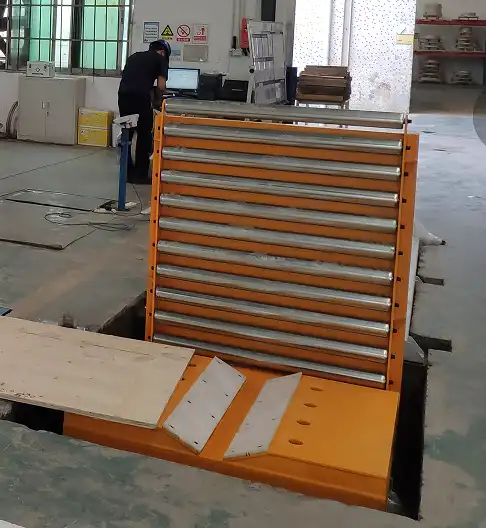
As a packing machine engineer who built a factory from the ground up, I understand these challenges deeply. You want equipment that works, saves money, and keeps people safe. Let us look closer at what makes a coil upender truly valuable for American manufacturing.
Why is Automated Coil Handling Critical for U.S. Factories?
Is your factory still moving heavy coils by hand? Many U.S. manufacturers find this process slow. It eats up valuable time. It also pulls workers away from other important tasks. This manual handling creates a serious bottleneck at the end of the production line.
Automated coil handling is critical for U.S. factories because it directly addresses efficiency, safety, and product quality. It speeds up the packing process. It removes workers from dangerous tasks. This reduces the risk of injury. Automation also ensures coils are handled gently. This prevents costly damage. It is a key step to keeping U.S. operations competitive.
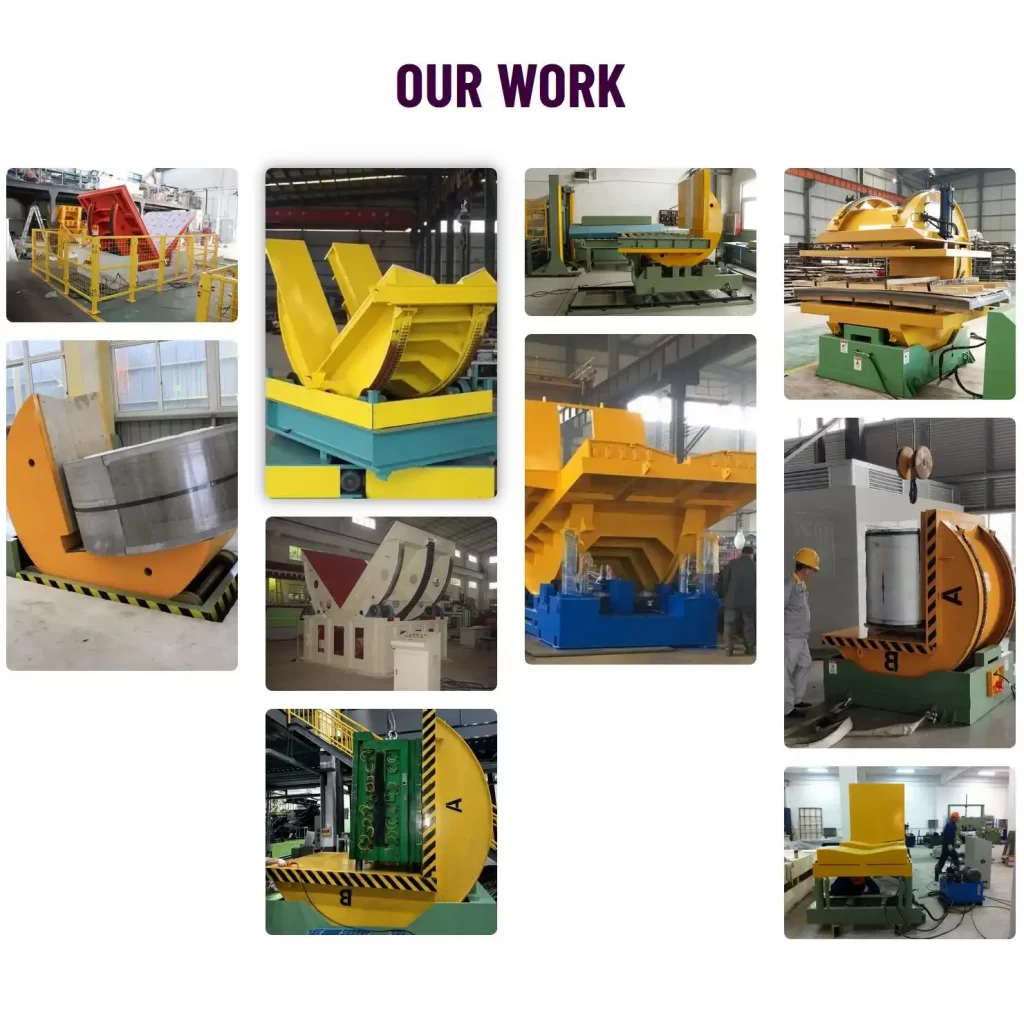
For years, I saw factories struggling with manual coil movement. It was not just slow; it was dangerous. Workers strained their backs. They risked serious accidents. In my own factory journey, I learned that true growth comes from smart automation. A top-tier coil upender is more than just a machine; it is a strategic investment. It transforms the way you handle materials. It impacts your entire production flow.
Think about the time savings. With an automated upender, a task that once took several workers and many minutes can be done by one operator in seconds. This frees up your team. They can focus on more skilled work. This is vital in the U.S. where labor costs are a big factor.
The Impact of Automation on Production
- Increased Throughput: An automated upender works faster than manual methods. This means more coils get processed each hour. Your production line flows smoother. This helps you meet tighter deadlines and customer demands.
- Reduced Labor Dependence: Less reliance on manual labor means you can reallocate staff. It reduces the impact of labor shortages. It also cuts down on direct labor costs for simple material handling.
- Consistent Operation: Machines do not get tired. They do not make human errors. An automated upender performs the same way every time. This leads to predictable production rates.
Preventing Product Damage
Product damage is a silent killer of profits. When coils are handled manually, edges get dinged. Surfaces get scratched. This leads to customer complaints and returned goods. An automated upender is designed for precision. It uses smooth, controlled movements. This keeps your products safe. It ensures they leave your factory in perfect condition. This builds customer trust. It protects your brand reputation.
Consider a factory manager like Michael. He knows product loss hits the bottom line hard. An upender that prevents even a small percentage of damage can quickly pay for itself. It is not just about moving coils. It is about preserving their value.
| Benefit Category | Manual Handling | Automated Upender |
|---|---|---|
| Speed | Slow, inconsistent | Fast, predictable |
| Safety | High injury risk | Minimal human risk |
| Quality | Prone to damage | Gentle, precise |
| Labor Cost | High, inefficient | Lower, reallocated |
| Throughput | Limited | High, consistent |
Automated coil handling is not a luxury. It is a necessity for any U.S. factory aiming for efficiency, safety, and top-quality output. It lets you use your resources better. It makes your operations more robust.
What Safety Standards Must a Coil Upender Meet for U.S. Operations?
Manual handling of heavy steel coils is one of the riskiest jobs in any factory. Workers deal with massive weights. They face the constant threat of dropped loads or crushing injuries. This leads to high insurance costs. It also causes significant employee turnover.
For U.S. operations, a coil upender must meet strict safety standards. These include OSHA compliance, robust emergency stop systems, and physical guarding around moving parts. It must have interlocks to prevent operation if safety conditions are not met. The design should minimize pinch points and allow for safe, easy maintenance. Prioritizing these features protects workers. It also helps factories avoid costly fines and liabilities.

I have seen firsthand the devastating impact of workplace accidents. When I was building my own packing machine factory, safety was never an afterthought. It was built into every machine we designed. For U.S. factories, safety is not just good practice; it is a legal requirement. The Occupational Safety and Health Administration (OSHA) sets clear rules. Ignoring them can lead to huge fines. More importantly, it can lead to serious injuries or worse.
A high-quality coil upender is designed with safety at its core. It does not just move coils; it moves them safely. This means going beyond basic compliance. It means understanding the real-world risks workers face.
Key Safety Features to Demand
- Emergency Stop Buttons: These must be easily accessible. They need to be located at multiple points around the machine. When pressed, they must stop all machine movement immediately. This is fundamental.
- Safety Guards and Enclosures: All moving parts, like gears, chains, and hydraulics, must be covered. These guards prevent accidental contact. They protect workers from getting caught in machinery.
- Interlocks: These systems prevent the machine from operating unless certain conditions are met. For example, a gate might need to be closed. A sensor might need to confirm a coil is properly seated. This stops human error from causing accidents.
- Light Curtains and Safety Scanners: These advanced sensors create invisible safety zones. If a worker enters this zone, the machine automatically shuts down. This provides an extra layer of protection. It is especially useful in busy factory environments.
- Non-Slip Surfaces: The platform and surrounding areas should have non-slip textures. This reduces the risk of slips and falls, especially in areas where oil or debris might be present.
- Overload Protection: The upender must have systems to prevent lifting loads beyond its capacity. This protects the machine. It also prevents dangerous drops.
- Visible and Audible Warnings: Flashing lights and alarms should signal when the machine is operating or about to move. This alerts nearby workers. It helps them stay clear.
Think about a factory manager like Michael. He is under constant pressure to ensure a safe workplace. A robust upender directly helps him meet this goal. It means fewer incidents. It means lower workers’ compensation claims. It also means better employee morale. Workers feel safer. They are more productive. This is not just about avoiding problems. It is about building a better working environment.
Ultimately, a coil upender that truly meets U.S. safety standards will protect your most valuable asset: your people. It also protects your business from legal troubles and financial losses. Investing in safety is always a wise choice. It is a sign of a responsible and forward-thinking company.
How Can a Coil Upender Drive ROI for U.S. Manufacturers?
Every investment in a factory must show a clear return. For U.S. manufacturers, buying new equipment is not just about having the latest technology. It is about improving the bottom line. You need to know how a coil upender will make your factory more profitable.
A coil upender drives ROI for U.S. manufacturers by significantly reducing operational costs and increasing output. It cuts labor expenses by minimizing manual handling. It lowers insurance costs by improving worker safety and reducing injury claims. Furthermore, it prevents costly product damage during transfer. These savings, combined with faster processing times and improved production flow, translate into higher profitability and a quick return on investment.

When I started my own packing machine factory, every dollar counted. I learned quickly that smart investments in machinery were key to growth. A coil upender offers a compelling ROI for U.S. manufacturing. It addresses multiple cost centers at once. It creates efficiencies that compound over time.
Let us break down the ways an upender boosts your financial performance.
Reducing Labor Costs
Manual coil handling needs several workers. They often perform a repetitive and high-risk task. With an automated upender, one operator can manage the process. This frees up other team members. They can move to more productive, skilled roles. This directly reduces your payroll expenses for simple material handling. In the U.S., where labor costs are high, this is a major saving. Over years, these savings add up to substantial figures.
Lowering Injury-Related Costs
As we discussed, manual handling comes with high injury risks. Injuries lead to medical bills, lost work time, and higher workers’ compensation premiums. They also cause disruptions and can lead to lawsuits. A safe, automated upender drastically cuts these risks. Fewer injuries mean lower insurance costs. It means fewer legal headaches. It means a more stable workforce. This is a clear financial benefit that improves your factory’s risk profile.
Minimizing Product Damage
Damaged products are a direct financial loss. They mean scrap material, rework, and potential customer dissatisfaction. A coil upender is engineered for gentle, precise handling. It reduces the chance of scratches, dents, or deformed edges. This ensures your products reach the customer in perfect condition. It protects your revenue. It also keeps your customers happy. This reduces warranty claims and builds repeat business.
Increasing Throughput and Efficiency
Time is money in manufacturing. A faster, more reliable handling process means your production line moves more smoothly. There are fewer bottlenecks. You can process more coils in less time. This increased throughput lets you take on more orders. It helps you meet demand faster. It makes your entire operation more efficient. This boost in productivity directly impacts your capacity to generate revenue.
| ROI Driver | How an Upender Contributes | Financial Impact |
|---|---|---|
| Labor Savings | Reduces need for multiple manual handlers | Lower payroll, reallocation of skilled labor |
| Safety Costs | Prevents injuries from heavy lifting | Lower insurance premiums, fewer compensation claims |
| Product Quality | Gentle handling reduces damage, defects | Less scrap, fewer returns, higher customer satisfaction |
| Operational Speed | Faster, consistent coil processing | Increased production capacity, quicker order fulfillment |
| Space Utilization | Can optimize floor space with integrated systems | Potential for more efficient plant layout |
A coil upender is not just a piece of equipment. It is an investment in your factory’s future. It provides tangible benefits that improve your financial health. For U.S. purchasing managers, understanding this ROI is crucial for making smart decisions.
Why is Supplier Expertise Key When Buying an Upender in the U.S.?
Finding the right equipment for your factory is tough. It is even harder when you have been burned by bad suppliers before. Some companies just want to make a sale. They offer little support after the purchase. This leaves you stuck when problems arise.
Supplier expertise is key when buying an upender in the U.S. because it ensures you get the right solution, not just a machine. An expert supplier understands your specific production challenges and safety needs. They offer customized designs, reliable installation, and strong after-sales support. This deep knowledge builds trust. It guarantees your investment truly solves problems and supports your long-term business growth.
My journey in the packing machine industry taught me one thing: a machine is only as good as the company behind it. When I started FHOPEPACK, I wanted it to be different. I wanted to build real partnerships. For U.S. purchasing managers, finding a supplier with true expertise is paramount. It protects your investment. It ensures you have a partner who understands your challenges.
Think about a factory manager like Michael. He does not just want a coil upender. He wants a solution for his production bottlenecks. He wants to solve his safety issues. He needs someone who truly understands the specific demands of a metal processing plant. This is where expertise comes in.
The Value of Deep Industry Knowledge
An expert supplier has worked with many factories. They have seen different setups. They understand unique production flows. This experience allows them to recommend the best upender for your exact needs. They can spot potential problems before they happen. They can suggest ways to integrate the upender seamlessly into your existing line. This knowledge saves you time and money. It prevents costly mistakes down the road.
- Understanding Specific Challenges: A knowledgeable supplier asks the right questions. They want to know about your coil sizes, weights, and production volume. They ask about your facility layout. They learn about your safety concerns. They then tailor a solution that fits.
- Customization Capabilities: Not every factory is the same. An expert supplier can customize an upender. This might involve different capacities. It could mean special controls. It might be unique loading and unloading systems. This ensures the machine perfectly matches your operation.
- Compliance and Regulations: U.S. factories operate under strict regulations. An experienced supplier knows these rules. They ensure the upender meets all necessary safety standards, like OSHA. This takes a burden off your shoulders. It gives you peace of mind.
The Importance of After-Sales Support
A machine needs maintenance. Sometimes, it needs troubleshooting. A reliable supplier provides excellent after-sales support. This means:
- Timely Technical Assistance: When something goes wrong, you need quick help. An expert supplier offers responsive technical support. This minimizes downtime.
- Spare Parts Availability: Machines need parts. A good supplier stocks common wear parts. They can quickly send you what you need. This keeps your upender running.
- Training and Documentation: Your team needs to know how to use and maintain the upender. An expert supplier provides thorough training. They also offer clear operation manuals.
I have seen too many factories buy equipment based only on price. Then, when issues arise, the supplier is nowhere to be found. This leads to frustration, lost production, and ultimately, higher costs. A true partner like FHOPEPACK aims to share knowledge. We want to help you succeed. We provide not just machinery but also the insights gained from years in the industry. This commitment to partnership is what truly sets a supplier apart. Choose a supplier who is invested in your success, not just in their next sale.
Conclusion
U.S. purchasing managers must look for specific features in a coil upender. Focus on automation, robust safety, clear ROI, and a knowledgeable supplier. These elements will drive your factory’s efficiency, safety, and profitability.








