
What Key Features Should Czech Engineers Evaluate When Selecting a Horizontal Orbital Wrapper?
Are you a factory manager in Czech Republic, feeling the pressure to boost output and cut costs? Do you worry about worker safety and product damage on your packing line? Many managers like you face these problems every day. Manual packing methods are slow. They lead to high injury risks. They cause product damage. These issues directly hurt your profits. Choosing the right packing machine is a big decision. It can change your factory’s future.
When Czech engineers look for a horizontal orbital wrapper, they must focus on a few key features. These include robust construction for durability, advanced automation for high efficiency, comprehensive safety systems to protect workers, and reliable after-sales support for long-term performance. Paying attention to these areas helps secure a good return on investment and smooth operations.

I know these challenges well. I started FHOPEPACK because I believe in sharing knowledge. I want to help factories like yours find the best solutions. Picking the right equipment is more than just buying a machine. It means finding a partner. This partner should understand your factory’s unique needs. They should help you solve real problems. Let’s look closer at what truly matters.
Does Robust Construction and Durability Matter for Long-Term Operation?
Does your factory environment demand tough equipment? Are you tired of machines breaking down, causing expensive delays? Many factories deal with harsh conditions. Dust, heavy loads, and continuous operation wear down lesser machines quickly. This leads to frequent repairs and lost production time. It eats into your budget and slows down your deliveries. This is a common pain point for factory managers.
For Czech engineers, robust construction and durability are essential for horizontal orbital wrappers. They ensure the machine can handle continuous, heavy-duty operation in demanding industrial settings. Key aspects include high-quality steel frames, heavy-duty components, and corrosion-resistant materials. These features provide a longer service life and reduce maintenance needs.

When I built my packing machine factory, I learned this first-hand. I saw how critical it was for machines to last. A machine that fails often costs more than its purchase price. It costs you in lost production, angry customers, and high repair bills. Investing in durable equipment pays off quickly. It keeps your lines running. It protects your profits.
Why Quality Materials Are Key
High-quality materials are the foundation of a durable machine. Cheap steel can bend or crack under stress. Corrosion can quickly destroy vital parts in damp or dusty environments. Look for machines built with heavy-gauge steel. Ask about the type of surface treatment. Powder coating or industrial paint offers good protection. Stainless steel is even better for some parts, especially in environments with chemicals or high humidity. My experience in the coil packing and steel wire packing industry showed me that even small material failures can stop a whole line. You need parts that can handle constant vibration and heavy loads.
The Importance of Heavy-Duty Components
Beyond the frame, check the components inside the machine. These include motors, gearboxes, bearings, and electrical parts. Are they industrial grade? Are they from reputable suppliers? A weaker motor might struggle with heavy steel coils. It could burn out. Poor quality bearings can seize up. This leads to unexpected downtime. When I helped clients grow their businesses, we always looked at these details. We knew that a small saving on a component could lead to huge losses later. For example, a reliable PLC (Programmable Logic Controller) is vital for smooth operation. It controls the entire machine. Make sure it is from a well-known brand.
Design for Maintenance and Longevity
A durable machine is also easy to maintain. Look for designs that allow simple access to wear parts. This makes routine checks faster. It also makes replacements easier. Good designs reduce the time workers spend on maintenance. This means more time for production. Some machines have modular designs. If one part wears out, you can replace a module instead of the whole system. This saves time and money. Think about the overall structure. Is it stable? Can it withstand impacts? A well-designed machine will have fewer stress points. This reduces the chance of cracks or breaks over time.
| Feature | Benefit for Czech Engineers | Risk of Neglecting |
|---|---|---|
| Heavy-Gauge Steel | Withstands constant heavy loads; prevents frame distortion. | Premature frame failure; costly repairs. |
| Industrial Motors | Provides consistent power for heavy items; long operational life. | Frequent motor burnout; production stops. |
| Quality Bearings | Ensures smooth movement of rotating parts; reduces friction. | Bearing seizure; high friction; energy waste. |
| Corrosion Resistance | Protects machine in harsh environments; extends lifespan. | Rusting; component degradation; unsafe operation. |
| Modular Design | Simplifies repairs and part replacement; reduces downtime. | Complex, long repairs; higher labor costs. |
Can Automation Capabilities Truly Boost My Factory’s Efficiency?
Is your current packing process a bottleneck? Are manual tasks slowing down your entire production line? Many factories struggle with slow, inefficient end-of-line packaging. This creates delays. It holds back overall delivery speed. It can also lead to overtime costs. You need a system that keeps up with your production pace. Automation is the answer.
Automation capabilities are key for Czech engineers aiming to improve factory efficiency. A good horizontal orbital wrapper offers features like automatic film feeding, automatic cutting, and integration with existing production lines. It reduces the need for manual intervention, speeds up the packing cycle, and ensures consistent package quality. This leads to higher throughput and lower labor costs.
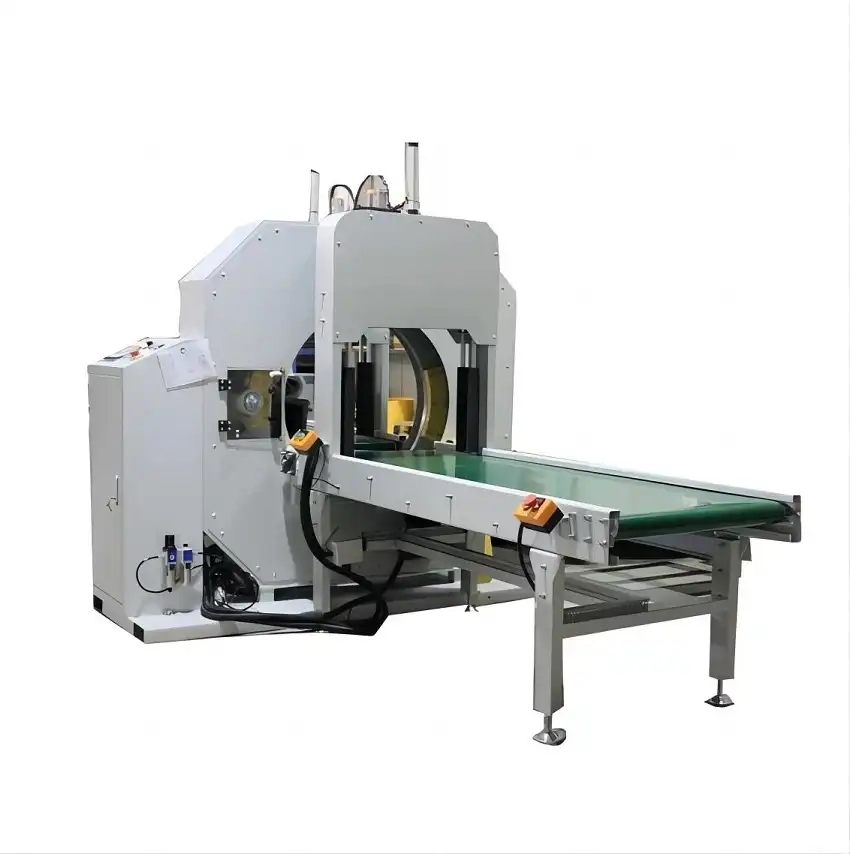
When I was running my own factory, I always looked for ways to make things faster and smoother. I learned that every minute saved in packing adds up to big gains. Automation was a game changer for me. It helped me achieve financial independence and allowed my clients to grow their businesses rapidly. It transformed bottlenecks into smooth operations.
Understanding Levels of Automation
Not all automation is the same. A basic orbital wrapper might still need an operator to cut the film. A fully automatic machine does everything. It feeds the product, starts wrapping, cuts the film, and holds it for the next product. It can even connect to your factory’s main control system. You need to decide how much automation your factory needs. Think about your current labor costs. Think about your desired output. A higher level of automation usually means a higher upfront cost. But it also offers a much faster return on investment through labor savings and increased speed. For steel coils and wire packing, full automation is often the best choice because of the weight and volume of goods.
Integration with Production Lines
A standalone wrapping machine might not solve your whole problem. The best orbital wrappers can integrate with your existing conveyors or robotic systems. This creates a seamless flow. Products move from the production line directly to the wrapper. Then they move to shipping. This eliminates manual transfers. It reduces handling errors. It also removes extra labor points. When I helped my clients, we often looked at the entire process, not just one machine. We asked: “How can this machine fit into the whole system?” This approach helped them unlock full efficiency gains. A wrapper that can communicate with other machines, using standard industrial protocols, is very valuable.
Impact on Cycle Time and Throughput
Faster wrapping means more products packed per hour. This directly increases your factory’s throughput. Manual wrapping is slow and inconsistent. An automated machine works at a steady, high speed. It does not get tired. It does not make mistakes due to fatigue. This means your delivery times become more reliable. Your overall production capacity goes up. When you speed up your packing, you speed up your whole factory. This directly impacts your revenue.
How Can Integrated Safety Features Protect My Workers and My Business?
Are you worried about worker safety on your packing line? Do manual handling tasks lead to injuries and high insurance costs? Factory managers face constant pressure to keep workers safe. Handling heavy items like steel coils or wire manually is very risky. It can cause serious injuries. These injuries lead to lost workdays. They raise insurance premiums. They can even cause legal problems. Safety must be a top priority.
Integrated safety features are critical for any horizontal orbital wrapper, especially for Czech engineers operating in heavy industries. Look for emergency stop buttons, safety guarding around moving parts, light curtains or pressure mats, and automatic fault detection systems. These features protect workers from harm, reduce the risk of accidents, and help factories comply with safety regulations.
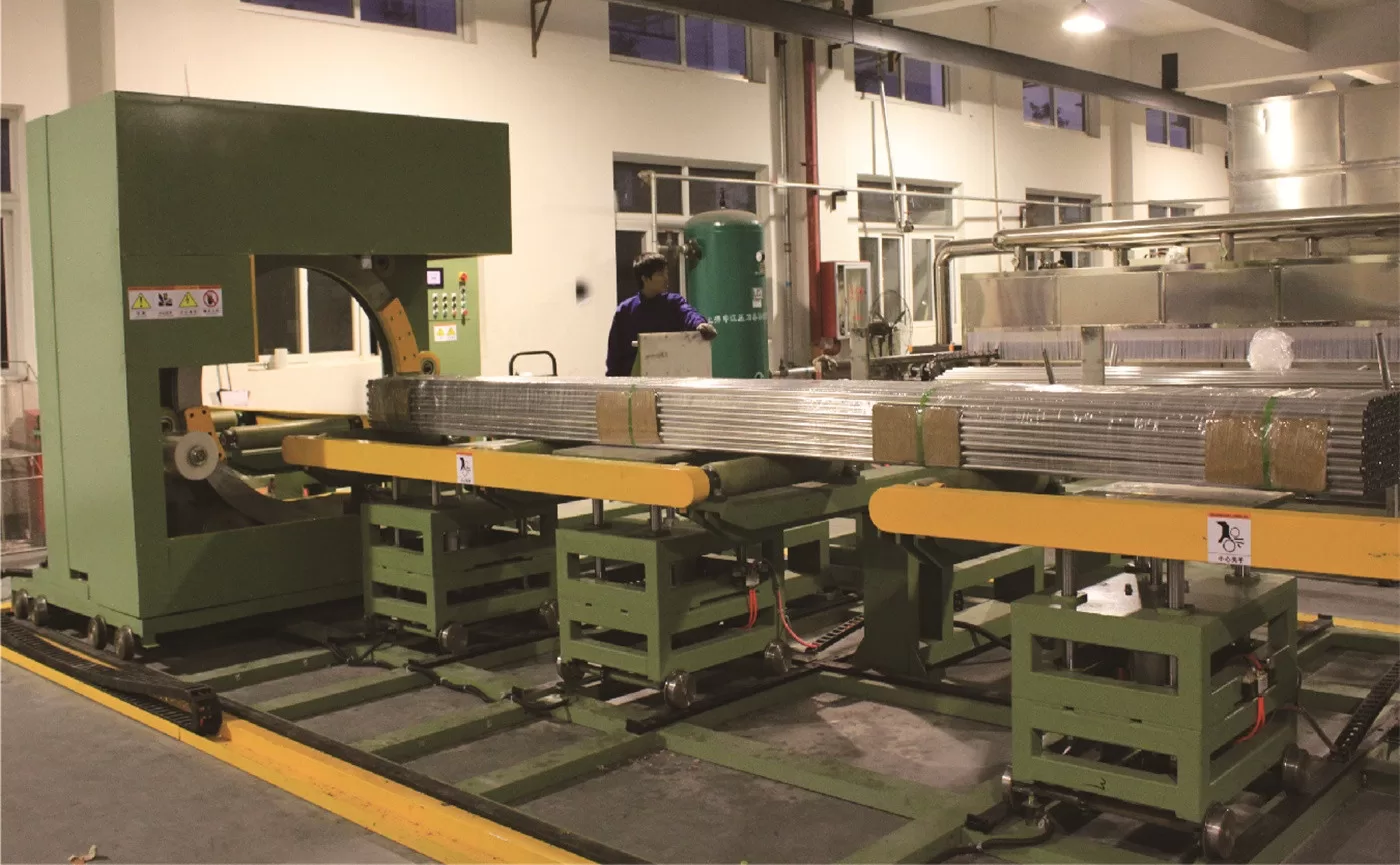
My journey in the packing machine industry taught me that safety is not just a cost. It is an investment. A safe workplace protects your people. It also protects your business from costly accidents and legal issues. When I helped clients improve their operations, safety was always a key discussion point. It boosts morale. It cuts down on employee turnover.
Physical Safety Barriers
The most basic safety feature is physical guarding. This means sturdy barriers around all moving parts of the machine. These barriers prevent workers from accidentally touching dangerous areas. Look for interlocked guards. This means the machine stops if a guard is opened while the machine is running. This prevents access to hazards during operation. The design should follow international safety standards like CE (common in Europe). These standards ensure the machine meets certain safety levels. They are not just recommendations. They are rules.
Advanced Sensor Technology
Modern machines use sensors to detect human presence. Light curtains create an invisible barrier. If a worker breaks this beam, the machine stops instantly. Pressure mats on the floor can also detect if someone steps into a danger zone. These systems offer an extra layer of protection. They are especially useful in fast-moving environments. They react much faster than a human operator can. This proactive stopping ability is crucial. It prevents accidents before they happen. For me, seeing these technologies in action was a major relief. It showed me how technology can truly protect people.
Emergency Stop Mechanisms and Alarms
Every machine must have easily accessible emergency stop buttons. These buttons should be highly visible. They should be placed at multiple points around the machine. In an emergency, any worker should be able to hit one. The machine should then stop immediately. Audio and visual alarms are also important. They warn operators about potential problems or when the machine is about to start. This gives workers time to move to a safe position. Regular testing of these systems is also very important. Make sure the supplier can provide clear guidelines for testing.
Why Does After-Sales Support and Technical Expertise Matter So Much?
Have you ever bought equipment only to find the supplier disappears after the sale? Do you struggle to get help when your machine breaks down? Many factory managers have faced this problem. Poor after-sales support can turn a good investment into a nightmare. You need a partner who stands by their product. You need a partner who offers real expertise.
For Czech engineers, strong after-sales support and technical expertise are as important as the machine itself. This includes quick access to spare parts, responsive technical support, and comprehensive training. A reliable supplier acts as a true partner. They help maintain machine uptime, troubleshoot issues effectively, and ensure your team can operate the equipment safely and efficiently for years.
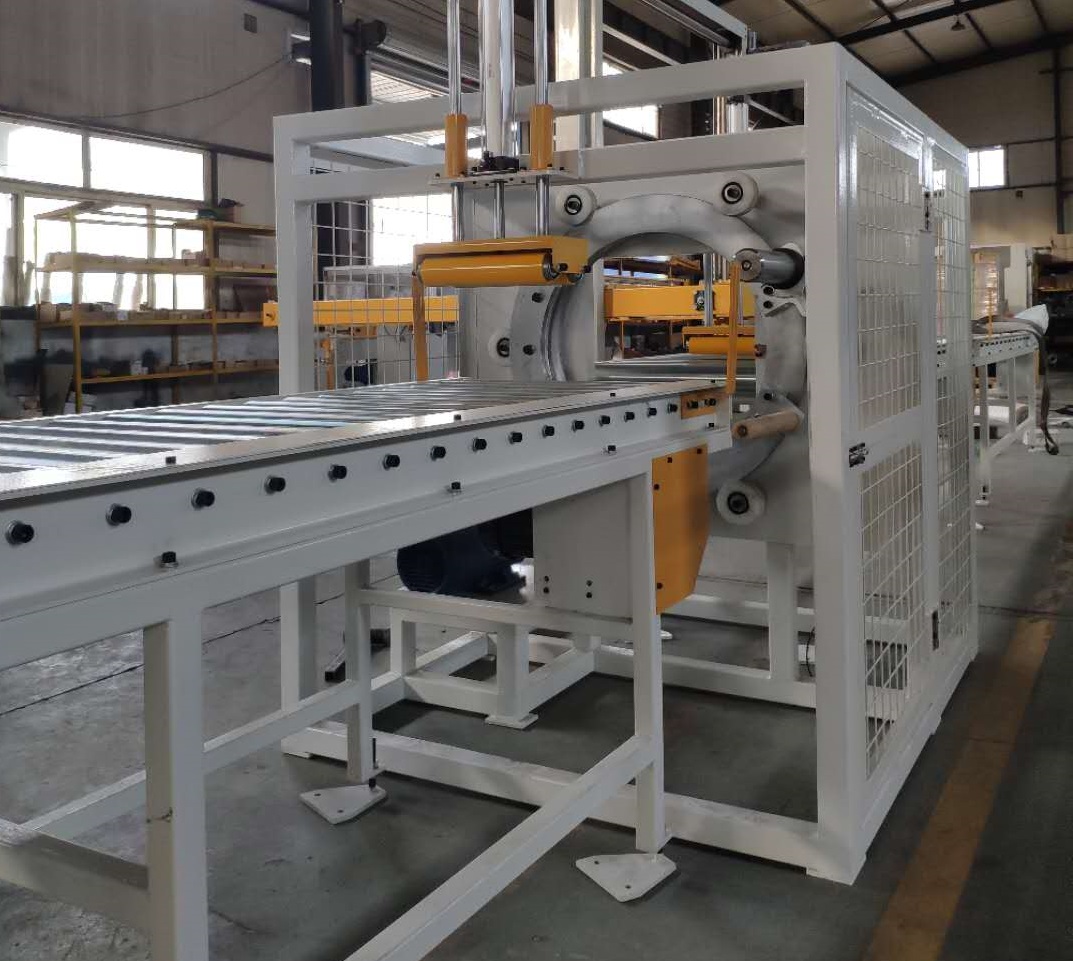
When I started FHOPEPACK, I knew the importance of trust. I had seen too many companies focus only on sales. They forgot about the client after the payment. My goal was to be different. I wanted to build long-term relationships. I want to share my expertise. I want to help you succeed. This means being there for you long after the machine is installed.
Availability of Spare Parts
Machines have wear parts. These parts need replacement over time. If you cannot get spare parts quickly, your machine sits idle. This means lost production. Ask your supplier about their spare parts inventory. Do they stock common parts locally or can they ship them quickly? What is their typical lead time for critical components? A supplier with a robust spare parts program helps minimize your downtime. This is crucial for keeping your production line running smoothly. I always made sure my factories had easy access to spare parts. It kept operations running.
Responsive Technical Support
When a machine goes down, you need help fast. Does the supplier offer phone support? Do they have remote diagnostics? Can they send technicians to your site if needed? Ask about their response times. A good supplier understands that every minute of downtime costs you money. They will have a clear process for handling support requests. For complex issues, having experienced engineers available for troubleshooting is invaluable. This is where my background as a packing machine engineer comes in. I know the machines inside out. I can help troubleshoot problems efficiently.
Training and Documentation
Your team needs to know how to operate and maintain the machine safely and efficiently. Does the supplier offer good training? Is the documentation clear and easy to understand? This includes operator manuals, maintenance guides, and troubleshooting charts. Well-trained staff can prevent many common problems. They can also perform basic maintenance. This reduces your reliance on external support. Good training empowers your team. It gives them confidence. It helps them get the most out of the equipment.
Conclusion
Choosing a horizontal orbital wrapper is a vital decision for Czech engineers. Focus on durability, automation, safety, and strong supplier support. This ensures your investment boosts efficiency, enhances safety, and drives long-term success.








