
What Key Features Must Your Coil Upender Offer to Withstand India’s Harsh Conditions?
Running a factory in tough environments like India means constant challenges. Your equipment faces extreme heat, dust, and non-stop use. If your coil upender breaks down, it stops your whole line. This costs you a lot of money and time. Many factory managers learn this the hard way. They invest in machines that look good on paper but fail under real-world pressure. They face endless repairs and lost production. But what if you could avoid these headaches? What if you knew exactly what to look for in a coil upender that can truly last in such demanding conditions?
A coil upender built for harsh conditions like India’s needs several key features: a robust, heavy-duty frame made from high-grade steel, advanced dust and heat protection for all internal components, reliable hydraulic or mechanical systems designed for continuous operation, comprehensive safety interlocks, and precise control capabilities to prevent material damage. It must also have easy maintenance access and readily available spare parts.
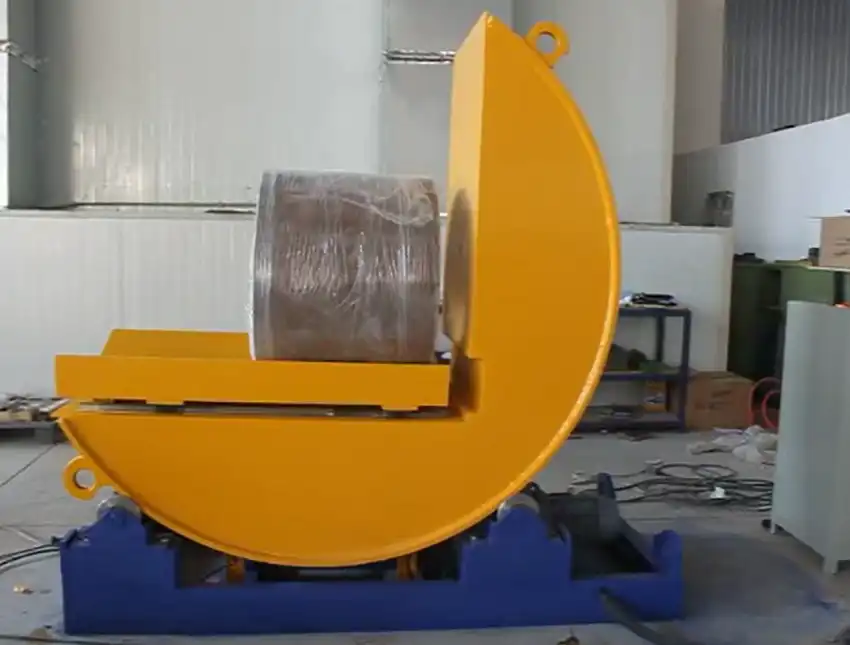
If you run a factory, you know the stakes are high. Every piece of equipment counts. So, let us dig deeper into what makes a coil upender truly stand out when the going gets tough.
Does Your Coil Upender’s Build Quality Stand Up to Extreme Industrial Heat and Dust?
Imagine your coil upender working day in and day out, covered in dust, baking in the heat. Many machines simply cannot handle this kind of stress. They wear out fast. This leads to constant breakdowns. You lose valuable production time. You pay more for repairs and replacement parts. Your workers might even get hurt trying to fix faulty equipment. The core of any reliable machine is its build quality. We must ask: Is the coil upender built to last in the most challenging industrial settings?
For an upender to withstand extreme heat and dust, it must feature a heavy-duty, reinforced steel frame, enclosed electrical cabinets with IP54 or higher ratings, high-temperature resistant lubricants and seals, and robust, protected hydraulic or mechanical components. Proper ventilation and filtration systems are also essential to prevent internal overheating and contamination.
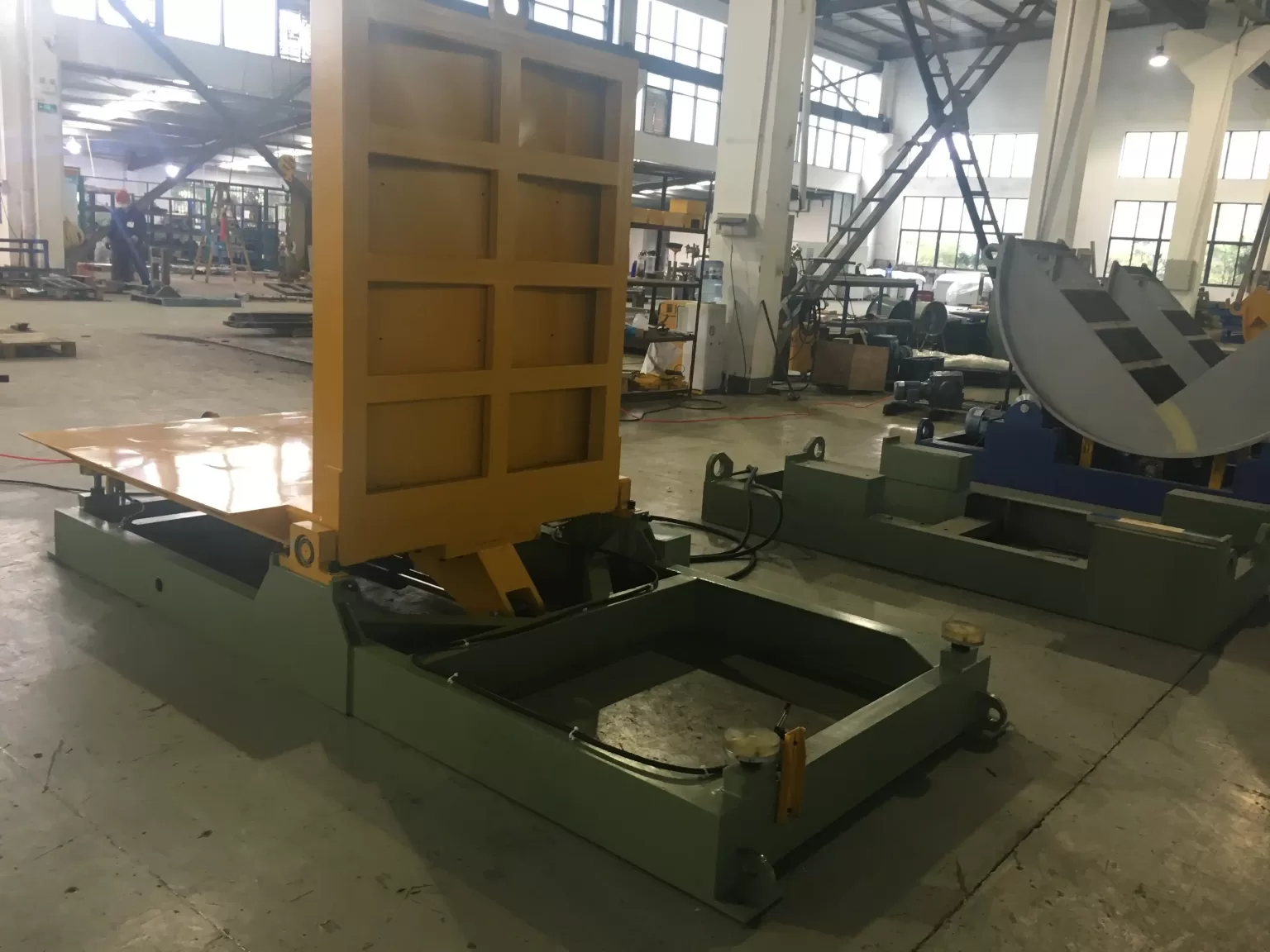
When I started FHOPEPACK, I knew that a machine’s foundation defines its future. In the packing machine industry, especially when dealing with heavy materials like steel coils, compromise on build quality is not an option. Think about what India’s industrial environments throw at equipment. You have high ambient temperatures that can push components past their limits. There is fine dust from metal processing, which gets into everything. Humidity can cause corrosion. Power fluctuations are common. A strong build quality is not just a nice-to-have; it is a must.
This means looking closely at the materials used. The main frame should be of thick, high-strength structural steel. It needs to be welded correctly, with stress points reinforced. I have seen machines with frames that flex under load, leading to misalignment and premature wear. This is a common issue with cheaper models. Protection for vital components is also key. Electrical panels must be sealed to a high IP rating, like IP54 or higher. This stops dust and moisture from getting in and causing short circuits. Motors and gearboxes need proper enclosures and cooling systems. Bearings should be heavy-duty and sealed. Lubricants need to be effective across a wide temperature range.
Consider the mechanics:
Key Aspects of Robust Construction:
- Frame Material and Design:
- High-Grade Steel: Not just any steel. It needs to be certified to handle heavy dynamic loads.
- Reinforced Welds: Welds are failure points if not done right. They must be strong and consistent.
- Modular Design: Allows for easier replacement of parts, but the core structure must remain rigid.
- Component Protection:
- IP-Rated Enclosures: For all electrical and sensitive hydraulic components. This stops dust and water ingress.
- Heat Dissipation: Fans, heat sinks, or even air conditioning for control cabinets in extreme heat.
- Sealed Bearings and Joints: Prevents abrasive dust from causing wear.
- Power and Control Systems:
- Industrial-Grade PLCs: Designed for harsh conditions, not consumer-grade electronics.
- Voltage Surge Protection: Protects against power fluctuations, which are common in many industrial areas.
- Heavy-Duty Wiring: Proper gauge wiring and durable insulation to prevent electrical failures.








