
What Is the Typical Capacity and Speed of a Steel Coil Strapping Line?
Steel mills often face a critical bottleneck: slow and inefficient coil strapping. This issue can derail your entire production schedule. It damages finished products. It also directly impacts your customer satisfaction and profitability. Manual or outdated strapping methods are simply not keeping pace with modern demands. Understanding the capabilities of automated strapping lines is the first step to overcoming these challenges.
A typical steel coil strapping line operates with a cycle time ranging from 30 to 60 seconds per strap. This means a single strapping head can apply approximately 60 to 120 straps per hour. Depending on the number of straps per coil and the coil dimensions, this translates to a capacity of 10 to 30 coils per hour. The total tonnage handled can be anywhere from 20 to 80 tons per hour, tailored to specific coil weights and production demands. (steel coil strapping line capacity, automatic strapping speed)
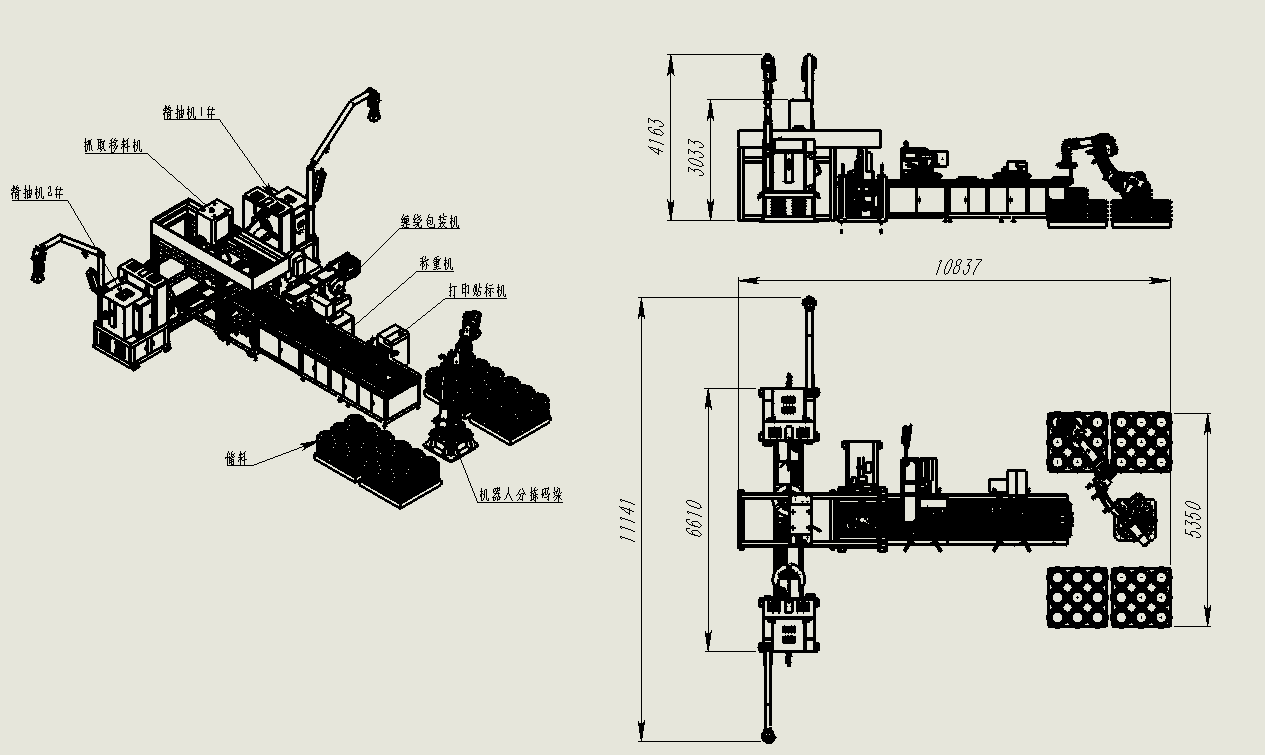
Now that we have a clear picture of the typical performance, let’s explore why these numbers matter so much. We will also look at how various factors influence a strapping line’s efficiency. My goal at FHOPEPACK is to help you achieve the best possible packing solution.
Why Does Coil Strapping Speed Matter for Steel Mills?
Slow strapping creates major production delays. It causes bottlenecks throughout your entire operation. This directly translates to lost time and decreased revenue. Your finished products cannot move quickly enough. A high-speed strapping system, on the other hand, keeps your operations flowing smoothly. It ensures your products are ready for shipment without unnecessary halts.
High strapping speed is critical for maximizing throughput and eliminating bottlenecks in modern steel coil production lines. It ensures a continuous and efficient material flow from the slitting or rolling mill directly to the dispatch area. Faster strapping means more coils processed per hour, directly impacting a steel mill’s overall productivity and ability to meet demanding delivery schedules. (steel mill throughput, coil production efficiency)
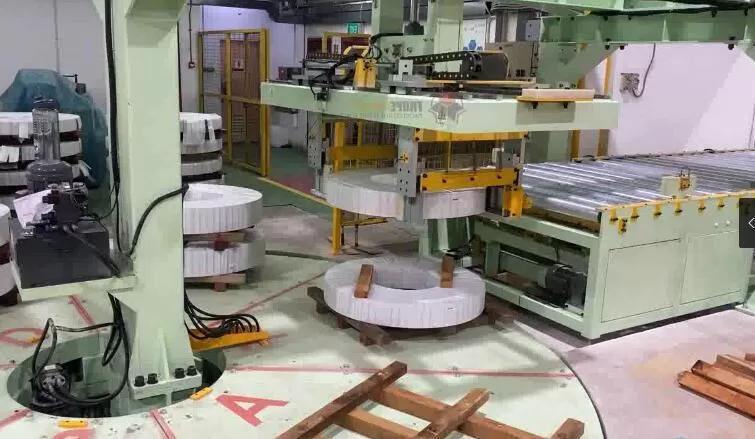
My journey in the packing machine industry has shown me firsthand how crucial speed is. A steel mill, often running 24/7, cannot afford any slowdowns. Imagine a production director like Ivan Petrov, responsible for shipping hundreds of tons daily. If the strapping line lags, it backs up everything. This affects cold-rolled coils, galvanized coils, and even color-coated coils. Each type requires specific handling. A fast strapping line must be versatile enough to adapt without losing momentum. This continuous flow helps meet tight customer delivery deadlines. It also reduces costly inventory buildup. For example, if your rolling mill produces 60 tons per hour, but your strapping line can only handle 40 tons, you have a 20-ton per hour bottleneck. This gap can lead to significant operational inefficiencies and missed shipping targets. A fast, reliable coil strapping system provides the necessary buffer and speed to keep up with high-volume production. It ensures every coil, regardless of its type or final destination in Europe or Asia, is packed promptly and securely. (packing line bottlenecks, operational efficiency, steel coil delivery)
What Factors Influence the Capacity of a Steel Coil Strapping Line?
Many people assume capacity is just about speed. However, the reality is far more complex. Focusing only on cycle time can lead to poor investment choices. You might end up with equipment that does not truly fit your specific needs. This wastes valuable resources and money.
A steel coil strapping line’s true capacity is a multifaceted metric, influenced significantly by coil dimensions (weight, width, inner and outer diameters), the required number of straps per coil, the type of strapping material used (PET versus steel), the overall level of automation, and its seamless integration with both upstream and downstream production processes. (coil strapping factors, packing line capacity determinants)
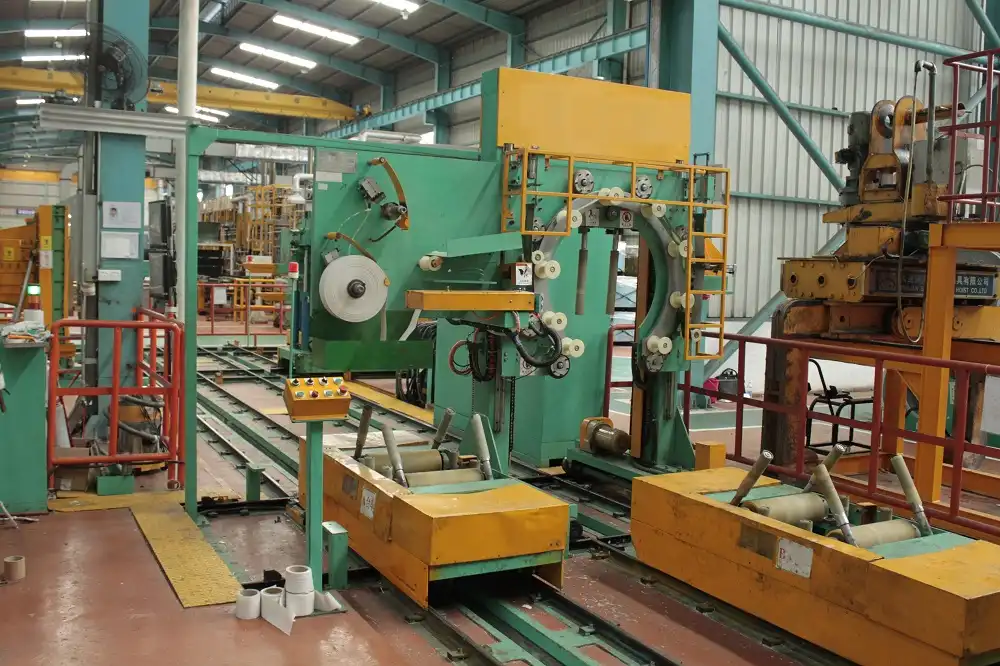
At FHOPEPACK, we understand that every steel mill has unique requirements. Based on my experience, here are the key factors that I always consider when designing a customized solution:
-
Coil Specifications and Variety:
- Weight (1-3 tons) and Dimensions: Larger or heavier coils naturally require more time for handling, positioning, and strapping. The strapping line must be robust enough to manage these variations smoothly. For instance, a line designed for narrow slit coils will have different capabilities than one handling wide master coils.
- Inner Diameter (ID) / Outer Diameter (OD) and Width: Variations in these measurements mean the machine must adjust quickly. This affects the positioning time and the length of strap needed. A system that can automatically detect and adapt to different coil sizes without manual intervention is vital for maintaining high capacity. This addresses Ivan’s challenge of adapting to varying coil dimensions.
-
Number of Straps Required Per Coil:
- Each additional strap adds to the total cycle time. For coils requiring four straps, the overall time will be longer than for coils needing only two. My systems at FHOPEPACK can be configured for multiple strapping heads to apply straps simultaneously or sequentially, optimizing the cycle time for the specific number of straps required.
-
Strapping Material and Technology:
- PET (Polyester) vs. Steel Strapping: PET strapping is often applied faster and with less noise. Steel strapping, while incredibly strong, might require more robust tensioning systems. These can slightly increase the cycle time. Modern lines can handle both, offering flexibility.
-
Level of Automation and Integration:
- A fully automated line, including automatic conveying, centering, strapping, and discharge, offers significantly higher capacity than a semi-automatic or manual system. The integration with your existing slitting or rolling line is also crucial. Efficient buffering and transfer mechanisms prevent idle time and ensure continuous operation. This aligns with the need for a comprehensive “overall automation solution.”
-
Machine Reliability and Maintenance:
- Even the fastest machine will fail if it is not reliable. Frequent breakdowns reduce effective capacity drastically. FHOPEPACK focuses on robust engineering. This ensures high uptime, which is vital for continuous 24/7 operations in demanding environments like a steel mill. Our machines are built to last and perform consistently. (automated coil strapping, industrial packing solutions)
How Do Different Strapping Technologies Impact Line Performance?
Choosing the wrong strapping technology can severely impact your packing quality. It can slow down your entire operation. This means more customer complaints. It also affects your reputation. Making an informed decision here is truly critical for any steel mill looking to optimize its processes.
Different strapping technologies, primarily PET (Polyester) and traditional steel strapping, offer distinct advantages and disadvantages in terms of tensioning strength, material durability, operational costs, and machine maintenance requirements. These differences directly influence a steel coil strapping line’s overall performance, speed, and suitability for various product types and shipping standards. (PET strapping vs steel, industrial strapping technology)
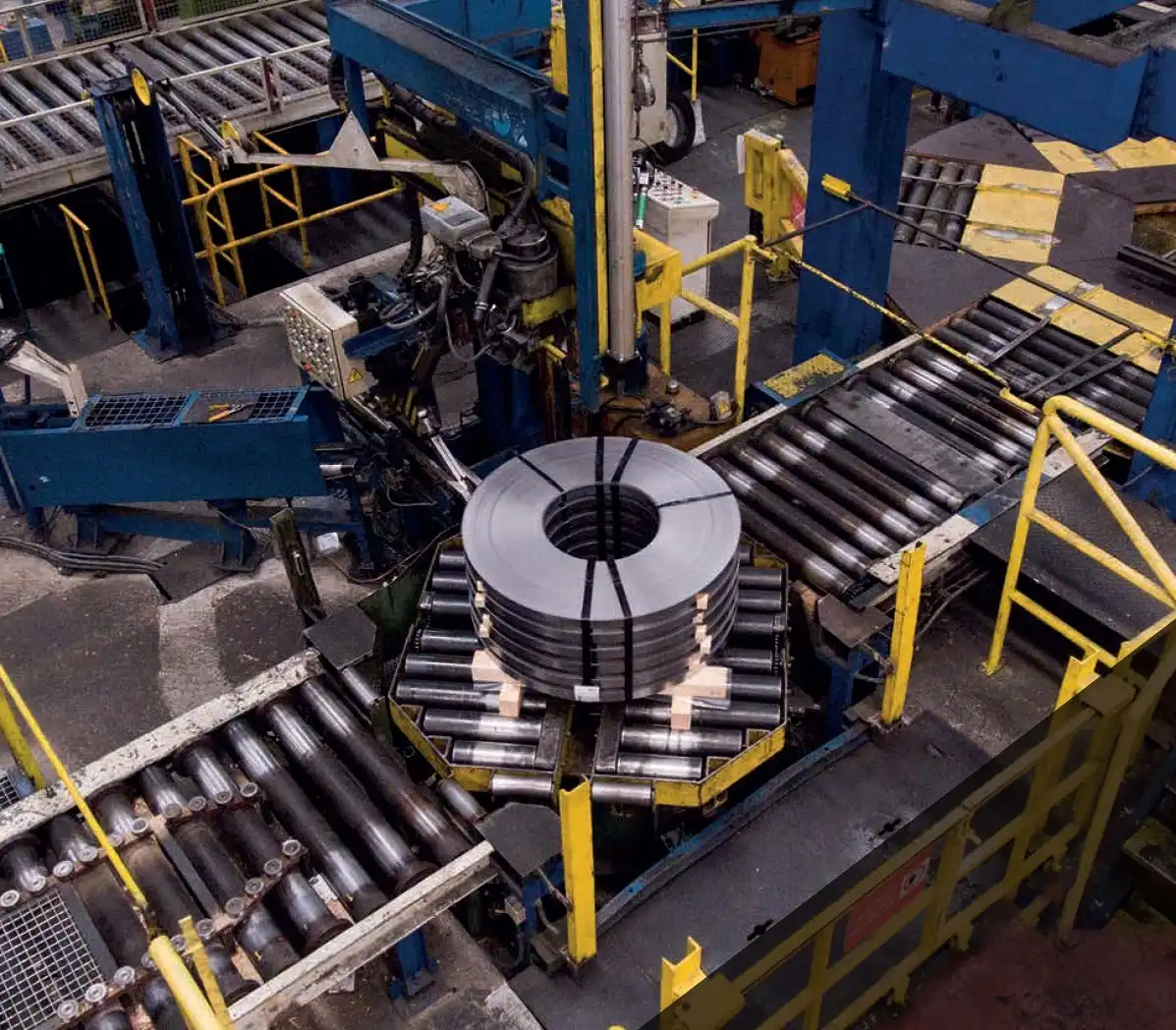
My years in the industry have taught me that there is no one-size-fits-all solution. The choice of strapping technology depends on several factors, including the type of steel coil, transportation methods, and customer requirements. Here’s a breakdown of how different technologies affect performance:
-
Steel Strapping:
- Strength and Security: Steel strapping is renowned for its extreme tensile strength. It is ideal for exceptionally heavy and compact steel coils that require maximum security during transit. It provides a non-elastic, rigid hold.
- Application Speed: While effective, steel strapping systems can sometimes have slightly longer cycle times compared to PET. The heavier nature of the strap and the more robust sealing mechanisms often require more precise alignment and tensioning.
- Maintenance: Steel strapping machines tend to involve more wear and tear on components like cutters and feeders due to the material’s rigidity. Regular maintenance is crucial to prevent operational downtime.
-
PET (Polyester) Strapping:
- Flexibility and Shock Absorption: PET strapping offers excellent elasticity and shock-absorbing properties. This makes it highly effective for securing coils that may shift or settle during long-distance transportation. It maintains tension over time.
- Corrosion Resistance: Unlike steel, PET strapping is rust-proof and corrosion-resistant. This is a significant advantage for steel coils, especially those exposed to moisture during transit or storage, such as galvanized or color-coated coils.
- Safety and Efficiency: PET strapping is lighter and safer for operators to handle. It also tends to be applied faster due to its material properties and the design of PET strapping heads. This contributes to higher overall line speeds.
- Cost-Effectiveness: Often, PET strapping can be more cost-effective per meter than steel, offering savings on material. It also typically requires less frequent machine maintenance.
-
Hybrid or Combination Systems:
- Many modern steel mills, like the one Ivan manages, produce diverse products. They need both strength and flexibility. For this reason, FHOPEPACK offers advanced strapping lines that can accommodate both PET and steel strapping. This allows seamless switching based on the specific coil type or customer requirement. For example, cold-rolled coils for domestic use might use PET, while export-bound galvanized coils might require steel strapping with a specific CE/ISO certification. This versatility helps maximize performance across a varied product range. Such systems address challenges like “product diversification” and “higher customer demands,” providing customized and adaptable strapping solutions. (customized strapping solutions, coil packaging materials)
What Are the Key Benefits of Automating Your Coil Strapping Process?
Manual strapping is inherently risky. It often leads to inconsistent quality. It also drives up operational costs. This can harm your business. Automation offers a powerful solution. It transforms these challenges into significant advantages for your steel mill.
Automating the steel coil strapping process delivers profound benefits across multiple operational dimensions. These include dramatically increasing operational safety by removing manual handling risks, significantly enhancing packing consistency and overall quality, substantially reducing labor costs due to minimized human intervention, and achieving higher throughput rates. These combined advantages lead to greater overall efficiency and improved profitability for steel mills. (automated strapping benefits, packing automation advantages)
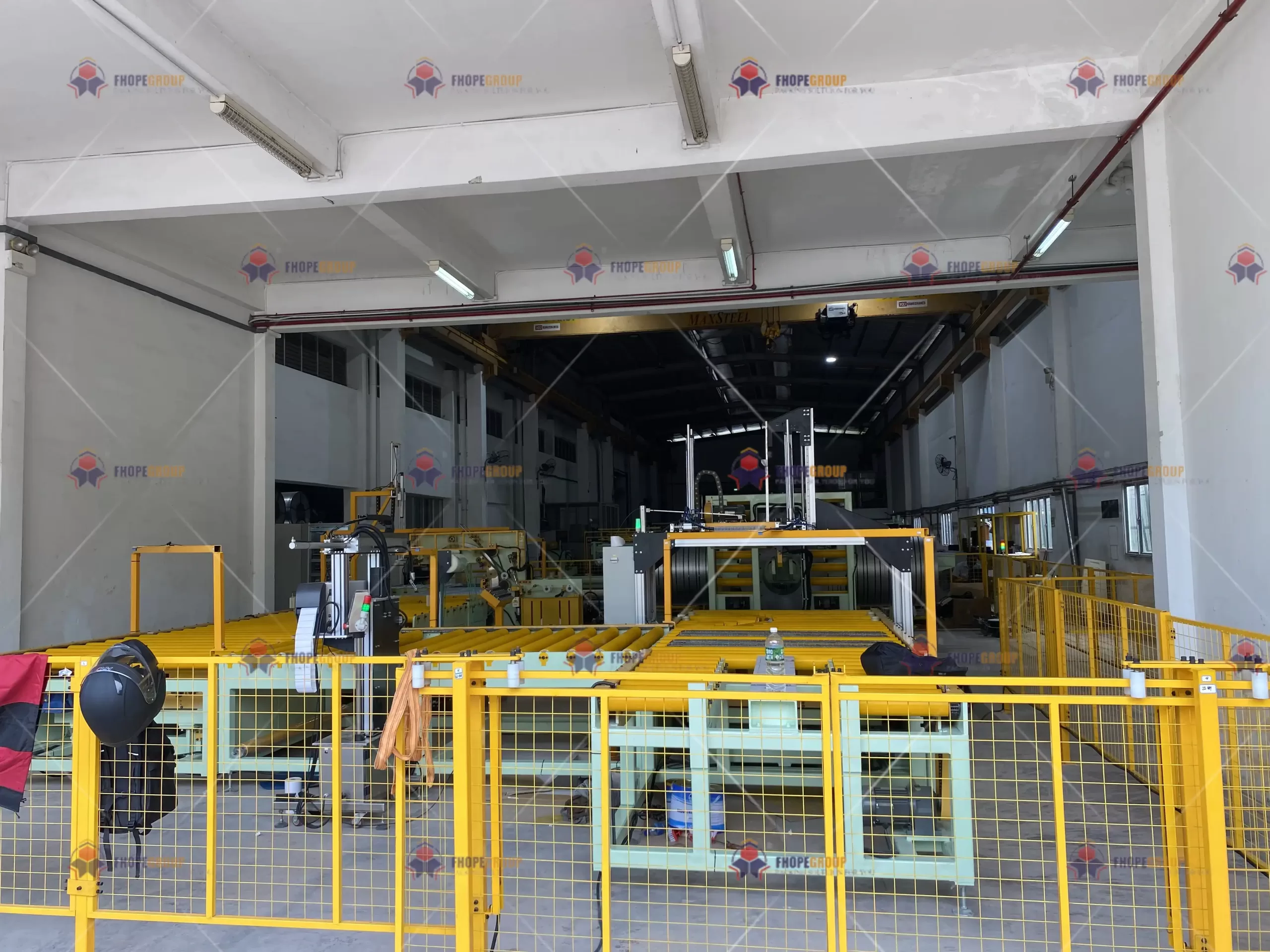
My work with numerous clients has consistently demonstrated these benefits. The shift from manual to automated strapping is not just an upgrade; it is a strategic investment that pays dividends. Here’s how it helps steel producers:
-
Enhanced Operational Safety:
- Reduced Injury Risk: Manually handling heavy steel coils and applying strapping is dangerous. It can lead to severe crush injuries or strain. Automated systems take over the lifting, turning, and strapping. This dramatically reduces direct human contact with heavy machinery and sharp materials. It lowers the risk of workplace accidents and injuries. This directly addresses Ivan’s goal of “ensuring safe production” and reducing labor intensity.
-
Consistent Packing Quality:
- Uniform Tension and Secure Bundling: Automated machines apply precise, consistent tension to every strap. This prevents the common issue of uneven film tension or loose bundles often found in manual operations. Consistent quality means coils remain securely packaged during transport. It prevents loosening or damage that can lead to customer complaints and returns. This meets Ivan’s need for “optimizing packaging quality” to export standards.
-
Significant Labor Cost Reduction:
- Solving Labor Shortages: High-intensity manual labor environments, such as those found in steel mills, often struggle with retaining workers. Young workers might leave due to the demanding nature of the job. Automated strapping lines drastically reduce the need for manual intervention. This frees up personnel for other, more skilled tasks. It addresses Ivan’s challenge of “labor shortage” and “reliance on manual strapping.”
-
Higher Throughput and Efficiency:
- Continuous Production: Automated lines operate continuously. They do not get tired. They do not need breaks. This ensures a steady flow of packaged coils. It eliminates bottlenecks at the packing stage. The result is higher overall production capacity. This aligns with Ivan’s goal to “increase automation levels” through a full automatic coil packing line.
-
Optimized Material Usage and Cost Savings:
- Reduced Waste: Automated systems apply the correct amount of strapping material with minimal waste. Unlike manual methods, where over-tensioning or incorrect application can lead to material loss, automation ensures efficiency. This contributes to Ivan’s goal of “reducing comprehensive costs” by cutting down on packaging material consumption.
-
Meeting Higher Customer Demands:
- Compliance and Special Packaging: Automated lines can precisely apply barcodes, waterproof wrapping, and handle various strapping types (PET/steel) to meet stringent export requirements, including CE/ISO certifications. This level of precision and consistency is difficult to achieve manually. It helps address Ivan’s challenge of “higher customer requirements” for international shipments. (steel coil automation, workforce safety, packing consistency)
How Can You Optimize Your Steel Coil Strapping Line for Maximum Efficiency?
Simply installing an automated strapping line is just the beginning. To truly unlock its full potential, you must actively optimize its operation. Many steel mills overlook these critical steps. This can prevent them from reaching peak performance and maximizing their investment.
Optimizing a steel coil strapping line for maximum efficiency requires a multi-pronged approach. This includes implementing rigorous regular maintenance schedules, ensuring seamless integration with existing production planning and MES systems, providing comprehensive operator training, consistently using high-quality strapping materials, and leveraging advanced features such as automatic fault diagnosis and remote technical support capabilities. (strapping line optimization, packing line efficiency tips)
My team at FHOPEPACK often works with clients to fine-tune their operations. We make sure they get the most out of their investment. Based on our experience, here’s how to achieve peak performance:
-
Implement a Robust Preventive Maintenance Schedule:
- Ensuring Uptime: Automated lines are designed for continuous operation. However, mechanical systems need care. Regular preventive maintenance prevents unexpected breakdowns. It ensures components are replaced before they fail. This is crucial for maintaining 24/7 reliability, which is a top concern for directors like Ivan. FHOPEPACK offers comprehensive maintenance support and spare parts supply. This builds the long-term partnership Ivan is seeking.
-
Achieve Seamless Integration with Production Systems:
- Harmonized Flow: Your strapping line should not be an isolated island. It needs to communicate effectively with your upstream slitting or rolling mills. It also needs to integrate with your plant’s Manufacturing Execution System (MES). This integration ensures coils flow smoothly from production to packing. It prevents bottlenecks and maximizes overall line efficiency. It directly meets Ivan’s need for a solution “that integrates seamlessly with the production line.”
-
Provide Comprehensive Operator Training:
- Skilled Workforce: Even the most advanced machine needs skilled operators. Proper training ensures your team understands the machine’s functionalities. They learn how to troubleshoot minor issues. They also learn how to perform daily checks. A well-trained operator can optimize machine settings for different coil types. This reduces errors and increases productivity. FHOPEPACK provides detailed training programs as part of our turnkey solutions.
-
Utilize High-Quality Strapping Materials:
- Reliable Performance: The quality of your strapping material (PET or steel) significantly impacts machine performance. Low-quality straps can lead to breakages. They can cause machine jams. This results in costly downtime and product damage. Investing in certified, high-quality strapping ensures consistent machine operation. It guarantees secure packaging.
-
Leverage Advanced Features and Technology:
- Smart Diagnostics: Modern strapping lines come with features like automatic fault diagnosis. They have remote monitoring capabilities. These tools allow for quicker identification and resolution of issues. Remote support from FHOPEPACK engineers can minimize downtime. They can prevent minor problems from escalating.
- Customization and Flexibility: An optimized line is also one that is customized to your specific production needs. It should adapt to varying coil diameters, weights, and packaging requirements (e.g., specific moisture protection or labeling for export). FHOPEPACK excels at providing “best customized packing solutions” to address such diverse needs. This adaptability is key for future-proofing your operations against changing market demands. (preventive maintenance, production line integration, smart packing solutions)
Conclusion
Understanding and optimizing the capacity and speed of your steel coil strapping line is essential for any modern steel mill. An automated, well-maintained system boosts throughput, enhances safety, and ensures consistent packaging quality. FHOPEPACK is your trusted partner. We deliver reliable, customized coil packing line solutions tailored to your unique operational requirements. This includes robust after-sales support and expert guidance.








