
What Is a Slit Coil Packaging Line and How Does It Work in Steel Processing?
Have you ever faced delays in your steel mill’s dispatch area? Do you worry about inconsistent packaging quality leading to customer complaints or even penalties? I know these challenges well. For years, I watched steel operations struggle with manual processes, labor shortages, and inconsistent packaging. This led to lost time and increased costs. (packaging challenges, steel mill efficiency)
A slit coil packaging line is an automated system designed to efficiently and safely package narrow steel coils after they have been cut from a larger master coil. This integrated process ensures coils are secured, protected, and ready for storage or shipment, drastically reducing manual labor and improving overall product quality and throughput in steel processing operations.

Understanding this crucial technology can transform your operations. Join me as I share insights from my journey in the packing machine industry. We will explore how these lines work and why they are vital for any modern steel processing facility. (automated packaging solutions, steel coil handling)
What Exactly Is a Slit Coil Packaging Line?
Imagine your cold rolling or slitting workshop. You have hundreds of tons of steel coils needing to move out every day. The thought of delays or damaged goods is a constant worry. A traditional manual setup often feels like a bottleneck, right? This is where modern solutions come in. (steel production bottlenecks, manual packaging issues)
A slit coil packaging line is a comprehensive, automated system that integrates various machines to handle, protect, and prepare individual slit steel coils for distribution. It replaces laborious manual tasks with precise, high-speed mechanical processes, ensuring uniform packaging quality and enhancing operational safety within a steel factory.
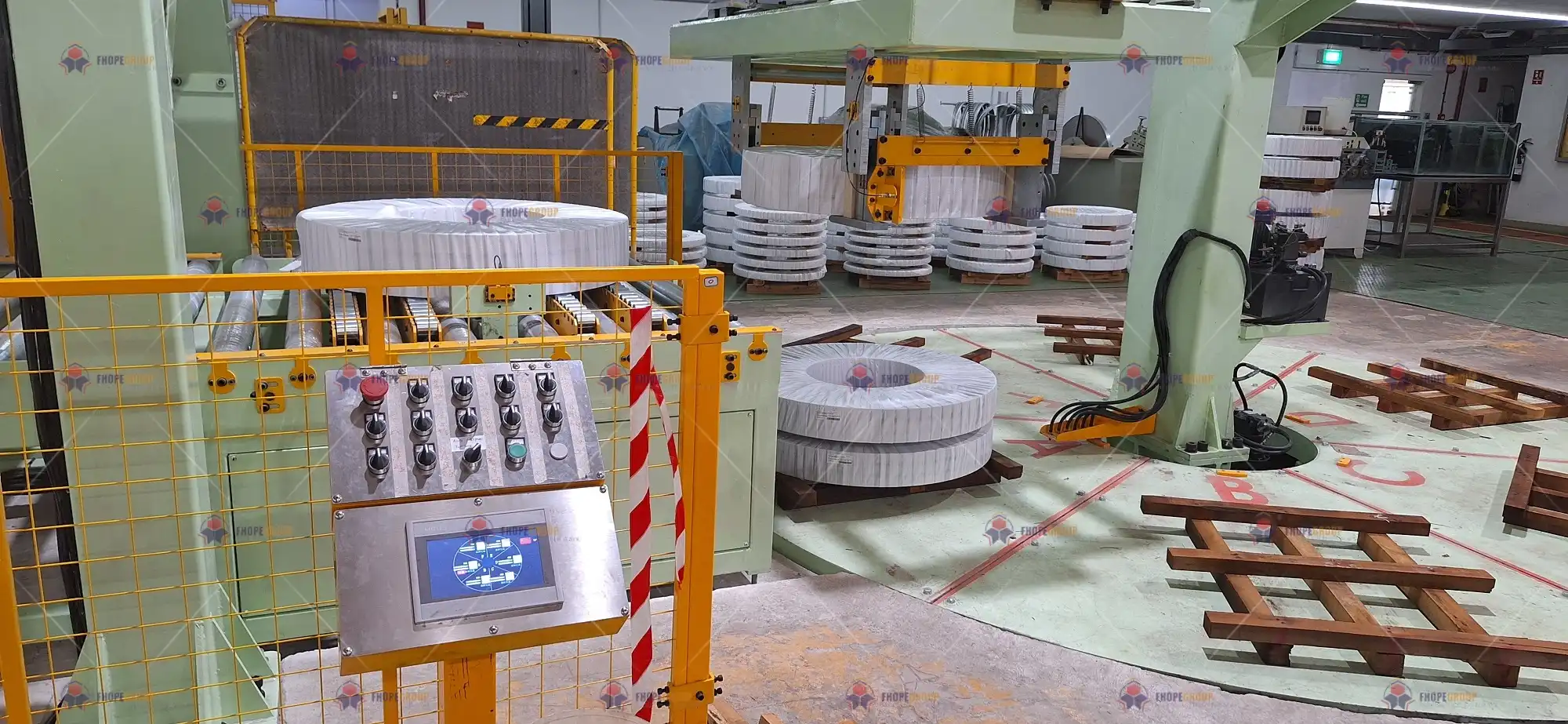
Let’s dive deeper into what makes up such a critical system and why it is more than just a collection of machines.
-
More Than Just Machines: A Cohesive System A slit coil packaging line is not just about one machine. It is a complete workflow. Think of it as a series of interconnected stations. Each station performs a specific task. This could be lifting, turning, wrapping, or strapping. The goal is a seamless process. It ensures each coil moves smoothly from production to dispatch. This integration is key to solving complex packaging needs. (integrated packaging solutions, efficient coil handling systems)
-
Addressing Diverse Coil Requirements Steel mills produce many types of coils. You might have cold-rolled, galvanized, or color-coated coils. Each needs a different approach. Our systems are designed for this flexibility. They adapt to varying coil diameters and weights. They can handle coils from 1 to 3 tons. The inner and outer diameters can also change. This adaptability means fewer manual adjustments. It leads to continuous production flow. (customized coil packaging, variable coil sizes)
-
Safety and Reliability are Paramount Safety is always a top concern in any steel mill. Manual handling of heavy steel coils poses significant risks. An automated line reduces the need for human interaction with heavy loads. This lowers the risk of accidents and injuries. Also, these machines are built for continuous operation. They run 24 hours a day, in two shifts. This ensures high reliability and consistent output. It avoids costly downtime. (industrial safety packaging, reliable packing machinery)
Feature Manual Process Automated Slit Coil Packaging Line Safety High risk of crush injuries, strain, falls Significantly reduced manual handling, fewer accidents Efficiency Slow, inconsistent, prone to delays High speed, continuous flow, consistent throughput Quality Variable tension, loose strapping, poor protection Uniform tension, tight strapping, optimal protection Labor Cost High labor dependency, rising wages Reduced labor requirement, lower operational costs Consistency Depends on operator skill, fatigue Machine precision, repeatable results Material Waste Higher due to errors, rework Optimized material usage, less waste Adaptability Tedious manual changes for different coils Automated adjustments for various coil specifications Customer Needs Hard to meet strict export/branding standards Capable of CE/ISO, barcode, custom branding requirements (automated steel solutions, packaging line benefits)
Why Are These Lines Essential for Modern Steel Processing?
Are your current packaging methods hindering your daily output goals? Do you struggle with a shortage of skilled workers in your packaging area? In today’s competitive steel market, efficiency and quality are not just good ideas. They are absolutely necessary. (steel market competition, production efficiency)
Slit coil packaging lines are essential because they directly address critical challenges in modern steel processing, such as labor shortages, inconsistent packaging quality, and the need for higher production throughput. They provide automation, enhanced safety, and improved product protection, ensuring that steel mills meet demanding customer requirements and maintain a competitive edge.

I’ve seen firsthand how a well-implemented packaging line can transform a struggling factory. Let’s look at the key reasons why these lines are indispensable.
-
Battling Labor Shortages and High Intensity Work The steel industry often faces a challenge: finding enough young workers for physically demanding jobs. Manual strapping and wrapping tasks are labor-intensive. They lead to high turnover. An automated line reduces reliance on manual labor. This means fewer people are needed for these tough jobs. It also frees up existing staff for more skilled tasks. This helps maintain a stable workforce. (labor cost reduction, industrial automation)
-
Ensuring Consistent Quality and Protection Manual packaging often results in varying quality. Film tension might be uneven. Straps might not be tight enough. This can lead to loose packaging during transport. It makes products vulnerable to rust, scratches, and moisture. Automated lines apply consistent tension and secure strapping every time. They provide superior protection. This reduces damage claims and boosts customer satisfaction. (packaging quality control, product protection solutions)
-
Meeting Evolving Customer Demands Customers today expect more. Export clients often require specific certifications like CE or ISO. They also need added features like barcode labels for tracking. Meeting these demands manually is complex and slow. Automated lines can integrate these features seamlessly. They can apply barcodes. They can perform specialized wrapping for strict moisture protection. This helps meet global standards and strengthens customer trust. (export packaging standards, customer satisfaction)
- Common Customer Requirements:
- CE/ISO Certification: Essential for European and international markets. Our lines can produce packaging that meets these rigorous standards.
- Barcode Labeling: For efficient inventory management and traceability. Automated systems integrate label applicators for precise placement.
- Strict Moisture Protection: Crucial for preventing rust during long-distance transport. Advanced wrapping techniques, often using stretch or shrink film, ensure complete coverage.
- Consistent Packaging Appearance: Professional and uniform packaging enhances brand image. (international trade compliance, steel coil branding)
- Common Customer Requirements:
How Does a Slit Coil Packaging Line Work, Step-by-Step?
Do you ever wonder how all those steel coils move so smoothly through a packaging plant? Is there a way to ensure each step is efficient and perfectly timed? The magic is in the sequence. Each part of the line plays a specific role. It all works together to create a final, well-protected product. (packaging line workflow, steel coil processing sequence)
A typical slit coil packaging line works by systematically moving a steel coil through a series of automated stations. These include weighing, conveying, rotating, wrapping (with stretch or shrink film), strapping (with PET or steel bands), and often stacking or labeling. Each step is precisely controlled to ensure the coil is securely packed according to specific requirements, minimizing manual intervention and maximizing throughput.
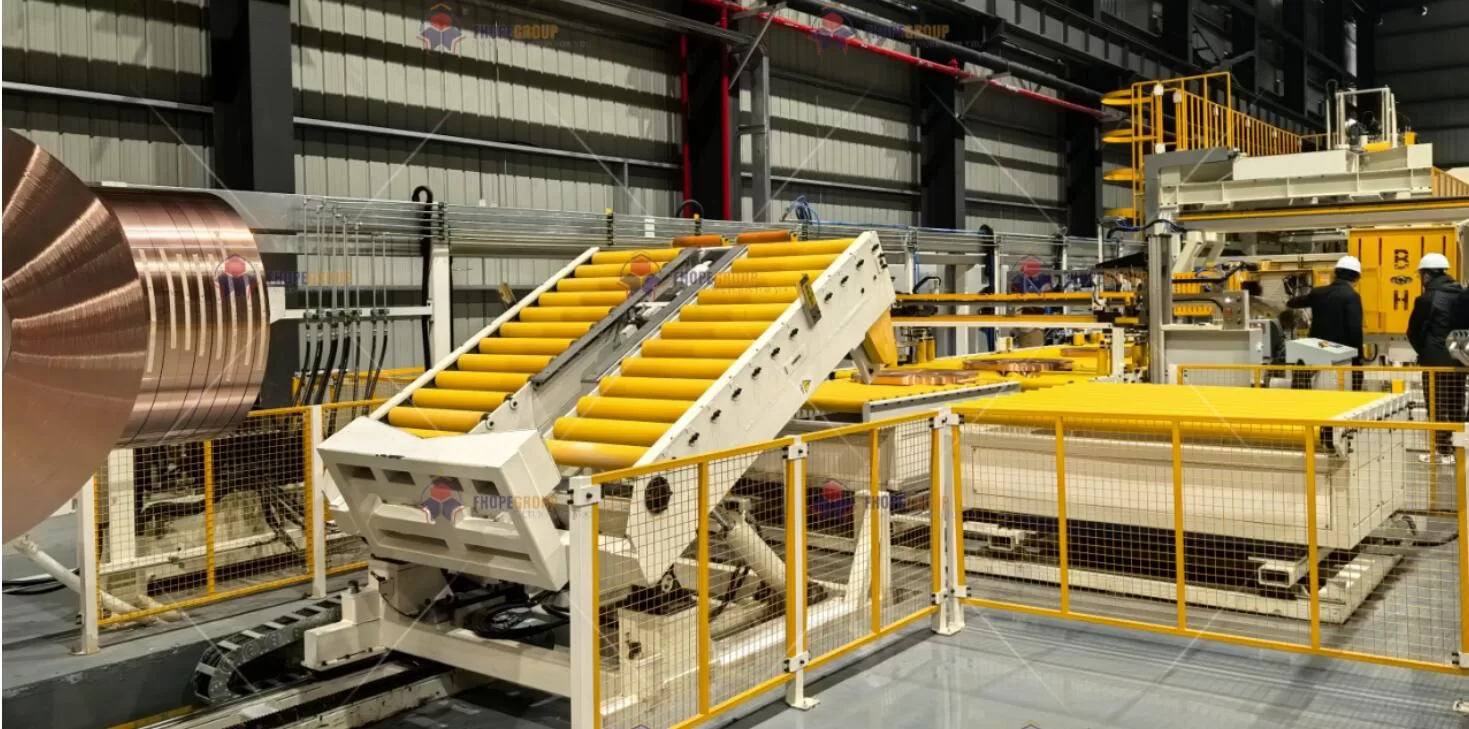
Let me break down the essential steps involved in a fully automated line, based on my experience helping many clients achieve their production goals.
-
Coil Entry and Weighing: The process begins with the slit coils entering the packaging line. This often involves a conveyor system or a coil car. The first station typically includes an automatic weighing scale. This records the coil’s weight. It is crucial for inventory and shipping documentation. This initial step ensures accurate data capture from the start. (coil weighing system, material handling automation)
-
Coil Turning and Centering: After weighing, coils may need to be turned. Sometimes, they arrive eye-to-sky. But they need to be eye-to-wall for wrapping. A coil tilter or turntable handles this. It rotates the coil safely and efficiently. Then, the coil is centered on the next conveyor. This prepares it for the wrapping and strapping stations. Proper centering is vital for uniform packaging. (coil tilter, coil centering equipment)
-
Automatic Wrapping Station: This is where the primary protection happens. The coil moves into a wrapping machine. This machine uses stretch film or shrink film. It creates a tight, moisture-proof barrier around the coil. The machine applies the film consistently. It covers the entire surface. This protects against rust, dust, and scratches. The wrapping can adapt to different coil widths and diameters automatically. (stretch film wrapper, anti-rust packaging)
-
Automatic Strapping Station: Once wrapped, the coil moves to the strapping machine. This machine applies strong PET or steel bands around the coil. The bands secure the wrapping. They also hold the coil shape during transit. The strapping tension is adjustable. This ensures the bands are tight but do not damage the coil edge. Multiple straps can be applied quickly. (automatic strapping machine, steel coil bundling)
-
Labeling and Marking: Many modern lines include an automatic labeling system. This system applies barcodes or other identification labels to the packaged coil. This is important for tracking and inventory management. It also helps meet specific customer requirements, especially for export. Clear labels prevent mix-ups and improve logistics. (automatic label applicator, product traceability)
-
Stacking and Exit: Finally, the packaged coils are moved to the exit area. This might involve an automatic stacker. The stacker neatly arranges coils for storage or loading. Or, a coil car might transport them directly to a warehouse or shipping bay. The entire sequence is automated. This ensures minimal manual intervention and maximum safety. (automated coil stacking, finished product dispatch)
What Key Features Should You Look for in a High-Performance System?
Are you tired of packaging machines that break down often? Do you need a system that can handle all your different coil types without constant adjustments? Choosing the right packaging line is a big decision. It affects your entire production process and your bottom line. (packaging machine reliability, customized packaging solutions)
When investing in a high-performance slit coil packaging line, focus on reliability, adaptability, safety, and integration capabilities. Look for systems designed for continuous 24/7 operation, able to handle diverse coil specifications, equipped with features that reduce manual labor and prevent accidents, and capable of seamless integration into your existing steel processing infrastructure.
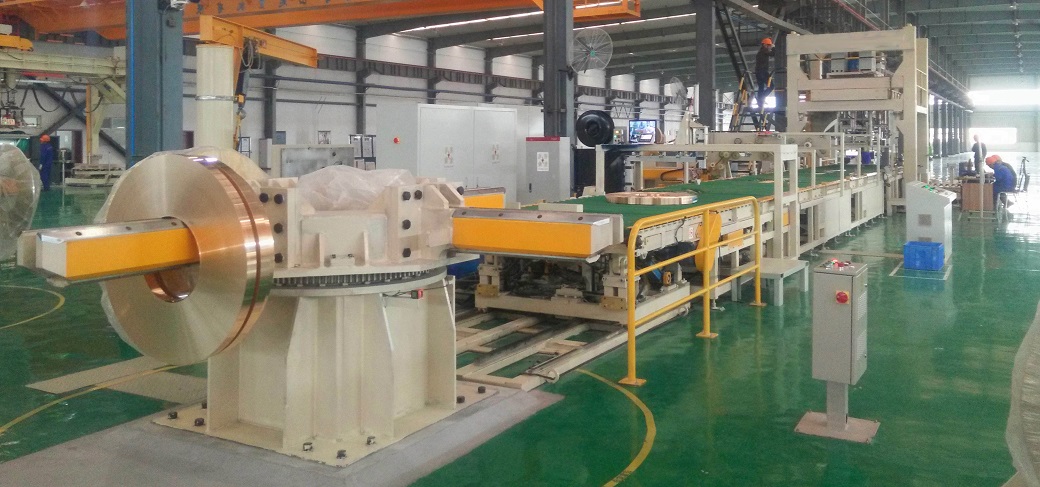
Based on my years of helping steel mills, I know what truly matters. Here are the top features you should prioritize to ensure you get the best value and performance.
-
Unmatched Reliability and Continuous Operation: Your steel mill runs around the clock. Your packaging line must do the same. Look for machines built with heavy-duty components. They should be designed for 24-hour, two-shift operations. High-quality parts mean less downtime. This ensures your production flow is never interrupted. Ask about the mean time between failures (MTBF). This tells you about a machine’s expected reliability. (24/7 industrial machinery, heavy-duty packaging equipment)
-
Versatility for Diverse Coil Specifications: Your mill produces various coils. They have different weights, inner diameters, and outer diameters. Your packaging line must adapt easily. It should handle coils from 1 to 3 tons. It needs quick adjustments for varying dimensions. This flexibility avoids manual switching. It keeps your production running smoothly, even with product diversity. (flexible packaging systems, multi-size coil handling)
-
Superior Packaging Quality and Protection: Customers expect perfect coils. This means rust-proof, scratch-proof, and moisture-proof packaging. The system should offer options like PET or steel strapping. It also needs advanced wrapping methods (stretch or shrink film). These protect the coil during transport and storage. Look for features that ensure consistent film tension and secure strapping. This protects your product and your reputation. (premium packaging quality, rust prevention for steel)
-
Enhanced Safety Features and Labor Reduction: Worker safety is critical. An automated line should significantly reduce manual intervention. This means fewer people near heavy machinery. Look for features like automated coil lifting, turning, and positioning. These reduce physical strain and injury risks. This improves safety standards. It also frees up your team for other tasks. (workplace safety automation, labor-saving machinery)
-
Seamless Integration and Turnkey Solutions: The best packaging line should fit into your existing production flow. It should connect smoothly with your upstream slitting or cold rolling lines. Look for suppliers who offer turnkey solutions. They handle everything from design to installation. They also provide comprehensive training and ongoing support. This includes spare parts availability. This ensures a smooth transition and long-term partnership. (integrated factory solutions, turnkey project management)
How Can an Automated Line Address Common Challenges in Steel Mills?
Are you still relying on manual labor for complex packaging tasks? Do you struggle to meet strict export requirements for your steel products? I have seen these problems slow down countless operations. But the good news is that modern technology offers clear solutions. (manual labor challenges, steel export compliance)
An automated slit coil packaging line effectively addresses common steel mill challenges by automating labor-intensive tasks, standardizing packaging quality, ensuring precise material handling for diverse products, and integrating compliance features for export. This leads to increased efficiency, enhanced safety, and substantial cost savings for the entire production process.
When I founded FHOPEPACK, I aimed to solve these exact issues. Let’s explore how our automated lines can directly overcome the hurdles many steel mills face today, ensuring a smoother and more profitable future for your business.
-
Overcoming Product Diversity Headaches:
- Challenge: Manual switching between packaging requirements for cold rolled, galvanized, and color-coated coils is slow and error-prone.
- Solution: An automated line comes with programmable logic controllers (PLCs). These allow for quick recipe changes. You can store settings for different coil types. The machine adjusts parameters like wrapping tension, strap positions, and film overlap automatically. This handles product diversity without significant manual effort or downtime. It ensures consistent quality across all product lines. (flexible production lines, automated coil customization)
-
Tackling Labor Shortages and High Turnover:
- Challenge: High-intensity manual bundling and wrapping lead to high worker turnover, making it hard to find and retain young talent.
- Solution: Automation takes over the repetitive and physically demanding tasks. Machines perform the strapping, wrapping, and handling of heavy coils. This reduces the need for constant manual intervention. Your existing workforce can focus on supervision or maintenance. It creates a safer and more appealing work environment. This helps retain skilled employees and reduces reliance on new hires for strenuous roles. (reducing labor dependency, improving worker retention)
-
Standardizing and Elevating Packaging Quality:
- Challenge: Manual operations often result in inconsistent film tension or loose strapping, leading to product damage during transport.
- Solution: Automated systems apply precise, uniform tension to films and straps every single time. They ensure consistent overlaps and secure bundling. This eliminates human error. It guarantees a high level of packaging quality for every coil. This prevents loosening during shipping. It dramatically reduces customer complaints and product returns. (consistent packaging quality, damage prevention)
-
Meeting Global Export and Certification Demands:
- Challenge: Export clients require CE/ISO certified packaging, barcode labels, and strict moisture protection. Manually achieving this is difficult.
- Solution: Advanced automated lines can integrate features specifically for export. This includes special wrapping patterns for enhanced moisture protection. It also has automatic label applicators for barcodes and compliance information. The entire process can be validated to meet international standards like CE or ISO. This makes your products ready for global markets. It boosts your factory’s reputation as a reliable supplier. (global market compliance, export-ready packaging)
What Is the Future of Coil Packaging, and How Can FHOPEPACK Help You Master It?
Are you looking for a long-term partner who can provide a complete solution, from design to ongoing support? Do you want to future-proof your steel mill’s packaging operations? The steel industry is always evolving. Packaging technology must keep pace. (future packaging trends, long-term industrial partnerships)
The future of coil packaging is defined by greater automation, smart integration with factory systems, predictive maintenance, and highly customizable solutions that adapt to diverse product demands and global market standards. FHOPEPACK stands ready to help you master this future by offering innovative, reliable, and tailored coil packing lines, supported by expert after-sales service and a commitment to your long-term success.
I started FHOPEPACK with a clear vision: to empower businesses like yours. We don’t just sell machines; we provide solutions and share knowledge. My journey from a factory employee to a successful entrepreneur taught me the value of reliable partners. This is why FHOPEPACK is committed to being that partner for you.
Here’s how we envision the future and how FHOPEPACK is leading the way:
-
Smart Factory Integration: Future packaging lines will talk to other factory systems. They will share data. This includes production schedules, inventory levels, and maintenance needs. This creates a fully connected smart factory. FHOPEPACK designs systems with advanced PLC controls. These are ready for Industry 4.0 integration. They optimize your entire production chain. (Industry 4.0 packaging, smart factory solutions)
-
Predictive Maintenance and Remote Support: Imagine a machine that tells you it needs maintenance before it breaks down. This is the future. Our lines incorporate sensors and diagnostic tools. These monitor performance. They can predict potential issues. This reduces unexpected downtime. FHOPEPACK also offers remote support. This means quicker troubleshooting and less disruption. (predictive maintenance technology, remote diagnostics)
-
Enhanced Customization and Flexibility: As product lines diversify, packaging solutions must become even more flexible. We focus on highly customizable designs. Our systems can adapt to new coil types and packaging requirements. This includes different materials and complex wrapping patterns. This ensures your investment stays relevant for years to come. (custom industrial machinery, adaptable packaging lines)
-
Sustainability and Material Optimization: Environmental responsibility is growing. Future packaging lines will optimize material use. They will reduce waste. This includes efficient film application. It also means using recyclable materials where possible. FHOPEPACK is always exploring new technologies. We aim for more sustainable and cost-effective packaging. (eco-friendly packaging solutions, sustainable manufacturing)
Conclusion
A modern slit coil packaging line is more than just equipment. It is a strategic investment for any steel processing plant. It boosts efficiency, enhances safety, and guarantees superior product quality. By embracing automation, you can solve labor challenges and meet global demands. Partner with FHOPEPACK to get a custom coil packing line that will master your packing needs and ensure long-term success. (automated packing solutions, steel industry efficiency)








