
Manufacturers often face the challenge of handling bulky molds safely and efficiently. A mold flipping machine provides a practical solution by allowing seamless 180-degree turns, reducing labor and time costs. Those in the industry who prioritize efficiency and safety are particularly interested in these machines, making them essential for modern manufacturing.
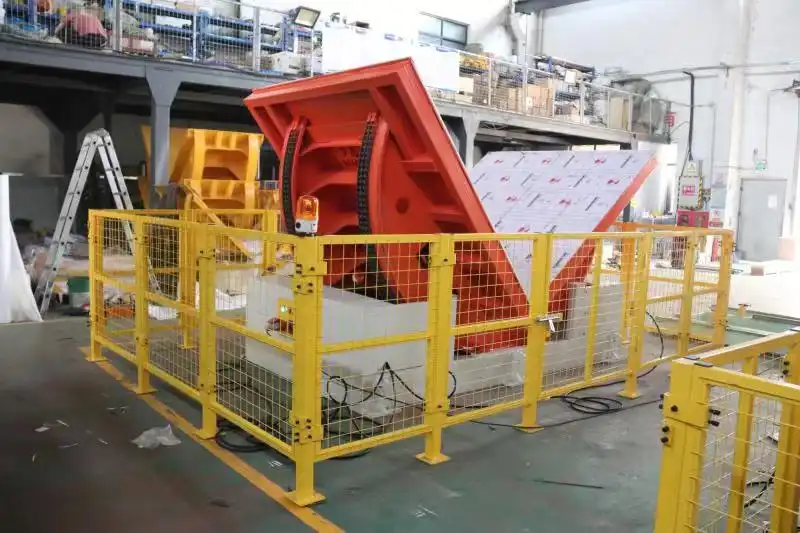
Industries such as automotive, plastics, and metal stamping greatly benefit from using mold flipping machines due to their ability to streamline production processes. These machines enhance safety and reduce manual labor, enabling workers to handle molds more efficiently. By promoting faster turnover times, mold flippers help businesses meet increasing demands and maintain high production quality.
Transitioning to more efficient operations often requires new equipment. In my decades in the field, I’ve seen firsthand the impact of mold flipping machines. The ease of handling heavy molds not only enhances productivity but also ensures worker safety. Let’s explore which sectors benefit the most and why these machines are game-changers.
1. Which Manufacturing Sectors Benefit the Most from Mold Flipping Machines?
Managing molds in manufacturing is no easy task. The heavyweights require precision, often demanding manpower and time. Problems arise when manual handling risks both workers and products. The need for a safer, efficient way is clear. Mold flipping machines solve this by streamlining 180-degree turning processes, cutting down on labor while boosting safety.
Industries with heavy lifting, like automotive, plastics manufacturing, and metal stamping, gain significantly from mold flipping machines. They ease the handling operations, cut down labor time, and enhance safety measures. By automating mold turning, these industries can save labor costs, ensure consistent quality, and accelerate production schedules, making them a vital investment.
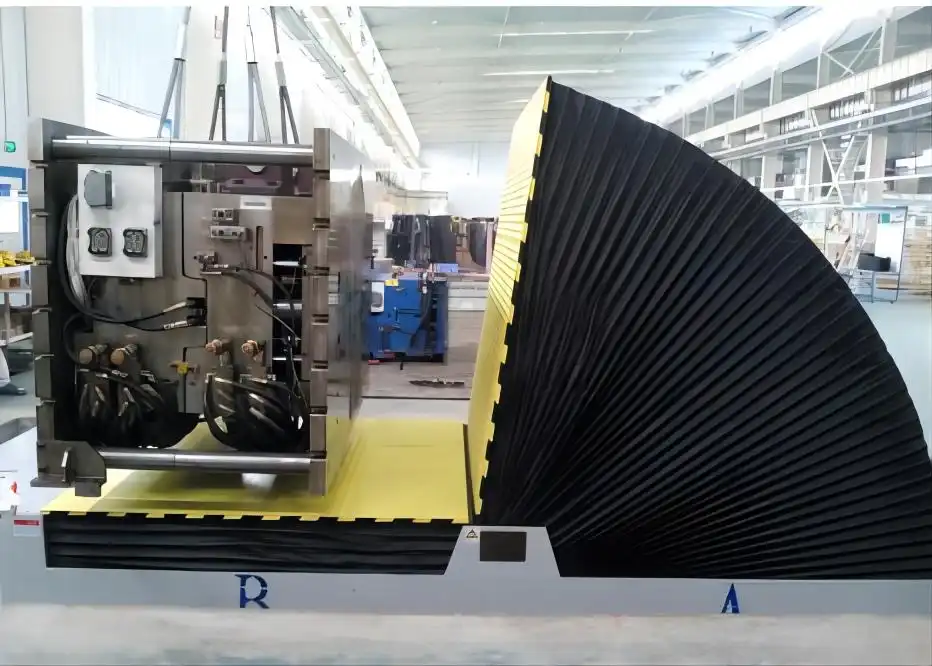
The Role of Mold Flipping Machines: A Focus on the Automotive Industry
The automotive industry is a prime example of where mold flipping machines shine. Car manufacturers often deal with hefty molds needed for components. Traditional methods of manually handling these molds not only increase the time but risk employee safety. The adoption of mold flipping machines changes this dynamic entirely.
These machines enable efficient movement, quick 180-degree turns, and that translates to reduced downtime. Safety is prioritized as machines handle the burden, minimizing the risk of injuries. Employees can focus on precision tasks while machinery tackles the heavy lifting. This shift means fewer workplace accidents, reduced labor costs, and higher productivity.
Let’s break this down further:
| Benefit | Impact |
|---|---|
| Safety | Reduces risk of manual handling injuries |
| Efficiency | Faster mold turnaround times |
| Labor Cost Reduction | Less manual labor needed |
| Productivity Boost | Focus shifts to tasks needing precision |
For the automotive sector, mold flipping machines are not just about turning molds—they’re a strategic enhancement in production. They ensure line workers can assemble without cumbersome molds in the way, creating fast-paced and safer assembly lines. Investing in these machines is a testament to an industry’s commitment to safety and quality in meeting modern demands.
My personal journey in the engineering landscape has often intersected with these marvels. Reflecting on decades past, I recall labor-intensive processes where a single mold flip could delay operations. The advent of the mold flipping machine has revolutionized this scenario. Embracing such technology is not just progress; it’s inevitable evolution.
## 2. How Do Mold Flipping Machines Improve Production Efficiency?

Struggling with lengthy production cycles can frustrate any manufacturing engineer. But there’s a remedy. Adopting mold flipping machines increases efficiency by turning molds quickly and effortlessly. This innovation slashes downtime, allowing businesses to catch up with production schedules and even surpass their output targets.

**Mold flipping machines improve production efficiency by eliminating manual handling, reducing turnaround time and increasing safety.** The automated rotation reduces mold damage risks and enhances workplace ergonomics. By optimizing the flipping process, manufacturers can focus resources on other crucial tasks, streamlining the overall production workflow.

%[mold flipping machine, mold flipper, mold 180 degree turning](https://www.fhopepack.com/blog/wp-content/uploads/2024/05/Mold-flipper-table-manufacturer2.webp "mold flipping machine")

### Delving Into Efficiency Gains

Mold flipping machines play a vital role in fine-tuning manufacturing efficiency. By automating the 180-degree turning of molds, they replace time-consuming manual labor with seamless and rapid rotations. This technological advancement brings several critical benefits to the table:

| Benefit Category | Impact | Description |
|------------------|--------|-------------|
| Time-Saving | High | Cuts mold rotation time drastically, enabling faster cycle times and higher throughput. |
| Labor Reduction | Moderate | Minimizes manual labor, reallocating workforce to strategic activities, increasing skill utilization. |
| Safety Improvement | High | Boosts safety by preventing workplace accidents, and reducing worker fatigue and injuries. |

With these enhancements, mold flipping machines contribute to cost optimization in manufacturing. The reduced need for human intervention not only decreases labor costs but also minimizes errors associated with manual handling. Recognizing these opportunities instills confidence in automated systems, demonstrating tangible enhancements in production cycles.

## 3. What Are the Economic Advantages of Implementing Mold Flipping Machines?

Reducing operational costs while maintaining quality is a continuous battle for manufacturers. Enter mold flipping machines. They provide economic benefits by cutting down on labor costs, lowering downtime, and ensuring quicker turnarounds. Businesses that embrace this technology position themselves for tangible financial rewards.

**Implementing mold flipping machines offers economic benefits by enhancing process efficiency, reducing labor expenses, and minimizing floor space usage.** These machines allow for quicker mold changes and optimal workflow management, resulting in lower operational costs and higher profit margins in the long run.

%[mold flipping machine, mold flipper, mold 180 degree turning](https://www.fhopepack.com/blog/wp-content/uploads/2024/05/Flipper-Lift-Table4.webp "mold flipping machine")

### Understanding Economic Impact

Mold flipping machines offer substantial economic advantages. They ensure operational excellence by improving mold handling efficiency. Here’s how they contribute to financial betterment:

| Economic Aspect | Advantage | Explanation |
|-----------------|-----------|-------------|
| Cost-Effectiveness | High | Reduces labor costs by replacing manual flipping tasks, resulting in a lean workforce. |
| Floor Space Utilization | Moderate | Allows for efficient use of space by integrating compact machinery, eliminating manual space constraints. |
| Profitability Boost | Strong | Shortens production cycle times, allowing increased productivity rates and revenue growth. |

By automating the mold flipping process, businesses can reduce wasted resources significantly. This helps keep operating costs in check while maintaining quality standards. Adapting to these machines affords companies a competitive edge in an ever-evolving manufacturing landscape.

## Conclusion

Mold flipping machines play a pivotal role in enhancing efficiency and productivity across various industries. By automating mold handling and reducing cycle times, sectors like automotive and electronics experience significant economic benefits. Embracing mold flipper technology is essential for manufacturers aiming to stay competitive and achieve sustained growth.







