
What Future Trends in Packaging Technology Will Impact the Design of Orbital Wrapping Machines?
The world of manufacturing moves fast. If you are a factory manager, like Michael Chen in Mexico, you know the pressure. You need to boost output, cut costs, and keep your team safe. I have been there. I started on the factory floor and built FHOPEPACK. I know the challenges of manual packing, slow processes, and high risks. This is why staying ahead of packaging technology trends is not just an option. It is a must for survival and growth in industries like metal processing. (manufacturing challenges, factory efficiency)
Future trends in packaging technology will transform orbital wrapping machines through advanced automation, integrated IoT for real-time monitoring, AI-driven optimization, and a strong focus on sustainable practices. These changes will lead to machines that are smarter, safer, more efficient, and better for the environment, directly impacting how factories wrap products like steel coils and wire for improved productivity and reduced operational costs.

These upcoming shifts are not just buzzwords. They are real solutions to real problems that many factory managers face every day. Understanding them can help you make smart choices for your factory’s future. Let us dive deeper into how these trends will shape the next generation of orbital wrappers and what it means for your business. (packaging technology future, orbital wrapping evolution)
How Will Automation and Robotics Enhance Orbital Wrapping Machine Efficiency?
Are your current packing lines struggling to keep up? Do you see piles of products waiting to be wrapped, creating bottlenecks? Many factories still rely on a lot of manual work for coil and wire packing. This makes the process slow and inefficient. It hurts your overall production and delivery times. Michael Chen, for example, faces this exact problem in his metal processing plant. He knows manual processes cause delays and higher costs. (manual packing challenges, production bottleneck solutions)
Automation and robotics will significantly boost orbital wrapping machine efficiency by speeding up processes, ensuring consistent wrap quality, and reducing the need for human intervention in repetitive or heavy lifting tasks. This means faster throughput, fewer errors, and a more streamlined end-of-line packaging operation, directly addressing the efficiency bottlenecks faced by many heavy manufacturing plants.

I remember building my own packing machine factory. Automation was key to growth. We saw how robots could take over heavy, repetitive jobs. This did not just make things faster. It made them more reliable. For a factory manager like Michael, investing in automation for his orbital wrapping machines means solving his production line bottleneck. It means getting products out the door quicker. Companies like FHOPEPACK and SHJLPACK are leading the way in integrating these features. We design machines that work seamlessly with existing production lines. This ensures a smooth transition to higher automation levels. It is about more than just speed; it is about smart, consistent production. We focus on systems that can handle the harsh conditions of a metal processing plant. They are durable and built to last. This gives you the best return on your investment over time. (automated packaging solutions, heavy duty orbital wrappers)
The Shift to Collaborative Robotics
The next generation of orbital wrapping machines will not just be standalone automated units. They will include collaborative robots, often called cobots. These cobots work alongside human operators, taking over the most physically demanding parts of the wrapping process. Think about a cobot that can automatically load heavy steel coils onto the wrapping platform. This removes the risk of back injuries for your workers. It also ensures precise placement every single time. Cobots are programmed to stop immediately if they detect a human in their work zone. This makes them much safer to operate in shared spaces compared to traditional industrial robots. For factories dealing with large, heavy products, like metal coils and wire bundles, this means a huge step forward in both safety and productivity. My experience showed that removing the heavy lifting from workers boosts morale and reduces fatigue, leading to fewer mistakes. (collaborative robots in manufacturing, heavy product handling automation)
Integrating with Production Lines
Modern orbital wrappers are not isolated machines. They are part of a larger production ecosystem. Future designs will focus on deeper integration with upstream and downstream processes. This means your orbital wrapper can communicate directly with your production lines. It can receive products automatically. It can send finished, wrapped products to storage or shipping with no human touchpoints. This level of integration uses sensors and software to manage product flow. It adjusts wrapping speeds based on production output. For example, if your wire drawing line slows down, the orbital wrapper can automatically adjust its pace. This prevents product buildup and keeps the entire flow smooth. This seamless connection reduces idle time and makes the entire operation more predictable. It also helps in identifying efficiency gains across the whole factory, not just the packing area. (integrated packaging systems, production line automation)
Real-Time Performance Monitoring
Future orbital wrapping machines will come with advanced monitoring systems. These systems collect data on every aspect of the wrapping process. They track speed, material usage, error rates, and machine uptime. This information is available in real-time to factory managers like Michael. They can see exactly how the machine is performing. If there is a dip in efficiency, they can spot it immediately. This helps in making quick decisions. This data also feeds into predictive maintenance programs. The machine can tell you when a part might fail before it actually breaks down. This prevents unexpected downtime. It helps schedule maintenance when it is least disruptive. At FHOPEPACK, we believe in giving factory managers full control and visibility. This allows them to proactively manage their operations. It reduces costly stoppages and keeps the production flowing smoothly. (real-time machine monitoring, predictive maintenance for wrappers)
| Feature | Impact on Efficiency | Benefit for Factory |
|---|---|---|
| Collaborative Robots (Cobots) | Reduces manual labor, faster loading | 📈 Increased throughput, ⬇️ Worker injury risk |
| Seamless Line Integration | Smoother product flow, less waiting | ⚙️ Optimized production, ⬇️ Bottlenecks |
| Real-Time Monitoring | Immediate performance insights | 📊 Proactive problem-solving, ⬆️ Uptime |
| Predictive Maintenance | Prevents unexpected breakdowns | 🛠️ Scheduled repairs, ⬇️ Costly downtime |
| Automated Film Changing | Eliminates manual film replacement | ⏱️ Continuous operation, ⬆️ Labor savings |
| Variable Speed Control | Adapts to production demands | ⚡ Maximized throughput, ⬇️ Energy waste |
This chart highlights how specific automation features directly contribute to operational efficiency. By adopting these technologies, factories can achieve higher production rates. They also reduce operational costs significantly. (packaging automation benefits, operational efficiency enhancements)
What Role Does Smart Technology Play in Improving Packing Machine Safety?
Are you worried about worker safety on your packing line? Manual handling of heavy products, like steel coils, is risky. It leads to injuries and high insurance costs. Factory managers often face a tough challenge. They need to boost output but also protect their team. Michael Chen knows this well. He wants solutions that drastically cut down on manual lifting and improve worker safety. (workplace safety concerns, heavy lifting risks)
Smart technology in orbital wrapping machines will fundamentally improve safety by minimizing human interaction with dangerous moving parts, enabling real-time hazard detection, and offering predictive maintenance alerts that prevent equipment failures. This leads to a safer work environment, fewer accidents, and reduced workers’ compensation claims, especially in demanding heavy manufacturing settings.

My journey in the packing machine industry taught me that safety is not just a compliance issue. It is a moral obligation and a smart business decision. An injured worker means lost productivity, increased costs, and lower morale. This is why FHOPEPACK designs machines with advanced safety features. We use smart technology to make sure our orbital wrappers are as safe as possible. We want to protect your team. We help factories reduce their accident rates and create a safer workplace. Michael’s goal of improving safety through automation is something we deeply understand and actively work towards. (industrial safety solutions, automated safety features)
Proactive Hazard Detection with Sensors
Future orbital wrapping machines will come equipped with an array of smart sensors. These sensors do more than just detect a presence. They can actively monitor the environment around the machine. For example, LIDAR sensors can create a 3D map of the work area. They can identify if a human operator is too close to a moving part. If an operator steps into a restricted zone, the machine can automatically slow down or stop completely. This prevents accidents before they happen. Thermal sensors can detect overheating components. This helps prevent fires or machine malfunctions. These sensors provide an invisible shield around the machine. This adds a layer of protection that manual oversight simply cannot match. It gives factory managers peace of mind. (sensor technology in machines, proactive safety measures)
Remote Monitoring and Diagnostics
Smart technology allows for remote monitoring of orbital wrapping machines. Imagine being able to check the status of your packing machine from a tablet or computer, even if you are not on the factory floor. This is what remote diagnostics offer. It allows technicians to troubleshoot problems without needing to be physically next to the machine. They can identify potential issues, review error logs, and even update software remotely. This means faster repairs and less downtime. For safety, this is huge. It reduces the need for workers to be near a potentially faulty machine. It minimizes exposure to hazards during troubleshooting. FHOPEPACK has invested heavily in these capabilities. We know that quick support and minimal human exposure during maintenance are vital for operational safety. (remote machine diagnostics, safe maintenance procedures)
Enhanced Emergency Stop Systems
The classic emergency stop button is getting an upgrade with smart technology. While physical E-stops remain critical, future systems will incorporate smart emergency protocols. This might include voice commands to stop the machine, or integration with factory-wide safety systems. In case of an emergency, a single command or alert can stop multiple machines at once. This prevents a chain reaction of incidents. These systems can also pinpoint the exact location of an emergency. They can guide responders more quickly. This level of integrated safety management is crucial for large manufacturing facilities. It ensures a rapid and coordinated response to any incident. It is about creating a comprehensive safety net for your entire operation. (advanced emergency stop, integrated safety systems)
| Smart Safety Feature | How it Works | Safety Benefit |
|---|---|---|
| 👁️ Proximity Sensors | Detect objects/people too close to machine | 🚫 Prevents collisions, automatic shutdowns |
| 🌡️ Thermal Monitoring | Identifies overheating components | 🔥 Reduces fire risk, prevents malfunctions |
| ⚙️ Predictive Maintenance Alerts | Warns of impending part failures | 📉 Avoids sudden breakdowns, safer repairs |
| 📡 Remote Diagnostics | Troubleshoots issues without onsite presence | 👷 Reduces human exposure to hazards |
| 🚨 Integrated E-Stop Systems | Coordinated shutdown across multiple machines | 🛑 Faster, wider emergency response |
| 🛡️ Machine Vision (AI) | Detects unusual movements/debris | 🚧 Prevents jamming, reduces manual clearing |
These safety enhancements are not just about compliance. They are about creating a workplace where your employees feel safe and valued. This helps retain skilled labor and reduces the burden of work-related injuries. For Michael, these features directly address his concerns about high injury risks and rising insurance costs. (workplace safety improvements, employee protection)
How Can Data Analytics and AI Optimize Orbital Wrapping Operations?
Do you ever feel like you are guessing when it comes to improving your packing line? Are you wondering why some products get damaged during wrapping, leading to customer complaints? Michael Chen often faces product loss during internal transfer and packing. This costs money and customer trust. He wants clear, data-backed solutions. He needs to know his investments will pay off. (product damage issues, operational guesswork)
Data analytics and AI will revolutionize orbital wrapping operations by providing deep insights into performance, identifying efficiency bottlenecks, optimizing material usage, and proactively detecting potential product damage. These technologies move beyond basic automation, offering intelligent, adaptive solutions that maximize throughput, minimize waste, and ensure higher product integrity, directly impacting a factory’s profitability.

In my experience, data is power. When I started FHOPEPACK, understanding every part of the process was key. We gathered data on everything. This helped us make better decisions. This is even more true today with AI. For Michael, this means moving past assumptions. He can get clear, actionable data. He can see exactly where improvements are needed. He can track the return on investment (ROI) for new equipment. FHOPEPACK and SHJLPACK integrate advanced data analytics into our machines. This turns raw data into smart insights. This helps factories reduce costs, cut down on product damage, and boost their overall profit. (packing process optimization, ROI for automation)
Real-Time Performance Insights
Future orbital wrapping machines will collect vast amounts of data. This includes wrapping speed, film tension, material consumption, and machine uptime. AI algorithms then process this data in real-time. They present it in easy-to-understand dashboards. Factory managers can see exactly how efficient their operations are. They can spot trends or anomalies immediately. For example, if a machine starts using more film than normal for the same product, the system can flag it. This indicates a potential issue or an opportunity for optimization. This level of detail helps in fine-tuning operations. It leads to continuous improvement. It ensures that every part of the wrapping process is running at its best. (operational analytics, real-time data dashboards)
Predictive Quality Control
One major challenge is product damage during wrapping. AI can help here. Future orbital wrappers will use machine vision and AI to monitor product integrity during the wrapping process. Cameras can scan products like steel coil edges for any damage before or during wrapping. If the AI detects a flaw, it can alert operators. It can even adjust wrapping parameters to prevent further damage. For instance, it might increase the overlap or add extra layers to a vulnerable area. This proactive approach reduces customer complaints. It saves money from rejected products. It ensures that only high-quality, perfectly wrapped items leave the factory. This builds customer trust and protects your brand reputation. (AI quality control, machine vision for defect detection)
Material Optimization with AI
Film waste is a common problem in packing. It adds to costs and environmental impact. AI can optimize material usage in orbital wrapping machines. By analyzing product dimensions, shape, and desired wrap strength, AI can calculate the exact amount of film needed. It can also suggest the best wrapping patterns. This minimizes film consumption without compromising protection. Over time, these small savings add up to significant cost reductions. They also support sustainability goals. AI can learn from past operations. It can continuously refine its recommendations. This ensures maximum efficiency in film usage. This smart material management is a win-win for both your bottom line and the environment. (AI material optimization, film waste reduction)
| Data & AI Application | Operational Benefit | Financial & Quality Impact |
|---|---|---|
| 📊 Real-time Dashboards | Immediate insights into machine performance | ⬆️ Efficiency, ⬇️ Downtime, Informed decision-making |
| 🤖 Predictive Maintenance | Anticipates equipment failures before they happen | 📉 Reduces costly repairs, ⬆️ Uptime, Extends machine life |
| 👁️ Machine Vision for Quality | Detects product flaws during wrapping | ✅ Higher product integrity, ⬇️ Customer complaints, ⬆️ Brand trust |
| ♻️ AI Film Optimization | Calculates precise film usage, reduces waste | 💰 Lower material costs, 🌱 Supports sustainability goals |
| ⚙️ Process Parameter Tuning | Automatically adjusts wrapping settings for optimal results | 🚀 Consistent wrap quality, ⬆️ Throughput, Fewer errors |
These data-driven insights empower factory managers like Michael. They can make truly informed decisions. They can achieve their goals of reducing product loss and boosting overall profitability with clear, measurable ROI. My personal journey showed me that understanding your numbers is the fastest way to grow. (data analytics for factories, operational profitability)
Why is Sustainable Packaging a Growing Concern for Orbital Wrapping Machine Design?
Are you feeling the pressure to make your operations more eco-friendly? Are customers and regulations pushing for greener practices? While factories focus on output, the environmental impact of packaging cannot be ignored. Michael Chen is a pragmatic manager. He knows that long-term success means adapting to new demands, including sustainability. He wants solutions that are both effective and responsible. (eco-friendly manufacturing, sustainable packaging demands)
Sustainable packaging is becoming a critical design factor for orbital wrapping machines, influencing the development of features that reduce material consumption, utilize recyclable or biodegradable films, and minimize energy use. This trend ensures machines are not only efficient and reliable but also environmentally responsible, helping factories meet regulatory requirements and consumer expectations for greener operations.
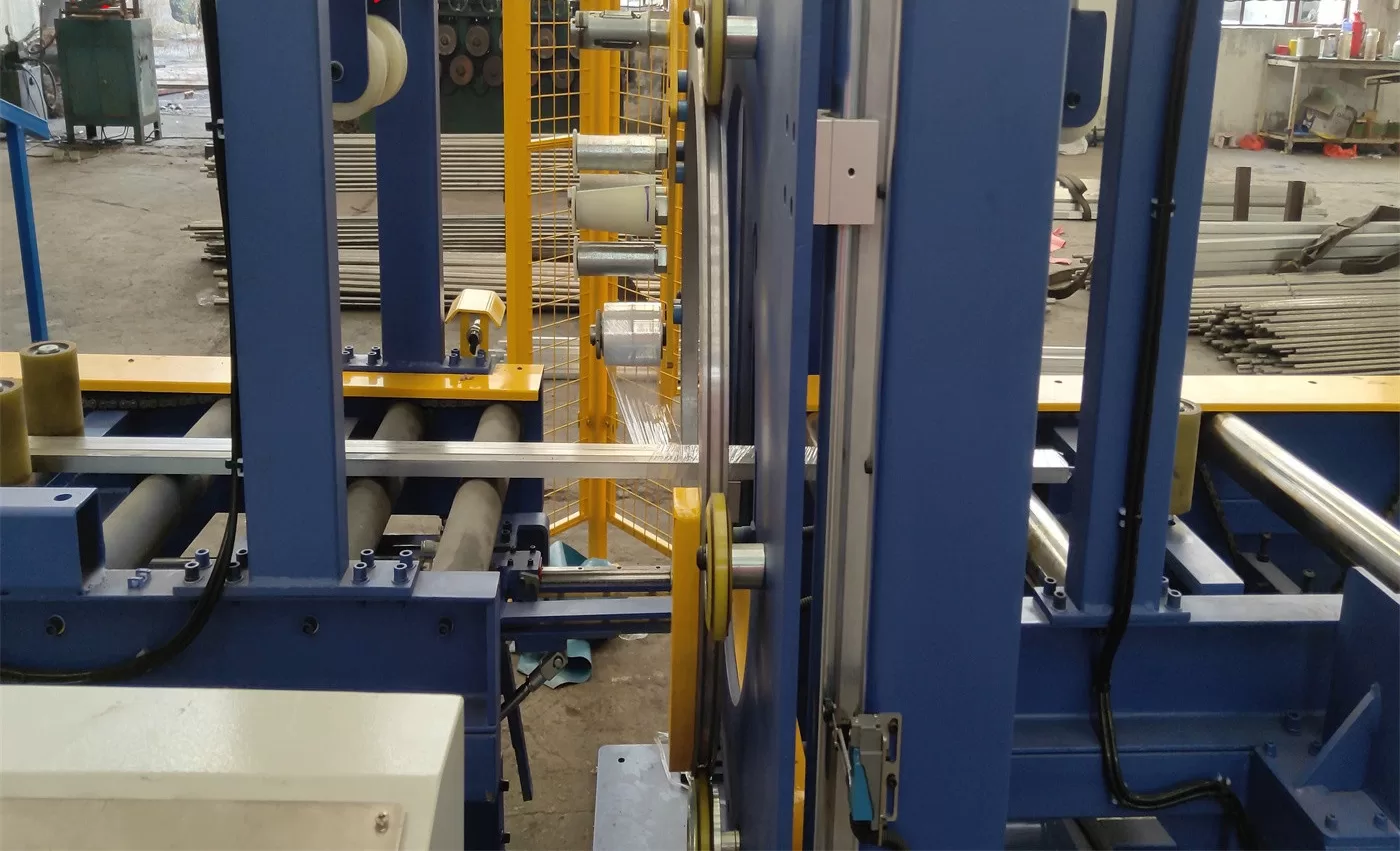
My work in the packing industry showed me how much material we use. It also showed me the impact it has. As FHOPEPACK grew, we saw the clear need for smarter, greener solutions. This is not just a trend. It is the future of manufacturing. We are dedicated to sharing knowledge that helps factories adopt these practices. This includes guiding them to machines that are built for sustainability. We want to help clients like Michael achieve their goals while also being good stewards of the environment. (eco-conscious packaging, environmentally friendly machines)
Reducing Film Waste Through Smart Design
One of the biggest areas for sustainability in orbital wrapping is film reduction. Future machine designs will focus heavily on minimizing film usage without sacrificing protection. This means more precise film tension control. It means better stretch capabilities for films. It also means features like automatic cut-and-seal systems that prevent excess film. AI-driven optimization, as mentioned before, plays a huge role here. It ensures only the necessary amount of film is used for each product. FHOPEPACK machines are already designed with these principles in mind. We help factories achieve significant reductions in film consumption. This directly lowers costs and reduces waste. It is a practical step towards a greener operation. (film reduction technology, sustainable stretch wrapping)
Compatibility with Eco-Friendly Materials
The materials used for wrapping are changing. There is a growing demand for recyclable, biodegradable, or compostable films. Orbital wrapping machines need to be compatible with these new materials. Future designs will ensure that machines can handle a wider range of film types. This includes thinner, stronger films that use less plastic. It also includes films made from plant-based polymers. Machine manufacturers, like FHOPEPACK and SHJLPACK, are working closely with film suppliers. We ensure our equipment can run these new, sustainable options without issues. This gives factories the flexibility to choose greener packaging. It helps them meet their environmental targets. (biodegradable packaging films, recyclable wrapping materials)
Energy Efficiency in Operations
Sustainability also means reducing energy consumption. Future orbital wrapping machines will be designed with energy-efficient components. This includes motors, heating elements, and control systems. Features like automatic standby modes can power down parts of the machine when not in use. Regenerative braking systems can capture energy from moving parts. They can convert it back into usable power. This reduces the machine’s overall carbon footprint. It also lowers electricity bills for the factory. For a manager like Michael, every bit of cost saving counts. This includes saving on energy. We believe that efficiency and sustainability go hand in hand. (energy-efficient machines, lower carbon footprint packaging)
| Sustainable Feature | Impact on Environment | Benefit for Factory |
|---|---|---|
| 📉 Film Reduction Tech | Less plastic waste, lower carbon footprint | 💰 Reduced material costs, ⬆️ Sustainability score |
| 🌱 Eco-Film Compatibility | Supports use of recyclable/biodegradable films | 🌍 Meets green standards, ⬇️ Environmental impact |
| ⚡ Energy-Efficient Design | Lower electricity consumption, reduced emissions | 💡 Lower operating costs, ⬆️ Corporate responsibility |
| ♻️ Waste Management Systems | Better handling of film scrap for recycling | 🗑️ Cleaner operations, ⬇️ Landfill contributions |
| 🔧 Longer Machine Lifespan | Less frequent replacement of equipment | ⚙️ Reduces manufacturing waste, ⬆️ ROI |
Adopting these sustainable practices is not just about being “green.” It is about future-proofing your business. It meets evolving market demands and reduces operational costs in the long run. My mission is to share knowledge that helps you make these smart, forward-thinking choices for your factory. (sustainable manufacturing practices, cost-effective green solutions)
My Insights!
Looking back at my journey, from an employee on the factory floor to building FHOPEPACK, I have seen so much change. The packing machine industry is always moving. But some core needs never change. Factory managers, like Michael in Mexico, still need reliable, efficient, and safe equipment. They need partners who truly understand their challenges. They need solutions that deliver real ROI. This is what we strive for at FHOPEPACK. We want to empower you with the right knowledge and the best tools.
The trends we talked about – advanced automation, smart safety, data-driven optimization, and sustainability – are not separate ideas. They are all connected. They paint a picture of a more intelligent, responsible, and productive future for orbital wrapping machines. These are not just about buying a new machine. They are about embracing a new way of operating. They are about transforming your factory for the challenges of tomorrow. My personal experience has shown me that investing in smart, durable solutions pays off. It brings financial independence and helps businesses grow. I am here to share that path with you. We built FHOPEPACK to be a platform for exactly this kind of knowledge. (FHOPEPACK mission, industry expertise, business growth)
Conclusion
The future of orbital wrapping machines is bright, driven by automation, AI, and sustainability. These trends offer significant improvements in efficiency, safety, and cost reduction. Embracing these innovations, especially with a reliable orbital stretch wrapper partner like FHOPEPACK, is key to success in modern manufacturing.








