

What Features Should Thai Engineers Check When Selecting a Coil Wrapping Machine?
Are your production lines in Thailand struggling with slow, manual coil packing? This inefficiency means lost time, higher labor costs, and even damaged products. It can feel like a constant battle to keep up. But it does not have to be this way. Choosing the right coil wrapping machine is a big decision. It can change your whole operation. It can make things better.
When Thai engineers select a coil wrapping machine, they must look for key features. These include high production capacity and speed. They need strong safety measures for workers and products. The machine must be durable for tough factory conditions. Finally, the supplier must offer great support and customization. These points ensure the machine helps your factory grow.


I have spent many years in the packing machine industry. I started on the factory floor. Then I built my own successful factory. I have seen what works and what does not. Let me share my insights with you. We will look closer at each of these important features. This will help you make the best choice for your factory.
1. Does the Machine Meet Your Production Capacity and Speed Needs?
Many Thai factories face bottlenecks at the end of their production lines. Manual coil packing cannot keep up. This slows everything down. This means late deliveries. It means unhappy customers. It hurts your overall output and profit. But it does not have to be this way. A good coil wrapping machine must match your factory’s pace. It must handle your current and future production needs. It needs to be fast and efficient.
For production capacity and speed, Thai engineers should check the machine’s coils per hour (CPH) rating. They also need to know its maximum coil weight and dimensions. Look for features like automatic feeding and stacking. These speed up the process. A machine with variable speed control is also useful. It lets you adjust to different production demands.
When I started my factory, one of the biggest lessons was about throughput. If your packing cannot keep up, then your whole investment in upstream processes is wasted. Thai engineers often operate in high-volume environments. They deal with diverse product sizes. These can range from heavy steel coils to smaller wire coils. The climate in Thailand, with its high humidity, also affects materials. All these factors play a role in how a machine performs. You need a machine that handles these conditions reliably.
Capacity Planning for Growth
- Current Needs: You must know how many coils your factory packs per shift. What are their average and maximum sizes? This includes both diameter and width.
- Future Growth: Think about your business plan. Do you plan to expand production in the next one to three years? Will the machine scale with this growth? Or will it become a bottleneck again? It is always better to choose a machine with some extra capacity. This gives you room to grow without needing a new investment too soon.
Speed Versus Efficiency
- Cycles Per Minute (CPM): This metric shows the machine’s raw speed. It tells you how many coils the machine can process in one minute under ideal conditions.
- Overall Equipment Effectiveness (OEE): This is a better measure of real-world performance. It includes three factors: availability, performance, and quality. A very fast machine that breaks down often is not truly efficient. A machine with high OEE works consistently. It produces good quality. It needs less downtime.
Automation Levels for Thai Industries
For Thai factories, labor costs are rising. So, automation is not just about speed. It is about reducing reliance on manual labor. This also improves consistency. It means less human error. This is a critical factor I always considered for my own factory. I advise clients in Thailand to do the same. Think about the entire packing process. How will this machine fit in? Can it handle the varying sizes of steel coils or wire coils you produce? Can it manage heavy loads day in and day out? These are not small questions. They determine your factory’s long-term success.
| Feature | Semi-Automatic Wrapper | Fully Automatic Wrapper |
|---|---|---|
| Operator Need | High (loading, unloading, monitoring) | Low (supervision, intervention only if needed) |
| Speed | Moderate (operator dependent) | High (consistent, machine-controlled) |
| Integration | Standalone unit | Integrated into a full production line |
| Initial Cost | Lower | Higher |
| Labor Saving | Moderate | High |
| ROI (Long Term) | Good | Excellent (due to efficiency gains) |


2. How Does the Machine Ensure Operator Safety and Product Integrity?
Manual handling of heavy steel and wire coils is dangerous. Accidents happen often. Workers get hurt. This leads to high medical costs. It causes employee turnover. It also damages your products. This costs your factory a lot of money. But it does not have to be this way. A good machine must protect your workers. It must also protect your product. It needs smart safety features. It needs gentle handling systems.
To ensure safety and product integrity, Thai engineers should look for machines with automatic coil loading and unloading. Emergency stop buttons and safety guards are vital. Advanced sensors detect obstructions. For product care, check for adjustable tension controls. This prevents coil deformation. Also, look for soft contact points. These protect coil edges from damage during wrapping and transfer.
I recall early days in the factory. We saw firsthand how easily a heavy coil could cause an accident. Worker safety was always my top priority. It is not just about rules. It is about protecting people. For factories in Thailand, where heavy materials like steel coils and wire coils are common, safety cannot be an afterthought. It must be built into the machine’s design. The machine should minimize the need for manual intervention. This means fewer chances for injury. It also protects your reputation. Delivering damaged products to clients is bad for business. A reliable machine helps avoid these problems. It ensures your products arrive in perfect condition.
Safety Features for Workers
- Physical Barriers and Guards: The machine should have sturdy safety fences. It should also have light curtains. These stop the machine immediately if a worker enters a dangerous area. Clear polycarbonate guards protect against flying debris.
- Emergency Controls: There must be clearly marked emergency stop (E-stop) buttons. These buttons should be easy to reach from all operating positions.
- Interlock Systems: The machine should not operate if safety guards are open. This prevents accidents during maintenance or inspection.
- Automatic Operation: A fully automatic machine greatly reduces the need for human interaction with moving parts. For instance, automatic coil alignment removes the need for manual adjustment, which is a common hazard.
- Warning Systems: Alarms and flashing lights should warn operators before the machine starts.
Protecting Your Product (Steel and Wire Coils)
- Adjustable Wrapping Tension: Different coil materials, like heavy steel coils or lighter copper wire coils, need different wrapping tension. Too tight, and the coil could deform. Too loose, and the wrap might unravel during transit. The machine must offer precise control.
- Soft Start/Stop Functions: Sudden jerks during wrapping can damage delicate coil edges. A machine with soft start and stop functions applies and releases tension smoothly. This prevents shock to the product.
- Gentle Material Handling: Look for conveyor systems with smooth surfaces. They should minimize friction. They should also minimize impact during transfer. This prevents scratches or dents on the coil’s surface. My own factory used to see small damages here and there. This led to customer complaints. A properly designed machine fixes this.
- Consistent Wrap Material Application: The machine must apply the wrapping material evenly. It must secure the coil fully. This protects it from dust, moisture, and physical damage during storage and shipping. In humid climates, a good wrap is essential to prevent rust on steel products.
The ability of a machine to protect both its operators and the valuable steel or wire coils it processes directly impacts your factory’s bottom line. It reduces accident-related costs. It minimizes product rejections. It builds customer trust. These are benefits that every Thai factory manager values deeply.


3. Is the Machine Built for Durability and Low Maintenance in Harsh Environments?
Thai factory environments are tough. High humidity, dust, and heavy use can quickly wear down equipment. Cheap machines break often. Frequent breakdowns mean costly downtime. They mean expensive repairs. This eats into your profits and halts production. But it does not have to be this way. You need a machine built to last. It must handle the grind. It should be easy to maintain. This keeps your factory running smoothly.
When checking for durability and low maintenance, Thai engineers should look for robust construction materials. Think heavy-duty steel frames. The machine should have sealed components. These protect against dust and moisture. Easy access for lubrication and part replacement is key. Also, check for a proven track record in similar tough industries. A machine with minimal proprietary parts means easier repairs.
When I built my factory, I learned that the initial price of a machine is only part of the story. The real cost comes from its lifetime. A machine that constantly breaks down is far more expensive in the long run. I faced this challenge. So, I learned to prioritize durability. For Thai engineers, a machine that can withstand the local conditions is not a luxury. It is a necessity. High temperatures, humidity, and airborne particles from metalworking can quickly degrade lesser machines.
Construction Quality Matters
- Frame Material and Build: The machine’s frame should be made from thick, structural steel. It should have quality welds. Look for anti-corrosion treatments like powder coating. This is especially important in humid Thai climates where rust can be a big problem. A sturdy frame also reduces vibration. This extends the life of internal components.
- Key Component Brands: Check the brands of critical components. These include motors, bearings, and control systems (PLCs). Are they from reputable global suppliers like Siemens, Schneider, or SKF? Using high-quality components ensures reliability. It also means parts are often easier to source for future repairs.
- Sealing and Protection (IP Rating): Factories processing steel or wire create a lot of dust and debris. The machine’s electrical cabinets and sensitive parts must be properly sealed. Look for an appropriate IP (Ingress Protection) rating, such as IP54 or higher. This protects against dust and splashes.
Design for Maintainability
- Accessibility: Can your maintenance staff easily reach all parts that need service? Are lubrication points clearly marked and accessible? A machine designed for easy maintenance reduces the time and effort needed for routine checks.
- Modular Design: A machine with a modular design allows for quick replacement of sub-assemblies. If a part fails, you can swap out a whole module. This reduces downtime significantly. It is much faster than diagnosing and repairing a small component on the spot.
- Diagnostics: Does the machine have a control system that can display error codes? Good diagnostic tools help technicians quickly identify problems. This speeds up troubleshooting. It gets your production line back up sooner.
- Parts Availability: Consider how easily you can get spare parts. A supplier with a good local presence or a well-established supply chain in Thailand is a huge advantage. Minimal proprietary parts also mean you are not locked into one expensive source.
Environmental Factors in Thailand
These machines often run for two or three shifts a day. They need to withstand constant operation. The environment is harsh. Investing in a durable machine is investing in your factory’s future. It reduces the stress of unexpected breakdowns. It helps you keep production schedules on track. This reliability is something I valued greatly when I operated my own facility. It saves you money in the long run. This is even if the initial cost is a bit higher. It means a better return on investment. This is what many successful factory managers in Thailand understand well.
| Feature | Importance for Thai Factories | What to Check |
|---|---|---|
| Frame Construction | High: Withstands heavy loads, vibrations, prevents rust. | Thick steel, quality welds, anti-corrosion coating. |
| Key Components | High: Ensures reliability, long life, easy sourcing. | Reputable brands (motors, PLC, bearings, sensors). |
| Sealing (IP Rating) | Critical: Protects electronics from dust, moisture. | IP54 or higher for industrial use, sealed cabinets. |
| Maintenance Access | High: Reduces downtime, labor costs for repair. | Clear panels, accessible grease points, well-organized wiring. |
| Parts Availability | High: Quick repairs, avoids long waits, lower cost. | Standard parts, local service partner, non-proprietary designs. |
| Operating History | High: Proves resilience in tough settings. | Ask for references from similar factories, long-term performance data. |

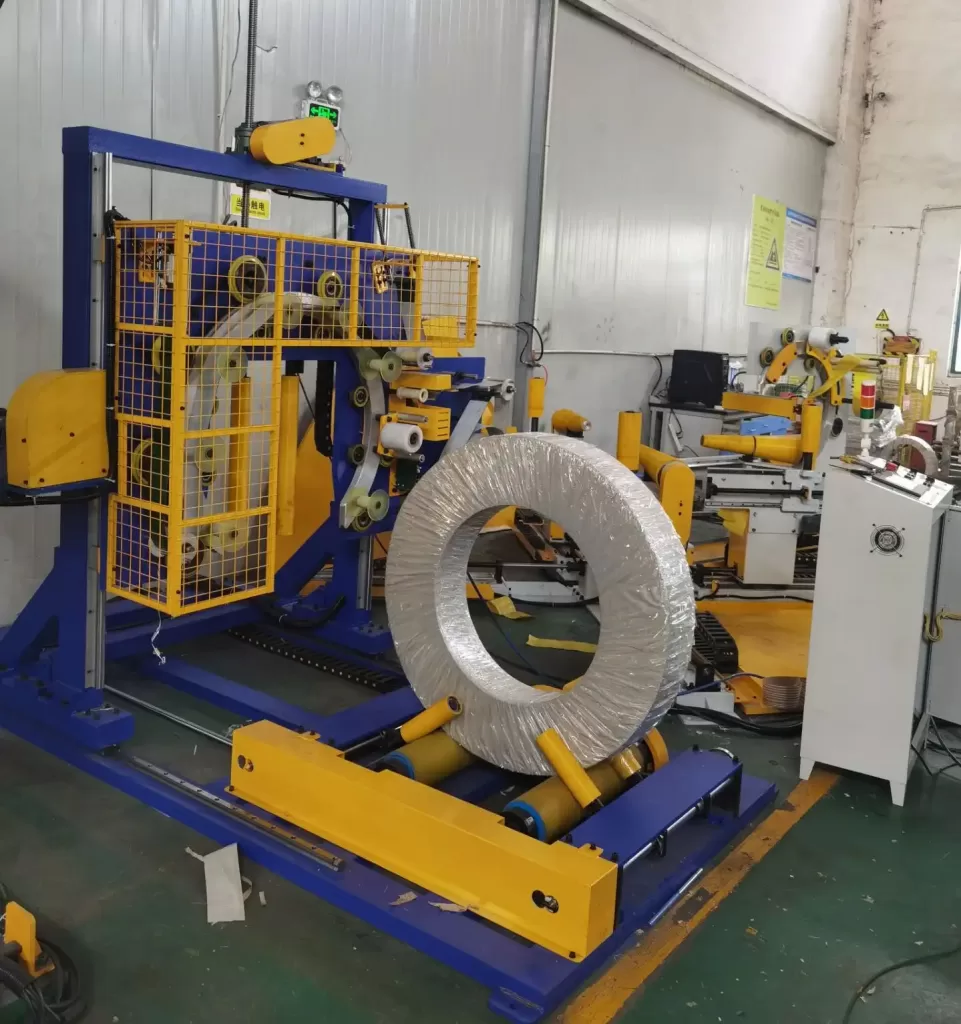
4. Can the Supplier Provide Comprehensive Support and Customization Options?
Many equipment suppliers only care about the sale. After you buy, their support disappears. You are left alone with problems. This lack of support means long downtimes. It means frustrating troubleshooting. It makes you doubt your investment. But it does not have to be this way. You need a partner, not just a seller. A good supplier offers full support. They offer customization. They help you succeed long after the purchase.
When evaluating a supplier, Thai engineers should check their after-sales service. This includes technical support and spare parts availability. Look for their experience in customizing machines for unique factory layouts or specific coil types. Training for your staff is also critical. A supplier with strong local presence or clear communication channels is much better. This ensures quick help when you need it.
I have seen too many factories burn by bad suppliers. When I started FHOPEPACK, I knew I wanted to be different. I wanted to be a real partner. This is because I built my own factory. I know the pain of being left unsupported. For Thai engineers and factory managers, a good supplier is a long-term asset. They do not just sell you a machine. They help you solve problems. They help you improve your operations. This is the kind of partnership I always looked for when I was building my business. It is the kind of partnership I offer through FHOPEPACK.
After-Sales Service and Reliability
- Technical Support: Is technical support available quickly? Do they offer remote diagnostics to solve issues without a site visit? Can they send technicians to Thailand if an on-site repair is needed? Response time is crucial to minimize downtime.
- Spare Parts Availability: Are common spare parts stocked locally or shipped fast to Thailand? What is the lead time for critical components? My experience showed me that waiting weeks for a part can stop an entire line. Ask about their spare parts inventory and logistics.
- Warranty and Guarantees: Understand what the warranty covers and its duration. A strong warranty shows the supplier’s confidence in their product.
Customization Capabilities for Your Needs
- Unique Coils: Do you pack unusually large steel coils? Or very delicate wire coils? Can the supplier adjust the machine’s dimensions or features to fit your specific product range? A standard machine might not be enough for specialized products.
- Integration with Existing Lines: Can the new coil wrapping machine seamlessly integrate into your existing production line? Will it communicate with other factory systems? This is important for achieving full automation and data exchange.
- Factory Layout Adaptation: Every factory in Thailand is different. Can the supplier adapt the machine’s footprint, height, or orientation to fit your specific factory layout and space constraints? This might include designing custom conveyors or transfer systems.
Training and Documentation for Your Team
- Operator Training: Is comprehensive training provided for your staff? This ensures they can operate the machine safely and efficiently. Proper training reduces errors and increases productivity.
- Maintenance Training: Do they train your technicians on routine maintenance tasks? Do they teach basic troubleshooting steps? This allows your team to handle minor issues in-house. It reduces reliance on external support.
- Clear Manuals: Are clear, easy-to-understand operation and maintenance manuals provided? These should be in English and possibly Thai, with diagrams and step-by-step instructions.
We understand that your factory is unique. We understand your challenges with coil packing, steel wire packing. We aim to provide not just equipment, but solutions. This ensures your investment truly pays off. It helps your business grow and achieve its goals.


Conclusion
Choosing a coil wrapping machine means looking at speed, safety, durability, and supplier support. This helps Thai factories boost efficiency, protect workers and products, and ensure a strong return on investment. Make an informed choice.












