
What features make an orbital stretch wrapper ideal for hot, dry climates?
Imagine your factory floor. The air is thick with dust. The heat makes every step feel heavy. You see your team working hard, manually packing heavy steel coils and wire. This process is slow. It is risky. You know it costs your business money every day. You have tried to find better ways. But how can a machine stand up to such tough conditions? How can it deliver the speed and safety you need?
An orbital stretch wrapper needs specific features to work well in hot, dry climates. Key features include strong construction. It needs special heat-resistant materials. Components must be sealed for dust protection. Advanced cooling systems are essential. Durable lubrication is also important. These features ensure reliable operation in harsh environments.
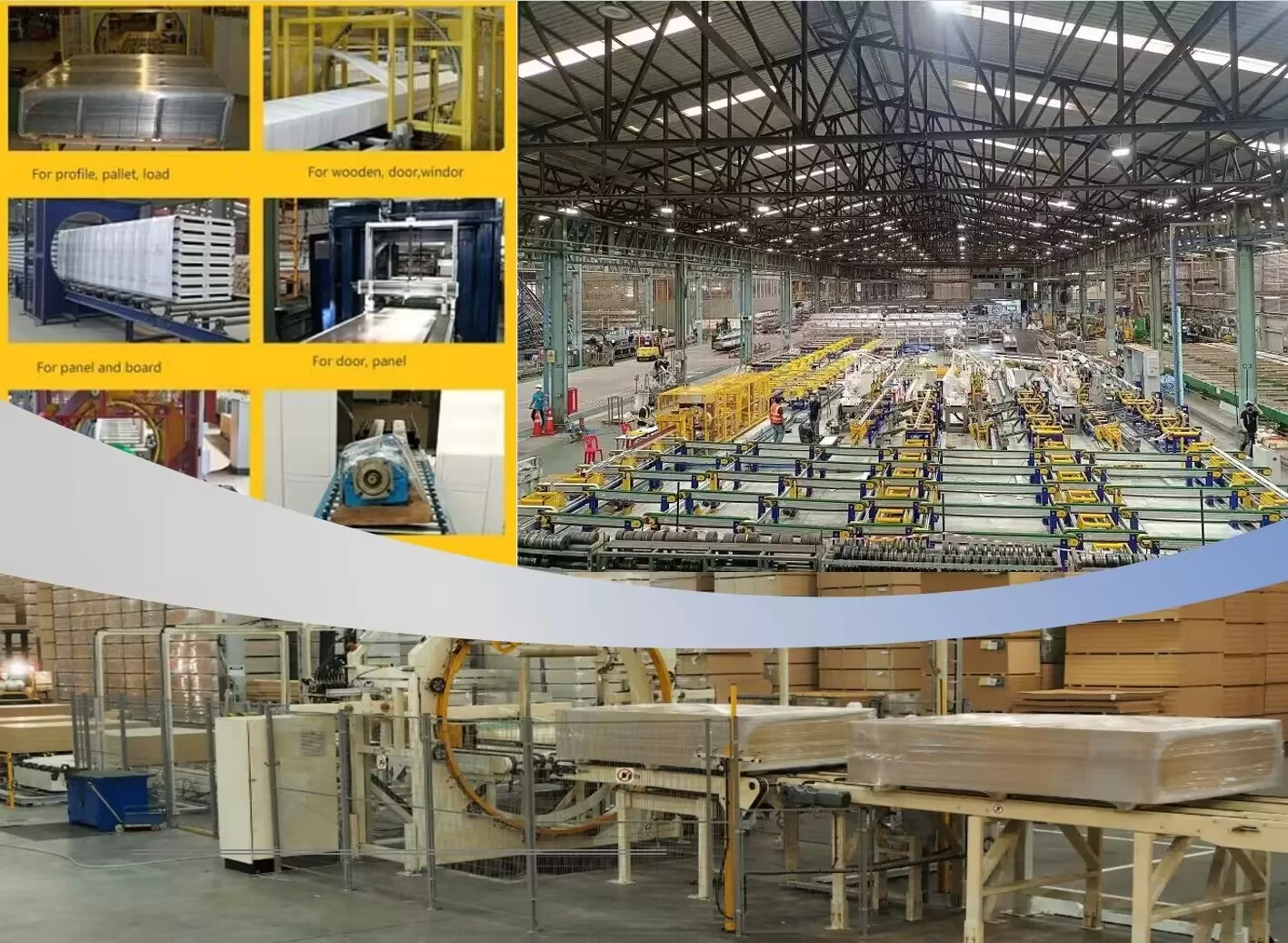
Choosing the right packing machine is a big decision. It is not just about buying equipment. It is about solving real problems for your factory. It is about making things safer and more efficient. So, let us look at the specific features that make an orbital stretch wrapper truly ideal for tough, hot, and dry places like yours.
How do high temperatures affect an orbital wrapper’s performance?
High heat can be a silent enemy in any factory. It can slowly damage vital parts of your machines. This leads to unexpected breakdowns. Your production line stops. You lose money. Repairs are costly. The idea of investing in new equipment brings worry. Will it truly last in the intense heat of your factory?
High temperatures mostly cause components to get too hot. They can also degrade materials. Lubricants fail faster. This impacts how well motors work. It affects sensor accuracy. It also harms the strength of the wrapper.
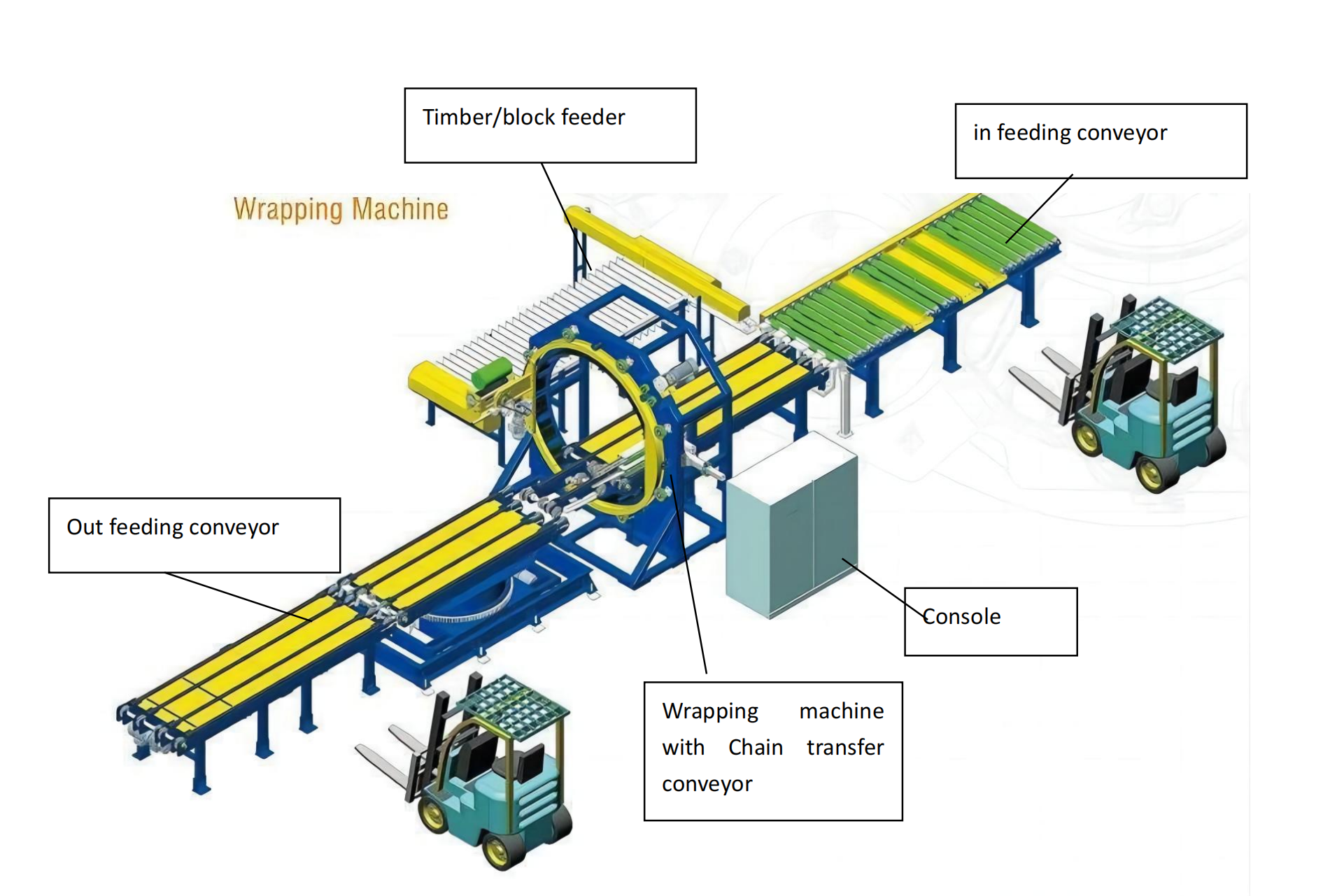
Understanding how heat affects a machine helps us choose wisely. In a hot, dry climate, the air itself can act like an oven. This heat adds stress to every part of an orbital wrapper. Motors have to work harder. They can overheat quickly. Electrical cabinets, which hold important control systems, are also at risk. Sensors can stop giving correct readings. This makes the machine unreliable. Plastic parts, like covers or guides, can become soft or brittle. Belts can stretch or crack faster. All these issues lead to more downtime. They lead to higher maintenance costs. For a factory manager like Michael, this means lost production. It means frustration.
To fight against this, a good orbital wrapper needs specific design elements. It must have proper ventilation. This lets hot air escape. It allows cooler air to come in. Some machines use heat sinks. These are metal parts that draw heat away from sensitive components. Forced air cooling, using fans, is often part of the design. This active cooling keeps motors and control panels at safe temperatures. The materials used in construction also matter greatly. High-temperature resistant plastics are needed. Special metal alloys can handle heat better without losing strength. Lubricants are another key area. Standard greases can thin out or break down in high heat. Specialized synthetic lubricants maintain their properties. They keep moving parts running smoothly. Without these features, a wrapper will not last long. It will not deliver the reliable service that a busy factory needs.
Here is how heat affects different parts and what helps:
| Component | How Heat Affects It | Feature for Hot Climates | Benefit to Factory |
|---|---|---|---|
| Motors | Overheating, reduced power, shorter lifespan | Larger cooling fins, forced air fans, higher temperature-rated windings | Stable power, longer motor life, less downtime |
| Electronics | Malfunctions, circuit board damage | Ventilated cabinets, heat sinks, industrial-grade components | Reliable control, fewer electrical failures |
| Plastic Parts | Softening, brittleness, warping | UV-stabilized, high-temperature resistant polymers | Maintains shape and strength, longer part life |
| Bearings | Lubricant breakdown, increased friction, wear | Sealed bearings, synthetic high-temp grease, ceramic elements | Smooth operation, less friction, extended bearing life |
| Belts/Rollers | Stretching, cracking, loss of grip | Heat-resistant rubber/composite materials, reinforced designs | Consistent tension, reliable product movement, fewer slips |
| Sensors | Reduced accuracy, complete failure | Rugged housings, industrial-grade, wide operating temperature range | Accurate detection, precise machine control, fewer errors |
What dust and abrasive protection features are critical for long-term operation?
Dust is everywhere in a metal processing factory. It floats in the air. It settles on surfaces. It gets into every crack. This fine, abrasive dust causes big problems for machinery. It grinds away at moving parts. It clogs delicate sensors. It can even cause electrical shorts. This wear and tear means your machines break down often. It means constant repairs. It shortens the lifespan of your expensive equipment. How can you protect your investment from this constant attack?
Critical dust protection features include fully enclosed electrical cabinets. They need sealed bearings and motors. Dust-resistant sensors are also vital. Often, positive pressure systems help keep abrasive particles out of sensitive areas.
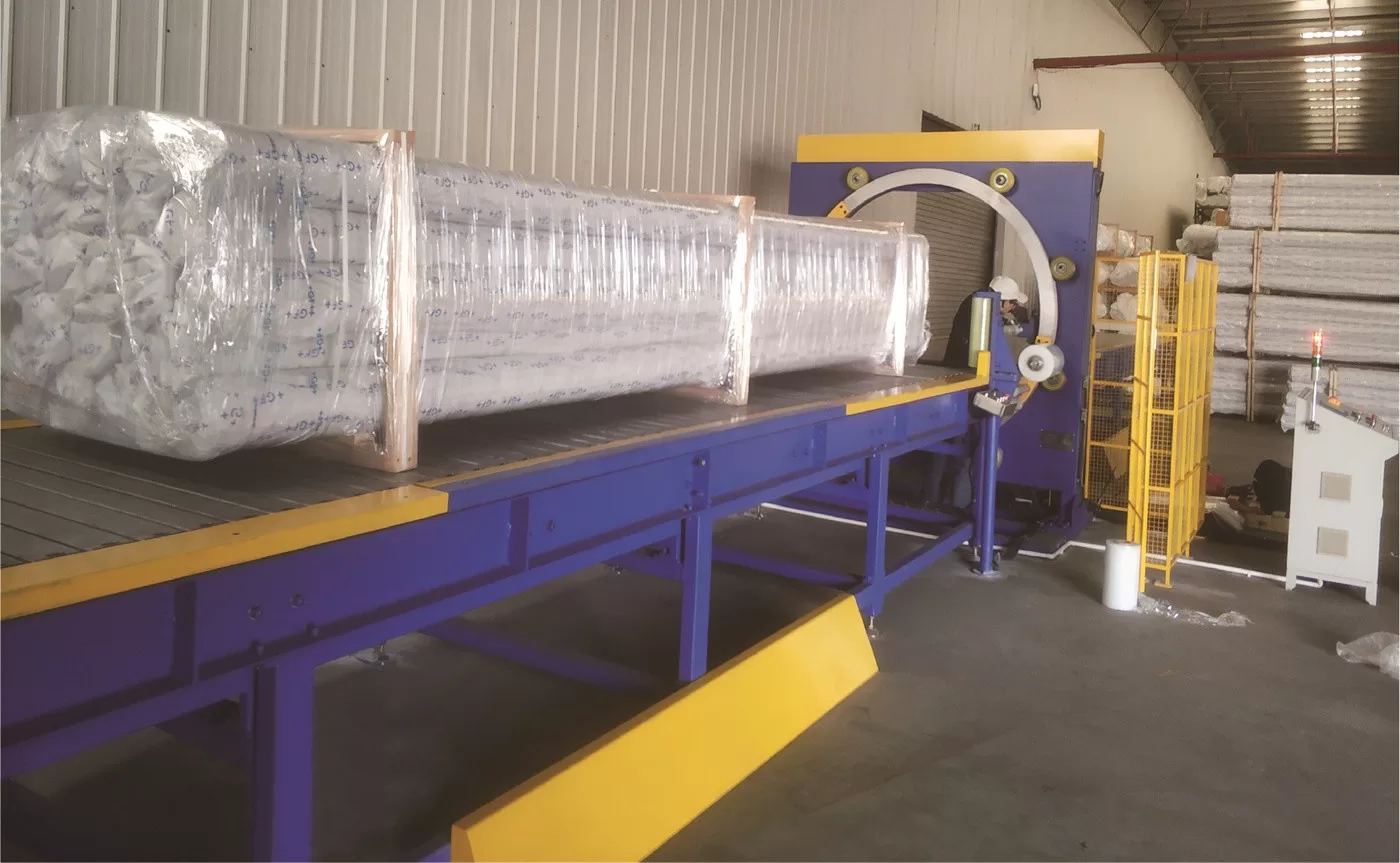
Dust damage happens in several ways. First, there is abrasion. Fine dust acts like sandpaper. It grinds down metal surfaces in bearings and gears. This increases friction. It causes premature wear. Second, dust can get into electrical components. It can create a conductive path. This leads to short circuits. It can cause components to overheat and fail. Third, dust can clog filters and cooling systems. This makes machines run hotter. It speeds up other forms of damage. For Michael’s factory, where metal dust is a constant presence, these issues are amplified. They lead to costly downtime and frequent part replacements.
To counter this, a truly ideal orbital wrapper must have strong protection. Electrical cabinets should meet high IP (Ingress Protection) ratings, like IP54 or IP65. This means they are sealed against dust and even water splashes. Inside these cabinets, filters can be used. Some advanced systems use positive pressure. This pushes clean air out of the cabinet. It prevents dust from getting in. Motors and bearings are also vulnerable. They should be totally enclosed. They must have robust seals. This keeps dust out of their moving parts. Sensors are another key area. They should have tough, sealed casings. This protects their delicate internal workings. Air filters on any ventilation inlets are also a must. These stop larger dust particles from entering the machine. Choosing a wrapper with these features means fewer breakdowns. It means longer life for the machine. It gives Michael peace of mind. He knows his equipment can handle the tough conditions.
Here is a breakdown of dust protection features:
| Component/Area | Dust Risk | Protection Feature | Impact on Factory Operations |
|---|---|---|---|
| Electrical Cabinet | Short circuits, component failure, overheating | High IP rating (e.g., IP54/IP65), positive pressure system, filters | Prevents costly electrical faults, ensures continuous operation |
| Motors & Bearings | Abrasion, premature wear, seizing | Sealed bearings, totally enclosed fan-cooled (TEFC) motors, robust seals | Extends motor/bearing life, reduces maintenance, lowers repair costs |
| Sensors | Clogging, false readings, failure | Rugged, sealed housings, non-contact sensing technology | Maintains accuracy, prevents production errors, improves safety |
| Moving Parts | Increased friction, wear, jamming | Protective bellows, covers, self-cleaning mechanisms | Smooth movement, less wear on parts, reliable performance |
| Air Inlets | Internal dust buildup, overheating | Replaceable air filters, strategically placed vents | Keeps internal components cleaner, improves cooling efficiency |
| Control Panels | Button/screen malfunction, internal damage | Dust-proof membranes, sealed interfaces, clear protective covers | Maintains usability, protects sensitive controls, reduces repair needs |
How do specialized materials and components ensure wrapper longevity in dryness?
Dry air often brings its own set of problems. It is not just about heat. Extreme dryness can make materials brittle. It can increase static electricity. It can even speed up certain types of corrosion. Standard machines are not built for this. Their components crack. They wear out faster. This means constant repairs. It means more money spent on replacements. Michael needs equipment that will simply last. He needs machines that do not need endless fixes.
Specialized materials for dryness include high-grade, corrosion-resistant metals. They also use UV-stabilized plastics that resist brittleness. Self-lubricating or specially formulated lubricants also help. These prevent wear in low-humidity conditions.

When the air has very little moisture, common materials react differently. Plastics can lose their flexibility. They become brittle and crack under stress. This is often made worse by strong sunlight and UV exposure. Metal components, even though they seem strong, can face challenges too. Dryness, combined with heat, can accelerate certain chemical reactions. Lubricants, which rely on a certain viscosity, can dry out faster. This leaves moving parts unprotected. It increases friction and wear. Static electricity also becomes a bigger issue in dry air. It can build up on parts. This can cause small, damaging electrical discharges. It can even interfere with electronic signals. These issues lead to a shorter machine lifespan. They create unexpected breakdowns. This means more headaches for factory operations.
To tackle these problems, an orbital wrapper needs specific material choices. For metal parts, stainless steel or other corrosion-resistant alloys are vital. These resist degradation even in dry, warm conditions. All plastic parts exposed to the elements must be UV-stabilized. This prevents them from becoming brittle or discolored. They keep their strength and flexibility for longer. For moving parts, the lubrication system is key. Sealed bearings are a must. They keep lubricants in and contaminants out. Synthetic greases are often used. These are designed to maintain their properties in extreme temperatures and dry conditions. They do not dry out as quickly as standard greases. Proper grounding systems are also important to manage static electricity. This stops static buildup. It protects both the machine and the product being wrapped. By using these specialized materials and components, a wrapper can stand up to the challenge of a hot and dry factory environment. It delivers lasting performance.
Here is how specialized materials help ensure longevity:
| Material/Component | Dryness Challenge | Specialized Solution | Benefit to Factory Operations |
|---|---|---|---|
| Plastics | Brittleness, UV degradation, cracking | UV-stabilized polymers, high-impact composites | Longer part life, maintains structural integrity, less frequent replacement |
| Metal Frames | Accelerated corrosion, stress cracking | Stainless steel, galvanized steel, powder-coated finishes | Resists rust and degradation, maintains structural strength |
| Lubricants | Drying out, reduced viscosity, increased friction | Synthetic high-temperature greases, sealed-for-life bearings | Consistent lubrication, extended bearing life, reduced friction and wear |
| Seals & Gaskets | Cracking, loss of elasticity, leaks | EPDM rubber, silicone, or other weather-resistant elastomers | Prevents dust/moisture ingress, maintains enclosure integrity |
| Electrical Wiring | Static buildup, insulation degradation | Shielded cables, high-grade insulation, proper grounding | Reduces electrical interference, prevents damage from static discharge |
| Fasteners | Loosening due to thermal expansion, corrosion | Self-locking nuts, high-grade stainless steel fasteners | Maintains machine assembly integrity, prevents parts from coming loose |
Can these robust wrappers truly boost my factory’s operational efficiency?
You are currently dealing with slow, manual packing. This puts a bottleneck on your entire production. It also carries high safety risks for your team. You need to speed things up. You need to cut costs. But you also need to ensure quality. It is a big investment. You need to know if a specialized machine will really make a difference. Will it provide a clear return on investment (ROI)? Or will it just add more problems?
Yes, robust wrappers truly boost efficiency. They automate the packing process. This greatly reduces the need for human workers. They wrap products faster. They ensure consistent package quality. They also minimize product damage. All of this happens while working reliably in harsh climates.

The core problem for many factories is the end of the line. Michael’s factory is a good example. After all the hard work of making steel coils and wire, packing becomes a slow, risky chore. Manual handling of heavy items like steel coils leads to slow speeds. It takes many workers. It creates high risks of injury. This not only costs money in wages and insurance but also impacts morale and can lead to staff turnover. Also, during manual handling and packing, products can get damaged. A dented coil edge means a customer complaint. It means a loss of profit. A robust, specialized orbital wrapper directly addresses these issues. It speeds up the entire packing process. One machine can do the work of several people. This frees up your valuable workforce for other tasks. It reduces your labor costs. The machine wraps coils evenly and tightly. This reduces product damage during handling and transport. It leads to fewer customer complaints. It boosts your reputation.
Because these machines are built for harsh conditions, they run reliably. They do not break down often due to heat or dust. This means consistent uptime. Consistent uptime means steady production flow. This is crucial for meeting delivery schedules. It also helps manage overall costs. The initial investment in a high-quality, specialized wrapper might seem high. But the return on investment (ROI) is clear. You save on labor. You save on injury claims. You save on product damage. You gain in production speed. You gain in product quality. You gain in worker safety. These are not small gains. They are fundamental improvements that drive the whole factory forward. A reliable, efficient packing machine is not just equipment. It is a strategic tool for growth. It helps a factory like Michael’s become more competitive and profitable.
Here is how robust wrappers boost operational efficiency:
| Area of Improvement | How the Wrapper Achieves It | Direct Benefit for Factory | Quantifiable Impact |
|---|---|---|---|
| Labor Costs | Automates manual wrapping, reducing need for multiple workers | Significant reduction in wages and employee-related expenses | Up to 70% reduction in packing labor costs |
| Wrapping Speed | Consistent, high-speed wrapping cycles | Faster throughput, elimination of end-of-line bottlenecks | 2-3 times faster than manual wrapping |
| Worker Safety | Eliminates manual heavy lifting and repetitive tasks | Drastically lowers injury rates and insurance costs | Reduced workers’ compensation claims, improved employee morale |
| Product Damage | Consistent, secure wrapping protects items from transit damage | Fewer customer complaints, reduced scrap/rework, improved brand image | Up to 90% reduction in product damage claims |
| Material Usage | Optimized film tension and overlap, less waste | Efficient use of stretch film, lower material costs | 10-20% reduction in film consumption |
| Uptime & Reliability | Built for harsh conditions, fewer breakdowns | Continuous operation, predictable production schedules | Increased overall equipment effectiveness (OEE), minimal unplanned downtime |
My Insights
My journey in this industry began on the factory floor. I started as an employee. I saw firsthand the challenges workers faced. I understood the pressure factory managers felt. I watched machines struggle in tough conditions. This experience stayed with me. It pushed me to learn more. I wanted to build better solutions. Later, I started my own packing machine factory. I learned how to build machines that truly work. I learned how to make them last. I also learned that a machine is only as good as the support behind it.
I have met many people like Michael. They are committed to their work. They want to make their factories better. But they have been let down by suppliers. They have bought machines that did not live up to promises. They have faced poor after-sales service. This creates a trust crisis. It makes anyone cautious about new investments. I understand this deeply. When I built my own factory, I needed reliable partners. I needed experts who truly understood my needs. I know that Michael is not just looking for a machine. He is looking for a partner. He wants someone who understands the daily grind. He wants someone who knows the dust, the heat, the constant pressure to produce.
My mission with FHOPEPACK is to share this knowledge. I want to help factory managers like Michael. I want them to make smart choices. I want them to avoid the mistakes I saw and sometimes made myself. When you choose a packing machine, especially for a hot, dry, and demanding environment, you are not just buying steel and wires. You are buying reliability. You are buying efficiency. You are buying safety for your team. You are buying peace of mind. That is what FHOPEPACK aims to deliver. It comes from a place of deep industry experience. It comes from understanding the factory floor, just like Michael does.
Conclusion
Choosing an orbital stretch wrapper for hot, dry climates needs careful thought. Focus on heat resistance, dust protection, and durable materials. These features ensure reliability and boost factory efficiency.








