
What Features Ensure Reliable Coil Upender Operation in Canada’s Subzero Temperatures?
Imagine your factory floor in the depths of a Canadian winter. Temperatures drop, equipment groans, and every single machine feels the strain. For factory managers like Michael, who oversee critical operations, nothing is worse than production grinding to a halt because a vital piece of equipment, like a coil upender, fails in the cold. You are losing money with every minute of downtime. You are putting your workers at risk. The pressure is real.
Reliable coil upender operation in Canada’s subzero temperatures depends on robust material selection, specialized hydraulic fluids, advanced heating systems, and sealed electrical components designed to withstand extreme cold and prevent performance degradation. These features ensure continuous operation and protect against common cold-weather failures.
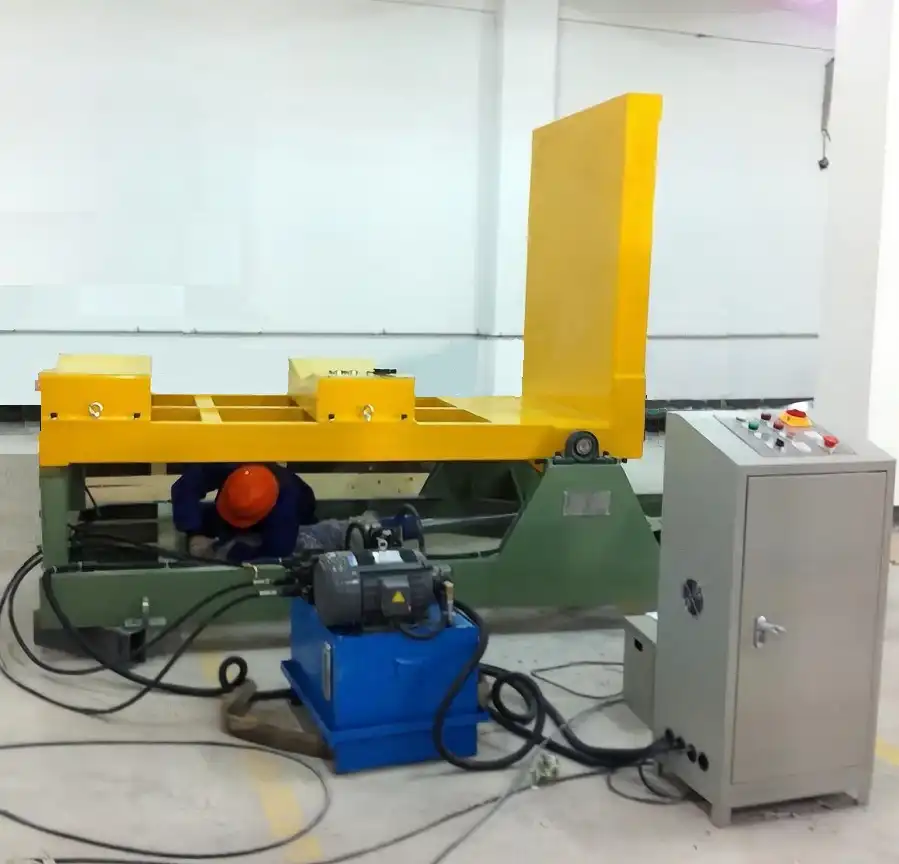
As someone who has built a packing machine factory from the ground up, I understand the immense value of dependable equipment. I have seen firsthand how breakdowns, especially in harsh environments, can cripple production and eat into profits. Let us dive deeper into the specific features that make coil upenders truly reliable, even when the mercury plummets.
How Can Coil Upender Materials Withstand Canada’s Extreme Cold?
Are you worried about your heavy machinery cracking, seizing, or simply failing when temperatures hit extreme lows? Many factory managers face this exact concern. They know that standard materials often become brittle in the cold. This leads to costly repairs, unexpected downtime, and safety risks.
Coil upender materials withstand Canada’s extreme cold through the use of low-temperature resistant steel alloys, specialized seals, and robust coatings. These materials keep their strength and flexibility even when temperatures drop far below freezing. This prevents common cold-induced failures like cracking or material fatigue.

When I started my factory, I learned quickly that material science is not just an academic topic. It is the backbone of machine reliability, especially for equipment meant to handle heavy loads in challenging environments. The right materials are critical. They are the first line of defense against the brutal cold. For coil upenders in Canada, this means looking beyond basic steel. We need materials that can handle thermal contraction and expansion without becoming brittle. We need components that maintain their structural integrity when the mercury falls.
Importance of Low-Temperature Steel Alloys
Standard carbon steel loses ductility as temperatures drop. It becomes more prone to brittle fracture. For coil upenders, which handle heavy loads like steel coils, this risk is unacceptable. A sudden fracture can lead to machine failure, product damage, and serious worker injury.
- Nickel-Alloy Steels: These steels keep high toughness and impact strength at very low temperatures. They are ideal for structural frames and load-bearing components.
- Manganese Steels: They offer good wear resistance and ductility in cold conditions. They suit parts that experience constant motion or friction.
- Cryogenic Steels: For the most extreme conditions, these steels are specially treated to perform at ultra-low temperatures.
These special steels cost more upfront. But they offer a clear return on investment by preventing costly breakdowns and ensuring continuous operation.
Selection of Cold-Resistant Seals and Gaskets
Seals and gaskets keep contaminants out and fluids in. In cold weather, standard rubber seals can become stiff and lose their elasticity. This causes leaks and system failures.
- Silicone Rubber: It stays flexible at very low temperatures. It is good for static seals.
- Nitrile (NBR) or Viton (FKM) Compounds: Special low-temperature grades of these materials offer good chemical resistance and flexibility. They are used for hydraulic seals.
- PTFE (Teflon): It has excellent low-temperature properties and chemical resistance. It is often used for dynamic seals or as a liner.
Proper seal selection stops hydraulic fluid leaks and maintains system pressure. This is vital for smooth and efficient upender operation in the cold.
Protective Coatings and Finishes
Cold weather often comes with moisture, snow, and ice. This can lead to corrosion. Corrosion weakens materials and impacts machine performance.
- Epoxy or Polyurethane Coatings: These offer tough, durable barriers against moisture and abrasion. They protect metal surfaces from rust.
- Galvanization: A zinc coating provides sacrificial protection against corrosion. It is very effective for steel structures.
- Low-Friction Coatings: These can be applied to sliding surfaces. They prevent ice buildup and ensure smooth movement of mechanical parts.
Investing in these material choices reduces maintenance needs. It extends the machine’s lifespan. It ensures the upender stays operational even in the most severe Canadian winters.
What Design Choices Make Coil Upenders Safer in Harsh Conditions?
Does the thought of your team manually moving heavy steel coils in freezing conditions make you nervous? It should. Manual handling of heavy loads in any environment is risky. In subzero temperatures, the risks multiply. I know factory managers, like Michael, are always worried about worker safety. They want to avoid accidents and high insurance costs.
Coil upenders are made safer in harsh conditions through enclosed designs, specialized anti-slip surfaces, and accessible emergency stop mechanisms. These features reduce the need for manual interaction with heavy loads. They also ensure operator safety even when working on slippery surfaces or in low visibility due to snow or ice.
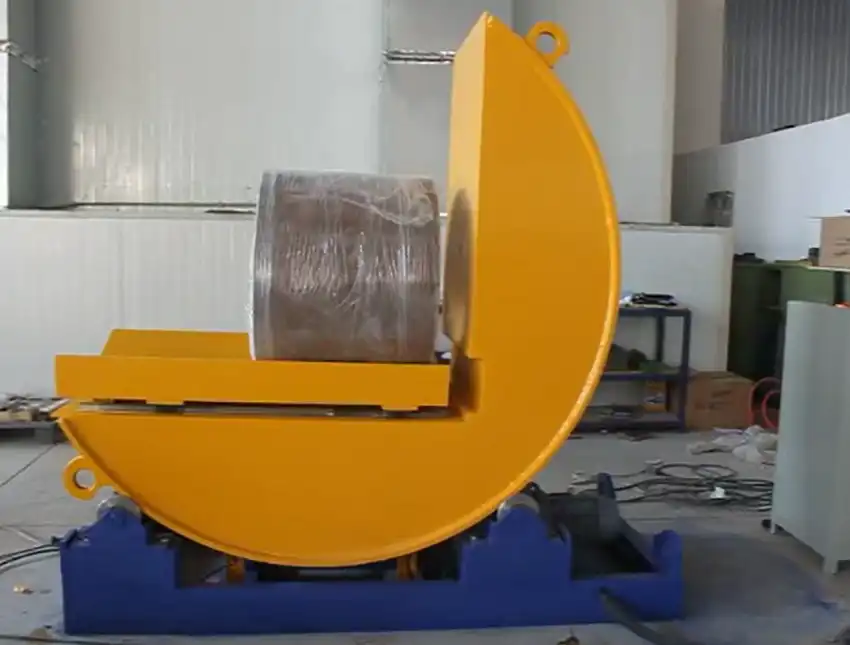
Safety has always been a top priority for me. When I built my factory, I understood that a safe workplace is a productive workplace. Injured workers mean lost output and increased costs. For heavy machinery like coil upenders, safety design is not an option; it is a fundamental requirement. Especially in cold, harsh environments, where ice and slippery surfaces are common, smart design choices can prevent accidents before they happen.
Enclosed Systems and Guarding
Open mechanical systems pose risks. Moving parts can trap clothing or limbs. In cold environments, ice buildup can also make these hazards worse.
- Full Enclosures: Robust steel panels enclose hydraulic cylinders, chains, and gears. This keeps workers safe from moving parts. It also protects components from snow, ice, and debris.
- Interlocked Doors: Access doors to internal components have safety interlocks. The machine will not operate if a door is open. This prevents accidental contact during operation or maintenance.
- Load Containment: The upender design itself must secure the coil firmly during the entire tilting process. This prevents the coil from shifting or falling, which is critical when dealing with heavy, potentially frozen loads.
These enclosures not only protect people. They also shield sensitive machine parts from the harsh elements, extending their life.
Anti-Slip Surfaces and Grating
Slippery surfaces are a major cause of slips and falls, especially in icy conditions. Upender platforms and surrounding areas must be safe for operators.
- Gritted Surfaces: Walking surfaces and loading areas use non-slip grating or specialized coatings with embedded grit. This provides high traction even when wet or icy.
- Drainage Systems: Designs include proper drainage to prevent water accumulation that could freeze. This keeps surfaces dry.
- Raised Edges: The upender platform has raised edges or stops. They prevent coils from sliding off the platform during loading or tilting. This is especially important if ice makes the coil surface slick.
By focusing on anti-slip measures, we reduce the risk of worker injury significantly.
Visible and Accessible Emergency Controls
When an emergency happens, every second counts. Operators need to stop the machine quickly and easily. This is even more important in cold, low-visibility conditions.
- Large, Red Emergency Stop Buttons: These are clearly marked and placed in multiple, easy-to-reach locations around the machine. They are often mushroom-shaped for quick activation.
- Luminous Markings: Important safety labels and emergency stops are marked with glow-in-the-dark or reflective paint. This helps in low light or snowy conditions.
- Audible and Visual Alarms: The upender has loud alarms and flashing lights. These warn nearby workers when the machine is operating or in an emergency.
Effective safety design reduces human error. It creates a safer work environment for everyone, even in the most challenging winter conditions.
How Do Smart Controls Improve Upender Efficiency and Reduce Costs?
Are your current coil packaging processes slow and inefficient? Are manual methods leading to product damage and high labor costs? Many factories struggle with these issues. They face pressure to boost output and cut costs, but old equipment holds them back. This leads to bottlenecks and lost profits.
Smart controls improve upender efficiency and reduce costs through automated operation, precise positioning, and real-time diagnostics. Automation eliminates slow, risky manual steps. Precision reduces product damage. Diagnostics minimize downtime. These features lead to faster production cycles, lower labor expenses, and less material waste, improving the factory’s overall profitability.

When I built FHOPEPACK, one of my core principles was to use technology to solve real-world problems. In the packing machine industry, efficiency is king. Every wasted second, every damaged product, every unnecessary labor hour adds up to significant losses. For a manager like Michael, who needs to boost output and control costs, smart controls are not just a luxury; they are a necessity. They transform a manual, risky process into a streamlined, automated one.
Automated Operation and Cycle Control
Manual handling of coils is slow and inconsistent. Automation makes the process faster and more reliable. This is especially true when dealing with heavy items like steel coils.
- Programmable Logic Controllers (PLCs): PLCs manage the upender’s sequence of operations. They ensure smooth, repeatable tilting. Operators can program different coil sizes and weights. This allows for quick changeovers.
- Sensor Integration: Sensors detect coil presence, position, and orientation. This allows the upender to adjust its movements automatically. It prevents collisions and ensures proper loading.
- One-Button Operation: After loading, the operator can start the tilting cycle with a single press. The machine handles the rest. This simplifies the process and reduces human error.
Automation speeds up the production line significantly. It also frees up workers for other tasks. This improves overall factory efficiency.
Precise Positioning and Load Handling
Coil damage during handling is a common problem. It leads to customer complaints and financial losses. Precision in upender operation is key to preventing this.
- Variable Speed Drives (VFDs): VFDs control the speed of the upender’s motor. This allows for smooth acceleration and deceleration. It prevents sudden jolts that can damage coils.
- Load Cells: These sensors measure the weight of the coil. They ensure the upender does not exceed its capacity. This protects both the machine and the product.
- Adjustable Clamping Mechanisms: The upender can adapt to various coil diameters and widths. It clamps the coil securely. This prevents movement during the tilting process. This feature is crucial for preventing edge damage to delicate materials like galvanized steel.
Accurate positioning reduces product loss. It also ensures consistent product quality. This boosts customer satisfaction and factory reputation.
Real-time Diagnostics and Remote Monitoring
Machine downtime is costly. Quickly identifying and fixing issues is vital. Smart controls help with proactive maintenance and faster troubleshooting.
- Human-Machine Interface (HMI): A touchscreen display shows the upender’s status, alarms, and error messages. Operators can see what is happening at a glance.
- Fault Detection: The system detects abnormal operation, such as motor overloads or sensor failures. It sends alerts to operators.
- Remote Access: Some systems allow technicians to access the upender’s controls remotely. They can diagnose issues and even make minor adjustments from a distance. This reduces the need for on-site visits and speeds up repairs.
These features help reduce unplanned downtime. They also extend the machine’s lifespan. They lower overall operating costs by optimizing maintenance schedules.
My Insights: Why Is Choosing the Right Upender Partner Key to Your Success?
Have you ever worked with a supplier who only cares about the sale? They promise the world but disappear when you need support. This leads to frustration, lost trust, and investments that do not pay off. Factory managers like Michael know the pain of this. They are looking for more than just a machine. They want a true partner.
Choosing the right upender partner is key because they provide expert guidance, reliable after-sales support, and solutions tailored to your specific needs. A partner like FHOPEPACK, with deep industry experience, understands your production bottlenecks, safety concerns, and efficiency goals. They ensure your investment truly solves problems and drives business growth.
My journey in the packing machine industry taught me a lot. I started as an employee, then built my own successful factory. I have seen countless clients grow their businesses because they invested in the right equipment and had the right support. This is why FHOPEPACK is more than just a company. It is a knowledge-sharing platform. I believe in giving back. I believe in helping others succeed. For a critical investment like a coil upender, especially for extreme conditions, you need a partner who genuinely understands your challenges and shares your commitment to excellence. You need someone who has walked the factory floor and knows what it takes to achieve financial independence through smart business decisions.
Understanding Your Unique Challenges
Every factory is different. What works for one might not work for another. A good partner takes time to understand your specific operational hurdles.
- Production Bottlenecks: We identify where your current coil handling slows down. We offer upender solutions that fit seamlessly into your existing line.
- Safety Concerns: We assess your current safety risks. We propose features that protect your workers and reduce accidents.
- Environmental Factors: We consider your specific operating environment, like Canada’s subzero temperatures. We recommend equipment built to withstand those conditions.
This deep understanding helps us offer solutions that truly solve your problems. It is not about selling a machine. It is about providing a solution.
Providing Tailored Solutions and ROI Clarity
An investment in machinery must deliver a clear return. A trusted partner helps you see that path.
- Customized Design: We work with you to design an upender that meets your exact needs. This includes capacity, speed, and specific features for cold weather.
- ROI Analysis: We help you calculate the return on investment. This includes savings from reduced labor, less product damage, and increased throughput. This clarity helps you justify the investment.
- Long-Term Reliability: We build machines for durability. Our focus is on long-term performance, not just initial cost. This means less downtime and lower total ownership costs.
Our goal is to ensure your investment actively contributes to your factory’s profitability and growth.
Offering Unmatched After-Sales Support
The true test of a partner comes after the sale. Reliable support is critical for maximizing machine uptime.
- Technical Assistance: We provide prompt technical support. Our engineers are available to troubleshoot issues and offer guidance.
- Spare Parts Availability: We ensure easy access to necessary spare parts. This minimizes downtime for repairs.
- Training and Maintenance Guidance: We offer training for your operators and maintenance staff. This empowers your team to run and maintain the upender effectively.
We stand by our products. We believe in building lasting relationships with our clients. Your success is our success.
Conclusion
Reliable coil upender operation in Canada’s extreme cold demands durable materials, robust safety designs, and smart controls. Choosing a partner like FHOPEPACK, with deep industry expertise, ensures your investment delivers continuous efficiency, enhanced safety, and clear ROI.








