
What Corrosion‑Resistant Features Must a Coil Upender Have for Brazil’s Humid Climate?
Are you tired of your valuable coil upenders breaking down too fast? Do high humidity and tough conditions shorten their lifespan? In places like Brazil, where the air is often wet and hot, standard machinery just does not last. This causes huge problems for factories. It means costly repairs, unexpected stops in production, and a lot of lost money. For any factory manager, dealing with this constant wear and tear is a major headache.
A coil upender for a place like Brazil needs special features to fight rust and wear. It must use strong, resistant materials and clever design. This makes sure it keeps working well, even when facing very humid air. These features help protect the machine’s frame, electrical parts, and moving pieces. They ensure the upender stays reliable and efficient for a long time.
[personal story placeholder]: I remember one time, early in my career, we shipped some equipment to a coastal region with high humidity. We thought we had done enough. A few months later, the customer called with major rust issues. That taught me a hard lesson about truly understanding the environment machines operate in.
Getting the right equipment is not just about moving coils. It is about protecting your investment and keeping your factory running smoothly. If you operate in a challenging climate, you need machines built for it. Let us look closer at what really makes a coil upender tough enough for places like Brazil.
What materials stand up to Brazil’s humid air?
Is your upender’s main structure strong enough for constant humidity? Many standard metals rust fast when exposed to wet air, salt, or industrial chemicals. This weakens the machine over time. Rust can lead to breakdowns, safety risks, and early replacement. For a busy factory, this slows down everything.
For a coil upender in Brazil’s humid climate, the right materials are key. The main frame and load-bearing parts need to resist rust. This means using specific types of steel or applying strong protection. Good material choices make sure the upender stays strong and safe for many years.
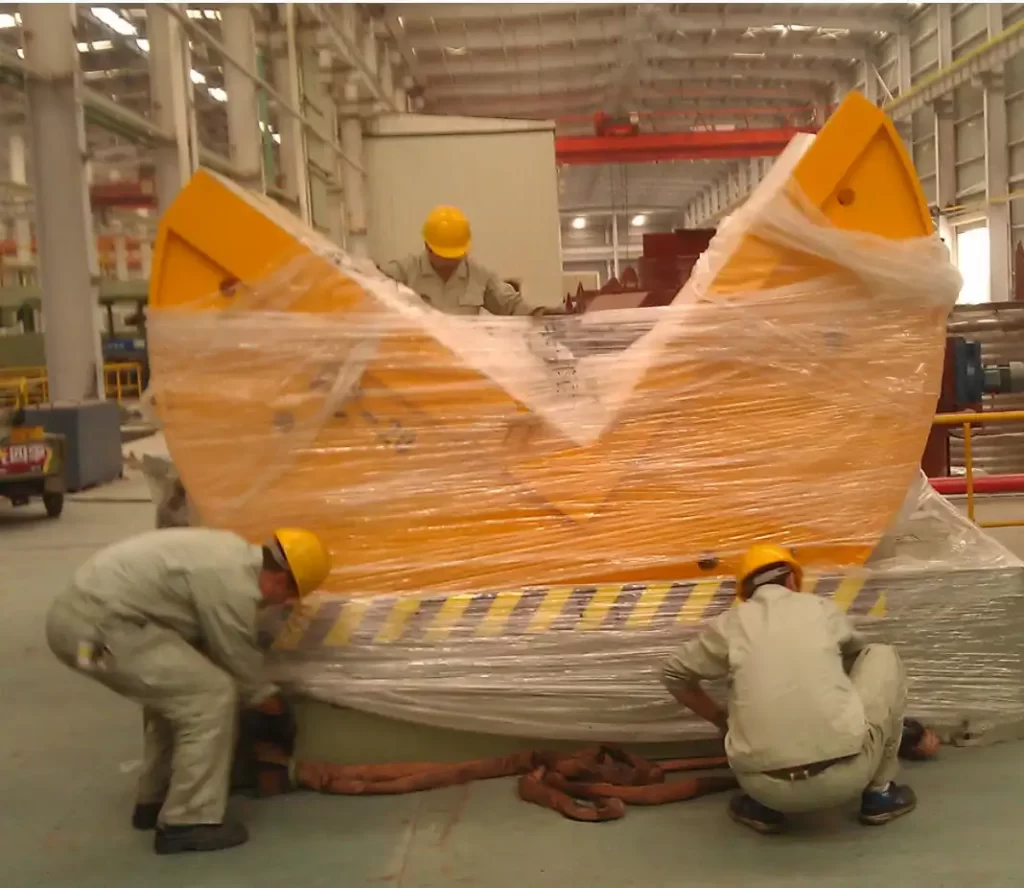
Factories in places like Brazil often face high levels of moisture. Sometimes, they are near the coast, which means salt in the air. Other times, specific industrial processes add to the humidity. These conditions are tough on machines. Standard carbon steel, without proper treatment, will start to corrode very quickly. When steel rusts, it loses its strength. This is dangerous, especially for a machine that handles heavy coils.
To fight this, upenders should use materials that naturally resist rust better. Stainless steel is one option for critical parts. Grades like 304 or 316 stainless steel offer good resistance to general corrosion and even some chemicals. However, stainless steel can be expensive. A more common approach is to use high-grade carbon steel with robust surface treatments. This is often a good balance between cost and performance.
Beyond the main frame, consider other metal components. Bolts, nuts, shafts, and pins are all at risk. These parts might be made from stainless steel or special alloys. Sometimes, they have specific platings, like zinc plating, which adds a layer of protection. Even the smallest parts matter for long-term reliability. If one small bolt rusts through, it can affect the whole machine’s safety and function. Choosing the right metal for each part shows that the upender is built to last. It is not just about the big pieces; it is about every single component. This careful selection of materials helps to prevent rust from starting and spreading, keeping the entire system safe and operational.
How do special coatings protect upenders from rust?
Does your equipment’s paint or coating chip and peel too soon? This leaves the metal underneath open to rust. Once rust starts, it spreads quickly, weakening the machine. Poor coatings mean you will spend more on repairs and replacements. It also puts your production schedule at risk.
Special coatings are a front-line defense for coil upenders in humid places. These coatings form a strong barrier over the metal. They stop moisture and corrosive elements from reaching the steel. Good coatings make sure the machine’s surface stays intact. This protection extends the upender’s life and reduces maintenance needs.

Applying the right coating is very important. It is like putting on a tough shield for the metal. Not all paints are the same. In a humid climate, regular paint might look good at first, but it will not last. It can crack, peel, or blister as moisture gets under it. This creates openings for rust to start.
High-performance coatings are different. They stick to the metal better and form a denser layer. Epoxy coatings are a good example. They are known for being very hard and chemical-resistant. Polyurethane topcoats can be added for extra protection against abrasion and UV light. Before any coating goes on, the metal surface must be perfectly clean. This is called surface preparation. If the surface is not prepared correctly, the coating will not bond well. It will fail quickly. Blasting the metal to create a rough surface helps the coating grip tightly.
Some upenders might use a process called hot-dip galvanizing. This means dipping the steel parts into molten zinc. The zinc forms a thick, durable layer that protects the steel both physically and electrochemically. It is a very effective way to prevent rust, especially for large structural pieces. The choice of coating depends on the specific needs of the environment. Is there salt in the air? Are there harsh chemicals? A good supplier understands these details. They will suggest the best coating system. This ensures the upender stays protected even in the toughest conditions. It is an investment that pays off by preventing costly rust damage.
Can electrical systems truly survive high humidity?
Are your electrical components failing often due to moisture? Water and humidity can short-circuit wiring, damage sensors, and ruin control panels. This stops your upender dead. Electrical failures lead to frustrating downtime and expensive repairs. They also pose a significant safety risk to your workers.
For upenders in humid climates, electrical systems need serious protection. This means using sealed enclosures, waterproof connectors, and moisture-resistant components. These features keep water out of sensitive parts. They ensure the upender’s controls work reliably and safely. This prevents unexpected stops and keeps your production flowing.

Electrical systems are the brain of any modern machine. If moisture gets into the brain, the whole machine stops working. In humid places like Brazil, keeping water out of these systems is a big challenge. Standard electrical boxes might not be enough. They can let in humid air, which condenses into water inside. This water then sits on circuit boards and wiring.
High-quality upenders use electrical enclosures rated for harsh environments. Look for ratings like NEMA 4X or IP65/IP66. These ratings mean the enclosures are designed to keep out dust, water jets, and even some corrosive substances. They have strong seals and often use materials that do not rust. All buttons, switches, and indicator lights on the outside of the control panel should also be rated for moisture protection. They must have rubber gaskets or other seals to prevent water entry.
Wiring is another key area. Wires should be properly insulated and routed to avoid water traps. Cable glands where wires enter enclosures must be sealed tightly. Inside the enclosures, sometimes heaters or dehumidifiers are installed. These small devices help to keep the air dry inside the box. They prevent condensation from forming. Even the internal components, like circuit boards and relays, might have special coatings (conformal coatings) that protect them from moisture. For sensors and limit switches, look for versions designed for wet conditions. These often have fully potted bodies, meaning the electronics are encased in a solid waterproof material. Ensuring every part of the electrical system is protected is critical. It makes the upender safer and more dependable. It greatly reduces the chance of electrical failure due to humidity. This attention to detail protects your investment and your operational uptime.
What design features stop moisture from getting inside?
Does your upender have hidden spots where water can collect? Poor design can create puddles and trap moisture. This leads to rust in places you cannot easily see or clean. Over time, trapped water damages critical internal parts. This causes hidden problems that suddenly appear as major breakdowns.
Beyond materials and coatings, the overall design of a coil upender matters for humidity. It needs sloped surfaces, drain holes, and sealed joints. These features stop water from sitting on the machine or getting inside its working parts. A smart design keeps moisture moving away. This prevents hidden corrosion and makes cleaning easier.

When designing a machine for a humid climate, engineers think about how water will behave. Water tends to collect in flat spots or low points. This is where rust starts. A well-designed upender avoids these water traps. For example, surfaces that might get wet should be sloped. This allows water to run off quickly. You often see this on the top of control panels or main structural beams.
Drain holes are also very important. If any water does get into an enclosed area, it needs a way to get out. Without drain holes, water can sit and cause corrosion from the inside. These holes should be large enough not to clog easily. They should also be placed at the lowest points of any enclosed section.
Seals and gaskets are crucial for moving parts and access panels. Bearings, gears, and hydraulic cylinders need to be protected. High-quality seals prevent water and dust from entering these sensitive areas. The seals must be made from materials that resist degradation from moisture and temperature changes. For inspection hatches or access points, robust gaskets ensure a tight seal. These gaskets prevent water from seeping into internal compartments where controls or mechanical parts reside.
Consider the frame structure itself. Open-frame designs can allow better airflow, which helps to dry out surfaces. However, they might also expose more surfaces to direct moisture. Some designs use fully enclosed structures for sensitive components. In these cases, it becomes even more important to have proper ventilation and drainage within the enclosure. Think about how the upender is cleaned. Is it easy to wash down without water pooling? Does the design allow for quick drying? These small design details add up to big differences in long-term performance. A machine built with these features in mind will require less maintenance and have a much longer working life in humid environments. It is a sign of an experienced manufacturer who understands real-world conditions.
My Insights: Why a long-term partnership matters more than just equipment.
Are you worried about choosing the wrong supplier? Have you faced bad after-sales service before? Buying a big machine like an upender is a major investment. If the supplier only cares about the sale, you are left alone with problems. This can lead to more costs and headaches later.
When I started FHOPEPACK, I aimed to share knowledge. This came from my own journey in the packing machine industry. I worked my way up, built my own factory, and helped many clients. I know what it is like to need reliable equipment and a partner who truly understands your challenges. For me, it is not just about selling a machine. It is about building a relationship. A true partner offers expert guidance. They provide solutions that solve your real problems. This helps your business grow.
This mindset is why I share my expertise. I remember when I was setting up my factory. I learned that getting the cheapest machine often led to the most expensive problems. Instead, I focused on finding solutions that brought long-term value. This meant looking at more than just the price tag. I looked for quality, durability, and a supplier who would stand by their product. This approach helped me achieve financial independence. It also let me help my clients achieve their own growth.
For factory managers like Michael Chen, trust is everything. Michael needs to boost output, control costs, and keep things safe. He knows machine downtime means huge losses. He needs equipment that can handle tough, heavy-duty work. But he also wants a supplier who understands his specific pain points. He wants someone who gets his efficiency problems, his safety risks, and his need for good ROI.
A real partner will not just sell you an upender. They will listen to your factory’s specific needs. They will ask about your environment, your existing production line, and your future goals. They will help you find the right corrosion-resistant features for your climate, whether it is Brazil or elsewhere. They will explain the ROI of investing in durable equipment. This includes how it cuts down on labor costs, reduces product damage, and boosts safety. This kind of partnership offers more than just a machine. It offers peace of mind. It helps you make smart investments that drive your business forward. I have seen firsthand how this approach transforms businesses. It is how I built FHOPEPACK and how I believe we can help you too.
Conclusion
Choosing a coil upender for humid climates demands careful thought on materials, coatings, and design. Focus on long-term value, ensuring reliability and safety in challenging environments. A knowledgeable partner makes all the difference.








