
What benefits does a coil wrapping machine bring to Brazil’s automotive parts suppliers?
Are your production lines slowing down because of packaging? Are you constantly worried about worker safety or damaged products? Many factory managers in Brazil face these exact problems, especially those in the demanding automotive parts sector. The pressure to deliver quickly, safely, and without defects is real.
A coil wrapping machine brings significant benefits to Brazil’s automotive parts suppliers by dramatically improving packaging efficiency, enhancing worker safety, reducing product damage during transit, and ultimately delivering a strong return on investment through lower operational costs and fewer customer complaints. This technology addresses critical challenges in high-volume manufacturing environments.
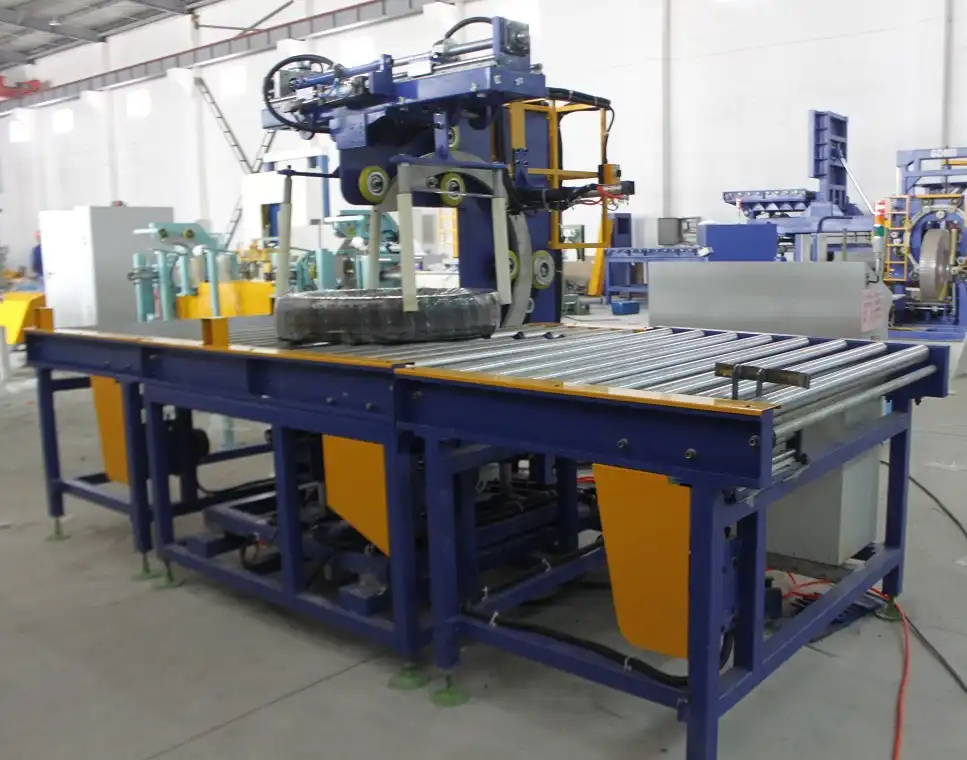
I have spent many years in the packing machine industry, from an employee to owning my own factory. I understand the challenges you face every day. That is why I started FHOPEPACK – to share practical knowledge and solutions. This article will break down how modern coil wrapping machines can transform your operations in Brazil, just as I have seen them do for many others.
1. How does a coil wrapping machine solve the efficiency bottleneck in Brazilian factories?
Do your current manual coil packing methods slow down your entire production? Are you losing valuable time and money because the end of your line cannot keep up? This is a common bottleneck I have seen in many factories. It directly impacts your ability to meet customer demand.
A coil wrapping machine solves efficiency bottlenecks by automating a labor-intensive process, increasing packing speed, and allowing for continuous operation, which significantly speeds up throughput and ensures products are ready for shipment much faster than manual methods. This automation frees up workers and reduces delays.

When I was first starting out in the packing machine industry, I saw many factories struggle with this. They had great production rates for their automotive parts, but then everything slowed to a crawl at the packing station. This bottleneck meant orders were delayed, and overall factory output suffered. Coil wrapping machines change this entirely. They introduce a level of speed and consistency that manual work simply cannot match. This is especially true for the high-volume, repetitive tasks common in the automotive supply chain. Imagine a process where coils are automatically fed, wrapped, and discharged, all without constant human intervention. This setup minimizes idle time and maximizes the output rate. This allows your factory to process more orders in less time, directly contributing to higher revenue and customer satisfaction.
The Impact of Automated Speed on Production
- Faster Throughput: Manual wrapping is slow. A machine can wrap multiple coils per minute, depending on the model and coil size. This speed means more coils are packed and ready for dispatch in a shorter time. It helps keep your production line flowing smoothly.
- Reduced Labor Dependency: Relying on human labor for repetitive tasks like wrapping often leads to inconsistencies and slower speeds. Machines perform these tasks with precision and at a constant pace. This reduces the need for large packing teams, allowing you to reallocate skilled labor to other critical areas of your factory.
- Continuous Operation: Unlike human workers who need breaks, machines can operate continuously for long shifts. This capability is vital for factories with high production targets, ensuring that packaging does not become the limiting factor for overall output.
- Improved Cycle Time: Automation shortens the time it takes for a product to go from production to being fully packed and ready to ship. This improvement in cycle time is critical for just-in-time delivery models common in the automotive industry. It helps you avoid late penalties and strengthens your reputation as a reliable supplier.
For example, consider a medium-sized metal processing plant in Brazil. Before automation, their coil packaging might involve 3-4 workers taking 5-7 minutes per coil to manually wrap and secure. With a coil wrapping machine, the same process could take 1-2 workers (mostly for supervision and loading/unloading) and only 1-2 minutes per coil. This is a significant jump in efficiency, directly impacting how many shipments can go out each day. It removes the stress of meeting tight deadlines caused by slow packing.
2. Can a coil wrapping machine significantly boost worker safety for automotive parts suppliers?
Do your workers frequently handle heavy, awkward coils? Are you concerned about high injury rates and rising insurance costs from manual lifting and maneuvering? Safety is always a top priority for any factory manager, and I have seen firsthand the risks involved in traditional packing methods.
Yes, a coil wrapping machine significantly boosts worker safety for automotive parts suppliers by drastically reducing the need for manual handling of heavy coils, minimizing risks of strains, sprains, and crushing injuries, and creating a much safer working environment on the packaging line. This automation protects your most valuable asset: your employees.
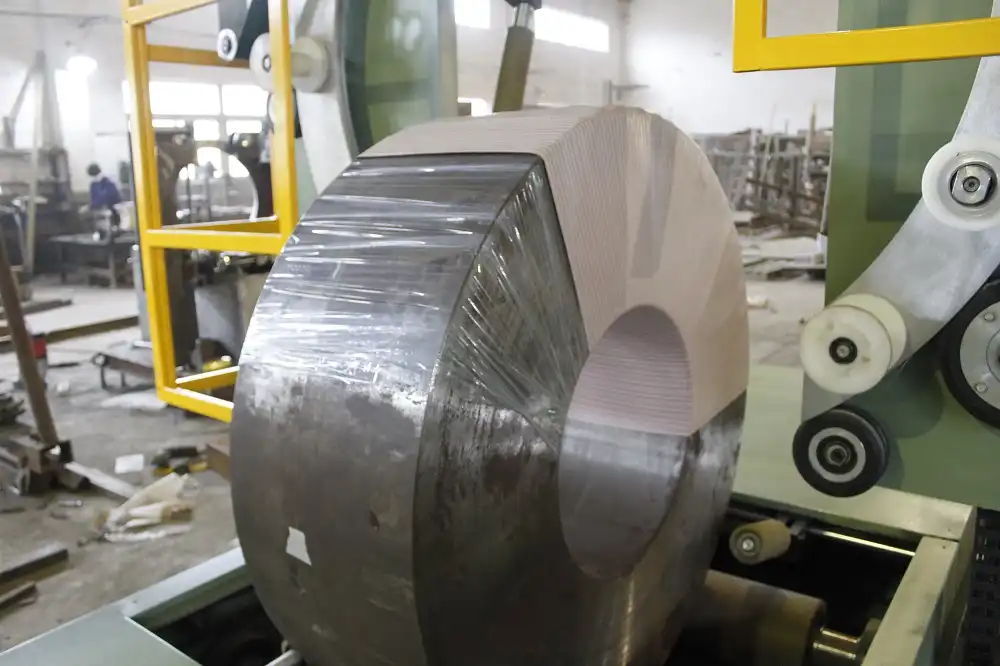
I remember visiting factories where workers had to physically turn and manipulate large, heavy steel coils. The constant lifting, bending, and twisting led to many workplace injuries. Not only is this bad for the workers, but it also creates high insurance costs and employee turnover for the business. A coil wrapping machine changes this dangerous dynamic. It integrates handling and wrapping into one automated process. This means your team interacts with the coils less directly, especially during the most hazardous parts of the packing process. The machine itself handles the rotation and wrapping, keeping human hands out of harm’s way. This focus on safety is not just about compliance; it is about protecting your people and building a more sustainable operation.
Key Safety Improvements with Automated Coil Wrapping
- Elimination of Manual Lifting: One of the biggest dangers in coil packaging is the manual lifting and positioning of heavy coils. Coil wrapping machines often integrate with conveyors or loading systems. These systems handle the heavy lifting. Workers no longer need to strain their backs or risk dropping heavy items.
- Reduced Exposure to Moving Parts: Manual wrapping requires workers to be very close to the coil as it is being wrapped. Automated machines have safety guards and interlocks. These features prevent operators from accessing moving parts during operation. This reduces the risk of entanglement or crushing injuries.
- Ergonomic Benefits: Repetitive motions and awkward postures are common in manual packing. They lead to musculoskeletal disorders over time. Automated wrapping reduces or eliminates these repetitive tasks for human workers. This improves the overall ergonomics of the workstation.
- Consistent and Predictable Operations: Human error can lead to accidents. Machines operate with a high degree of precision and predictability. This reduces unexpected movements or actions that might cause injuries. It creates a more stable work environment.
Consider a Brazilian automotive parts supplier dealing with thousands of coil wraps a day. Before automation, they might have a dozen minor injuries annually related to strains, cuts, or impacts. After installing a coil wrapping machine, these numbers can drop dramatically, sometimes to zero for related incidents. This not only saves on medical costs and lost workdays but also builds a positive company culture where employee well-being is clearly valued. When employees feel safe, they are more productive and loyal.
3. How does better coil packaging reduce product damage and customer complaints?
Are your carefully manufactured automotive parts getting damaged during internal transport or before they even reach your customers? Are you receiving complaints about scratched surfaces or dented edges on your coils? This kind of damage can hurt your reputation and your bottom line.
Better coil packaging, achieved through a coil wrapping machine, significantly reduces product damage by providing consistent, secure, and protective wrapping that shields coils from external elements and impacts during handling, storage, and transit, directly leading to fewer customer complaints and improved product integrity. This protection is vital for sensitive automotive components.
In my experience, even the toughest steel coils can suffer damage if not properly packed. Edges can get bent, surfaces can get scratched, and moisture can cause corrosion. This is especially true when coils are moved around a factory or shipped over long distances to automotive assembly plants. Manual wrapping often lacks consistency. This creates weak spots in the packaging. A coil wrapping machine applies tensioned, uniform layers of protective material. This material forms a robust barrier against physical impacts, dust, and moisture. This consistent quality means your products arrive at their destination in the same condition they left your factory. This level of care builds customer trust and reduces costly rejections.
The Role of Precision Wrapping in Damage Prevention
- Uniform Tension and Coverage: Manual wrapping often has uneven tension and gaps. A machine applies wrapping material with consistent tension and overlap. This creates a tight, secure, and complete protective layer around the entire coil surface, including edges.
- Protection from Environmental Factors: Moisture, dust, and UV light can degrade coil quality. Coil wrapping machines can apply stretch film or other specialized materials that offer excellent protection against these elements. This prevents rust, corrosion, and surface degradation.
- Impact Resistance: The multiple, tightly wound layers of film or other materials provide a cushioning effect. This helps to absorb minor impacts and abrasions that can occur during loading, unloading, and transportation. This is critical for preventing cosmetic and structural damage.
- Enhanced Stability: A well-wrapped coil is more stable. This reduces movement during transit. Less movement means less chance of the coil shifting and damaging itself or other cargo. It ensures the product remains intact until it reaches the customer.
Consider an automotive parts supplier in Brazil shipping coils to various assembly plants. Before improving their packaging, they might see a 2-3% damage rate leading to claims and returns. With a coil wrapping machine, this rate can drop to less than 0.5%. This reduction translates into substantial savings from avoiding rework, shipping replacement parts, and managing customer disputes. More importantly, it enhances their reputation as a quality supplier. When customers consistently receive undamaged products, their confidence in your brand grows. This is crucial for long-term business relationships.
4. What financial returns can Brazilian automotive suppliers expect from investing in coil wrapping?
Are you looking at an investment in new equipment and wondering if it will truly pay off? As someone who built a successful packing machine factory, I know that every investment must show a clear return. Will a coil wrapping machine actually reduce your costs and boost your factory’s profitability?
Brazilian automotive suppliers can expect significant financial returns from investing in coil wrapping through substantial reductions in labor costs, decreased product damage and associated losses, lower material waste, and improved customer satisfaction leading to repeat business and a stronger market position. This investment quickly pays for itself, driving overall profitability.
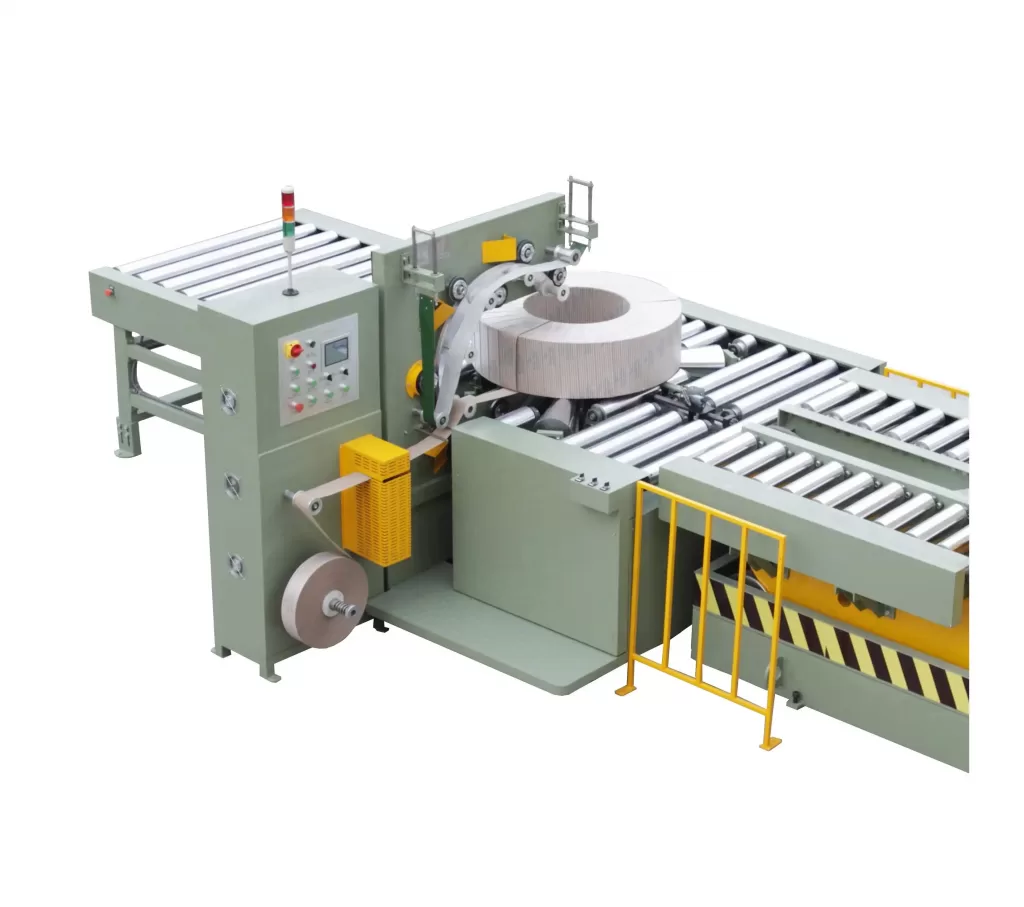
Many of my clients, once hesitant, later shared their success stories after implementing automation. They saw immediate savings. The return on investment (ROI) for a coil wrapping machine often surprises people. It is not just about the direct cost savings; it is also about the indirect benefits that strengthen your entire business. When you replace manual labor with efficient machinery, you save on wages, benefits, and the costs associated with injuries. When you eliminate product damage, you save on rework, scrap, and customer claims. These savings add up quickly. They improve your profit margins and give you a competitive edge in the market. I have always focused on solutions that provide tangible value, and automated coil wrapping is a prime example.
Quantifying the Return on Investment (ROI)
- Labor Cost Savings:
- Reduced Headcount: Automating packaging means fewer workers are needed for the packing line.
- Lower Overtime: Machines work consistently without needing overtime pay.
- Reallocation of Skilled Labor: You can move skilled workers to more complex, value-added tasks.
- Example: Reducing 2-3 full-time employees on the packing line can save tens of thousands of dollars annually in wages and benefits.
- Reduced Product Damage Costs:
- Fewer Returns and Reworks: High-quality wrapping prevents damage, reducing the need to replace or reprocess damaged coils.
- Lower Shipping Insurance Claims: Secure packaging leads to fewer damage claims during transit.
- Improved Brand Reputation: Consistent delivery of undamaged products strengthens customer trust.
- Example: If product damage drops from 2% to 0.5%, a factory producing $10 million in coils annually saves $150,000 in direct loss.
- Optimized Material Usage:
- Consistent Wrapping: Machines use film or other materials efficiently, with precise tension and overlap, reducing waste compared to manual methods.
- Right Amount of Material: Automated systems can be programmed to use the optimal amount of material for each coil, avoiding overuse.
- Example: Reducing film waste by 10-15% can lead to significant savings over time, especially with large volumes.
- Increased Production Capacity:
- Higher Throughput: Faster packing means more products can be processed and shipped daily.
- Ability to Handle More Orders: The increased capacity allows your factory to take on more business without needing to expand the physical space of the packing area.
- Example: An increase in output by 20-30% directly translates to higher sales potential without proportional increases in fixed costs.








