
What are the safety guidelines and operational protocols requirements when the coil packing line is operational
Imagine a bustling manufacturing floor, where heavy coils of metal are processed with speed and precision. But beneath the efficiency lies potential danger. Ignoring safety in a coil packing line is like walking a tightrope without a net – one misstep can lead to serious consequences. Are you truly aware of the critical safety guidelines and operational protocols necessary to keep your coil packing line running smoothly and, most importantly, safely?
When a coil packing line is operational, strict adherence to safety guidelines and operational protocols is paramount. These requirements encompass authorized personnel operation, mandatory protective gear, thorough safety confirmations before startup, comprehensive equipment understanding, regular air pressure checks, strict operating rule adherence, prioritized personal safety, diligent maintenance, and awareness of electric shock risks. These measures collectively minimize risks and ensure a secure working environment.
To ensure a safe and productive coil packing environment, a comprehensive understanding of safety measures and operational protocols is not just beneficial—it’s essential. Let’s delve into the specifics that every operator and manager must know to prevent accidents and foster a culture of safety.
Safety Measures for Coil Feed Line Operation
Operating a coil feed line, especially a 3-in-1 system, demands unwavering attention to safety. It’s not merely about avoiding accidents; it’s about creating a work environment where every operator feels secure and is empowered to perform their duties without fear. But what are the concrete steps to achieve this level of safety, and how can these measures be effectively implemented and maintained in a dynamic production setting?
Operating a 3-in-1 coil feed line necessitates strict adherence to safety measures. Key guidelines include restricting operation to authorized personnel, mandating protective gear like gloves (except at the control panel), confirming safety protocols before startup by checking for “Do Not Operate” signs and ensuring clear surroundings, thoroughly understanding the equipment structure including components like the support base and leveling machine, regularly checking air pressure of the feeder to meet standard requirements (0.49MPa), strictly adhering to operating rules such as never operating without protective covers, prioritizing personal safety by avoiding contact with moving parts, following maintenance guidelines by ceasing operation before maintenance, and being cautious of electric shock risks especially with wet hands or abnormal sounds. These protocols are crucial for minimizing risks and promoting workplace safety.

Dive Deeper into Coil Feed Line Safety Protocols
To truly master safety on the coil feed line, a surface-level understanding isn’t enough. We need to dissect each safety protocol, understand its rationale, and explore the potential consequences of overlooking it. Let’s break down the critical aspects of safe operation and examine how they contribute to a safer working environment.
Authorized Personnel and Training: The First Line of Defense
The cornerstone of any safety protocol is ensuring that only properly trained and authorized personnel operate the machinery. This isn’t just about preventing misuse; it’s about leveraging expertise to preemptively mitigate risks. Untrained operators are not only more prone to accidents but also less likely to identify and address potential hazards before they escalate.
Consider the scenario: an untrained worker, unfamiliar with the nuances of the control panel, attempts to adjust the feeder speed. Without proper knowledge, they might inadvertently increase the speed beyond safe limits for the material being processed, leading to material damage, equipment malfunction, or even operator injury. Conversely, a trained operator understands the equipment’s limitations, the material specifications, and the correct procedures for adjustment, ensuring smooth and safe operation.
Protective Gear: Your Personal Shield
Protective gear isn’t just a suggestion; it’s a mandatory layer of defense against potential hazards. Gloves, in particular, are crucial when handling coils and materials in a feed line. However, the effectiveness of protective gear hinges on its consistent and correct usage.
| Protective Gear | Hazard Mitigation | Usage Protocol |
|---|---|---|
| Gloves | Cuts, abrasions, and sharp edges of materials | Mandatory at all times when handling materials, except when using control panel |
| Safety Glasses | Flying debris, metal shards, and dust particles | Recommended during operation and maintenance |
| Safety Shoes | Heavy falling objects, coil edges, and impacts | Mandatory for all personnel in the operational area |
| Hearing Protection | High noise levels from machinery operation | Recommended in designated high-noise zones |
Ignoring PPE, even seemingly minor items like gloves, can have significant repercussions. Imagine an operator handling a coil with sharp burrs without gloves. A seemingly minor cut can quickly become infected, leading to downtime and potential health complications. Consistent use of appropriate PPE is a non-negotiable aspect of coil line safety.
Pre-Operation Safety Confirmation: A Moment for Prevention
The pre-operation safety confirmation is not a mere formality; it’s a critical checkpoint to prevent accidents before they even begin. This involves verifying that all safety measures are in place and that the environment is safe for operation. Skipping this step is akin to starting a journey without checking the brakes – a gamble with potentially severe consequences.
A crucial element of this confirmation is checking the control panel for any “Do Not Operate” signs. These signs are indicators of ongoing maintenance, malfunctions, or unsafe conditions. Disregarding such warnings is a direct violation of safety protocols and can lead to equipment damage, operator injury, or even catastrophic failures. Furthermore, ensuring no personnel are near moving parts or safety guards is equally vital. Operational areas should be visually inspected to confirm they are clear of obstructions and unauthorized personnel.
By meticulously following pre-operation checklists and protocols, operators can proactively identify and address potential hazards, creating a safer environment before machinery is even activated. This proactive approach is fundamental to preventing accidents and fostering a culture of safety.
Equipment Structure and Air Pressure Checks: Understanding and Maintaining the Machine
A deep understanding of the coil feed line’s structure and regular air pressure checks are crucial for both operational efficiency and safety. Familiarity with components like the support base, material pressure arm, and leveling machine allows operators to identify potential issues and perform basic troubleshooting. Similarly, consistent air pressure checks ensure the feeder operates within specified parameters, preventing malfunctions and ensuring consistent material feeding.
Deviation from recommended air pressure can have cascading effects. Insufficient pressure might lead to inconsistent material feeding, causing jams or misalignments. Excessive pressure, on the other hand, could overstress components, leading to premature wear and tear or even sudden failures. Regular checks, as outlined in equipment manuals, are essential for maintaining optimal performance and preventing safety hazards arising from equipment malfunction.
By investing in operator training on equipment structure and mandating routine air pressure checks, organizations can ensure both smoother operations and a safer working environment. This proactive maintenance and knowledge-based approach is key to maximizing both productivity and safety.
Safety Recommendations for Unpacking and Strap Removal from Coils
Unpacking and removing straps from coils might seem like a straightforward task, but it harbors significant dangers. The tension stored in these straps, especially on heavy gauge materials, can release violently, causing serious injuries. Are your operators fully aware of these hidden dangers, and are they equipped with the knowledge and tools to perform these tasks safely?
Unpacking coils and removing straps are potentially dangerous operations requiring strict safety precautions. Key recommendations include operator awareness of rupture risks, mandatory use of personal protective equipment (PPE) such as helmets, gloves, goggles, and safety shoes to protect against strap springback, ensuring coil stability by considering the coil’s diameter-to-width ratio and using appropriate equipment like mandrels, positioning rolls, or unpacking pins to prevent instability, and following safe strap removal procedures such as standing to the side of the coil when cutting straps, ensuring strip tail retention, and cutting center straps first if multiple straps are present. Adherence to these guidelines minimizes the risk of injury during coil unpacking and strap removal.

Best Practices for Safe Coil Unpacking and Strap Removal
Beyond basic precautions, adopting best practices for coil unpacking and strap removal is critical to minimizing risk and ensuring operator safety. These practices often go beyond standard guidelines, representing a deeper commitment to safety and operational excellence. Let’s explore some of these crucial best practices.
The Imperative of Operator Equipment: More Than Just Gear
Operator equipment for unpacking and strap removal isn’t just about providing PPE; it’s about equipping operators with tools designed specifically for the task, enhancing both safety and efficiency. Standard gloves and safety glasses are a starting point, but specialized tools can significantly reduce risk.
For instance, consider strap cutters. Using general-purpose cutting tools can be hazardous, increasing the risk of slippage and uncontrolled strap release. Shears specifically designed for strap removal, with flat noses for easy positioning between strap and coil, offer a far safer and more controlled cutting process. Similarly, ensuring operators have helmets, goggles, safety shoes, and appropriate working clothes provides comprehensive protection against the unpredictable nature of strap release and coil movement.
Coil Positioning and Stability: Engineering Safety from the Ground Up
Coil positioning is not just about convenience; it’s a fundamental safety issue. An unstable coil is a disaster waiting to happen, especially during strap removal. The risk of instability is amplified with slit coils, particularly when the ratio between outer diameter and width exceeds 3.
To mitigate this, adequate equipment is essential. Decoiling tools like mandrels and positioning rolls are crucial for securing the coil and controlling its position during strap removal. Placing the coil as low as possible on rolls or stands minimizes elastic springback, a major contributor to strap-related injuries. If strap removal occurs on a mandrel-equipped line, utilizing the feed carriage or pressing roll to maintain strip tail position further enhances stability. These engineered solutions are not just about efficiency; they are about fundamentally designing safety into the unpacking process.
Strap Removal Techniques: Precision and Precaution
The technique used for strap removal is as critical as the equipment. Rushing the process or using improper methods significantly increases the risk of injury. The higher the elastic limit of the product, the greater the spring action of the strip tail, and the more cautious operators must be.
Standing in front of the coil while cutting straps is strictly prohibited. Operators must always stand to the side, minimizing their exposure to potential strap springback. Before cutting any straps, especially those retaining the strip tail, operators must ensure the tail is absolutely securely retained, as per established positioning protocols. For coils with multiple circumferential straps, cutting from the center outwards provides a more controlled and safer release. Finally, maintaining a clean work area by immediately disposing of packaging materials eliminates tripping hazards and promotes a safer overall environment.
By meticulously adhering to these best practices, organizations can transform coil unpacking and strap removal from a high-risk operation into a controlled and safe process. This commitment to detail, proper equipment, and rigorous technique is the hallmark of a safety-conscious operation.
Safety in Stamping Production Line Management
Managing a stamping production line is a complex undertaking where safety, organization, and precision are interdependent. A chaotic or disorganized line is inherently unsafe, while a safe line is often characterized by meticulous planning and execution. But how can these principles be translated into tangible actions and protocols that ensure a consistently safe and productive stamping environment?
Effective stamping production line management for safety involves several key guidelines. These include developing a comprehensive production plan outlining all steps and ensuring operator understanding of signals and safety protocols, installing safety signs and barriers around the feed line to restrict unauthorized access, maintaining cleanliness and organization to prevent tripping hazards, conducting daily and periodic maintenance on machinery to prevent malfunctions, confirming safety protocols before starting operations to ensure personnel are clear, maintaining proper posture and awareness during operation to avoid accidents, strictly prohibiting operation during maintenance and respecting “Do Not Operate” signs, mandating appropriate workwear and personal protective equipment (PPE) such as fitted clothing, helmets, and gloves, regularly inspecting and maintaining safety devices like switches, properly storing tools and equipment to prevent clutter and tripping hazards, replacing worn parts routinely to ensure optimal machinery function, and being prepared for emergencies with accessible first aid and fire safety equipment. These measures collectively create a safer and more efficient stamping production environment.
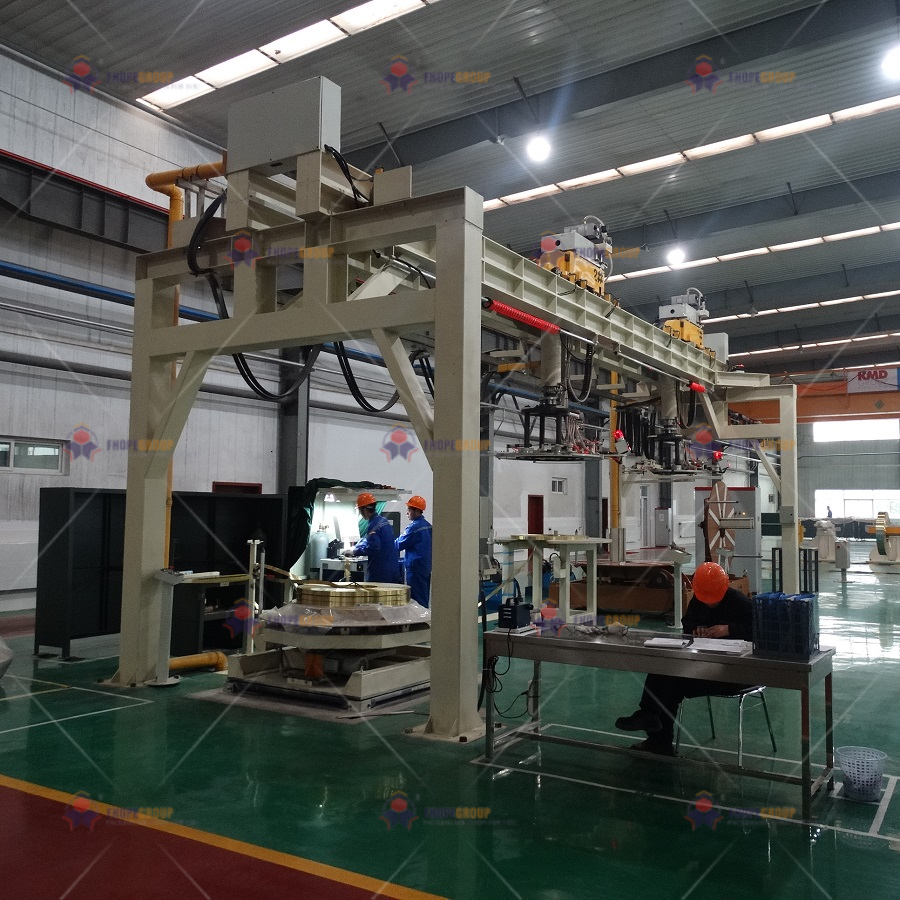
Technical Analysis of Stamping Line Safety Protocols
To truly optimize safety in a stamping production line, a technical analysis of each protocol is essential. This involves understanding not just what to do, but why it’s critical and how it contributes to overall safety. Let’s dissect some key safety protocols from a technical perspective.
The Production Plan: Blueprint for Safety
A comprehensive production plan is more than just a schedule; it’s a blueprint for safe operations. It details every step of the process, ensuring all operators are synchronized and aware of potential hazards at each stage. Lack of a clear plan breeds confusion, ad-hoc decision-making, and ultimately, increased risk.
Consider the role of communication in the production plan. Clearly defined signals, codes, marks, and symbols are the language of the production line. If these are ambiguous or inconsistently applied, miscommunication is inevitable, leading to errors and potential accidents. For example, a standardized “stop” signal must be universally understood and instantly recognizable to prevent a worker from inadvertently entering a hazardous zone while machinery is still in motion. A well-defined production plan, with clear communication protocols, is the foundation of a safe stamping line.
Safety Signage and Barriers: Physical and Visual Reminders
Safety signs and barriers are not passive elements; they are active interventions designed to prevent accidents. Barriers physically restrict access to dangerous zones, while signs visually communicate hazards and safety instructions. Their effectiveness hinges on strategic placement, clear messaging, and consistent maintenance.
| Safety Measure | Technical Function | Impact on Safety |
|---|---|---|
| Safety Barriers | Physical restriction of access to hazardous areas | Prevents accidental entry into dangerous zones, reducing impact injuries |
| Warning Signs | Visual communication of hazards and safety instructions | Raises awareness of potential dangers, promotes safe behavior |
| Emergency Stop Buttons | Immediate machinery shutdown in emergencies | Allows for rapid response to prevent or mitigate accidents |
The technical design of safety barriers is also crucial. They must be robust enough to withstand accidental impacts and positioned to provide effective separation without creating new hazards. Similarly, signage must adhere to recognized standards for color-coding and symbols to ensure immediate comprehension, even in high-stress situations. Regular inspections and maintenance of both barriers and signs are essential to ensure their continued effectiveness.
Maintenance and Inspections: Proactive Prevention
Daily and periodic maintenance are not just about keeping machinery running; they are about proactively preventing safety hazards. Malfunctioning equipment is inherently dangerous, and even seemingly minor issues can escalate into major safety risks if left unaddressed.
For example, consider the 3-in-1 coil feed line. Its complex mechanics require meticulous maintenance to ensure smooth and safe operation. Following manufacturer guidelines for daily and periodic checks – lubricating moving parts, inspecting rollers for wear, and verifying electrical connections – are not optional tasks; they are essential preventive measures. Promptly addressing any abnormalities, such as unusual noises or vibrations, is crucial. Operating machinery in abnormal conditions is a gamble that can lead to equipment failure, material damage, and, most importantly, operator injury. A robust maintenance program is the backbone of a safe and reliable stamping production line.
Safeguarding & Safety Precautions For Spindle Uncoilers & Recoilers.
Operating spindle uncoilers and recoilers presents unique safety challenges due to the heavy rotating components and moving strip. Complacency in these areas can lead to severe accidents. Are you taking all necessary precautions to safeguard your operators and ensure the safe operation of this critical equipment?
Operating spindle uncoilers and recoilers demands strict adherence to safety precautions to prevent serious injuries. Key safety instructions include immediate action to apply accident prevention safeguards, understanding that safeguarding must be tailored to each machine and application due to variations in designs and plant layouts, recognizing high-risk areas around coil dispensing, winding, and material handling, emphasizing user responsibility for safeguarding these hazardous areas, understanding that standardized safeguards may be impractical due to access needs for coil handling, focusing on general areas with common hazards and solutions for developing safeguards, regularly comparing safeguarding illustrations against existing equipment to identify and correct inadequacies, ensuring safeguards are properly designed, manufactured, installed, and used to prevent circumvention, and familiarizing users with various types of safeguards available in the industry. These comprehensive measures are crucial for minimizing risks associated with uncoilers and recoilers.
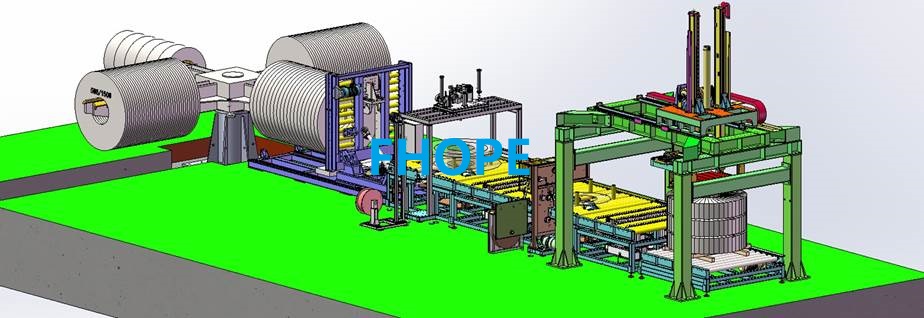
To ensure the safe operation of coil packing lines, it is essential to implement comprehensive safety measures and operational protocols. These guidelines should cover all aspects of the operation, from equipment maintenance to personnel training and emergency preparedness. By prioritizing safety, businesses can create a secure working environment, minimize the risk of accidents, and enhance overall productivity in their coil packing processes.
Conclusion
Prioritizing operation safety within coil packing lines is not merely a regulatory obligation but a fundamental ethical imperative and a smart business strategy. By implementing robust safety guidelines and operational protocols, companies not only protect their most valuable asset – their employees – but also ensure operational efficiency, minimize downtime, and foster a culture of continuous improvement and responsibility. Investing in safety is investing in a sustainable and successful future for your manufacturing operations.








