
What Are the Pros and Cons of Using Orbital Stretch Wrappers in Russia’s Wood and Panel Industries?
Are you a factory manager in Russia’s wood or panel industry? Do you face daily pressure to increase output, control costs, and keep your workers safe? I understand these challenges because I faced them too. Manual packing of lumber or large panels can be slow. It can also cause product damage. Worse, it puts your workers at risk. This affects your profits and your team’s well-being.
Orbital stretch wrappers offer a solution for Russia’s wood and panel industries. They make packing faster, safer, and more secure. But they also come with an upfront cost and need space. These machines reduce labor, protect products from damage, and boost throughput. However, factories must plan for the initial investment, space needs, and ongoing maintenance.

You need a partner who understands your business. You need solutions that truly work. My journey in the packing machine industry taught me a lot. I built a factory from the ground up. I saw the problems firsthand. So, let us look deeper into what these machines can do for you. We will also look at what you need to think about before you invest. This is about making smart choices for your factory’s future.
What Are the Benefits of Orbital Stretch Wrappers for Russian Wood and Panel Businesses?
Do you struggle with slow packing speeds and damaged products in your lumber mill? Is manual handling causing bottlenecks and safety issues? These problems eat into your profits and make your operations less efficient. Many Russian wood and panel businesses face these exact issues. They know they need to modernize.
Orbital stretch wrappers bring major benefits to Russian wood and panel businesses. They increase packing speed and automation. This reduces reliance on manual labor. The machines also protect long or bulky products like lumber and panels better. This leads to less damage during transport and storage. Overall, they boost efficiency, cut costs, and improve workplace safety.
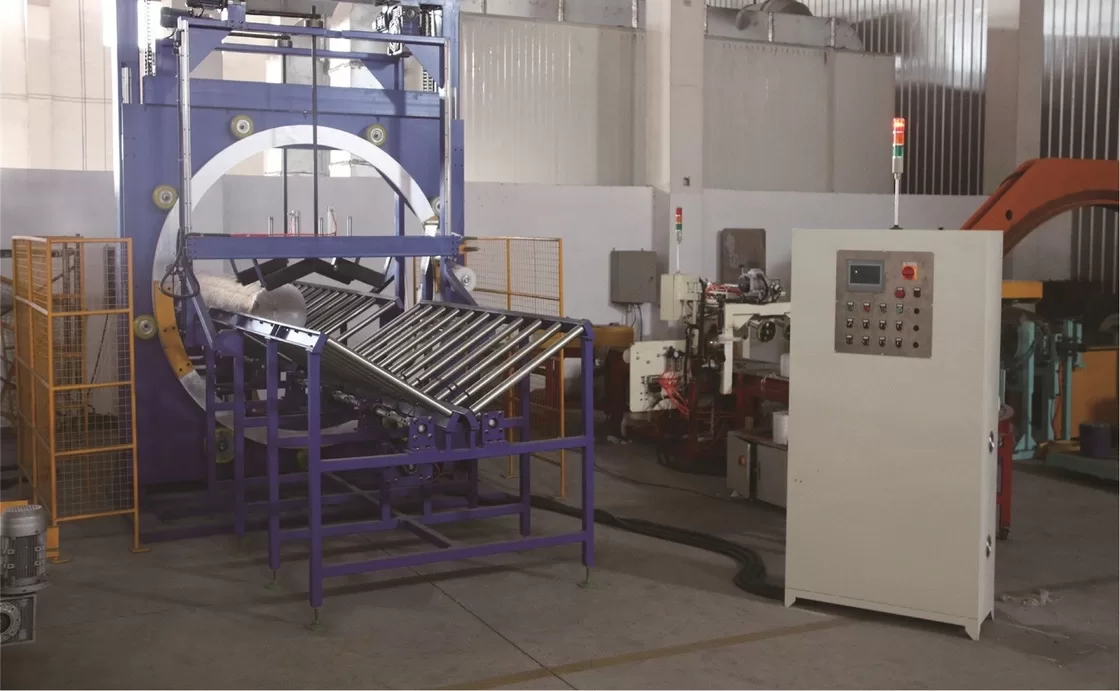
Orbital wrappers are not just about wrapping. They change how you operate. They solve problems that I saw every day when I worked in a packing machine factory. Let us break down the key advantages they offer. We can see how they help businesses like yours.
Orbital stretch wrappers are good for industries that handle long, flat, or bulky items. This perfectly describes wood and panel products. In Russia, where transport distances can be long and weather conditions harsh, proper packing is very important. These machines wrap products tightly. This creates a protective barrier. This barrier guards against moisture, dust, and physical damage. This means fewer customer complaints about damaged goods. It also saves money on replacements. For example, steel wire coils and lumber can be damaged at the edges during internal transfer and packing. An orbital wrapper solves this. It makes sure the product is secure from the start.
Increased Efficiency and Throughput
Orbital wrappers work fast. They automate a job that used to take many workers. This means you can pack more products in less time. Your production line moves quicker. This helps clear bottlenecks at the end of your process. For a factory manager like Michael Chen, this means meeting production targets easily. Manual packing is slow. It needs many people. This leads to bottlenecks. Orbital wrappers move materials quickly through the wrapping cycle. This drastically cuts down the time needed for packing. This directly translates to higher throughput. Your factory can ship more products daily.
Enhanced Product Protection
Wood and panel products can get scratched or wet. An orbital wrapper puts a tight, even layer of stretch film around them. This protects them from dust, dirt, and moisture. This is vital for long-distance shipping within Russia or for export. It ensures your products arrive in good condition. This improves customer satisfaction. It also cuts down on product loss. Michael Chen mentioned product damage, like steel coil edges getting hurt. Orbital wrappers wrap the whole item. This includes the vulnerable edges. This prevents costly damage and customer complaints.
Improved Workplace Safety
Manual handling of heavy wood beams or large panels is very risky. Workers can get injured. This leads to high insurance costs and lost workdays. Orbital wrappers remove the need for manual lifting and turning. This greatly reduces the risk of accidents. Safety is a top concern for any factory manager. Michael Chen knows this well. He wants solutions that reduce manual handling. Orbital wrappers do just that. They make the workplace much safer. This protects your most valuable asset: your employees.
Cost Savings
These machines can save you a lot of money over time. You need fewer workers for packing. This lowers labor costs. Also, less product damage means less money lost on damaged goods. The high efficiency leads to more output. This increases revenue. The return on investment (ROI) for these machines can be very clear. This is a key goal for any business owner or manager.
| Benefit Area | Manual Packing Challenges | Orbital Wrapper Solutions | Impact on Business |
|---|---|---|---|
| Efficiency | Slow speed, bottlenecks, high labor need | Faster cycles, less labor, continuous flow | Higher output, shorter delivery times, more revenue |
| Product Safety | Damage risk (edges), dust, moisture | Tight wrap, full protection, less handling | Fewer customer complaints, less product loss, better reputation |
| Worker Safety | High injury risk from heavy lifting/turning | Eliminates manual handling of heavy items | Reduced accidents, lower insurance costs, better employee retention |
| Cost Reduction | High labor cost, product loss, insurance | Lower labor cost, less damage, reduced insurance | Improved profit margins, clear ROI |
What Are the Challenges of Using Orbital Stretch Wrappers in Russia’s Wood and Panel Sector?
Thinking about buying an orbital wrapper is a big step. But like any major investment, there are things to consider. What if the machine costs too much? What if it does not fit your factory space? Many factory managers worry about these things. You might have had bad experiences with equipment suppliers before. This makes you careful about new purchases.
Using orbital stretch wrappers in Russia’s wood and panel sector comes with challenges. These include the high initial investment cost and the need for enough factory space. Businesses also need to consider ongoing maintenance requirements and the availability of skilled operators. Finding reliable suppliers and good after-sales support in Russia can also be difficult.

I have seen many factories make great choices. I have also seen some make costly mistakes. The goal is to avoid those mistakes. It is about understanding the full picture before you commit. Let us explore the potential hurdles. Then you can make a well-informed decision. This will help you find a truly reliable solution.
The decision to invest in a new packing machine like an orbital wrapper should not be taken lightly. While the benefits are clear, understanding the challenges is just as important. In a country like Russia, with its vast size and varied industrial landscape, factors like logistics for parts and the availability of technical support can play a big role. Michael Chen knows the pain of dealing with suppliers who only care about sales and not after-sales service. This is a real concern. Choosing the right partner is key.
Initial Investment Cost
Orbital stretch wrappers are advanced machines. This means they can be expensive to buy. This upfront cost can be a barrier for some businesses. You need to make sure you have the budget. You also need to calculate the return on investment (ROI) carefully. This shows how quickly the machine pays for itself through savings. For Michael Chen, clear ROI is a goal. So, businesses must plan their finances well. They need to see the long-term gains.
Space Requirements
These machines can be large. They need a lot of floor space in your factory. You need to check if you have enough room. Think about how the machine will fit into your current production line. You need space not just for the machine, but also for loading and unloading products. Factories in Russia might have different layouts and space availability. It is important to measure and plan.
Maintenance and Training
Like any complex machine, orbital wrappers need regular maintenance. They also need skilled workers to operate them. This means you might need to train your current staff. Or you might need to hire new people. You also need to think about getting spare parts. Can you get them quickly in Russia? Is there technical support nearby? These factors affect your uptime. They can also affect your operating costs.
Adaptability to Product Variation
Orbital wrappers are great for uniform products. But if your wood or panel products vary greatly in size or shape, a standard machine might struggle. You might need a custom solution. Or you might need a machine that can adapt to different dimensions. It is important to discuss your specific product range with the supplier. This ensures the machine can handle everything you produce.
Power and Infrastructure
Russia’s industrial facilities need to ensure they have the right power supply and stable infrastructure to run these machines. Some older factories might need upgrades to their electrical systems. This is an extra cost. It is an important factor to consider in your planning.
| Challenge Area | Description | Mitigation Strategy |
|---|---|---|
| High Initial Cost | Significant upfront investment needed for purchase | Detailed ROI calculation, explore financing options |
| Space Constraints | Large machine footprint requires ample factory room | Site survey, optimized layout planning, consider compact models |
| Maintenance/Skills | Needs regular servicing, trained operators | Supplier training programs, local technical support, spare parts availability |
| Product Diversity | May struggle with very varied product sizes/shapes | Customization options, flexible machine designs, thorough product analysis with supplier |
| Infrastructure Needs | Requires stable power supply and robust facility | Assess current electrical systems, plan for necessary upgrades |
How Do Orbital Wrappers Improve Safety and Efficiency in Lumber Mills?
Do you constantly worry about your workers getting hurt while moving heavy lumber? Are slow packing processes making your production line inefficient? Michael Chen, a factory manager I know, deals with these very problems. He faces high rates of injury and bottlenecks daily. These issues affect his business’s bottom line and his team’s morale.
Orbital wrappers directly address safety and efficiency issues in lumber mills. They remove the need for manual handling of heavy wood and panels. This sharply reduces the risk of workplace injuries. They also automate the packing process, making it much faster and more consistent. This helps to clear production bottlenecks and boost overall output.
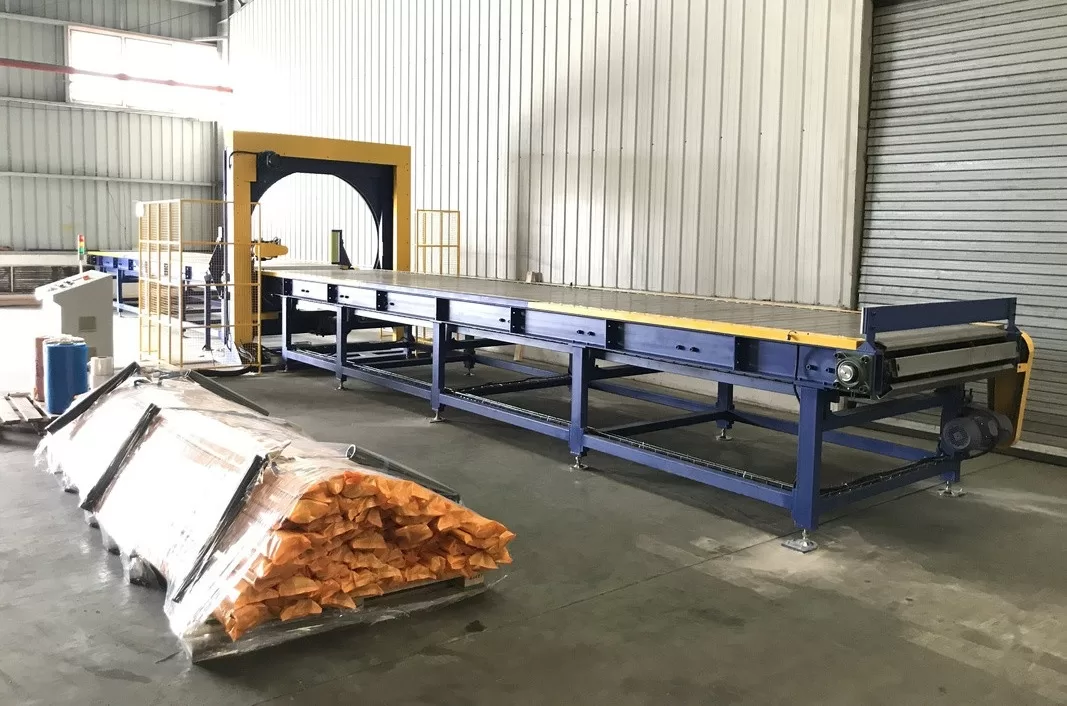
I have seen firsthand how much a good machine can change a factory. It is not just about making a product. It is about making the whole process better. Let us dive into how orbital wrappers can transform your lumber mill operations. We can see how they make them safer and more productive.
For Michael Chen, safety and efficiency are not just buzzwords. They are daily realities. He wants to protect his team and make his factory run better. Manual handling of heavy and awkward materials like lumber or large sheets of plywood poses huge risks. Workers can suffer back injuries, crushed limbs, or strains. These injuries lead to lost workdays, high medical bills, and increased insurance premiums. I believe that a responsible factory owner always looks for ways to keep their people safe. An orbital wrapper is a direct answer to this problem. It takes the heavy lifting out of human hands.
Eliminating Manual Labor for Heavy Loads
The biggest safety gain comes from removing human interaction with heavy, bulky items. Orbital wrappers take over the task of moving and wrapping large pieces of wood. This means fewer workers are exposed to crushing hazards or strain injuries. This change drastically reduces worker compensation claims. It also creates a safer work environment. This improves morale. Michael Chen’s concern about high injury risk is directly solved by this automation. Workers are no longer manually turning heavy products or struggling with an awkward wrap.
Consistent and Faster Wrapping Cycles
Efficiency is about getting more done in less time. Orbital wrappers provide consistent wrapping speeds. They do not get tired. They do not make mistakes from fatigue. This steady pace helps to smooth out the flow at the end of the production line. It prevents bottlenecks that slow down the whole factory. This consistent performance directly leads to higher output. This helps Michael meet his production targets. It also ensures deliveries are on time.
Reduced Product Damage During Transit
Product damage is a hidden cost. It leads to customer complaints and lost profits. Michael Chen specifically mentioned product damage during internal transfer and packing. An orbital wrapper applies a uniform, tight wrap. This protects products from scratches, scuffs, and impacts during handling and transport. This also protects against moisture and dust. This ensures the wood or panels reach the customer in perfect condition. Less damage means fewer returns. It also means happier customers. This builds trust.
Streamlined Logistics
Properly wrapped products are easier to store and transport. The tight, stable wrap makes stacking safer and more efficient. This optimizes warehouse space. It also simplifies loading onto trucks or railcars. This overall improvement in logistics saves time and effort across the supply chain. This further adds to the efficiency gains of the factory.
| Aspect | Manual Process Challenges | Orbital Wrapper Improvements | Resulting Impact on Factory |
|---|---|---|---|
| Worker Safety | High risk of strains, back injuries, crushing accidents | No manual lifting/turning of heavy loads | Fewer injuries, lower insurance costs, improved worker well-being |
| Production Speed | Slow wrapping, manual bottlenecks | Automated, fast, consistent wrapping cycles | Increased throughput, higher production volume, timely deliveries |
| Product Quality | Risk of damage (edges, surface) during handling/transit | Secure, uniform wrap protection | Reduced product loss, fewer customer complaints, better reputation |
| Operational Costs | High labor costs, medical/insurance bills, product waste | Lower labor costs, reduced damage, optimized space | Improved profit margins, better resource utilization |
What Should Russian Businesses Consider Before Investing in an Orbital Wrapper?
Are you a Russian business owner or manager looking at new equipment? Are you thinking about an orbital wrapper for your wood or panel products? Making such a big purchase needs careful thought. You might have faced issues with past suppliers. This makes you hesitant to trust new ones. How can you be sure you are making the right choice?
Russian businesses must consider several key factors before investing in an orbital wrapper. They need to assess the machine’s capacity and its fit for their specific products. It is vital to check the supplier’s reliability and the quality of their after-sales support in Russia. Also, a clear understanding of the total cost of ownership and the expected return on investment is critical.

I have helped many clients grow their businesses. I know that the right equipment is only half the battle. The right partner makes all the difference. Let us look at the crucial points you need to evaluate. This will help you make a smart investment. It will ensure your new machine truly supports your business goals.
When I started my packing machine factory, I learned that a machine is only as good as the support behind it. Michael Chen’s past experience with unreliable suppliers is a common problem. He needs a partner who provides insights and reliable solutions. He needs someone who understands production bottlenecks, safety hazards, and efficiency problems. This means looking beyond the machine itself. It means looking at the company that stands behind it. Especially in a market as large and diverse as Russia, reliable after-sales service is paramount.
Product Specifications
Before anything else, you must know what you need to wrap. What are the typical dimensions of your wood beams or panels? What is their weight? Are they consistently sized, or do they vary a lot? The orbital wrapper must be designed to handle your specific product range. A machine too small will not work. A machine too big might be inefficient. Discuss your exact product details with potential suppliers.
Throughput Requirements
How many items do you need to pack per hour or per day? This determines the speed and capacity of the orbital wrapper you need. Do you have seasonal peaks? Does your current production bottleneck demand a certain output rate? Choose a machine that can meet your current needs. Also, think about your future growth plans. You want a machine that can grow with you.
Integration with Existing Lines
A new machine should fit smoothly into your current factory setup. Will it integrate well with your existing conveyors or handling systems? Does it need any special modifications to your production line? Planning this carefully avoids costly disruptions and ensures a smooth workflow. This includes power supply and floor space considerations.
Supplier Reputation and Support
This is very important. Michael Chen’s bad experiences highlight this. You need a supplier with a strong track record. They should offer good after-sales service. This includes technical support, spare parts availability, and maintenance services. Ask for references. Check their presence and support capabilities within Russia. A reliable supplier is a true partner. They will help you long after the sale.
Return on Investment (ROI)
Any investment must make financial sense. Calculate how quickly the orbital wrapper will pay for itself. Consider savings from reduced labor, less product damage, and increased output. This clear ROI calculation is key for Michael Chen. It shows the value of the investment. It makes it easier to get approval for the purchase.
Compliance and Certifications
Ensure that the orbital wrapper complies with all relevant Russian safety standards and certifications. This is not just a legal requirement. It also ensures the machine is safe for your workers and reliable in operation. A reputable supplier will be able to provide all necessary documentation.
| Consideration | Key Questions for Your Business | Importance Level | Impact of Neglecting |
|---|---|---|---|
| Product Fit | What are my product dimensions, weight, and consistency? | High | Incompatible machine, poor wrapping, product damage |
| Output Needs | How many items per hour/day do I need to pack? Can it scale? | High | Production bottlenecks, under/over-capacity |
| Integration | Will it fit my current layout? Need new conveyors? | Medium | Costly facility changes, workflow disruptions |
| Supplier Support | What is their reputation? Do they offer local support/parts in Russia? | Critical | Downtime, high repair costs, lack of help |
| Financial ROI | What are the projected savings? How quickly will it pay off? | High | Poor investment, financial strain |
| Compliance | Does it meet Russian safety and operational standards? | High | Legal issues, unsafe operations |
My Insights: What Does This Mean for Your Packing Operations?
You have learned about the pros and cons of orbital wrappers. You have thought about the challenges and the benefits. But what does all this truly mean for your factory? How do you move from understanding to action? This is where my journey and FHOPEPACK’s mission come together.
Based on my experience, choosing the right orbital wrapper is about finding a partner who understands your challenges, not just a machine seller. It means identifying the core problems in your packing process and investing in a solution that solves them, providing clear value and long-term support.
I started on the factory floor. I was an employee at a packing machine factory. So, I saw the struggles of manual packing every day. I saw the injuries. I saw the wasted time. I understood the pressure. Later, I built my own successful packing machine factory. This gave me a deeper view. I learned what it takes to optimize every step of production. I also learned what it means to grow a business. I achieved financial independence through this journey. Now, I want to give back.
My goal with FHOPEPACK is simple. It is to share what I learned. It is not just about selling a machine. It is about helping you solve your unique problems. Think about Michael Chen’s situation. He needs more than just a piece of steel. He needs someone who can help him increase output. He needs someone to help him cut costs. He needs someone to improve safety. This is what a true partner does. They listen. They understand. Then, they provide a solution that truly fits.
This is why I always emphasize the partnership aspect. A machine is a tool. But the right tool, backed by the right expertise, becomes a powerful asset. It can transform your operations. It can make your workers safer. It can make your factory more profitable. So, when you look at an orbital wrapper, do not just see the machine. See the potential for a better, safer, and more efficient future for your factory. See a chance to work with someone who understands your journey, because I have walked it too.
Conclusion
Orbital stretch wrappers offer significant safety, efficiency, and cost benefits for Russia’s wood and panel industries. However, businesses must carefully consider the investment, space, maintenance, and reliable supplier support to ensure a successful integration and clear return on investment.








