
What Are the Pros and Cons of Using Horizontal Orbital Wrappers in Colombia’s Building Material Industry?
Is your Colombian building material factory struggling with slow packing lines, damaged products, or high labor costs? I have seen firsthand how these issues can eat into your profits and delay your deliveries. Manual packing methods might seem cheaper at first, but the hidden costs of inefficiency and worker injuries are enormous. What if there was a way to secure your products better, speed up your operations, and create a safer workplace all at once?
Horizontal orbital wrappers offer significant advantages for Colombia’s building material industry by automating the packaging of long or bulky items like pipes, profiles, and timber, enhancing protection, and improving operational efficiency. However, they also come with considerations such as initial investment, space requirements, and the need for proper training and maintenance.
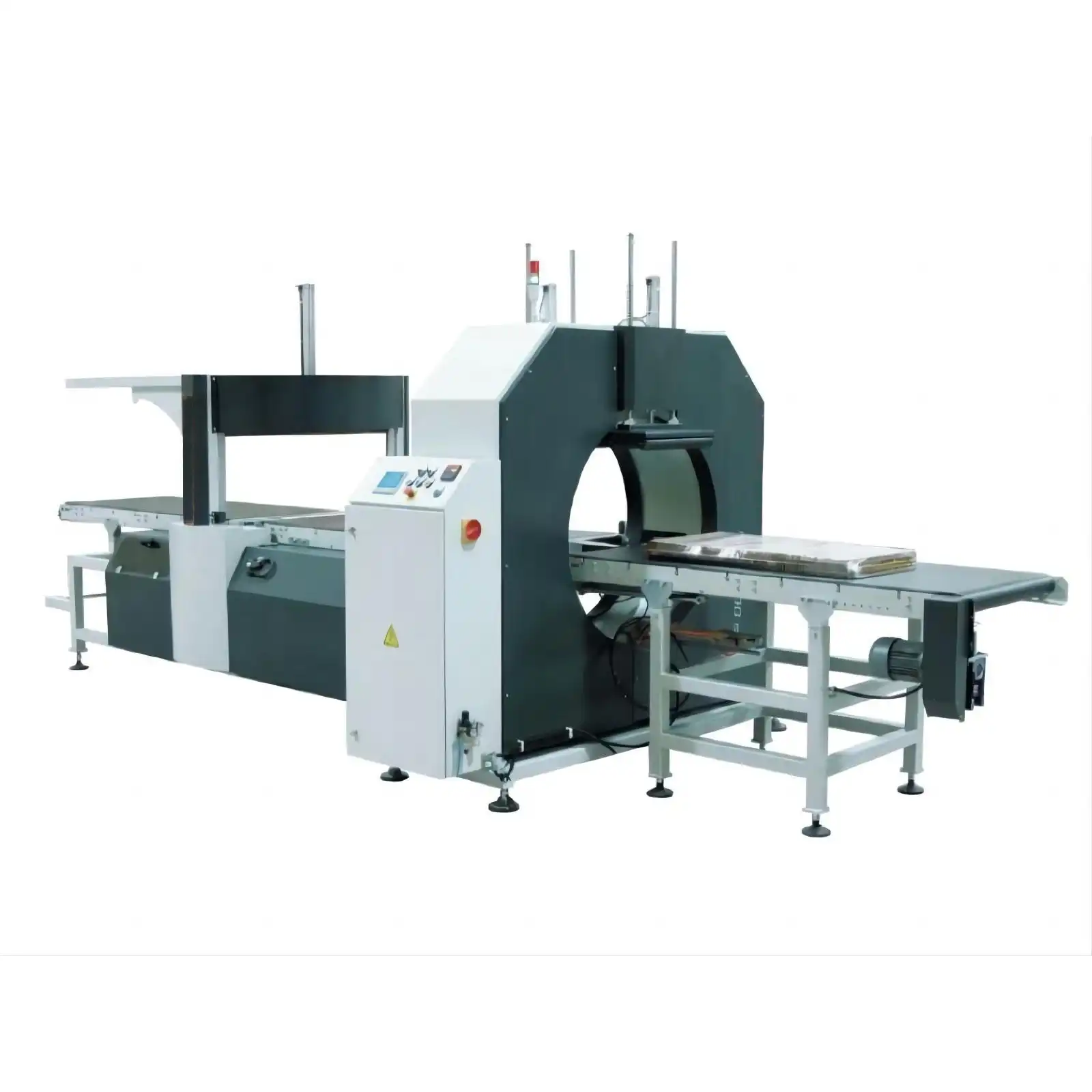
As someone who built a successful packing machine factory from the ground up, I understand the pressures you face. I know you want reliable equipment that makes a real difference. Let’s explore the specific ways these machines can help or hinder your operations in Colombia.
How Can Horizontal Orbital Wrappers Boost Efficiency and Product Safety for Colombian Businesses?
Are your current packaging methods slowing down your production line and leaving your products vulnerable to damage during transit? Manual wrapping can be incredibly slow and inconsistent, leading to bottlenecks at the end of your line. Worse, unsecured products often arrive at the customer’s site chipped or scratched, causing complaints and return shipments. Imagine a packaging solution that not only speeds things up but also provides a superior level of protection, ensuring your building materials arrive in perfect condition every time.
Horizontal orbital wrappers significantly boost efficiency and product safety in Colombia’s building material sector by automating the wrapping process for long and large items, drastically reducing manual labor time, and providing a tight, protective seal against dust, moisture, and transit damage.
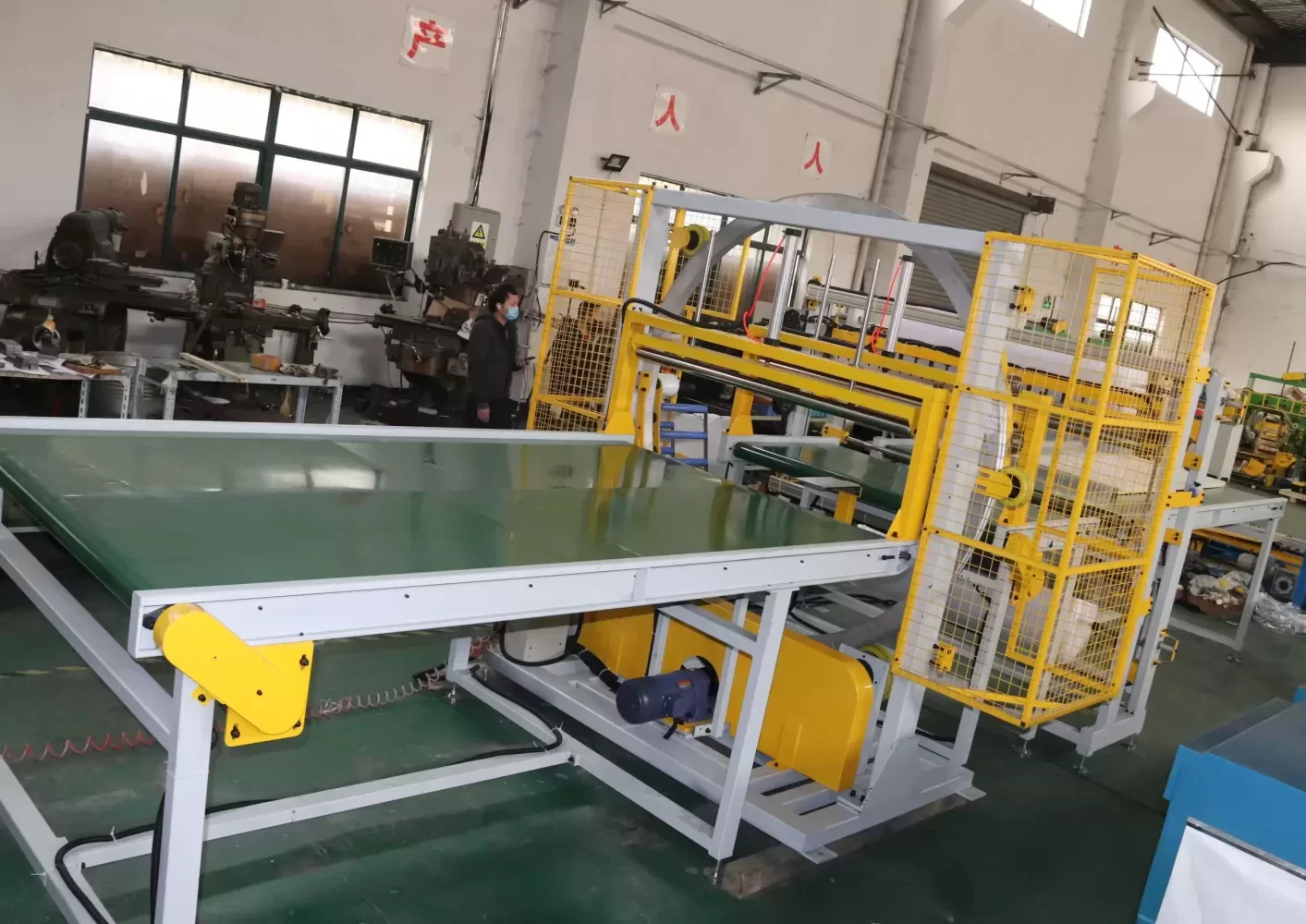
Colombia’s building material industry, much like any growing market, operates under constant pressure to deliver quality products faster and more safely. When I first started in the packing machine industry, I saw many factories struggling with manual wrapping. It was slow. It was dangerous. And it led to too much product damage. Horizontal orbital wrappers address these exact pain points directly.
First, consider the gains in operational efficiency. A manual process involving several workers to wrap long items like PVC pipes, aluminum profiles, or timber can take a lot of time. This time adds up quickly, creating a bottleneck that affects your overall production output. An orbital wrapper can do this job in a fraction of the time, often with just one operator. This means your products move from the production line to the warehouse or shipping dock much faster. For instance, I remember one client who was wrapping bundles of steel rebar by hand. They were constantly behind schedule. After installing an automated wrapper, their throughput on that line increased by over 30%, which made a huge difference to their delivery times and customer satisfaction. The machine’s consistent speed means predictable output, helping you manage your inventory and shipping schedules with greater accuracy. This predictable flow also reduces the need for overtime labor, which directly impacts your bottom line.
Second, the improvements in product safety are huge. In the building material industry, products are often heavy, long, or irregularly shaped. Think about handling bundles of lumber or fragile insulation boards. Manual wrapping exposes workers to risks of strain injuries, cuts, or even crushing if a heavy load shifts. Automated horizontal wrappers eliminate the need for workers to physically handle these items during the wrapping process. The machine secures the product and applies the film, keeping employees away from moving parts and heavy loads. This dramatically lowers the risk of workplace accidents, leading to fewer worker’s compensation claims and a safer environment for your team. This focus on safety is not just about avoiding lawsuits; it’s about creating a workplace where your employees feel valued and protected. A safer workplace also reduces employee turnover, which means you keep your experienced workers.
Third, the protection offered to the product itself is superior. During transit, building materials face many hazards: dust, moisture, abrasion, and shifting. Manual wrapping often leads to inconsistent coverage, leaving parts of the product exposed. An orbital wrapper applies a uniform, tight, and consistent stretch film around the entire product. This creates a secure, weather-resistant barrier. For items like insulation, this means no water damage. For metal profiles, it means no rust or scratches. This level of protection reduces product damage during internal handling and shipping. Less damaged product means fewer customer complaints, fewer returns, and less money lost on damaged goods. This direct impact on product quality and customer satisfaction is a critical advantage.
| Benefit Category | Impact for Colombian Businesses |
|---|---|
| Efficiency | Faster wrapping speeds, reduced manual labor, higher throughput, predictable production flow, less overtime needed. |
| Safety | Minimized worker exposure to heavy loads and moving parts, reduced risk of strains and injuries, lower insurance costs, improved worker morale, reduced turnover. |
| Product Protection | Consistent, uniform film coverage, protection from dust, moisture, and abrasion, reduced product damage during transport, fewer customer complaints, improved brand reputation. |
What are the Economic Advantages of Investing in Horizontal Orbital Wrappers for Manufacturers in Colombia?
Are you tired of seeing your profits shrink due to high labor costs and product damage from inefficient packaging? Every dollar spent on excessive manual labor or lost to damaged goods directly impacts your bottom line. These hidden costs can make it hard to compete and grow your business in a challenging market like Colombia. There is a clear path to significantly reduce these expenses and unlock new levels of profitability for your factory.
Investing in horizontal orbital wrappers offers significant economic advantages for Colombian manufacturers by reducing labor costs through automation, minimizing material waste and product damage, and ultimately providing a strong return on investment (ROI) that boosts overall profitability.
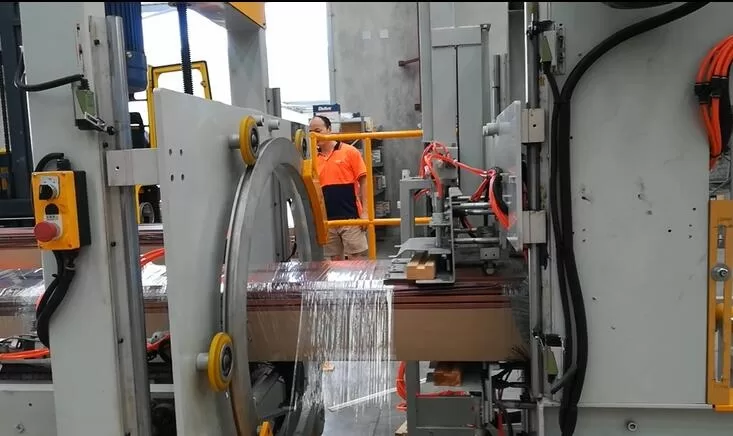
When I started FHOPEPACK, my focus was always on delivering real value. I knew that for any investment to make sense for a factory owner like Michael, it had to show a clear economic return. Horizontal orbital wrappers do exactly that for the building material sector in Colombia. The financial benefits are not just theoretical; I have seen them in action.
First, consider the reduction in labor costs. In many Colombian factories, packaging still relies on multiple workers. Wages, benefits, and the increasing cost of labor can be a huge part of your operational expenses. A single horizontal orbital wrapper can often replace two to four manual laborers on a packing line. This is a direct saving. While there is an upfront investment in the machine, the payback period through labor cost reduction can be surprisingly short. For a factory manager like Michael, this means reallocating skilled labor to more complex tasks or simply reducing overall overhead. I remember one client in the steel industry who calculated their labor cost savings after implementing our machine. They realized they would recover their investment in less than two years just from the reduced payroll. This shows the clear, tangible economic benefit.
Second, the decrease in product damage is a major economic win. As Michael knows, every damaged product, whether it’s a scratched metal beam or a wet roll of insulation, translates directly into lost revenue. You either have to scrap it, sell it at a discount, or deal with costly returns and customer dissatisfaction. Horizontal orbital wrappers provide consistent, secure wrapping that protects products from handling damage, dust, moisture, and shifting during transit. By minimizing damage, you reduce scrap rates, improve quality control, and cut down on warranty claims or returns. This directly improves your profit margins. Less damage also means a better reputation with your customers, which can lead to more repeat business and referrals. This is an indirect but powerful economic advantage.
Third, there’s the optimization of material usage. While stretch film is a consumable, modern orbital wrappers are designed to maximize film stretch and apply it efficiently. This means you use less film per package compared to manual wrapping, where film can often be wasted due to inconsistent tension or over-application. Many advanced machines feature pre-stretch capabilities that allow a small amount of film to cover a much larger area. This reduction in material consumption adds up over time, contributing to significant cost savings. It also makes your operations more sustainable, which is increasingly important for businesses today.
Finally, increased throughput means more products shipped, leading to higher revenue potential. If your packaging bottleneck is gone, your entire production line can operate more smoothly and produce more finished goods. More goods ready for market means more sales. This direct link between automation and revenue growth makes the investment in a horizontal orbital wrapper a strategic move for any growing Colombian building material manufacturer.
| Economic Advantage | How It Helps Colombian Manufacturers |
|---|---|
| Reduced Labor Costs | Replaces multiple manual workers, significant savings on wages, benefits, and overtime. |
| Minimized Product Damage | Consistent, secure wrapping reduces scrap, returns, and customer complaints, improving profit margins. |
| Optimized Material Usage | Efficient film application and pre-stretch capabilities reduce film consumption per package. |
| Increased Throughput | Faster packaging means higher overall production capacity and greater sales potential. |
| Strong ROI | The combined savings and increased revenue lead to a quick payback period for the initial investment. |
What are the Key Challenges in Implementing Horizontal Orbital Wrappers in Colombian Factories?
Are you considering upgrading your packing process but worried about the complexities of integrating new machinery into your existing factory setup? The idea of automation is great, but the reality can involve significant hurdles, from finding the right space to dealing with initial costs and ensuring your team can adapt. It is important to understand these potential roadblocks upfront so you can plan effectively and ensure a smooth transition, avoiding costly mistakes.
Key challenges in implementing horizontal orbital wrappers in Colombian factories include the initial capital investment, the requirement for adequate floor space, the need for skilled operators and maintenance personnel, and potential disruptions during installation and integration with existing production lines.
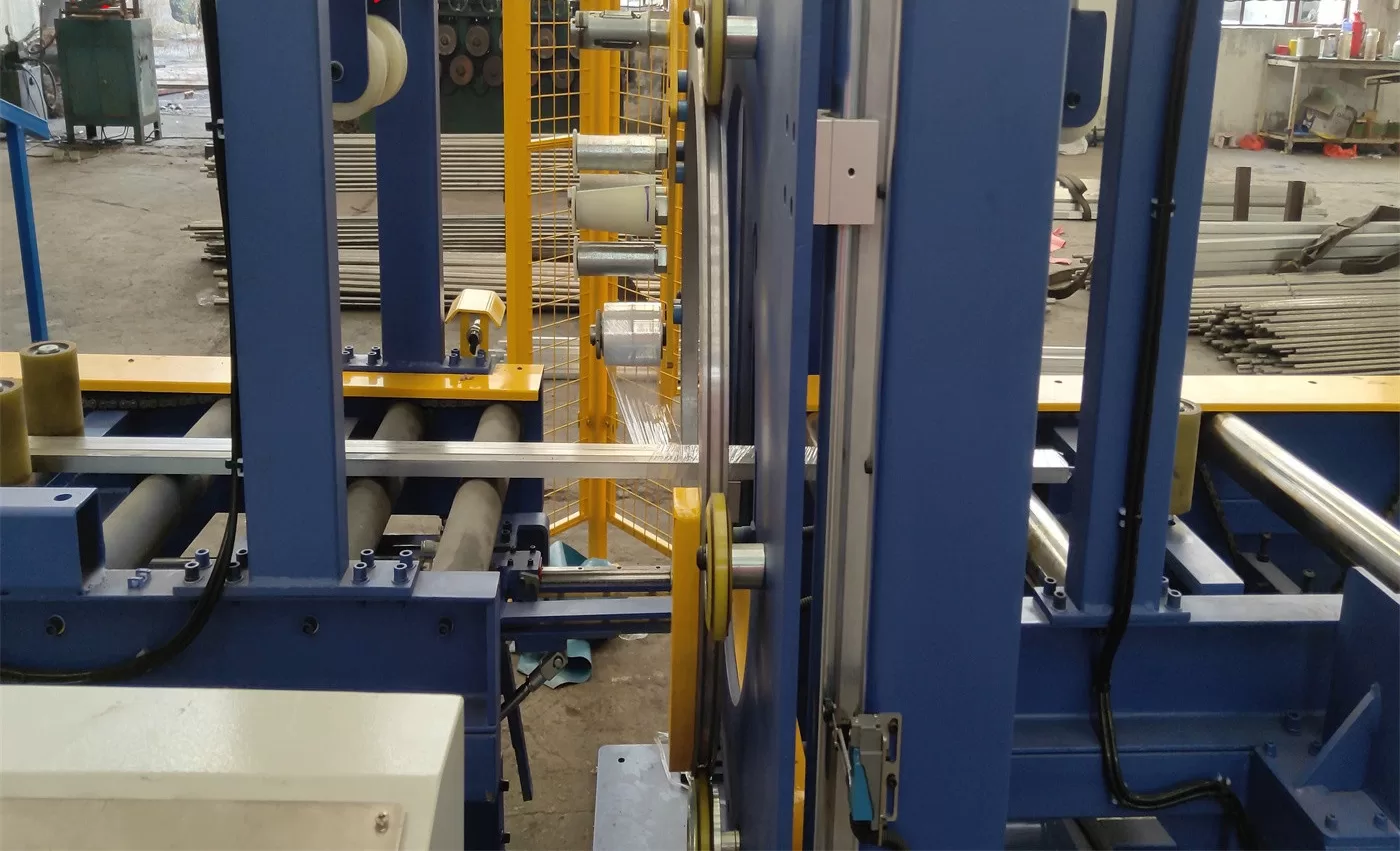
Every big decision in a factory comes with its own set of challenges. As someone who has built factories and helped countless clients with their machinery investments, I know that seeing only the benefits is a mistake. It is important to be realistic about the hurdles. For horizontal orbital wrappers in Colombia’s building material industry, several practical considerations often arise. Michael, you mentioned past experiences with unreliable suppliers, and that is a major concern.
First, the initial capital investment is a significant hurdle. These are specialized machines, and their cost can be substantial. For a factory in Colombia, allocating a large budget for a single piece of equipment requires careful financial planning and a clear justification of the return on investment. It’s not just the purchase price; you also need to factor in shipping, customs duties, and installation costs. My own journey from an employee to a factory owner taught me the importance of prudent financial management. You have to ensure that the projected savings and efficiency gains truly outweigh this upfront expenditure. This is why working with a transparent supplier who can provide detailed ROI calculations is so important. Without clear numbers, securing internal approval for such an investment can be tough.
Second, space requirements can be a challenge. Horizontal orbital wrappers, especially those designed for long or bulky building materials, can have a large footprint. They need not just the machine’s physical dimensions but also enough room around them for loading, unloading, maintenance access, and safety clearances. Many existing factories in Colombia might have limited available floor space, especially at the end of a production line. This could require reconfiguring layouts, which itself can be costly and disruptive. I have seen situations where a factory had to move entire sections of their operation to make room, causing temporary slowdowns. Proper site assessment and planning with a knowledgeable supplier are crucial to avoid these surprises.
Third, integrating the new machine with existing production lines can be complex. Your current processes have a specific flow. Introducing a new piece of automated equipment means ensuring it seamlessly connects with upstream processes (like cutting or forming) and downstream processes (like palletizing or shipping). This might involve adjustments to conveyor systems, timing sequences, or even data integration. Any mismatch can create new bottlenecks. This is where a supplier’s engineering expertise becomes vital. They should be able to assess your current setup and propose a solution that fits your specific needs, not just sell you a standard machine. Michael’s concern about finding a “true partner” is very valid here. You need someone who understands your operation deeply.
Finally, there is the need for skilled labor for operation and maintenance. While horizontal orbital wrappers reduce manual labor for wrapping, they do require trained operators to run them and skilled technicians to maintain them. Finding or training these individuals in Colombia might take time and resources. If a machine breaks down, you need quick, competent support to get it running again, as downtime means lost production. This highlights the importance of comprehensive training programs offered by the supplier and readily available technical support, ideally locally or with fast response times.
| Implementation Challenge | Impact for Colombian Manufacturers | Mitigation Strategies |
|---|---|---|
| Initial Capital Investment | High upfront cost for machine, shipping, duties, and installation. | Detailed ROI analysis, clear budget planning, explore financing options. |
| Space Requirements | Large machine footprint, potential need for factory layout reconfiguration. | Thorough site assessment, collaborate with supplier on layout design. |
| Integration Complexity | Ensuring seamless connection with existing production lines (conveyors, timing). | Partner with experienced supplier for engineering and integration planning. |
| Skilled Labor Needs | Requirement for trained operators and maintenance technicians. | Supplier-provided training, ongoing technical support, local talent development. |
| Supplier Trust | Risk of unreliable suppliers with poor after-sales service. | Due diligence on supplier reputation, check references, clear service level agreements. |
Are There Specific Operational Drawbacks of Horizontal Orbital Wrappers for Colombian Industries?
Beyond the initial setup, are you wondering if horizontal orbital wrappers come with any ongoing operational limitations or issues once they are running in your factory? No machine is perfect, and understanding the day-to-day drawbacks can help you make a fully informed decision and manage expectations. Overlooking these details can lead to frustration and unexpected costs. Let’s look at some practical operational considerations to ensure you are fully prepared for the long-term use of these machines.
Operational drawbacks of horizontal orbital wrappers for Colombian industries can include their limited versatility for oddly shaped or very small products, potential for film breaks if not properly maintained, the cost and availability of consumables like stretch film, and the necessity for consistent power supply and environmental control.
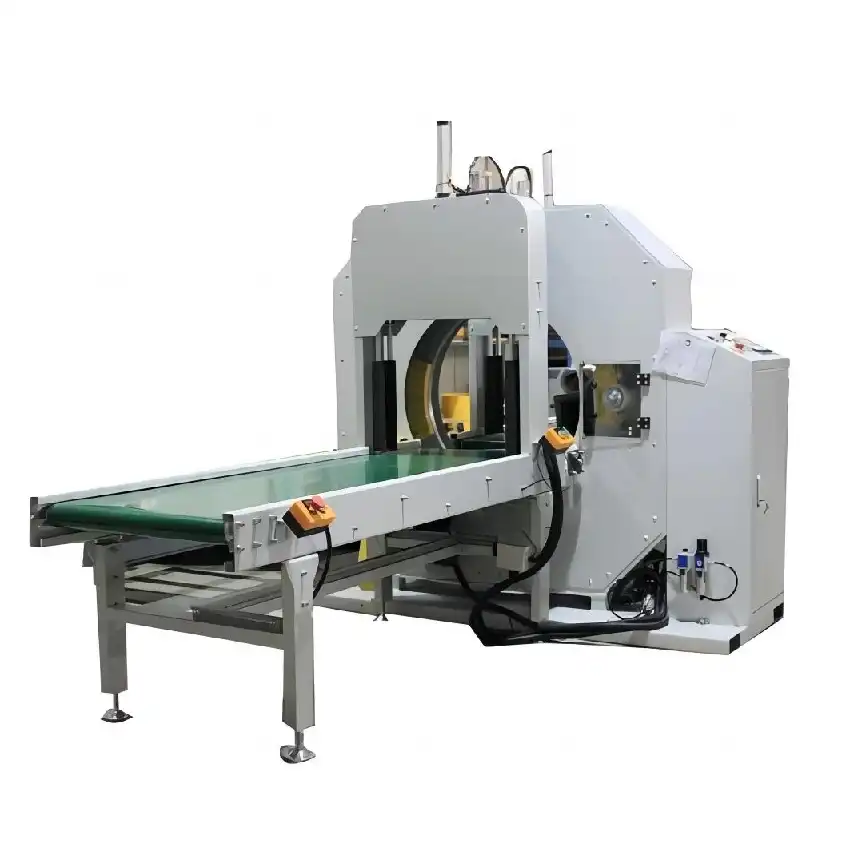
Even after a machine is successfully installed and running, there can be ongoing operational aspects that need careful management. As someone who has spent years perfecting packing processes, I know that the real test of a machine comes with its daily use. Michael’s concern about finding a truly reliable solution means we must also look at the practical, day-to-day challenges.
First, versatility can be a limitation. Horizontal orbital wrappers are highly efficient for specific product types: long, flat, or rectangular items like profiles, pipes, lumber, or panels. However, they are not a one-size-fits-all solution. If your factory handles a wide variety of product shapes and sizes, especially very short, very tall, or extremely irregular items, a horizontal orbital wrapper might not be suitable for all your needs. For instance, a small, oddly shaped component might not feed correctly through the machine’s ring. This means you might still need alternative packaging methods for certain products, which can complicate your overall packaging strategy. It is essential to assess your full product range before committing to this technology.
Second, the reliance on consumables, specifically stretch film, is an ongoing cost. While I mentioned earlier that efficient machines reduce film usage, you still need a steady supply of high-quality film. The cost of film can fluctuate, and ensuring a consistent supply, especially for specialized films, can be a logistical challenge in some parts of Colombia. If the film quality is poor, it can lead to frequent film breaks, which stop the machine and require manual intervention, negating some of the automation benefits. This highlights the importance of working with reliable film suppliers and understanding your film consumption rates clearly.
Third, maintenance and downtime are always concerns. Like any complex piece of machinery, horizontal orbital wrappers require regular preventive maintenance to operate efficiently and reliably. This includes lubrication, cleaning, and checking for wear and tear. If maintenance is neglected, breakdowns are more likely, leading to costly downtime. Every hour the machine is not running, your production is impacted. This means you need a dedicated maintenance schedule and access to spare parts. While reputable suppliers like FHOPEPACK can provide support, ensuring local technicians are trained or spare parts are readily available can be a logistical challenge, particularly in remote areas of Colombia. Michael, you know how critical uptime is in a factory.
Finally, environmental factors can play a role. These machines often contain sensitive electronics and precision mechanical parts. Operating them in extremely dusty, humid, or widely fluctuating temperature environments, which can be common in industrial settings in Colombia, might require additional considerations for machine protection or specialized components. An inconsistent power supply can also cause issues. Ensuring a stable operating environment can sometimes add to the operational cost or complexity.
| Operational Drawback | Impact for Colombian Manufacturers |
|---|---|
| Limited Versatility | Best for specific product shapes (long, flat, rectangular); less suitable for very irregular or diverse items. |
| Consumable Costs | Ongoing expense for stretch film; fluctuations in film price and availability. |
| Maintenance & Downtime | Requires regular preventive maintenance; breakdowns lead to production losses if not addressed quickly. |
| Environmental Sensitivity | Performance can be affected by dust, humidity, temperature extremes, or unstable power supply. |
| Film Breakages | Poor film quality or improper machine settings can lead to frequent stoppages and manual intervention. |
My Insights!
My journey in the packing machine industry, from an employee on the factory floor to establishing FHOPEPACK, taught me one crucial thing: a machine is only as good as the problem it solves and the support behind it. I’ve seen factory managers like Michael wrestle with the exact issues we’ve discussed today – the constant pressure of increasing output, controlling costs, and ensuring worker safety. I remember when my own factory was growing. We faced bottlenecks in our packaging line, and I personally witnessed how manual handling could lead to injuries or damaged products. It was incredibly frustrating. This is why I emphasize finding not just equipment, but a partner who truly understands your pain points.
The core of the decision to adopt horizontal orbital wrappers for your Colombian building material business comes down to weighing the clear advantages in efficiency, safety, and cost reduction against the practical challenges of implementation and ongoing operation. For many, the benefits far outweigh the drawbacks, especially when you consider the long-term impact on your factory’s profitability and competitive edge. My success was built on understanding that deep industry knowledge is essential for providing effective solutions. It is not about selling a machine. It is about helping your business grow.
When Michael spoke about his past supplier trust issues, I immediately understood. I have seen vendors who only focus on the sale, not the solution. This is where my team and I at FHOPEPACK differentiate ourselves. We believe in providing comprehensive insights, from initial assessment of your current bottlenecks – just like Michael’s coil and wire packing issues – to detailed ROI analysis and unwavering after-sales support. We want to be the partner who helps you truly transform your operations, making your factory safer, more efficient, and ultimately more profitable. The right horizontal orbital wrapper, backed by the right expertise, can be a game-changer for your production line in Colombia. It’s an investment in your future, not just a purchase.
Conclusion
Horizontal orbital wrappers offer Colombian building material factories significant gains in efficiency, safety, and cost reduction, despite initial investment and operational considerations. The right partnership ensures successful implementation and maximized ROI.








