
What Are the Pros and Cons of Coil Wrapping Machines in Thailand’s Construction?
Are you a factory manager in Thailand’s booming construction sector? Do you feel the constant pressure to increase output, cut costs, and keep your workers safe? I understand these challenges because I faced them myself when I ran my own packing machine factory. The decision to invest in new equipment like coil wrapping machines can feel big. You want to make sure it will really help your business grow.
Coil wrapping machines offer significant benefits to Thailand’s construction industry, mainly by boosting efficiency, enhancing worker safety, and protecting valuable products. However, these machines also come with downsides like high initial costs, the need for skilled maintenance, and the challenge of integrating them into existing production lines.
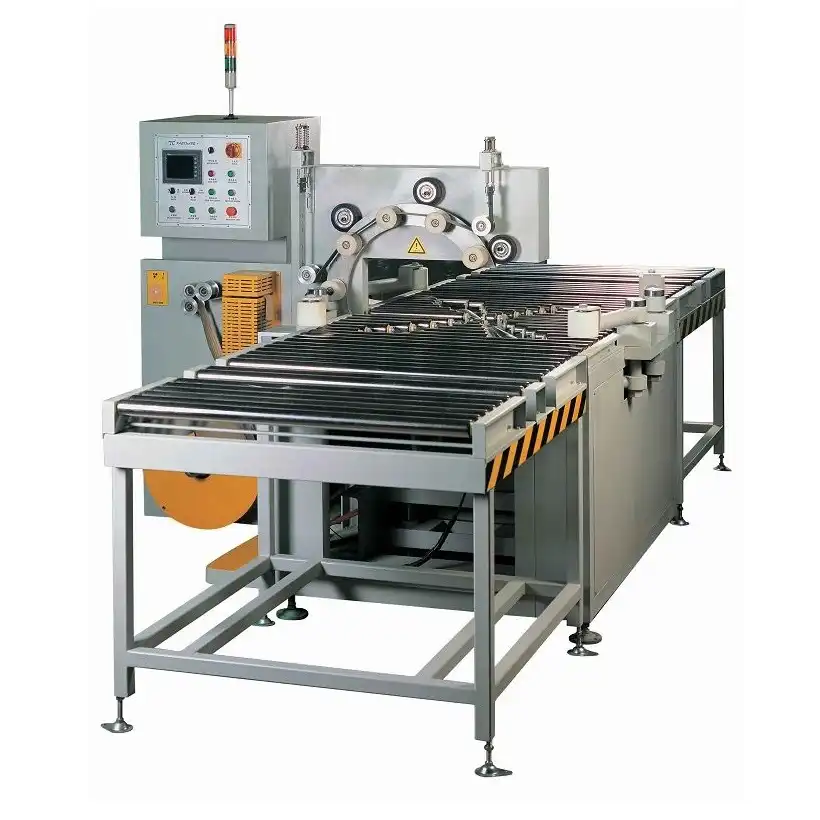
Many factory leaders in Thailand want to improve their operations. They see automation as a way forward. But they also worry about making the wrong choice. In this article, I will share what I have learned from years in the packing machine business. We will look closely at the good and bad sides of coil wrapping machines. This will help you decide if they are right for your factory in Thailand.
1. How do coil wrapping machines boost production and safety for Thailand’s construction?
Are you tired of slow packing speeds and the constant worry about worker injuries? Many factories, especially in construction, still rely on manual packing for heavy coils. This slows down your whole operation. It also puts your team at risk every day.
Coil wrapping machines dramatically improve efficiency by automating the packing process, wrapping coils much faster than manual methods. They also significantly increase safety by removing the need for workers to manually handle heavy, awkward coils during wrapping, reducing the risk of injuries in Thailand’s construction sector.
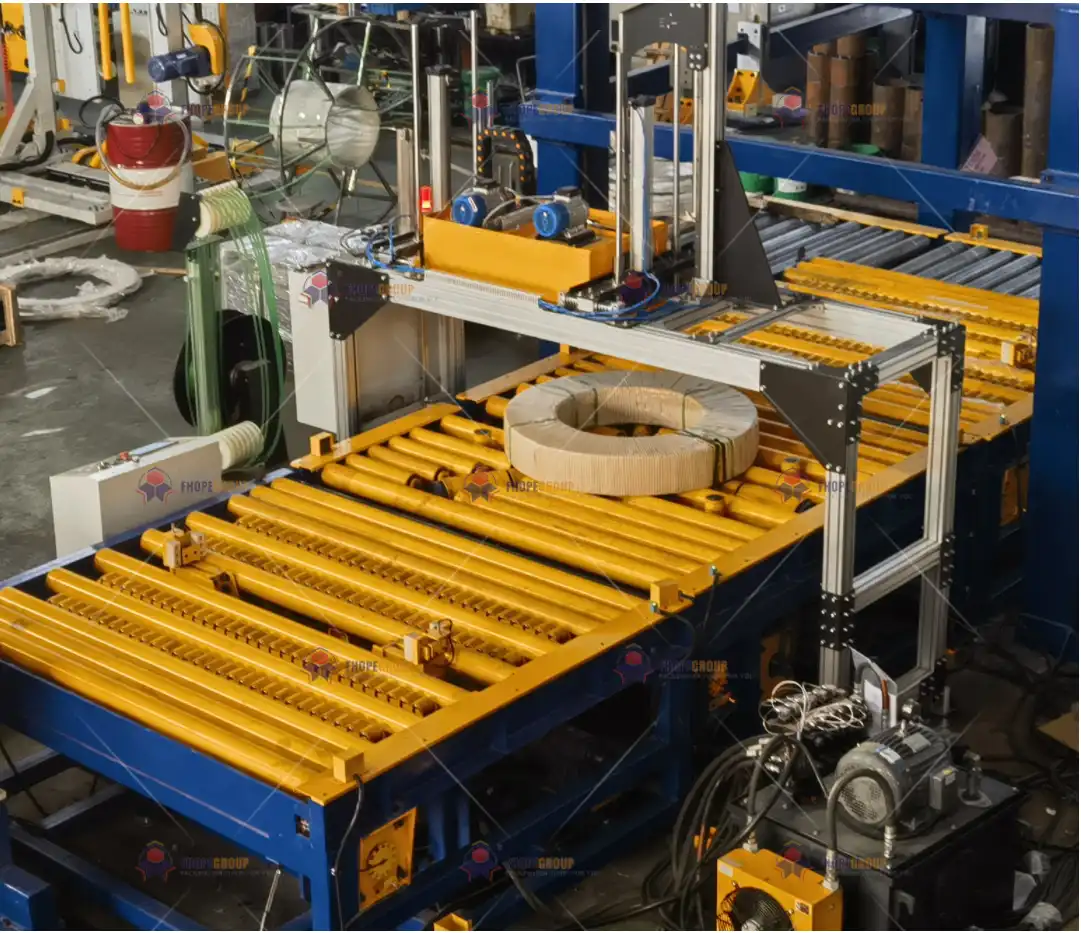
From my own experience building a packing machine factory, I learned that efficiency and safety are not just buzzwords. They are crucial for a business to succeed. When I started, I saw how much time and effort went into manual packing. It was slow. It was also dangerous. Introducing even basic automation made a huge difference. For Thailand’s construction industry, which relies heavily on steel coils and wire, coil wrapping machines bring clear advantages. They address common problems like production bottlenecks and workplace accidents head-on. These machines ensure a consistent, tight wrap, which protects products better during transport and storage. This means fewer damaged coils, fewer customer complaints, and more profit. They free up your workers from repetitive, high-risk tasks. This allows them to do other, more valuable jobs. This shift not only makes the factory run smoother but also shows your commitment to your employees’ well-being. This can lower staff turnover and insurance costs over time. The uniform packing also makes inventory easier to manage. It makes loading and unloading more secure. This all leads to a much more professional and reliable supply chain.
Let us look at the key benefits:
Boosting Efficiency and Throughput
Coil wrapping machines work quickly. They can wrap coils in minutes, not hours. This speed is important for factories trying to meet high demand in construction.
| Feature | Manual Coil Wrapping | Automated Coil Wrapping Machine |
|---|---|---|
| Speed | Slow, depends on worker skill and stamina | Fast, consistent, high throughput |
| Consistency | Varies, prone to human error | Uniform, tight, professional wrap every time |
| Labor Needs | Many workers, physical strain | Few operators, less physical effort |
| Output | Limited by human capacity | High volume, continuous operation |
| Processing Time | High, often a bottleneck point | Low, streamlines end-of-line processes |
| Dependability | Can be unpredictable, affected by breaks or illness | Reliable, runs consistently with proper maintenance |
Enhancing Workplace Safety
Handling heavy coils manually is very risky. Workers can get crushed, suffer back injuries, or experience strains. Coil wrapping machines take away most of this risk.
- Reduced Manual Handling: Machines do the heavy lifting and rotating. Workers do not need to move coils themselves during wrapping. This means fewer accidents. It means less risk of serious injury.
- Controlled Environment: The wrapping process is contained within the machine. This keeps operators safe from moving parts or falling materials.
- Lower Insurance Costs: Fewer injuries mean fewer workers’ compensation claims. This can lead to lower insurance premiums for your factory.
- Better Morale: Workers feel safer and more valued. This can improve morale and reduce staff turnover. People like to work in a safe place.
Improving Product Quality and Protection
Damaged coils mean lost money. It also means unhappy customers. Coil wrapping machines provide excellent protection.
- Consistent Wrapping Tension: Machines apply an even tension. This creates a tight, secure wrap. This protects the coil from dust, moisture, and physical damage.
- Edge Protection: The wrapping material covers the coil’s edges completely. This area is often prone to damage during transport or storage.
- Weather Resistance: A good wrap protects coils from rain, humidity, and UV light. This is very important when coils are stored outside or transported long distances, which often happens in construction projects.
- Professional Appearance: Neatly wrapped coils look better. This reflects well on your company’s quality standards.
These benefits directly address many of the challenges factory managers like Michael face. They offer a strong case for investing in automation.
2. What challenges do Thai factories face when adopting coil wrapping automation?
Is the idea of automation exciting but also a bit scary? You might worry about the price tag or how new machines will fit into your factory. Many of my clients, especially in places like Thailand, share these concerns. They know the benefits. But they also see the hurdles.
Thai factories adopting coil wrapping automation often face challenges such as high initial investment costs, the need for skilled labor for operation and maintenance, and potential integration issues with existing production lines. Additionally, finding reliable local technical support and quality spare parts can be difficult.

When I first started my factory, I learned that buying a machine is only the first step. The real work begins after installation. I remember one client who bought a very advanced machine from a supplier who promised everything. But when problems came up, the support was not there. The machine sat idle, causing huge losses. This taught me the importance of understanding the full picture before investing. For Thai factories, the specific challenges can be even more pronounced. The local market for skilled technicians might be smaller. Importing spare parts can be slow or costly. These are real issues that can turn a good investment into a headache if not planned for properly. It is not just about the machine itself. It is about the entire ecosystem around it. You need to think about training, maintenance, and long-term support. Without these, even the best machine can become a burden.
Let us explore these potential difficulties:
Initial Investment and Operating Costs
Buying a coil wrapping machine needs a big upfront payment. This can be tough for some businesses.
- High Purchase Price: Automated machines cost more than manual equipment. Factories must plan their budget carefully.
- Installation Costs: Setting up a new machine can need changes to the factory layout. This means extra costs for installation and sometimes for facility upgrades.
- Maintenance Expenses: Machines need regular service to run well. Parts can wear out. Repair costs can add up if not managed.
- Energy Consumption: Some machines use a lot of electricity. This adds to the factory’s running costs over time. You must factor this into your overall operational budget.
Technical Skills and Training Requirements
Operating and fixing complex machines needs special skills. This can be a challenge in some areas.
- Skilled Operators: Workers need training to use the machine correctly and safely. Finding or training these skilled operators takes time and money.
- Maintenance Technicians: When a machine breaks down, you need someone who knows how to fix it. A shortage of qualified technicians in Thailand can lead to long downtimes.
- Troubleshooting: Problems can happen. Operators and technicians must know how to find and fix issues quickly. This stops production delays.
- Software Updates: Modern machines often use software. This software might need updates. Workers must understand how to handle these technical tasks.
Integration and Space Limitations
Bringing a new, large machine into an existing factory can be difficult.
- Production Line Fit: The machine must fit smoothly into the current production process. This can mean changing other parts of the line.
- Factory Footprint: Coil wrapping machines can be large. Factories with limited space might find it hard to install them.
- Logistics Flow: The machine’s placement affects how materials move in and out. A bad layout can create new bottlenecks.
- Noise and Vibration: Machines can make noise and vibration. This can affect other equipment or nearby work areas. You need to consider how to manage these side effects.
Supplier Reliability and After-Sales Support
Choosing the right supplier is very important. I have seen this many times.
- Finding Trusted Partners: It is hard to find suppliers who offer good quality machines and reliable support. Some companies only care about making a sale.
- Availability of Spare Parts: If a part breaks, you need a replacement quickly. If parts are not readily available in Thailand, it can cause long delays.
- Technical Support: When problems happen, you need fast, expert help. Poor after-sales service can leave your machine out of action for a long time.
- Warranty and Guarantees: Understand what the warranty covers. Make sure the supplier stands by their product.
These challenges are real. But knowing about them helps you plan better. It lets you choose the right partner who can help you overcome them.
3. Is the investment in coil wrapping technology right for Thailand’s unique market?
Are you wondering if modern coil wrapping machines truly make sense for your factory in Thailand? The Thai market has its own special characteristics. These include different labor costs and specific construction demands. What works elsewhere might not work perfectly here.
Investing in coil wrapping technology is increasingly right for Thailand’s market because the country’s growing construction industry demands higher efficiency and quality, while rising labor costs make automation more appealing. However, success depends on evaluating local labor availability, infrastructure, and the specific needs of each factory.
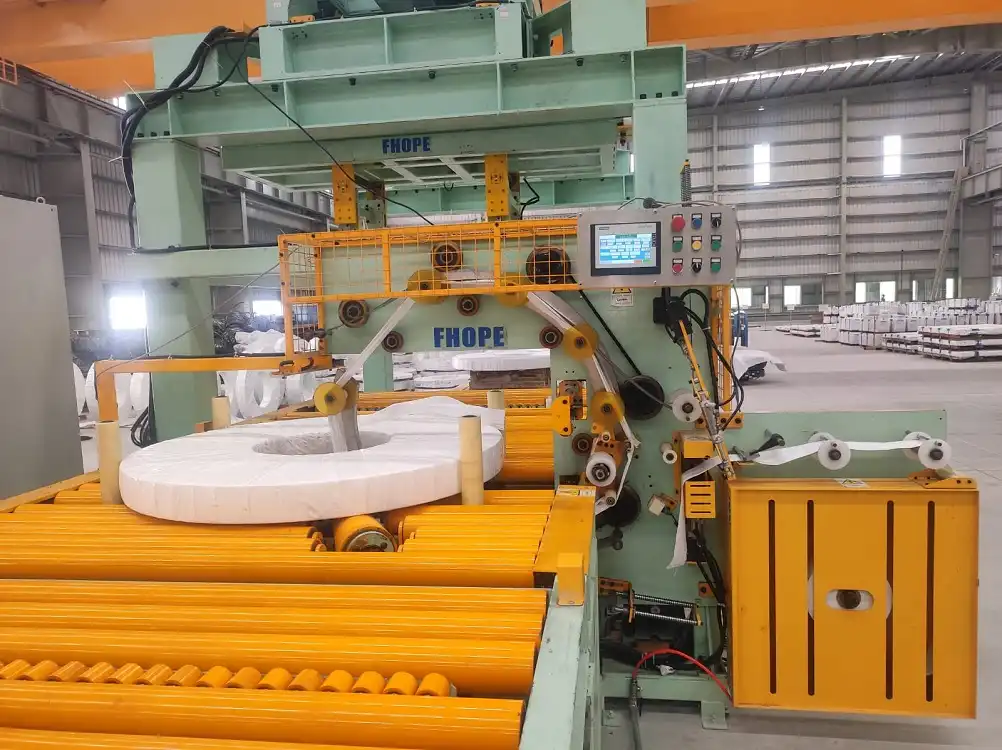
During my years in the packing machine industry, I have seen many countries grow their manufacturing. Each place has its own story. Thailand, with its dynamic economy and focus on infrastructure, is a great example. I have helped clients in similar growth markets. They always ask, “Is it worth it here?” My answer always comes back to understanding the local landscape. For Thailand, the construction sector is booming. This means a constant need for materials like steel coils and wires. Factories need to produce these materials faster and cheaper. At the same time, labor costs are slowly rising. Also, competition is getting tougher. This pushes factories to find new ways to be efficient. This is where automation, like coil wrapping machines, becomes a smart choice. It is not just about replacing people. It is about making the entire operation more robust and competitive. It is about preparing for the future.
Let us consider factors specific to Thailand:
Thailand’s Construction Boom and Demand
Thailand’s construction sector is growing fast. This means a steady and increasing need for construction materials.
- Infrastructure Projects: The government is investing heavily in new roads, railways, and airports. These projects need huge amounts of steel.
- Urban Development: Cities are expanding. There are more high-rise buildings, commercial centers, and residential areas. All of these use a lot of steel coils and wire.
- Export Potential: Thailand also exports construction materials. High-quality packing helps meet international standards. This opens up more markets for Thai products.
- High Volume Production: The strong demand means factories must produce high volumes. Automated wrapping ensures they can keep up without sacrificing quality.
Evolving Labor Landscape
Thailand’s labor market is changing. This impacts how factories operate.
- Rising Wages: Wages are going up in Thailand. This makes manual labor more expensive. Automation becomes a way to manage these costs.
- Labor Shortages: In some areas, it is hard to find enough skilled workers. Machines can fill these gaps. They ensure production continues even with fewer workers.
- Focus on Skilled Work: As basic tasks become automated, workers can move to more skilled jobs. They can operate machines or manage quality. This improves the overall workforce.
- Safety Regulations: Thailand is also seeing more focus on worker safety. Automated machines help meet these standards. They reduce the risks associated with heavy lifting.
Logistics and Supply Chain Efficiency
The ability to move goods quickly and safely is vital for Thailand’s economy.
- Regional Hub: Thailand is a key logistics hub in Southeast Asia. Efficient packing helps goods move through the supply chain smoothly.
- Damage Prevention: Coils need protection during long journeys across the country or for export. Good wrapping prevents damage.
- Storage Optimization: Tightly wrapped coils are easier to store. They take up less space. This helps factories use their storage areas better.
- Faster Loading/Unloading: Uniformly wrapped coils are easier to handle. This speeds up the loading and unloading of trucks and ships.
Competition and Market Positioning
Factories in Thailand face strong competition.
- Staying Competitive: Companies must use modern methods to compete with local and international players. Automation is a key part of this.
- Quality Standards: Customers expect high-quality products. This includes good packing. Automated machines provide this consistency.
- Brand Reputation: A factory that uses modern, safe, and efficient methods builds a better reputation. This attracts more customers and partners.
- Long-Term Growth: Investing in technology is a strategy for long-term growth. It helps factories adapt to changing market conditions and grow bigger.
For these reasons, coil wrapping machines are not just a luxury. They are becoming a necessity for many forward-thinking factories in Thailand’s construction sector.
4. How can Thai construction businesses ensure success with a coil wrapping machine?
Are you convinced that a coil wrapping machine could help your business, but you are not sure how to make the right choice? Many factory managers, like Michael, have dealt with bad suppliers before. They want to avoid making the same mistake. They seek a true partner, not just someone selling a machine.
Thai construction businesses can ensure success with a coil wrapping machine by carefully assessing their specific operational needs, choosing a reliable supplier with strong local after-sales support, planning for comprehensive staff training, and calculating a clear return on investment (ROI) before purchase.
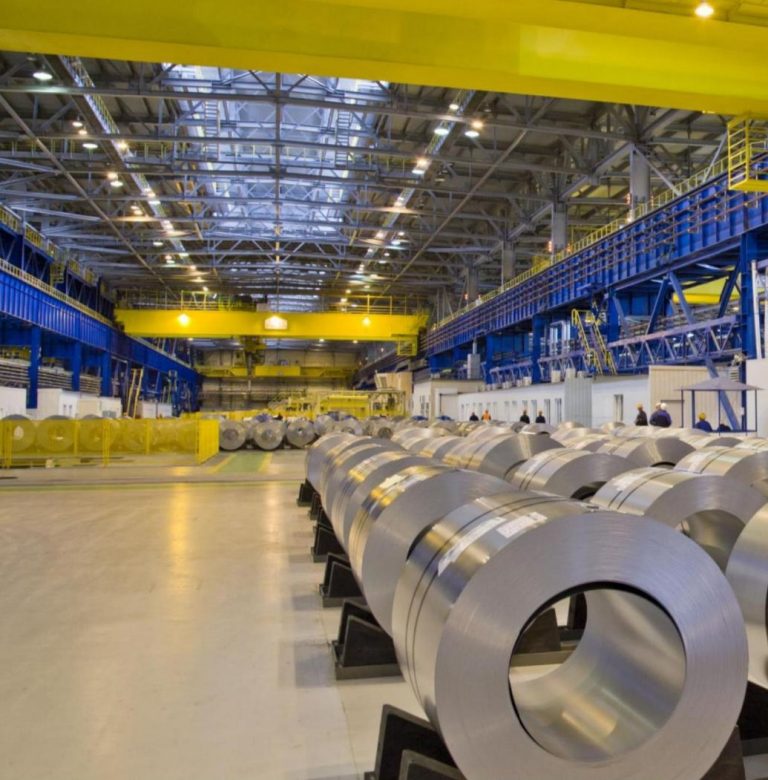
When I was running my packing machine factory, I learned that a successful investment is about more than just the machine itself. It is about the full package. I saw many clients get burned by suppliers who sold a machine and then disappeared. This is why I always tell people to look for a partner. A true partner understands your problems. They help you find solutions. They stay with you after the sale. For Thai businesses, this is especially true. You need a machine that works for your specific factory setup. You need people who know how to operate and maintain it. Most important, you need a supplier who is there when you need them. This focus on partnership and long-term value is what FHOPEPACK is all about. It is how I helped many of my clients grow their businesses.
Here are the critical steps to ensure your investment pays off:
Understand Your Factory’s Specific Needs
Every factory is different. What works for one might not work for another.
- Assess Current Bottlenecks: Where are your current packing processes slowing down? Identify the exact points where automation can help most. This could be manual handling, slow wrapping, or product damage.
- Measure Production Volume: How many coils do you pack per day, week, or month? This helps determine the machine capacity you need. Do not overbuy or underbuy.
- Consider Coil Dimensions and Weight: What are the typical sizes and weights of your coils? Machines are designed for specific ranges. Make sure the machine can handle your products.
- Evaluate Factory Space: How much space do you have for a new machine? Plan the layout carefully to ensure smooth material flow.
- Define Your Budget: Set a clear budget for the purchase, installation, and initial training.
Choose a Reliable Supplier with Strong Support
This is probably the most important step. A good supplier is a true partner.
- Check Track Record: Look at the supplier’s history. Do they have good reviews? Have they supplied similar machines to other factories?
- Local Presence and Support: Does the supplier have a presence in Thailand or a strong local partner? This ensures quick access to service and spare parts. Ask about their local service team.
- After-Sales Service: What kind of warranty do they offer? How fast can they respond to service calls? Do they provide technical support and troubleshooting?
- Training Programs: Do they offer training for your operators and maintenance staff? This is crucial for long-term success.
- Customization Options: Can the machine be customized to fit your specific needs? A good supplier can offer flexible solutions.
Plan for Comprehensive Staff Training
Your team needs to be ready to use the new technology.
- Operator Training: Teach your workers how to operate the machine safely and efficiently. Make sure they understand all controls and safety features.
- Maintenance Training: Train a dedicated team on how to perform routine maintenance. They should also know how to fix common problems. This reduces downtime.
- Safety Protocols: Develop clear safety rules for working with the machine. Make sure all staff understand and follow them.
- Ongoing Education: Technology changes. Plan for refresher courses or advanced training as needed.
Calculate Your Return on Investment (ROI)
Before you buy, know exactly how the machine will benefit your bottom line.
- Cost Savings Analysis: How much money will you save on labor? How much will you save by reducing product damage? How much will you save on insurance?
- Productivity Gains: How much more product can you process? How much faster can you deliver? Quantify these gains.
- Payback Period: How long will it take for the machine to pay for itself through these savings and gains? A clear ROI helps justify the investment.
- Long-Term Value: Consider the long-term benefits beyond direct cost savings. This includes improved reputation, better worker morale, and the ability to take on more orders.
By following these steps, you can turn the challenge of automation into a major success story for your factory in Thailand. It is about making smart choices with trusted partners.
Conclusion
Coil wrapping machines offer great gains in efficiency, safety, and product quality for Thailand’s construction sector. While initial costs and training are challenges, careful planning and choosing a reliable partner ensure a strong return on investment.








