
What Are the Key Technical Features to Look for in a Horizontal Orbital Wrapper for Aluminum Profiles?
Are you tired of slow, unsafe, or inefficient packaging for your aluminum profiles? Do product damage and high labor costs eat into your profits? These problems are common in metal processing plants, slowing down your whole operation and risking worker safety. Manual methods just do not work well for long, heavy items. Investing in the right horizontal orbital wrapper can change everything. But how do you pick the right one?
The key technical features to look for in a horizontal orbital wrapper for aluminum profiles include robust construction for durability, advanced automation for high efficiency, comprehensive safety mechanisms to protect workers, versatile design for various profile sizes, and smart control systems for easy operation and data insights. %[Horizontal Orbital Wrapper for Aluminum Profiles]( “Horizontal Orbital Wrapper for Aluminum Profiles”)
I have been in the packing machine industry for many years. I started as an employee at a packing machine factory. Later, I built my own successful factory. I know the pressures you face. Choosing the right machine is a big decision. Let me share my insights, drawing from my experience, to help you understand what truly matters. We will look at what makes a good machine.
Why is Machine Durability and Construction Quality Critical for Aluminum Profile Wrapping?
You operate in a tough factory environment. Machines can fail. Parts can break down. This leads to costly downtime. A weak machine is a big problem. It causes delays, repair bills, and production problems. You need equipment that can handle heavy use every single day.
Machine durability and construction quality are critical for aluminum profile wrapping because these operations involve heavy, long products and continuous use. A robust frame, high-grade materials, and reliable components ensure consistent performance, minimal downtime, and a longer machine lifespan. This directly impacts a factory’s productivity and cost efficiency.

When you invest in a horizontal orbital wrapper, its ability to last is very important. This is especially true in metal processing factories. Aluminum profiles are heavy and often long. The wrapping machine works hard. If the machine is not built well, it will break down often. This means production stops. It also means money spent on repairs.
The Core Strength: Frame and Ring Design
The frame of a horizontal orbital wrapper is its backbone. It must be made from heavy-duty steel. It needs to handle the weight of the profiles and the constant motion of the wrapping ring. A strong, stable frame prevents vibrations. It also makes sure the machine runs smoothly. The wrapping ring is another key part. It spins fast and holds the film roll. This ring needs strong bearings and a solid structure. Poor quality bearings will wear out fast. This causes more maintenance and stops. At FHOPEPACK, we focus on using thick steel plates and precise welding. This makes our frames strong. We also use high-quality bearings. This ensures long-term, reliable operation. I learned this through years of seeing machines in action. A machine might look good on the outside, but its internal structure tells the real story.
Beyond the Frame: Component Quality Matters
It is not just about the metal frame. Every single component inside the machine matters. This includes motors, gearboxes, and electrical parts. Cheap motors can overheat. They can fail. Low-quality gearboxes can break under the strain of continuous wrapping. For electrical parts, using trusted brands like Siemens or Schneider Electric is important. These parts are reliable. They come with good support. A factory environment often has dust or vibrations. Components must be protected against these. This adds to the machine’s life. When I was setting up my own factory, I always chose suppliers who used top-grade components. This reduced unexpected breakdowns. It saved money in the long run.
Built for the Long Haul: Maintenance and Lifespan
A durable machine also needs less maintenance. It has fewer unexpected breakdowns. This saves your team time. It keeps production flowing. When a machine is built to last, you get more years of use from it. This means a better return on your investment. It lowers your total cost of ownership. Michael, as a factory manager, cares about reliable equipment. Downtime means big losses. A well-built horizontal wrapper ensures your operations stay running. It avoids the headaches of constant repairs.
| Feature Area | Poor Quality Machine | High Quality Machine (FHOPEPACK) |
|---|---|---|
| Frame Material | Thin, light steel; prone to vibration and bending | Heavy-duty, reinforced steel; stable and robust |
| Wrapping Ring | Weak bearings; unbalanced spin; short lifespan | High-precision bearings; balanced, smooth operation |
| Motors/Gearboxes | Generic, unbranded; frequent overheating, early failure | Reputable brands (e.g., Siemens); reliable, long-lasting |
| Electricals | Basic, unknown brands; prone to faults and safety risks | Branded, certified components (e.g., Schneider); safe, stable |
| Lifespan | Short; high repair costs; frequent replacements needed | Long; low maintenance; high ROI |
How Does Automation in Orbital Wrappers Boost Production Efficiency for Metal Factories?
Is your manual wrapping process slow? Is it taking too many workers? Does it cause a big bottleneck in your production line? This inefficiency limits your output. It increases your labor costs. It makes your factory less competitive. You are losing money with every slow wrap.
Automation in horizontal orbital wrappers significantly boosts production efficiency by reducing reliance on manual labor, increasing wrapping speed and consistency, and integrating seamlessly into existing production lines. This leads to higher throughput, lower operational costs, and improved product packaging quality. It directly addresses bottlenecks in metal factories.
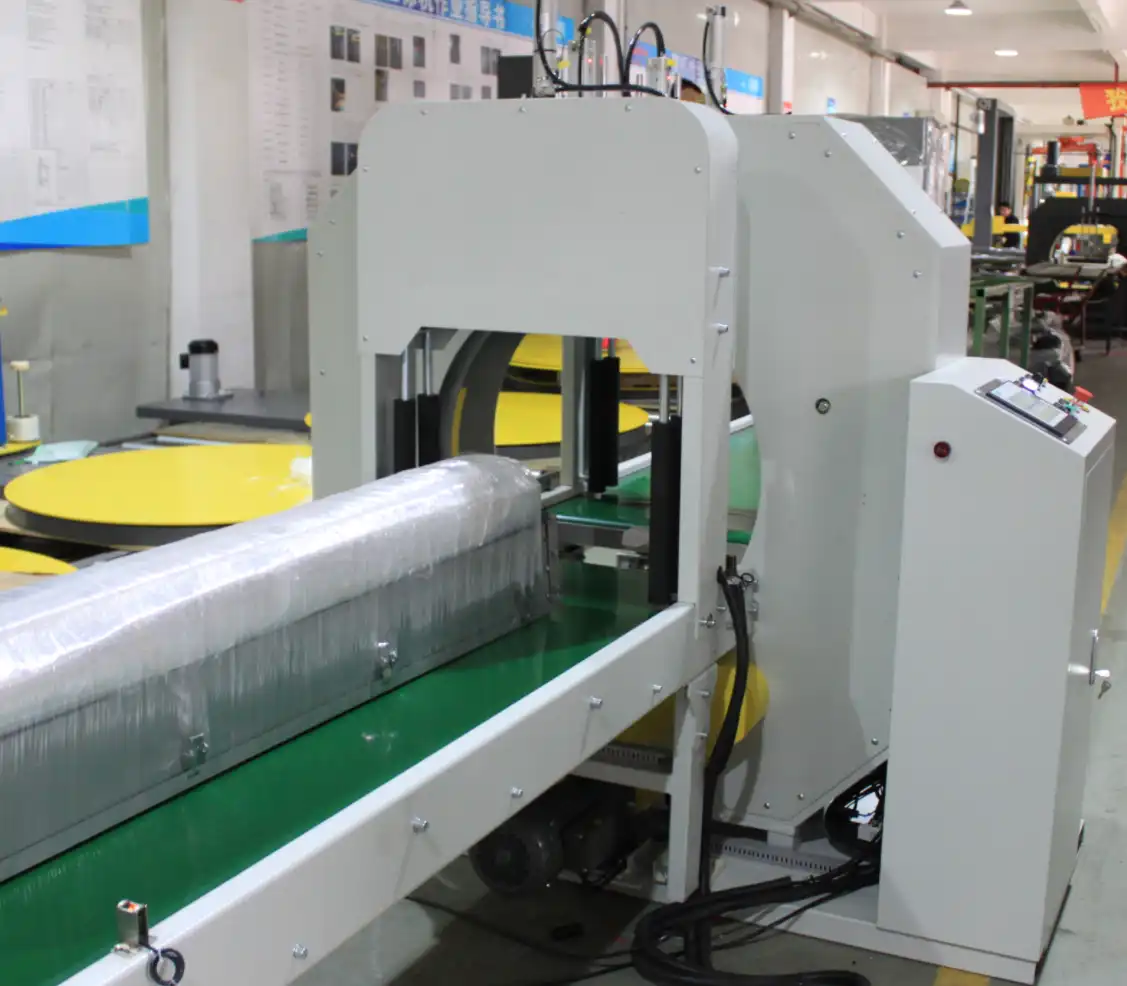
Automation is not just a nice-to-have feature. It is a must for modern metal processing plants. Manual wrapping of aluminum profiles is slow. It takes a lot of physical effort. It can be a major roadblock to getting products out the door. Automated systems change this completely.
Beyond Manual Labor: The Speed Advantage
Manual wrapping depends on human speed and stamina. It is inconsistent. An automated horizontal wrapper can wrap profiles much faster. It does this without breaks. It does it without getting tired. This means many more profiles get wrapped per hour. For example, a machine can apply film at speeds that human hands cannot match. It also ensures consistent overlap and tension. This not only speeds things up but also uses film more efficiently. I have seen clients who were struggling to meet orders because of their slow packaging lines. Once they brought in automation, their output soared. They could handle more orders. They reduced their labor costs. This directly improved their bottom line.
Seamless Flow: Integration with Your Line
A good automated wrapper does not just stand alone. It works with your existing production line. It can have automatic infeed and outfeed conveyors. It can detect when a product is ready. It can start wrapping by itself. After wrapping, it can send the product to the next stage. This creates a smooth flow. It removes the need for workers to constantly load and unload. This seamless integration means less waiting time. It means better use of your resources. This kind of system integration is crucial for factories like Michael’s. He needs to improve overall production speed. He needs to reduce bottlenecks.
Consistent Quality, Every Time
Automation also means consistent quality. A machine wraps every profile with the same tension and overlap. This protects the product better. It looks more professional. This reduces product damage during transport or storage. It means fewer customer complaints. It also lowers the cost of rework or returns. For instance, FHOPEPACK’s machines use PLC (Programmable Logic Controller) systems. These systems allow you to set precise wrapping patterns. You can save these settings. This ensures the same quality wrap every time. This consistency builds trust with your customers. It improves your brand image.
| Aspect | Manual Wrapping | Automated Wrapping (FHOPEPACK) |
|---|---|---|
| Speed | Slow, varies by worker; limits throughput | Fast, consistent; greatly increases throughput |
| Labor Cost | High; requires multiple workers for heavy items | Low; requires minimal human oversight |
| Consistency | Varies; leads to uneven wraps and waste | High; uniform tension and overlap; less material waste |
| Integration | Standalone process; creates bottlenecks | Seamless with conveyors; improves overall flow |
| Product Damage | Higher risk due to human error and handling | Lower risk; precise wrapping protects products |
| Overall Efficiency | Low; often a production bottleneck | High; significant boost to factory productivity |
What Safety Features Should You Prioritize in a Horizontal Orbital Wrapper?
Your workers handle heavy materials every day. Manual handling of aluminum profiles can lead to injuries. This means high insurance costs. It can also mean employees leave. Safety is not just a catchphrase. It is a very important concern. Accidents are expensive, both for people and for money. You cannot afford to put your team at risk.
When prioritizing safety features in a horizontal orbital wrapper, look for emergency stop buttons, safety guarding and interlocks, automatic fault detection, warning alarms, and clear operating procedures. These features are vital to minimize human interaction with moving parts. They prevent accidents and ensure a secure working environment for employees handling heavy aluminum profiles.
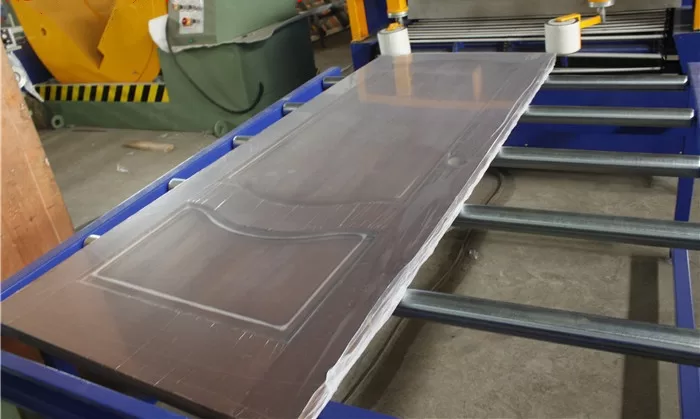
In a busy factory like Michael’s, safety must be the top priority. Heavy aluminum profiles are involved. Moving machinery is involved. The risk of injury is real. A good horizontal orbital wrapper is not just efficient. It is also designed with worker safety in mind.
Protecting Your Team: Active Safety Measures
Active safety features are those that directly prevent harm or stop the machine in an emergency. The most basic and crucial feature is easily accessible emergency stop buttons. These buttons should be placed around the machine. Workers must be able to hit them quickly from any point. Another key feature is safety guarding. This includes physical barriers around moving parts like the wrapping ring. Light curtains or safety sensors are also important. They create an invisible barrier. If a worker steps into this area, the machine stops instantly. This prevents contact with dangerous moving parts. Michael wants to reduce manual handling. These features help. They ensure workers are safe even when they are close to the machine.
Prevention is Key: Passive Safety Design
Passive safety features are built into the machine’s design. They reduce risks without needing active input from the operator. For example, automatic film break detection will stop the machine if the film runs out or breaks. This prevents the ring from spinning freely. It also signals that film needs changing. Overload protection is another example. If the machine tries to wrap a profile that is too heavy or jams, it will stop. This prevents damage to the machine and potential injury. Warning lights and alarms also play a role. They alert operators to issues or when the machine is about to start. At FHOPEPACK, we follow strict international safety standards like CE and OSHA. This ensures our machines meet global safety marks. I believe a safe machine is a productive machine. No factory can operate efficiently if its workers are constantly at risk.
Beyond the Machine: Safety Protocols and Training
Even with the best safety features, proper training is essential. All operators must understand how to use the machine safely. They must know how the safety features work. They must know what to do in an emergency. Clear operating procedures help. They make sure everyone follows the same safe steps. This reduces human error. Michael is looking for a partner. He wants a partner who understands his challenges. This includes safety concerns. As someone who built a factory, I know that safety is not just about avoiding fines. It is about protecting your most valuable asset: your people.
| Feature Type | Essential Safety Features | Benefit for Factory Manager (Michael) |
|---|---|---|
| Active Protection | Emergency Stop Buttons | Instant machine shutdown; prevents accidents |
| Safety Guarding / Interlocks | Prevents access to moving parts during operation | |
| Light Curtains / Sensors | Automatic stop if personnel enter danger zone | |
| Passive Protection | Automatic Film Break Detection | Prevents free spinning ring; alerts operator |
| Overload Protection | Prevents machine damage and related hazards | |
| Warning Lights & Alarms | Alerts operators to machine status or issues | |
| Operational Safety | Clear Operating Procedures & Training | Reduces human error; promotes safe work habits |
| Compliance with International Standards (CE) | Ensures machine meets global safety requirements |
Can a Horizontal Wrapper Adapt to Different Sizes and Shapes of Aluminum Profiles?
Does your factory handle many types of aluminum profiles? Do you deal with small bundles, long pieces, or odd shapes? A machine that only handles one size rarely works well for you. Buying a machine that cannot handle your full product range means you still need manual processes. It also limits what products you can make. This impacts your flexibility and market reach.
Yes, a horizontal wrapper can adapt to different sizes and shapes of aluminum profiles through features like adjustable wrapping ring heights, variable speed controls for different product lengths, custom product support systems, and programmable wrapping patterns. This versatility ensures efficient and secure packaging for a wide range of products, maximizing machine utility.
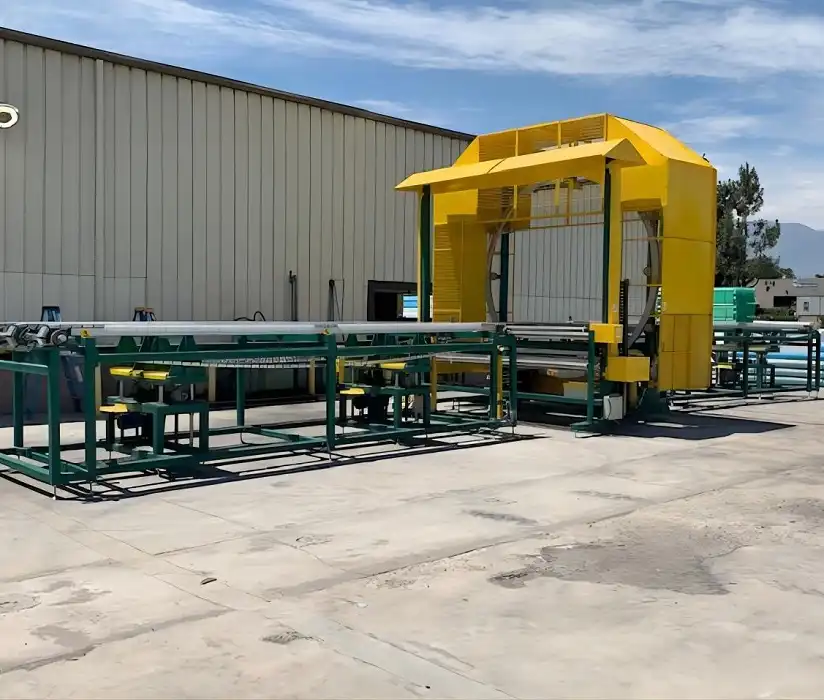
Aluminum profiles come in many shapes and sizes. A horizontal wrapper needs to be flexible. It must handle different product dimensions. It must also handle different wrapping needs. This is key for factories that have diverse product lines.
Handling Diverse Dimensions: Adjustable Mechanics
A truly versatile horizontal wrapper offers adjustable mechanical features. The most important of these is the adjustable wrapping ring height. This allows the machine to wrap very tall bundles or very flat profiles. Some machines offer adjustable opening sizes. This means they can fit products of different widths. The conveyor system is also important. It should be able to adjust to different lengths and weights of profiles. For long profiles, extendable conveyors or modular sections are helpful. This ensures the product is fully supported as it passes through the wrapping ring. For instance, FHOPEPACK designs machines with variable conveyor speeds. This allows for precise control over how the profile moves. This adaptability helps keep your production flow smooth. It avoids the need for multiple specialized machines.
Beyond Standard Shapes: Custom Supports
Aluminum profiles are not always simple rectangular shapes. They can be L-shaped, T-shaped, or have complex designs. A standard conveyor might not support these shapes well. This can lead to unstable wrapping. It can also cause product damage. A flexible horizontal wrapper can have custom support systems. These might include specialized rollers or guides. They hold irregular profiles securely in place during wrapping. Some machines offer adjustable clamping mechanisms. These ensure the product does not shift. This is especially important for delicate or oddly shaped extrusions. I remember one client who made unique architectural profiles. Their old machine could not handle them. We worked with them to design custom supports. This allowed them to wrap all their products efficiently. This type of engineering partnership is what FHOPEPACK believes in.
Intelligent Wrapping: Programmable Settings
Beyond physical adjustments, smart controls add to versatility. A good machine has a programmable logic controller (PLC). This allows operators to save different wrapping patterns. You can create “recipes” for each product type. For example, one profile might need more film layers. Another might need a tighter wrap. You can set the number of layers, film tension, and overlap percentage. Then, you can recall these settings with a few touches on a screen. This saves time during changeovers. It also ensures consistent quality for each product. This smart control system makes the machine adaptable to your entire product catalog. It lets you switch quickly between different jobs. This increases your factory’s overall efficiency. It also boosts your capacity to take on diverse orders.
| Feature Aspect | Description | Benefit |
|---|---|---|
| Adjustable Ring | Vertical adjustment of the wrapping ring height | Wraps varying product heights; wider product range |
| Conveyor System | Variable speed, extendable, or modular conveyors | Handles different lengths and weights smoothly |
| Product Supports | Custom rollers, guides, clamping mechanisms | Securely wraps irregular or delicate profiles |
| Programmable Logic | Recipe management for film layers, tension, overlap | Quick changeovers; consistent quality for diverse products |
| Versatility Score | High; adapts to diverse product lines; future-proof | Maximizes machine utilization; broadens market capability |
What Role Do Smart Controls and User-Friendliness Play in Modern Wrapping Machines?
Are your machines hard to operate? Do they lead to errors? Do they need long training times? Do they frustrate your staff? A complex interface can take away many benefits of automation. It slows things down. It adds human error risks. You need a machine that works for your team, not against them.
Smart controls and user-friendliness play a crucial role in modern wrapping machines by simplifying operation, reducing training time, enabling precise parameter adjustments, and providing real-time diagnostic feedback. Features like HMI touchscreens, recipe management, and remote access capabilities enhance operational efficiency, minimize errors, and improve overall factory productivity.
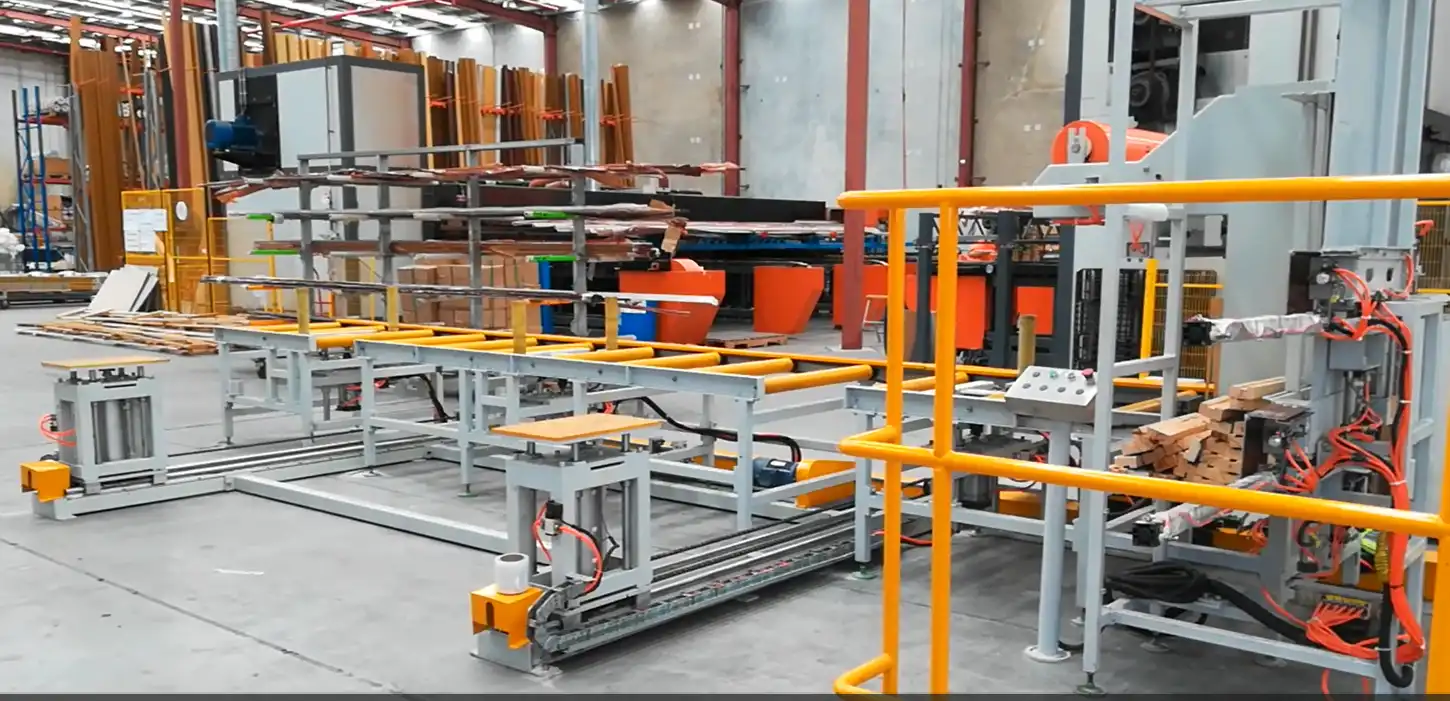
In today’s fast-paced manufacturing world, technology is key. A horizontal orbital wrapper is not just a piece of hardware. It is a smart tool. Its control system and how easy it is to use are very important. They greatly affect its overall value to your factory.
The Power of Intuitive Interfaces: HMI and Beyond
A modern wrapping machine should have an intuitive Human Machine Interface (HMI). This is usually a touchscreen panel. It allows operators to control the machine with ease. Complex settings are shown clearly. They are easy to adjust. This reduces the learning curve for new staff. It also minimizes errors from incorrect inputs. Instead of physical buttons and confusing labels, a touchscreen provides clear icons and menus. For instance, an operator can quickly select a wrapping program for a specific aluminum profile. This saves time and reduces frustration. Michael wants a system that is easy to integrate. An easy-to-use interface helps this. It makes sure his team can quickly master the new equipment.
Optimizing Operations: Recipe Management and Diagnostics
Smart controls allow for “recipe management.” This means you can save settings for different products. You can recall them instantly. This is very useful when your factory handles a variety of aluminum profiles. Each profile might need different film tension or layers. With recipe management, a simple touch changes the machine’s setup. This greatly reduces changeover time. It ensures consistent wrapping quality across all product types. Beyond setup, smart controls offer diagnostic capabilities. The machine can tell you when something is wrong. It can identify a film break. It can warn about a motor issue. This real-time feedback helps with troubleshooting. It reduces downtime. It allows for proactive maintenance. It prevents bigger problems.
Connecting Your Factory: Data and Remote Capabilities
The most advanced smart controls can integrate with your factory’s other systems. This includes ERP (Enterprise Resource Planning) or MES (Manufacturing Execution System). This integration allows for data exchange. You can track production rates. You can monitor film usage. This gives you valuable insights into your operations. It helps you make better decisions. Some machines, like those from FHOPEPACK, also offer remote monitoring and support. This means technicians can access the machine’s system from far away. They can diagnose issues. They can even update software. This saves time and travel costs. It ensures faster problem resolution. For Michael, who needs a partner, these smart features show a commitment to long-term support and efficiency.
| Feature | Description | Benefit for Factory Manager (Michael) |
|---|---|---|
| Intuitive HMI | Touchscreen interface with clear menus | Easy to learn; reduces operator errors |
| Recipe Management | Store and recall settings for different products | Fast changeovers; consistent quality across products |
| Diagnostics | Real-time error codes, alerts, and troubleshooting | Reduces downtime; enables proactive maintenance |
| Data Integration | Connects with ERP/MES systems (optional) | Provides production insights; aids in decision-making |
| Remote Access/IoT | Remote monitoring, support, and software updates | Faster issue resolution; reduced service costs |
| User-Friendly Design | Simplified controls, clear indicators | Less training time; higher operator satisfaction |
Conclusion
A well-chosen horizontal orbital wrapper with features like FHOPEPACK’s robust build, advanced automation, vital safety, versatile design, and smart controls ensures efficient, safe, and profitable aluminum profile packaging.








