

What Are the Key Parameters for Optimizing Steel Coil Packing Line Efficiency?
Are you watching valuable production time slip away as your steel coil packing line struggles to keep pace? Imagine a seamless flow, where coils are perfectly packaged, meeting quality standards without becoming a bottleneck. This isn’t wishful thinking—it’s about strategically optimizing your packing line.
To optimize steel coil packing line efficiency, focus on key parameters: coil dimensions and weight compatibility, technology integration for automation, cost-benefit analysis of upgrades, and choosing the optimal packing orientation (vertical or horizontal). Addressing these factors will streamline operations, enhance throughput, maintain quality, and improve your bottom line.
Ready to unlock peak performance from your coil packing process? Let’s delve into the essential parameters that will transform your line from a constraint into a competitive advantage.
Coil Dimensions and Weight Capacity: The Bedrock of Efficiency
Is your coil packing line plagued by jams, inconsistent wrapping, or slowdowns? The root cause might be as simple as mismatched machinery. Ignoring coil dimensions and weight capacity is like forcing ill-fitting parts together—inefficiency and breakdowns are inevitable.
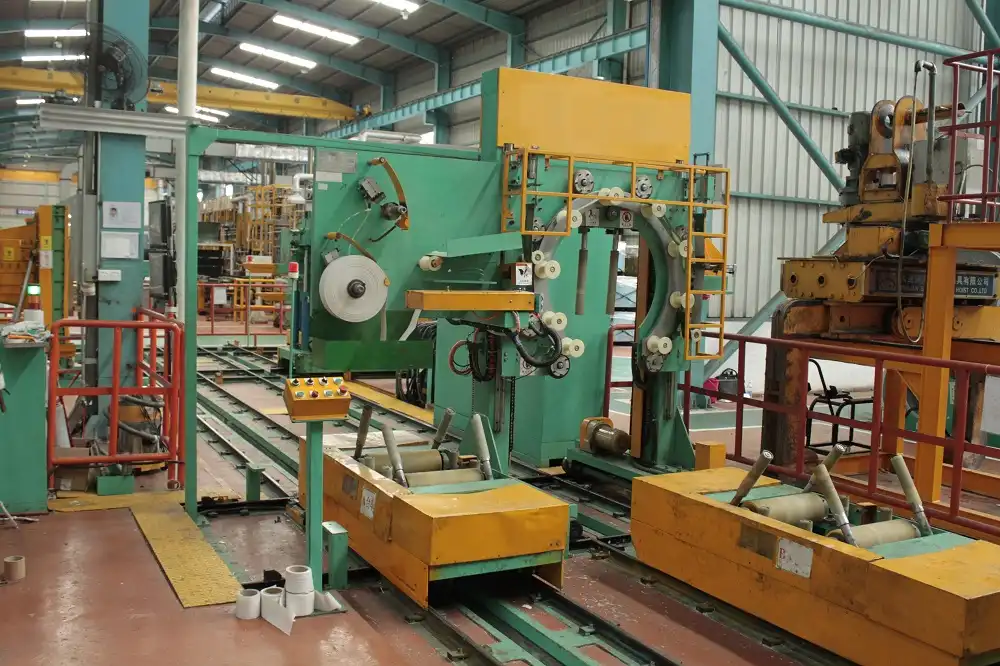
Optimizing steel coil packing line efficiency starts with ensuring machinery is perfectly matched to coil dimensions and weight. Selecting equipment compatible with your specific coil sizes (diameter, width) and weight limits prevents bottlenecks, reduces downtime, and maintains consistent, high-speed operation without compromising packaging quality. This involves a detailed analysis of your coil specifications and choosing equipment designed for optimal compatibility to achieve peak line performance.

Dive Deeper: Fine-Tuning Coil Compatibility for Uninterrupted Flow
Selecting a coil packing line goes beyond just matching specifications on paper; it’s about creating a harmonious system where every component works in sync. To truly optimize for efficiency, a deep dive into coil compatibility is crucial. This involves understanding how mismatched dimensions create bottlenecks and how a data-driven approach to dimension analysis can pave the way for seamless operation.
The Bottleneck Effect of Dimensional Mismatches
Imagine trying to fit a large coil onto a machine designed for smaller sizes. This mismatch creates a ripple effect of problems throughout your packing line:
- Reduced Speed: Overly large coils force the machine to work harder and slower, leading to reduced feeding speeds and frequent adjustments. Conversely, smaller coils in oversized machines can lead to instability and require constant repositioning, also slowing down the process.
- Compromised Quality: Incorrect dimensions lead to loose or uneven wrapping, inadequate protection, and increased risk of damage during handling and transit. This directly impacts product quality and customer satisfaction, potentially leading to costly returns and reputational damage.
- Increased Downtime: Machine jams, equipment strain, and breakdowns are inevitable when machines are forced to handle coils outside their design parameters. Downtime halts production, incurs repair costs, and disrupts delivery schedules.
Data-Driven Dimension Analysis: Measure, Analyze, and Optimize
To avoid these costly pitfalls, a data-driven approach to dimension analysis is essential. Don’t rely on guesswork; measure and analyze your coil inventory to gain a precise understanding of your needs:
- Coil Size Range Audit: Conduct a thorough audit of your current and projected coil inventory. Document the full range of coil diameters (inner and outer), widths, and thicknesses you handle. Consider future product lines and potential variations in coil sizes.
- Weight Distribution Analysis: Analyze the weight distribution of your coils. Identify the average weight, maximum weight, and any variations based on material or dimensions. This data is critical for selecting machines with appropriate lifting and handling capacities. Account for variations in steel grades, as different materials have different densities.
- Material Variability Assessment: Consider the different steel grades you process. Different materials have varying densities and handling sensitivities. Factor in material-specific requirements when assessing dimension compatibility. Some materials might be more prone to scratching or require gentler handling.
Matching Machine Specifications to Coil Data: A Structured Approach
Once you have comprehensive coil data, systematically match it against machine specifications. Use a structured approach, like the table below, to ensure no critical factor is overlooked:
| Factor | Impact on Efficiency & Quality | Dimension/Weight Metric to Analyze | Machine Specification to Match | Consequence of Mismatch |
|---|---|---|---|---|
| Coil Outer Diameter | Affects wrapping speed, stability | Maximum and Minimum OD | Machine OD Range | Jams, slow wrapping, uneven tension, coil damage |
| Coil Inner Diameter | Mandrel compatibility, handling efficiency | Standard and Variable ID | Mandrel ID Range | Difficult loading/unloading, coil slippage, damage to ID |
| Coil Width | Wrapping material usage, package stability | Maximum and Minimum Width | Machine Width Capacity | Inefficient wrapping, loose packs, coil instability |
| Coil Weight | Lifting capacity, handling safety | Maximum Coil Weight | Machine Weight Capacity | Overload, equipment strain, safety hazards, slow handling |
| Material Density | Affects weight handling, machine stress | Density Range of Materials | Machine Material Compatibility | Under/over-estimation of capacity, potential equipment damage |
By meticulously analyzing your coil dimensions and weight capacities and comparing them against detailed machine specifications, you establish a solid foundation for efficiency optimization. This proactive approach prevents costly mismatches and ensures your packing line operates at peak efficiency and quality, right from the start.
Technology Integration: Automating for Peak Performance
Are manual processes holding your coil packing line back? In today’s manufacturing landscape, speed is paramount, and manual coil packing is a bottleneck waiting to happen. Imagine a line where automation orchestrates every step, boosting speed and eliminating quality inconsistencies.
Integrating advanced technology is crucial for achieving significant efficiency gains in steel coil packing lines without sacrificing quality. Automation minimizes manual handling, ensures consistent packaging, reduces errors, and dramatically increases throughput, leading to a more efficient and reliable operation. Smart technology can revolutionize your coil packing process, transforming it from a cost center to a profit driver.


Dive Deeper: Harnessing Technology for Next-Level Efficiency
Technology integration is not just about adding fancy gadgets; it’s about fundamentally rethinking how your coil packing line operates. Strategic technology implementation can create a synergistic system where efficiency and quality are not competing priorities, but mutually reinforcing outcomes. Let’s explore the core technological advancements that are driving this transformation and how to strategically implement them.
The Power of Automated Systems: A Detailed Breakdown
Automation in coil packing goes far beyond simply replacing human labor. It’s about creating a system that operates with precision, consistency, and speed that manual processes can’t match. Consider these key benefits:
- Increased Efficiency and Throughput: Automated systems operate at consistent, high speeds, drastically reducing cycle times and increasing the number of coils packed per hour. This directly translates to higher production output and faster order fulfillment.
- Enhanced Quality Consistency: Machines perform repetitive tasks with unwavering precision, eliminating human error and ensuring uniform wrapping, strapping, and packaging quality across every coil. This consistency minimizes product damage and enhances customer satisfaction.
- Reduced Labor Costs: Automation minimizes the need for manual labor in physically demanding and repetitive tasks, leading to significant reductions in labor costs and freeing up personnel for more skilled roles such as maintenance and quality control.
- Improved Safety: Automated handling reduces the risk of workplace injuries associated with manual lifting, maneuvering, and strapping of heavy steel coils, creating a safer working environment and reducing potential liability.
Core Technologies Driving Automation
Several key technologies are at the heart of modern, high-efficiency coil packing lines:
- Automated Coil Handling Systems: Robotic arms, conveyors, and manipulators automatically transfer coils between stations, eliminating manual lifting and positioning. These systems are designed for speed and precision, minimizing handling damage and optimizing workflow.
- Precision Wrapping Machines: Automated wrapping machines apply stretch film, paper, or other materials with programmable tension control. This ensures consistent and optimized wrapping, reducing material waste and enhancing coil protection. Advanced machines can adjust wrapping parameters based on coil dimensions and material type.
- Automated Strapping and Banding Units: These units apply steel or plastic straps with precise tension and secure sealing, crucial for load stability during transport. Automation ensures consistent strap placement and tightness, maximizing package integrity and reducing the risk of load shifting during transit.
- Integrated Control Systems (PLC & IoT): Programmable Logic Controllers (PLCs) act as the brains of the operation, coordinating all automated components. IoT integration adds real-time monitoring, data collection, and remote diagnostics, enabling predictive maintenance and data-driven optimization. This connectivity allows for real-time performance analysis and proactive issue resolution.
- Vision and Sensor Systems: Vision systems inspect coils for defects, verify dimensions, and guide robotic actions. Sensors monitor tension, position, and other critical parameters, providing real-time feedback for process adjustments and quality control. These systems ensure quality is maintained throughout the automated process.
Strategic Technology Integration: A Phased Approach
Implementing technology doesn’t have to be an all-or-nothing proposition. A phased approach allows for gradual integration and optimization, minimizing disruption and maximizing ROI:
- Bottleneck Identification: Pinpoint the slowest and most error-prone stages in your current packing process. Focus technology integration efforts on these areas first for maximum impact. Conduct a thorough process analysis to identify bottlenecks and areas ripe for automation.
- Modular Automation: Start with automating specific modules, such as wrapping or strapping, and gradually expand automation to other stages. This reduces upfront investment and allows for incremental improvements, demonstrating ROI at each stage.
- Data-Driven Optimization: Implement data collection and analysis tools from the outset. Use real-time data to monitor performance, identify areas for further optimization, and fine-tune automated systems for peak efficiency. This iterative approach ensures continuous improvement and adaptation to changing needs.
By strategically embracing technology integration, you can transform your coil packing line into a high-speed, high-precision operation that consistently delivers quality and maximizes throughput. It’s not just about keeping up with the competition; it’s about setting a new standard for coil packing excellence and operational efficiency.
Cost Implications: Investing in Efficiency for Long-Term Gains
Worried about the cost of optimizing your coil packing line for efficiency? It’s a valid concern, but focusing solely on upfront costs is a short-sighted approach. Think of it as an investment, not an expense. Imagine a line that not only packs faster but also reduces waste, minimizes downtime, and lowers labor costs – that’s where true profitability lies.
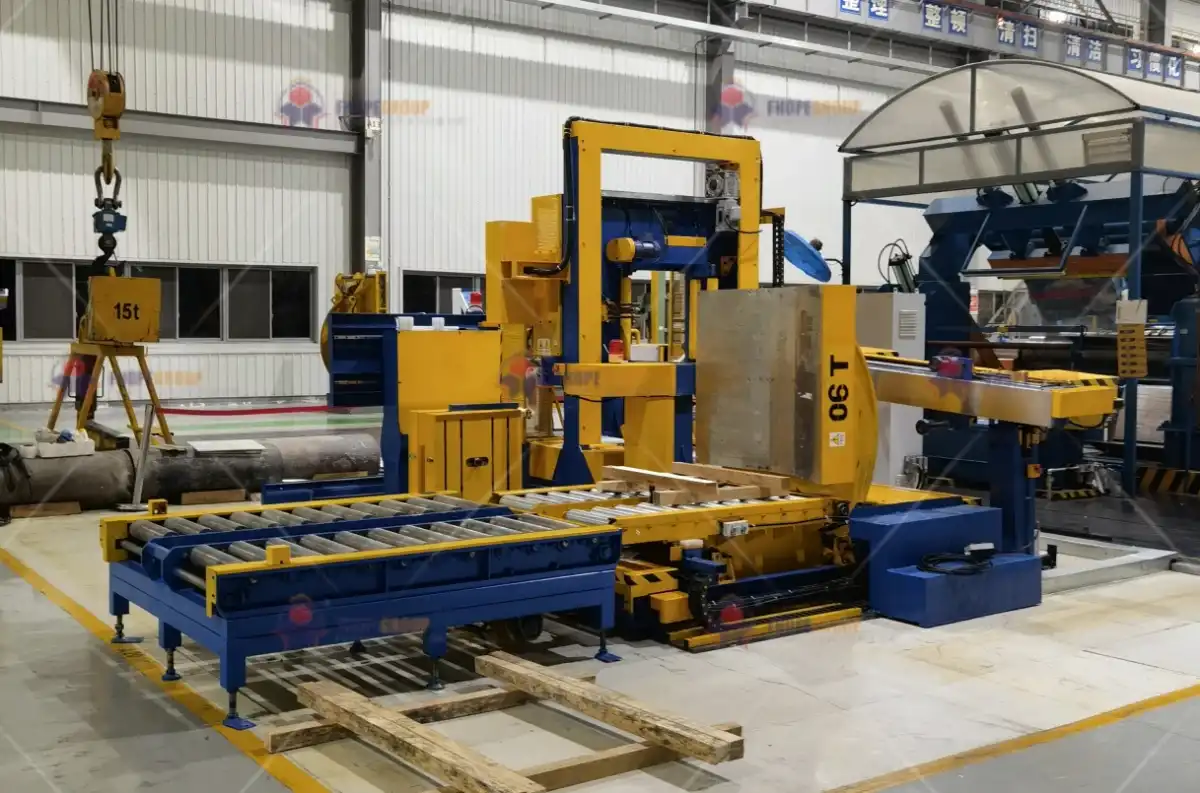
While the initial investment in optimizing steel coil packing line efficiency may seem significant, a thorough cost analysis reveals substantial long-term savings and increased profitability. Reduced labor costs, minimized material waste, increased throughput, and improved quality all contribute to a rapid return on investment, making efficiency optimization a financially sound decision. A comprehensive understanding of cost implications is essential for making informed decisions that drive long-term financial success.

Dive Deeper: Unpacking the ROI of Efficiency Optimization
Cost is a critical factor, but it’s essential to look beyond the initial capital expenditure. A holistic cost analysis considers both upfront investment and ongoing operational expenses to truly understand the financial impact of efficiency optimization. To make a financially sound decision, you need to unpack the ROI of efficiency optimization by examining both upfront investments and long-term savings across various operational areas.
Upfront Investment: Understanding the Initial Outlay
The initial cost of upgrading your coil packing line will vary depending on the level of automation and the specific technologies implemented. Key investment areas include:
- Equipment Costs: New automated wrapping machines, strapping units, coil handling systems, and control systems represent the primary capital expenditure. The cost will depend on the complexity, capacity, and sophistication of the equipment. Consider factors like customization, brand reputation, and technology features.
- Integration Costs: Integrating new equipment into existing lines may require modifications to conveyors, electrical systems, and control networks. Integration costs can vary significantly based on the complexity of the existing infrastructure and the level of system compatibility. Older lines may require more extensive modifications.
- Installation and Commissioning: Professional installation and commissioning are crucial for ensuring proper system setup and performance. These costs should be factored into the initial investment. Proper installation by certified technicians is vital for long-term reliability and performance.
- Training Costs: Training personnel to operate and maintain new automated equipment is essential. Training programs, including on-site and off-site options, should be included in the initial budget. Effective training minimizes downtime and maximizes the benefits of automation.
Long-Term Savings: The Path to Profitability
The true financial benefits of efficiency optimization are realized over the long term through significant operational savings:
- Reduced Labor Costs: Automation drastically reduces the need for manual labor, leading to substantial savings in wages, benefits, and labor-related expenses. Calculate potential labor cost reductions based on your current staffing levels and automation’s impact on manpower needs.
- Minimized Material Waste: Precision wrapping and strapping systems optimize material usage, reducing waste of stretch film, strapping, and other packaging materials. Quantify material savings by comparing current material consumption with projected usage after automation implementation.
- Increased Throughput and Output: Higher line speeds translate directly to increased production output, allowing you to fulfill more orders and generate more revenue. Estimate revenue increases based on projected throughput improvements and your sales forecasts.
- Reduced Downtime Costs: Reliable automated systems minimize downtime due to equipment failure or human error, maximizing production uptime and reducing associated costs. Analyze historical downtime data and project downtime reduction with automation to quantify cost savings.
- Improved Quality and Reduced Rejects: Consistent packaging quality reduces product damage, minimizes rejects, and improves customer satisfaction, leading to fewer returns and warranty claims. Calculate cost savings from reduced rejects and returns by analyzing current defect rates and projected improvements with automation.
- Energy Efficiency: Modern automated systems often incorporate energy-efficient technologies, reducing power consumption and lowering energy costs over time. Compare energy consumption of existing equipment with energy-efficient automated systems to project energy cost savings.
Cost-Benefit Analysis: Making the Financially Sound Decision
To make an informed decision, conduct a comprehensive cost-benefit analysis. Compare the upfront investment against projected long-term savings over a 3-5 year period. Use a table like the one below to structure your analysis:
| Cost/Benefit Category | Initial Investment Costs | Long-Term Savings/Benefits | Calculation Metrics |
|---|---|---|---|
| Equipment | Purchase price | Increased throughput, reduced downtime | Units packed per hour, downtime hours saved per year |
| Integration | Modification costs | Improved line efficiency, reduced bottlenecks | Cycle time reduction, overall equipment effectiveness (OEE) |
| Installation/Commissioning | Setup fees | Faster startup, optimized performance | Time to full production capacity, initial reject rate |
| Training | Training program costs | Skilled workforce, reduced errors, improved maintenance | Error rate reduction, maintenance downtime reduction |
| Labor | – | Reduced headcount, lower wage expenses | Labor hours saved per year, labor cost per unit reduction |
| Materials | – | Optimized material usage, reduced waste | Material consumption per coil reduction, waste percentage |
| Energy | – | Lower power consumption | Energy consumption per unit reduction, energy cost savings |
| Quality | – | Reduced damage, fewer rejects, improved customer satisfaction | Reject rate reduction, customer return rate reduction |
By quantifying both the costs and benefits, you can calculate the return on investment (ROI) and payback period for your efficiency optimization project. Often, the long-term savings far outweigh the initial investment, making efficiency optimization not just an operational improvement, but a strategic financial advantage that strengthens your bottom line.
Vertical vs. Horizontal Packing: Orientation for Optimal Efficiency
Facing space constraints in your facility? Or perhaps you’re battling coil stability issues during transport? The choice between vertical and horizontal packing isn’t just about aesthetics; it’s a critical decision that impacts both packing line efficiency and the final package quality. Imagine choosing the wrong orientation and ending up with damaged coils or a bottlenecked packing process – a costly mistake to avoid.
Selecting between vertical and horizontal packing for steel coils significantly impacts line efficiency, stability, storage efficiency, and transport safety. Vertical packing maximizes space utilization and can be faster for certain coil types, while horizontal packing offers superior stability, especially for heavier coils and longer transport distances. The optimal choice depends on a careful evaluation of your specific operational needs and coil characteristics, balancing efficiency with safety and logistical considerations.

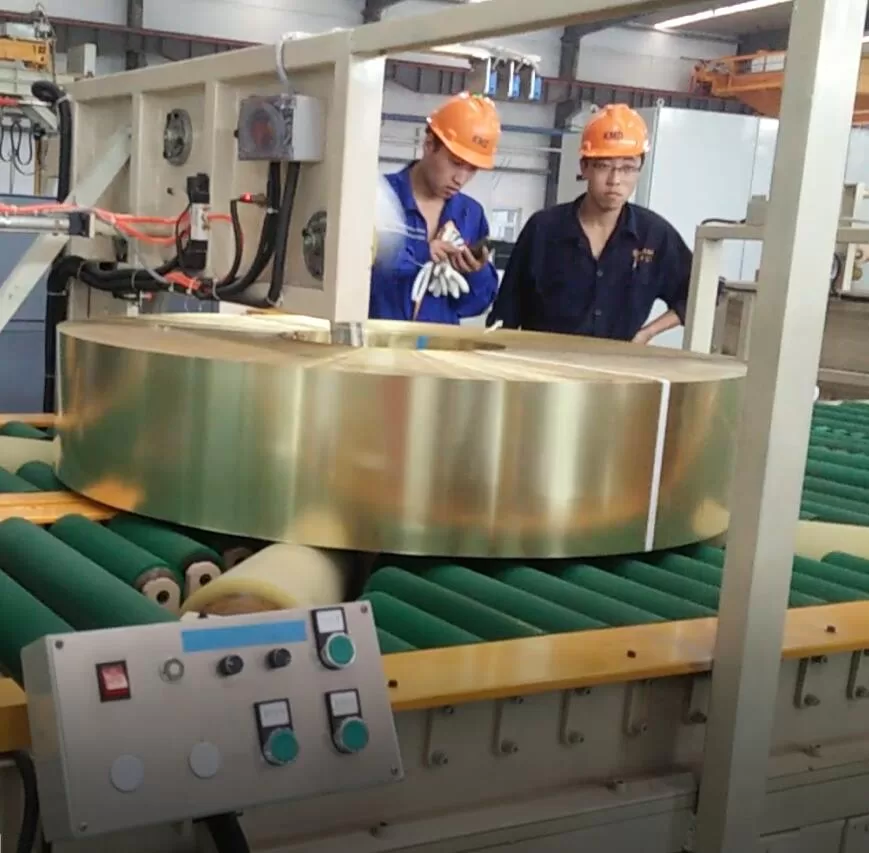
Choosing between vertical and horizontal coil packing is a strategic decision with significant implications for efficiency and overall operations. The optimal choice hinges on carefully evaluating your coil characteristics, facility constraints, transportation requirements, and handling equipment. For businesses prioritizing space and handling lighter coils, vertical packing offers advantages in density and potentially speed. Conversely, horizontal packing excels in stability and versatility, especially for heavier coils and demanding transport conditions. A thorough assessment of these factors, guided by a decision matrix, will ensure you select the orientation that best balances efficiency, stability, and cost-effectiveness, ultimately optimizing your steel coil packing operations.
Conclusion
Choosing the right coil packing line is a critical investment that goes beyond immediate operational needs. It’s about strategically positioning your business for long-term success. By thoroughly analyzing key parameters like coil compatibility, embracing technology for automation, carefully evaluating cost implications, and selecting the optimal packing orientation, you can transform your packing line into a powerhouse of efficiency. This strategic approach not only streamlines current operations but also paves the way for future growth and a stronger bottom line in a competitive market.












