
What Are the Key Factors in Evaluating Steel Wire Coiling Machine Suppliers for Quality?
Choosing the right steel wire coiling machine supplier is crucial for ensuring efficient production and high-quality output. With numerous options available, understanding the key factors in the evaluation process is essential for making informed decisions.
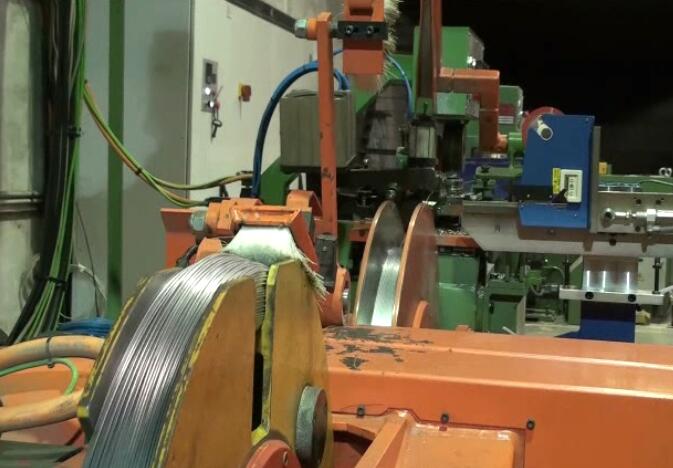
Evaluating steel wire coiling machine suppliers involves assessing factors like machine quality, supplier experience, customization options, and after-sales support. Reliability, advanced technology, and the ability to meet specific production requirements are also critical for selecting the best supplier.
Selecting a steel wire coiling machine supplier requires careful consideration to ensure that the chosen provider can deliver reliable equipment and consistent support. This guide will help you navigate the selection process, focusing on the key factors that determine quality and long-term success.
1: Assessing Machine Quality and Performance
The quality and performance of a steel wire coiling machine directly impact productivity and the quality of the final product. Therefore, assessing these aspects is paramount when choosing a supplier.
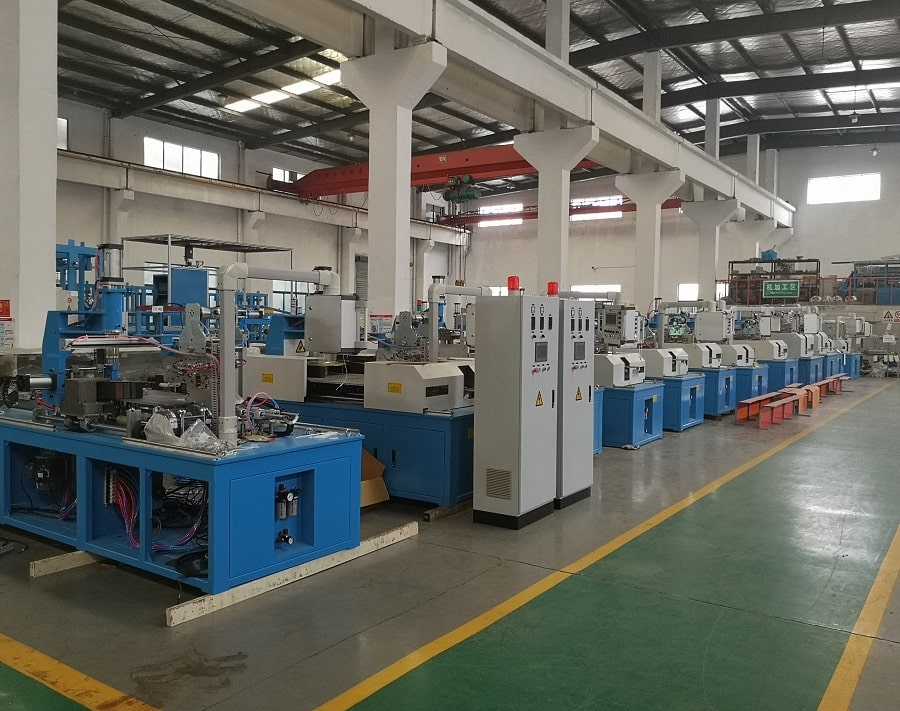
Machine quality is paramount; look for suppliers known for robust construction, advanced technology, and precision engineering. A high-quality machine ensures consistent performance, reduces downtime, and enhances the overall efficiency of your wire coiling operations.
Diving Deeper: Key Metrics for Evaluating Machine Quality
Evaluating machine quality goes beyond surface-level observations. A comprehensive assessment includes examining various technical aspects and performance metrics. Let’s break down the crucial elements with specific examples and considerations:
Material and Construction
The materials used in constructing the machine significantly impact its durability and longevity. High-strength steel and quality components ensure the machine can withstand continuous operation.
- Steel Grade: Check the grade of steel used in the frame and critical parts. For instance, machines using high-carbon steel alloys will likely offer better resistance to wear and tear compared to those using mild steel.
- Component Quality: Evaluate the quality of bearings, motors, and control systems. Opt for reputable brands known for reliability. For example, using Siemens or ABB motors ensures better performance and longevity.
Technological Features
Advanced technology enhances precision, efficiency, and ease of use. Look for features like CNC controls, automated adjustments, and real-time monitoring.
- CNC System: A modern CNC system allows for precise control over the coiling process. Consider systems with user-friendly interfaces, such as the WAFIOS Programming System WPS 3.2, which supports easy setup and operation.
- Automation: Automated features like wire feeding, tension control, and diameter correction (e.g., WAFIOS iQautopitch) can significantly reduce manual intervention and improve consistency.
Performance Metrics
Understanding key performance metrics helps you predict how the machine will perform under real-world conditions.
- Speed and Accuracy: Look for machines that offer a balance between speed and accuracy. For example, AIM Inc.’s CNC Benders boast exceptional accuracy and repeatability, with feeding speeds exceeding 120 meters per minute.
- Wire Diameter Range: Ensure the machine can handle the range of wire diameters you plan to work with. FENN’s Torin Spring Coilers, for example, can handle wire diameters from .003” to .750”.
Integration and Compatibility
The machine’s ability to integrate with other systems and processes is crucial for a streamlined workflow.
- Compatibility: Ensure the machine is compatible with your existing infrastructure, including data management systems and quality control tools.
- Connectivity: Modern machines often come with VPN and OPC-UA interfaces for remote maintenance and integration into digital production structures, enhancing overall efficiency.
To better illustrate these points, consider the following table:
| Feature | Low-Quality Machine | High-Quality Machine | Benefit |
|---|---|---|---|
| Material | Mild steel, generic components | High-carbon steel, branded components (e.g., Siemens) | Increased durability, reduced maintenance |
| CNC System | Basic interface, limited functionality | Advanced interface, comprehensive control | Precise adjustments, ease of use |
| Automation | Manual adjustments only | Automated wire feed, tension control, diameter correction | Reduced manual labor, consistent output |
| Speed & Accuracy | Low speed, high variability | High speed, minimal variability | Increased production volume, consistent quality |
| Compatibility | Limited integration options | Full integration with existing systems | Streamlined workflow, enhanced data management |
| Wire Diameter | Limited range, frequent adjustments required | Wide range, minimal adjustments | Flexibility to handle various wire sizes, reduced downtime |
By evaluating these metrics, you can make a more informed decision and choose a quality evaluation that not only meets your immediate needs but also provides long-term value. Remember to prioritize suppliers that offer detailed specifications, transparent testing data, and robust support to ensure the machine’s optimal performance over its lifespan.
2: Supplier Experience and Reputation
The experience and reputation of a supplier reflect their reliability and ability to deliver quality products and services. A well-established supplier is more likely to provide dependable machines and support.
A supplier’s experience is invaluable; look for those with a proven track record, positive customer reviews, and industry recognition. An experienced supplier understands the nuances of steel wire coiling and can offer expert guidance and reliable solutions.

Evaluating Supplier Expertise: A Detailed Look
Selecting a steel wire coiling machine supplier with substantial expertise is crucial for ensuring long-term operational success. A seasoned supplier brings a wealth of knowledge, which translates to better guidance, reliable products, and superior support. Here’s a detailed guide on how to evaluate a supplier’s expertise:
- Years in Business: A supplier’s longevity in the industry often correlates with their reliability and expertise. Companies like YLSK, with over 20 years of experience, have likely honed their skills and processes to meet evolving market demands.
- Customer Testimonials: Customer feedback provides invaluable insights into a supplier’s performance. Look for testimonials that highlight the supplier’s responsiveness, quality of machinery, and effectiveness of after-sales support.
- Case Studies: Suppliers often showcase their capabilities through case studies. These examples demonstrate their problem-solving skills and ability to meet specific client needs. Analyze case studies to see how the supplier has handled projects similar to yours.
3: Customization and Flexibility
Every manufacturing operation has unique requirements. The ability of a supplier to offer customization and flexibility is a significant advantage.
Customization is key; choose a supplier who can tailor machines to your specific needs, whether it’s handling unique wire sizes or integrating specialized features. A flexible supplier ensures the machine fits seamlessly into your existing workflow and meets your exact production requirements.

Diving Deeper: Tailoring Solutions to Meet Specific Needs
In today’s dynamic manufacturing landscape, the ability to customize machinery is not just a luxury but a necessity. Suppliers who offer tailored solutions can significantly enhance your operational efficiency and product quality. Here’s a comprehensive look at how customization options can be a game-changer:
Addressing Unique Production Demands
Every manufacturing operation has its unique set of challenges and requirements. Customization allows you to address these specific needs effectively.
- Wire Specifications: Different projects may require different wire sizes, materials, and tensile strengths. Suppliers like FENN offer custom-engineered solutions that can handle a wide range of wire specifications, ensuring that your machine is perfectly suited to your materials.
- Specific Applications: If you’re producing specialized springs or wire forms, you may need features like the PTP coiling finger from WAFIOS for varying pitch and initial tension. Customization ensures that your machine can handle these specialized applications with ease.
- Integration Needs: A machine that seamlessly integrates with your existing workflow can significantly reduce downtime and improve efficiency. Customization can include modifications to the control system, data connectivity, and physical layout to ensure compatibility.
Benefits of Customization
Investing in a customized coiling machine offers numerous benefits that can positively impact your bottom line.
- Enhanced Efficiency: Tailored solutions often result in higher production speeds and reduced material waste. For example, a machine customized to handle specific wire types can minimize the need for adjustments and reduce the risk of errors.
- Improved Quality: Customization allows for greater precision and control over the coiling process, leading to higher-quality products. Features like automated diameter correction and tension control can be fine-tuned to meet your exact specifications.
- Increased Flexibility: A customized machine can adapt to changing production needs, allowing you to take on new projects and expand your product offerings. This flexibility can be a significant competitive advantage in a rapidly evolving market.
Examples of Customization in Action
To better illustrate the impact of customization, consider the following scenarios:
| Scenario | Customization Solution | Benefit |
|---|---|---|
| Producing complex wire forms | Integrating a 4-axes coiling device and the PTP coiling finger allows for right- and left-hand coiled springs with varying pitch and initial tension. | Enables the production of intricate designs, opening up new market opportunities and increasing product value. |
| Working with high-strength wire | Enhancing the infeed force and stability of the machine, like in the WAFIOS FUL 226, allows for reliable production of springs from high-strength, oil-hardened wire up to 22 mm diameter. | Reduces the risk of machine failure and ensures consistent production of high-quality springs, even with demanding materials. |
| Integrating with existing systems | Using VPN and OPC-UA interfaces for secure access to the machine allows for remote maintenance and seamless integration into digital production structures. | Streamlines workflows, reduces downtime, and enhances data management, leading to increased overall efficiency. |
| Adapting to changing needs | Modular machine construction, as offered by AIM Inc., allows for easy upgrades and modifications to meet evolving production requirements. | Provides flexibility to adapt to new projects and changing market demands, ensuring that your investment remains relevant and valuable over time. |
| Managing multiple wire types | Dual-coil pay-off units with displacement devices can decrease downtime and allow for quick changes to different wire diameters, increasing machine productivity. | Allows for efficient handling of multiple wire types, minimizing downtime and maximizing machine availability. |
By prioritizing customization, you can ensure that your steel wire coiling machine perfectly aligns with your unique operational needs, driving efficiency, quality, and profitability. Engaging with suppliers who offer comprehensive customization options is a strategic move towards long-term success.
4: After-Sales Support and Training
Comprehensive after-sales support and training are essential for maximizing the lifespan and performance of a steel wire coiling machine. Reliable support ensures minimal downtime and optimal operation.
%[steel wire coiling machine]( “steel wire coiling machine”)
Investing in a steel wire coiling machine is significant; ensure the supplier offers robust support, including technical assistance, spare parts availability, and training programs. This support is crucial for maintaining machine performance and minimizing downtime.
Maximizing Machine Lifespan: The Importance of Comprehensive Support
Choosing the right supplier is only half the battle. To ensure your machine operates at peak performance for years to come, robust after-sales support is essential. This support encompasses technical assistance, training, and readily available spare parts.
- Technical Assistance: A responsive technical support team can quickly diagnose and resolve issues, minimizing downtime. Look for suppliers offering 24/7 support via phone, email, or online portals.
- Training Programs: Comprehensive training empowers your operators to use the machine effectively and troubleshoot common problems. Effective training should cover machine operation, programming, maintenance, and safety procedures.
- Spare Parts Availability: Quick access to spare parts is crucial for minimizing downtime during repairs. Ensure the supplier maintains an adequate inventory of critical components and offers fast shipping.
Conclusion
Evaluating steel wire coiling machine suppliers requires careful consideration of machine quality, supplier experience, customization options, and after-sales support. Prioritizing these factors ensures you select a reliable partner who can provide high-quality equipment and long-term support.
Choosing a reliable steel wire coiling machine supplier involves thoroughly assessing their ability to deliver high-quality machines, provide customization options, and offer comprehensive after-sales support. By focusing on these key factors, you can make an informed decision that supports your production goals and ensures long-term success.








