
What Are the Key Factors in Evaluating PVC Pipe Bagging Machine Suppliers?
Selecting the right supplier for a PVC pipe bagging machine is a critical decision for businesses aiming to optimize their packaging processes, ensure product integrity, and maintain efficient operations. The evaluation process involves considering multiple factors, from machine capabilities to supplier reliability.
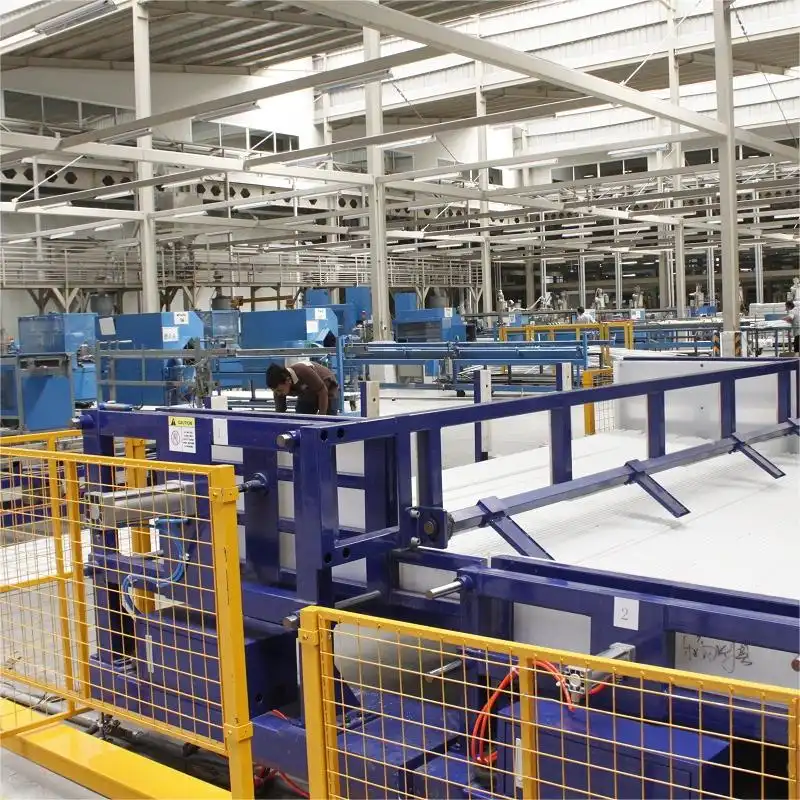
Key factors in evaluating PVC pipe bagging machine suppliers include assessing their manufacturing capabilities, quality control processes, customization options, after-sales support, pricing competitiveness, commitment to sustainability, and robust supply chain management. A comprehensive evaluation ensures you choose a supplier that aligns with your operational needs and long-term business goals.
Choosing a supplier is more than just a transaction; it’s establishing a partnership that will significantly impact your production line efficiency and product quality. Let’s delve deeper into the essential factors to consider when evaluating PVC pipe bagging machine suppliers to make an informed and strategic decision.
1. Assessing Manufacturing and Customization Capabilities
The cornerstone of a reliable PVC pipe bagging machine supplier lies in their manufacturing prowess. Understanding their capabilities ensures they can meet your specific volume, customization, and technological requirements.
A supplier’s manufacturing capability is paramount, encompassing equipment capacity, production efficiency, and customization expertise. Evaluate their machinery, production lines, and engineering team to confirm they can handle your PVC pipe bagging needs, including specific dimensions, bagging types, and integration requirements. Customization is equally crucial; the supplier should demonstrate flexibility in adapting machines to your unique packaging line and product specifications.
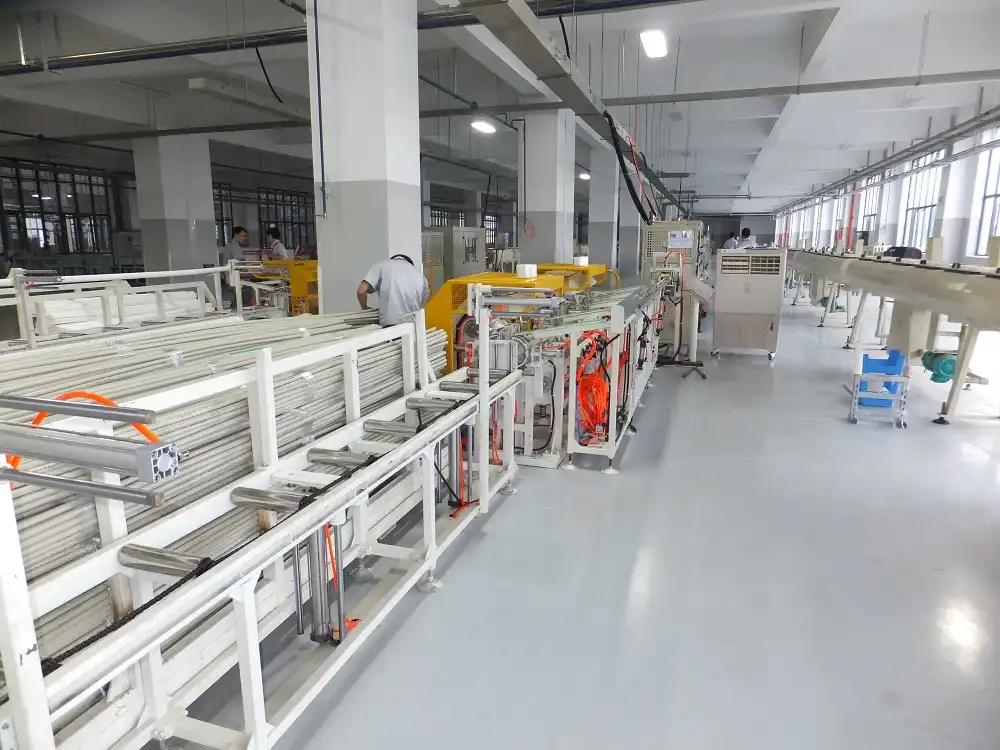
To truly gauge a supplier’s manufacturing and customization capabilities, a multifaceted approach is necessary. It’s not enough to simply review brochures or websites; a deep dive into their operational framework is essential. This involves scrutinizing their technology, adaptability, and the scalability of their solutions.
Diving Deeper: Technology, Adaptability, and Scalability
To comprehensively assess a supplier’s capabilities, consider these critical aspects:
1. Technology and Innovation
- Level of Automation: Inquire about the level of automation integrated into their manufacturing processes. Suppliers utilizing advanced automation are typically better positioned to handle large volumes with consistent quality. For instance, do they employ robotic welding, automated assembly lines, or CNC machining?
- Technological Upgrades: Assess their commitment to innovation. Do they regularly upgrade their machinery and adopt new technologies? A supplier that invests in R&D is more likely to offer cutting-edge solutions and adapt to future industry demands.
- Software Integration: Understand the software capabilities of their machines. Modern bagging machines often come with sophisticated control systems. Can their machines integrate with your existing ERP or MES systems for seamless data exchange and operational oversight?
2. Adaptability and Customization Prowess
- Custom Engineering Services: Does the supplier offer in-house custom engineering services? A strong engineering team can tailor machines to fit your specific PVC pipe dimensions, bagging materials, and packaging line layout.
- Prototyping Capabilities: Inquire about their prototyping process. Can they produce prototypes for testing and validation before full-scale production? This is crucial for ensuring the machine meets your exact requirements.
- Material Flexibility: Confirm their experience with various bagging materials. Can their machines handle different types of plastic films, woven bags, or even biodegradable options if your sustainability goals require it?
3. Scalability and Production Capacity
- Production Volume: Understand their current production capacity and scalability. Can they handle your current volume and future growth projections? Request data on their monthly or annual production output for similar machines.
- Lead Times: Inquire about typical lead times for machine orders, especially for customized solutions. Long lead times can disrupt your operations and delay expansion plans.
- Facility Size and Infrastructure: If possible, visit their manufacturing facility. Assess the size of their facility, the number of production lines, and the overall infrastructure. A larger, well-equipped facility often indicates a higher capacity and better resource availability.
To further illustrate the importance of these factors, consider the following table, which compares two hypothetical suppliers based on these criteria:
| Feature | Supplier A (Established, Large-Scale) | Supplier B (Niche, Custom-Focused) | Importance for Buyer |
|---|---|---|---|
| Automation Level | High (Robotic, CNC) | Medium (Semi-Automated) | High – Efficiency, Consistency |
| Tech Upgrades | Regular, R&D Investment | Infrequent | High – Future-Proofing, Innovation |
| Software Integration | Advanced, ERP/MES Compatible | Basic | Medium – Data-Driven Operations, System Synergy |
| Custom Engineering | Yes, Dedicated Team | Limited, Project-Based | High – Tailored Solutions, Specific Needs |
| Prototyping | Yes, In-House | Outsourced | Medium – Risk Mitigation, Validation |
| Material Flexibility | Wide Range | Limited to Standard Films | Medium – Adaptability to Material Changes, Sustainability |
| Production Volume | High | Medium | High – Meeting Demand, Scalability |
| Lead Times | Moderate | Longer | Medium – Operational Planning, Time-to-Market |
| Facility Size & Infra. | Large, Multiple Lines | Smaller, Single Line | Medium – Capacity, Resource Availability |
By systematically evaluating these aspects, you can move beyond surface-level assessments and gain a robust understanding of a supplier’s true manufacturing and customization capabilities, ensuring they are the right fit for your PVC pipe bagging machine needs.
2. Robust Quality Control and Certification
Quality control is non-negotiable when it comes to PVC pipe bagging machines. Machine malfunctions or inconsistencies can lead to production downtime, material waste, and compromised packaging integrity.
A supplier’s quality control system is critical, starting with certifications like ISO and GMP, and extending to on-site labs and testing facilities. Verify their certifications are relevant to your industry (e.g., HACCP, FSSC22000 for food-grade packaging). Suppliers with in-house testing capabilities demonstrate a commitment to quality assurance, offering reliable and timely results, which is essential for maintaining consistent packaging standards.
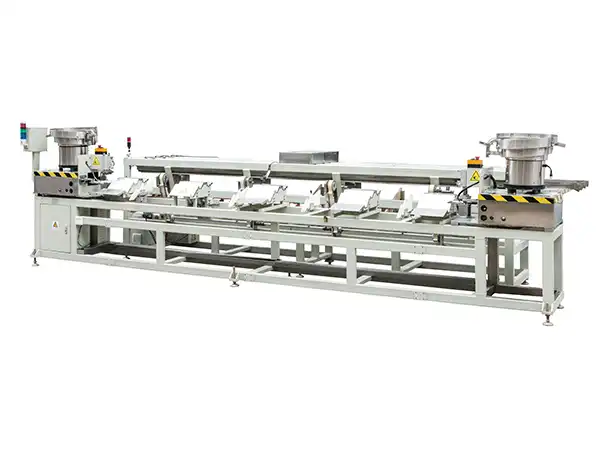
To thoroughly assess a supplier’s commitment to quality, it’s imperative to look beyond just certifications. A comprehensive evaluation should delve into their quality control processes at every stage of production and their investment in testing infrastructure.
Deeper Dive: Certifications, Processes, and Testing Infrastructure
A robust quality control framework encompasses more than just holding certifications; it’s about embedding quality checks throughout the entire manufacturing lifecycle. Here’s a breakdown of key areas to investigate:
1. Valid and Relevant Certifications
- Verification of Certificates: Don’t just take certifications at face value. Verify their validity and scope. For example, ISO certifications should be from accredited bodies, and the scope should cover the manufacturing of packaging machinery.
- Industry-Specific Certifications: Look for certifications relevant to your specific industry. While ISO 9001 is a good baseline, industry-specific certifications like GMP (Good Manufacturing Practices) for pharmaceutical or food packaging, or specific certifications for machinery safety (e.g., CE marking for European markets) are crucial.
- Sustainability Certifications: If sustainability is a priority, check for certifications like GRS (Global Recycled Standard) if they offer machines capable of handling recycled materials, or certifications related to energy efficiency in manufacturing.
2. End-to-End Quality Control Processes
- Incoming Material Inspection: Inquire about their process for inspecting incoming raw materials and components. Do they have a system for verifying the quality and specifications of materials before they enter production?
- In-Process Quality Checks: Understand the quality checks performed during the manufacturing process. Are there checkpoints at critical stages of assembly, welding, wiring, and software installation? Automated online inspection systems are a significant plus.
- Final Product Inspection: Detail their final product inspection protocols. Do they conduct 100% inspection, or is it batch-based? What parameters are checked – mechanical functionality, electrical safety, software performance, bagging accuracy, and seal integrity? Request sample inspection reports.
3. Testing Facilities and Equipment
- On-site Laboratory: A supplier with an on-site laboratory demonstrates a serious commitment to quality. Inquire about the lab’s capabilities. Can they perform material testing, stress testing, functional testing, and endurance testing?
- Testing Equipment Inventory: Request a list of their testing equipment. For PVC pipe bagging machines, essential equipment might include:
- Tensile Testers: To check the strength of welds and structural components.
- Electrical Safety Testers: To ensure machines meet safety standards.
- Performance Testing Rigs: To simulate operational conditions and test machine performance under load and at various speeds.
- Seal Integrity Testers: To verify the quality of bag seals (burst tests, leak tests).
- Dimensional Accuracy Measurement Tools: Laser scanners or coordinate measuring machines (CMMs) for precision component verification.
- Calibration and Maintenance: Ensure their testing equipment is regularly calibrated and maintained. Calibration records should be available for review.








