
What Are the Key Factors in Evaluating Pipe Bundling Machine Suppliers for Quality?
Selecting the right pipe bundling machine supplier is crucial for ensuring efficient and high-quality pipe packaging solutions. This decision impacts production speed, bundle integrity, and overall operational costs.
When evaluating pipe bundling machine suppliers, prioritize experience, machine quality, customization options, after-sales service, and price-performance ratio. These factors ensure you get a reliable machine that meets your specific needs, minimizes downtime, and offers long-term value for your investment.
Investing in a reliable pipe bundling machine is essential for optimizing your production line. Let’s dive into the key factors that will guide you in choosing the best supplier for your needs.
1. Assessing Supplier Experience and Reputation
Choosing a supplier with a proven track record is crucial. Their experience often translates to better machine design, reliable performance, and effective support.
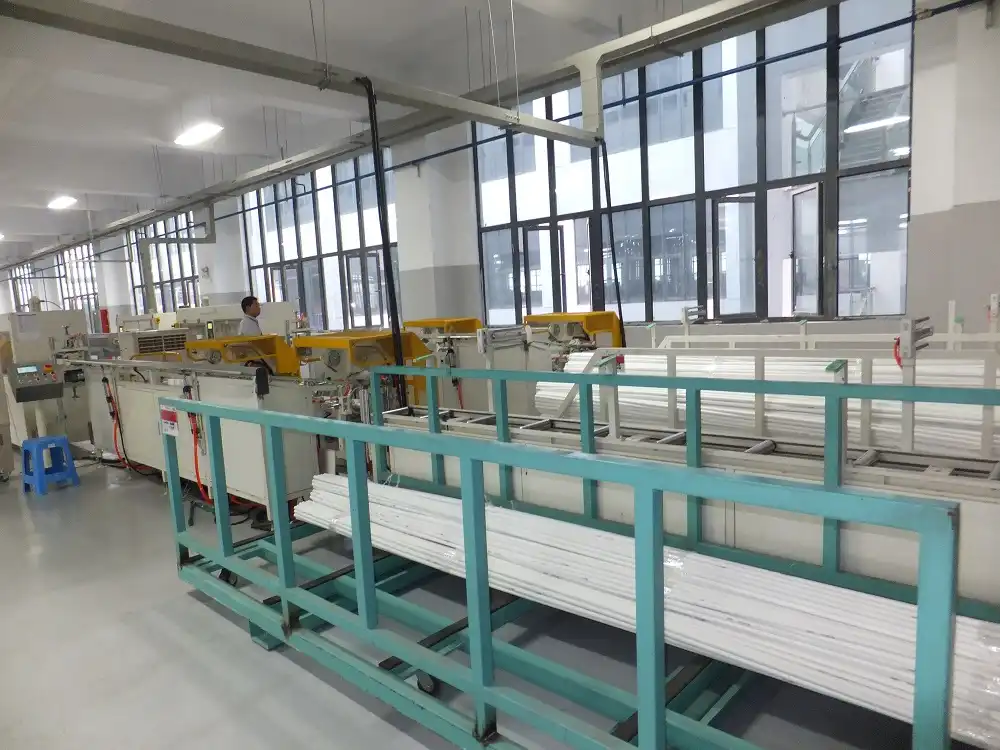
Experience and reputation are critical when choosing a supplier. Look for suppliers with a long history in the industry, positive customer reviews, and a portfolio of successful installations. A reputable supplier is more likely to provide high-quality machines and reliable support.
But how do you objectively measure experience and reputation?
Diving Deeper: Quantifying Supplier Experience
It’s not enough to simply hear that a supplier is “experienced.” You need to look for concrete indicators. Here’s a breakdown of how to assess a supplier’s experience and reputation:
1. Years in the Business
A longer history often indicates stability and a deeper understanding of the industry’s challenges and evolving needs.
2. Customer Testimonials and Case Studies
These provide real-world insights into the supplier’s performance and customer satisfaction. Look for testimonials that address specific aspects of the machine’s performance, reliability, and the supplier’s support.
3. Industry Recognition and Certifications
Awards, certifications (like ISO 9001), and memberships in industry associations can be indicators of a supplier’s commitment to quality and best practices.
4. Financial Stability
A financially stable supplier is more likely to be around for the long haul to provide ongoing support and spare parts.
5. Installation Base
The number of machines a supplier has installed and the diversity of their customer base can be indicators of their experience and the versatility of their machines.
6. Technological Innovation
A supplier that invests in R&D and incorporates the latest technologies into their machines is more likely to provide solutions that are efficient and future-proof.
To make a better purchasing decison, consider the table below:
| Criteria | Excellent (5 points) | Good (3 points) | Fair (1 point) |
|---|---|---|---|
| Years in Business | 20+ years | 10-20 years | Less than 10 years |
| Customer Testimonials | Numerous positive testimonials with specific details | Several positive testimonials, some with details | Few or generic testimonials |
| Industry Recognition | Multiple awards, key certifications (e.g., ISO 9001) | Some awards or relevant certifications | No significant awards or certifications |
| Financial Stability | Strong financial reports, consistent growth | Stable financial reports | Limited financial information or signs of instability |
| Installation Base | 100+ installations across diverse industries | 50-100 installations, primarily in one or two industries | Less than 50 installations, limited industry diversity |
| Technological Innovation | Actively invests in R&D, incorporates cutting-edge technology | Shows some innovation, adopts proven technologies | Relies on established technologies, limited innovation |
How to Use This Table:
- Identify Suppliers: List the potential suppliers you are considering.
- Gather Information: Research each supplier based on the criteria in the table.
- Assign Points: Assign points to each supplier based on how well they meet each criterion. Be objective and use the descriptions in the table as a guide.
- Calculate Total Score: Add up the points for each supplier to get a total score.
- Compare Scores: Compare the total scores of the suppliers. The supplier with the highest score is generally the most experienced and reputable.
- Consider Weighting: If some criteria are more important to you than others, you can assign weights to each criterion and adjust the scoring accordingly. For example, if Technological Innovation is particularly important, you might assign it a weight of 2, doubling its impact on the total score.
By using this systematic approach, you can make a more informed decision when selecting a pipe bundling machine supplier. This can help you reduce the risk of choosing an unreliable supplier and ensure that you get the best possible machine and support for your needs.
2. Evaluating Machine Quality and Technology
The quality of the pipe bundling machine directly affects its performance, reliability, and longevity. Advanced technology can improve efficiency and reduce waste.
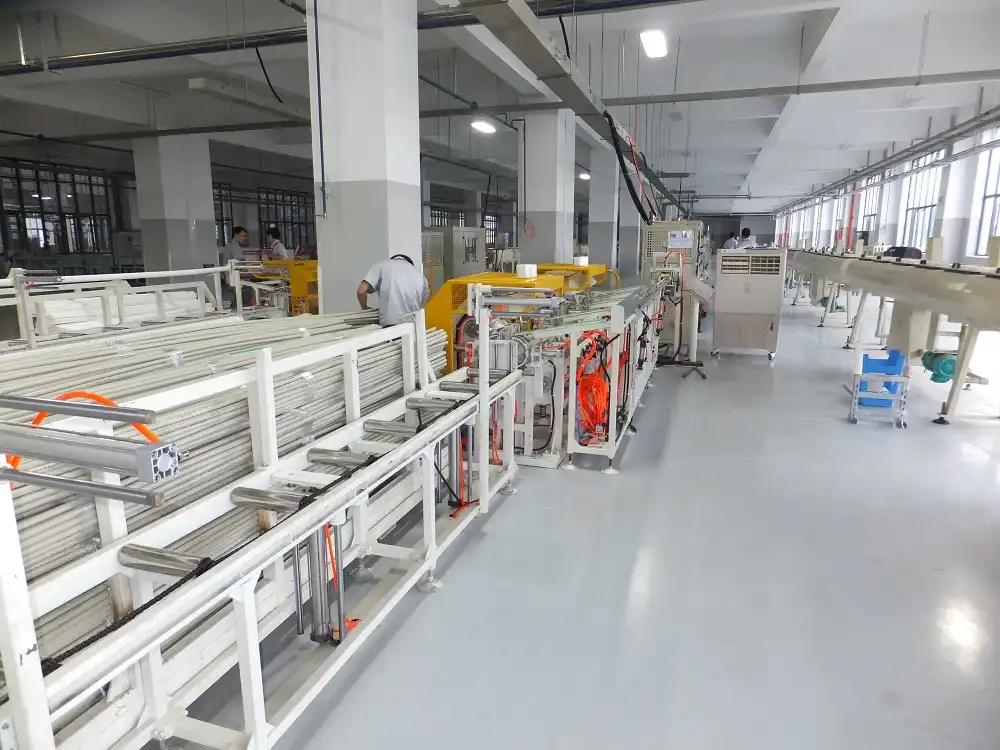
Machine quality hinges on robust construction, durable components, and precise engineering. Key aspects to consider include the materials used, the machine’s design, the integration of advanced technologies, and its ability to handle various pipe sizes and bundling configurations.
Tech Deep Dive: Focus on Technical Specifications
Evaluating the technical specifications of a pipe bundling machine is essential to ensure it meets your specific requirements and quality standards. By diving into the technical details, you can assess the machine’s capabilities, reliability, and potential for integration into your existing production line.
Here are some key aspects to consider:
-
Material Compatibility: Assess the machine’s ability to handle different pipe materials, such as steel, PVC, PPR, and aluminum. Verify that the machine is designed to prevent damage or deformation during the bundling process.
-
Bundle Size and Weight Capacity: Ensure the machine can accommodate the range of pipe diameters and bundle sizes required for your operations. Check the maximum weight capacity to prevent overloading and ensure safe operation.
-
Strapping Mechanism and Material: Consider the type of strapping mechanism used (e.g., steel, PET, PP) and its suitability for your application. Evaluate the tensile strength, durability, and cost-effectiveness of the strapping material.
-
Automation Level and Control System: Assess the level of automation offered by the machine, including automatic feeding, counting, bundling, and strapping. Evaluate the control system’s user-friendliness, programming capabilities, and integration options.
-
Safety Features: Verify that the machine is equipped with adequate safety features, such as emergency stops, safety guards, and interlocks. Ensure compliance with relevant safety standards and regulations.
3. Customization, Flexibility, and Scalability
Every operation has unique needs. A supplier that offers customization ensures the machine fits seamlessly into your existing workflow.
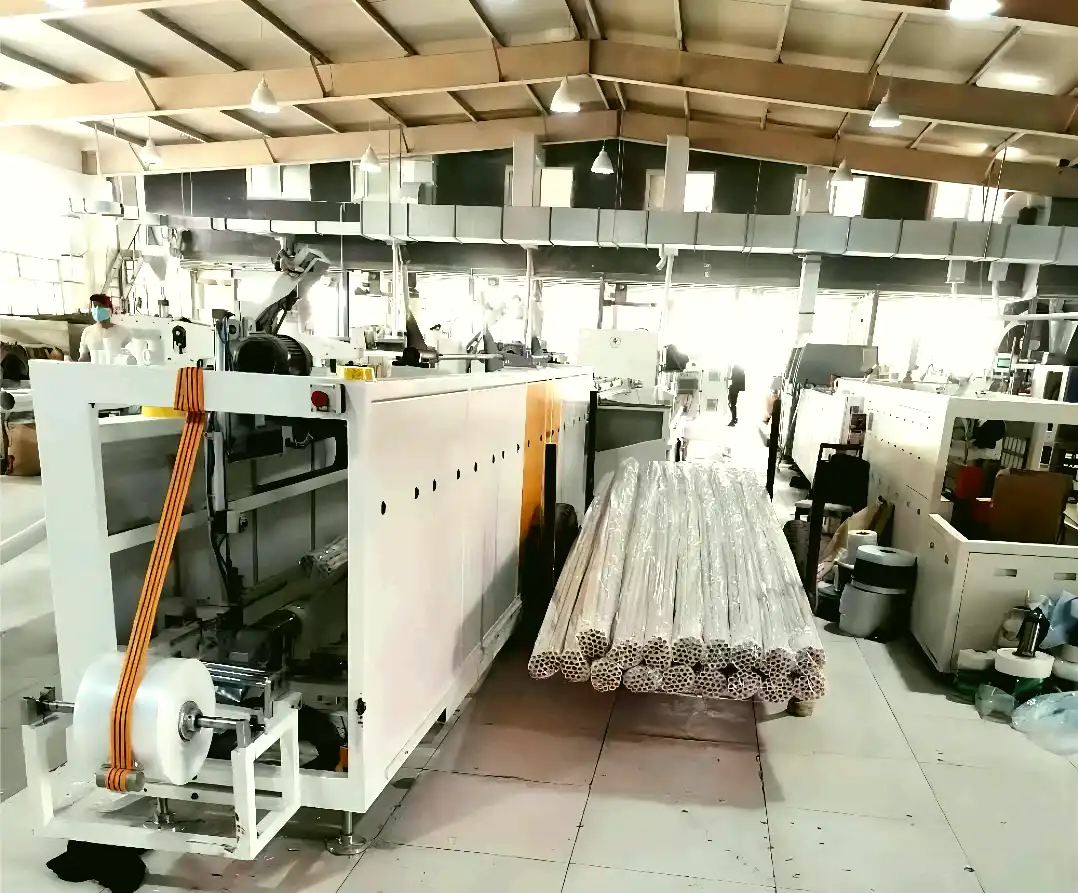
Customization, flexibility, and scalability are paramount. A supplier should be able to tailor the machine to your specific pipe sizes, bundling requirements, and production volume. Scalability ensures the machine can grow with your business, adapting to increasing demands without needing a complete overhaul.
Maximizing ROI Through Flexible Configuration
Flexibility in machine configuration is essential for optimizing return on investment (ROI) in pipe bundling machinery. By tailoring the machine to specific operational needs, businesses can achieve greater efficiency, reduce waste, and minimize downtime, all of which contribute to improved profitability.
- Material Compatibility: Ensure the machine is compatible with various strapping materials such as steel, PET, PP, or composite straps.
- Bundle Size and Weight Capacity: Machines that can handle a wide range of pipe diameters and bundle weights offer greater versatility.
- Cycle Time and Throughput: Faster cycle times result in higher throughput, improving overall productivity.
- Integration Capabilities: Compatibility with existing ERP, MES, and automation systems ensures seamless data exchange.
- Ergonomics and Safety: User-friendly interfaces and safety features reduce the risk of accidents.
4. After-Sales Service and Support
Even the best machines require maintenance and occasional repairs. Reliable after-sales service minimizes downtime and ensures continued productivity.
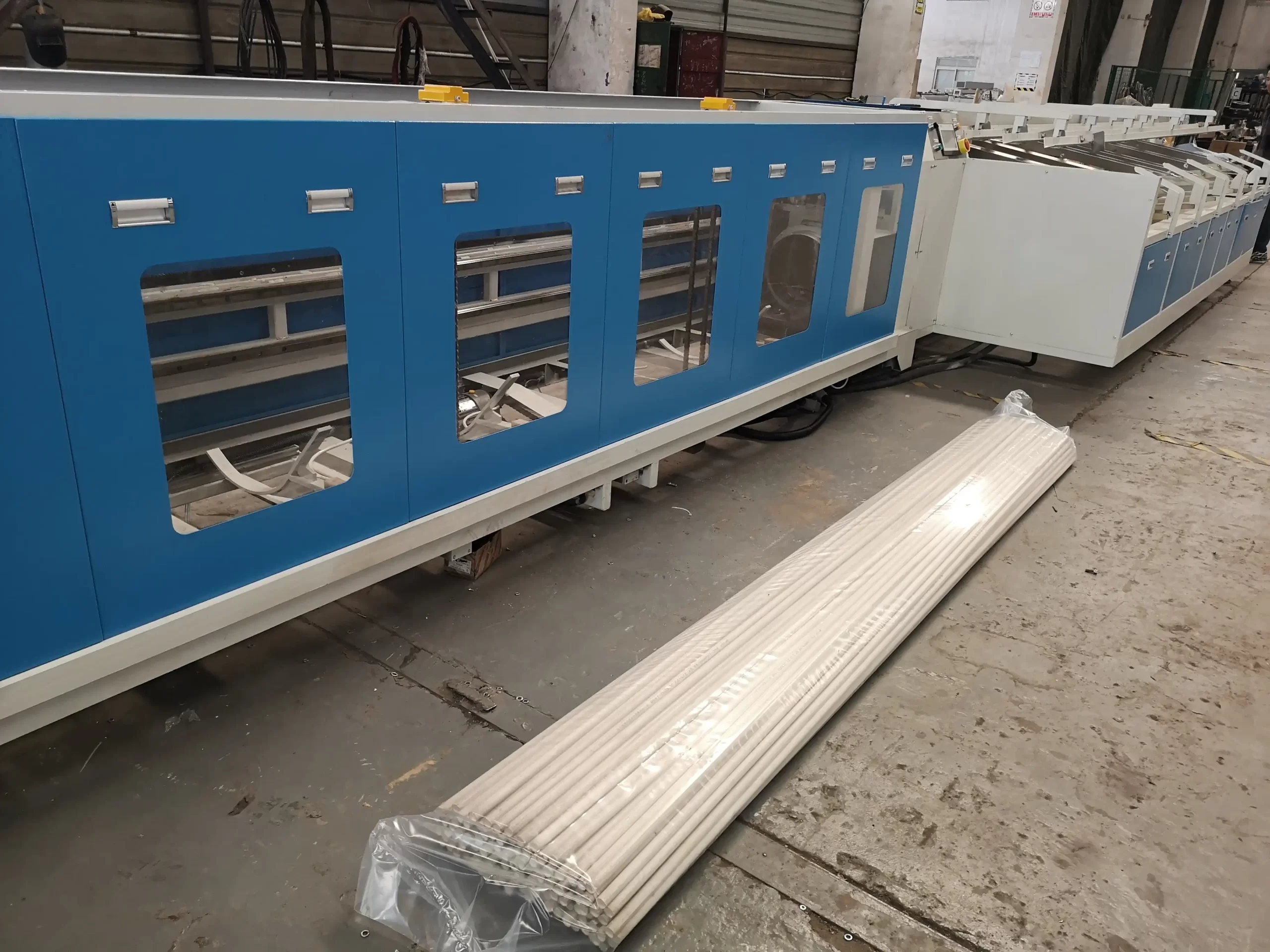
After-sales service and support are non-negotiable. Look for suppliers offering comprehensive maintenance programs, readily available spare parts, and responsive technical support. A supplier’s commitment to after-sales service can significantly impact the long-term value and reliability of your investment.
Service Matters: Quantifiable Metrics
Service matters when evaluating pipe bundling machine suppliers. You can use the following metrics to measure supplier effectiveness.
- Response Time: Measure how quickly the supplier responds to service requests, whether for technical support or spare parts. A supplier that offers 24/7 support with a guaranteed response time is highly desirable.
- Spare Parts Availability: Assess the supplier’s inventory of spare parts and their ability to ship parts quickly. Local warehousing of critical components can significantly reduce downtime.
- Training Programs: Determine the availability and quality of training programs for machine operators and maintenance personnel. Comprehensive training ensures that your staff can effectively operate and maintain the equipment.
- Preventive Maintenance: Inquire about preventive maintenance programs offered by the supplier. Regular maintenance helps identify and address potential issues before they lead to breakdowns, minimizing downtime and extending the life of the machine.
- Remote Support: Evaluate the supplier’s ability to provide remote support and diagnostics. Remote access to the machine’s control system allows technicians to troubleshoot issues, install updates, and provide guidance without the need for on-site visits.
- Service Level Agreements (SLAs): Review the terms and conditions of the supplier’s SLAs, including uptime guarantees, response times, and penalties for non-compliance. A well-defined SLA provides assurance that the supplier is committed to meeting your service requirements.
5. Cost and Value
While cost is important, it shouldn’t be the sole deciding factor. Focus on the overall value, considering the machine’s lifespan, efficiency, and the supplier’s support.
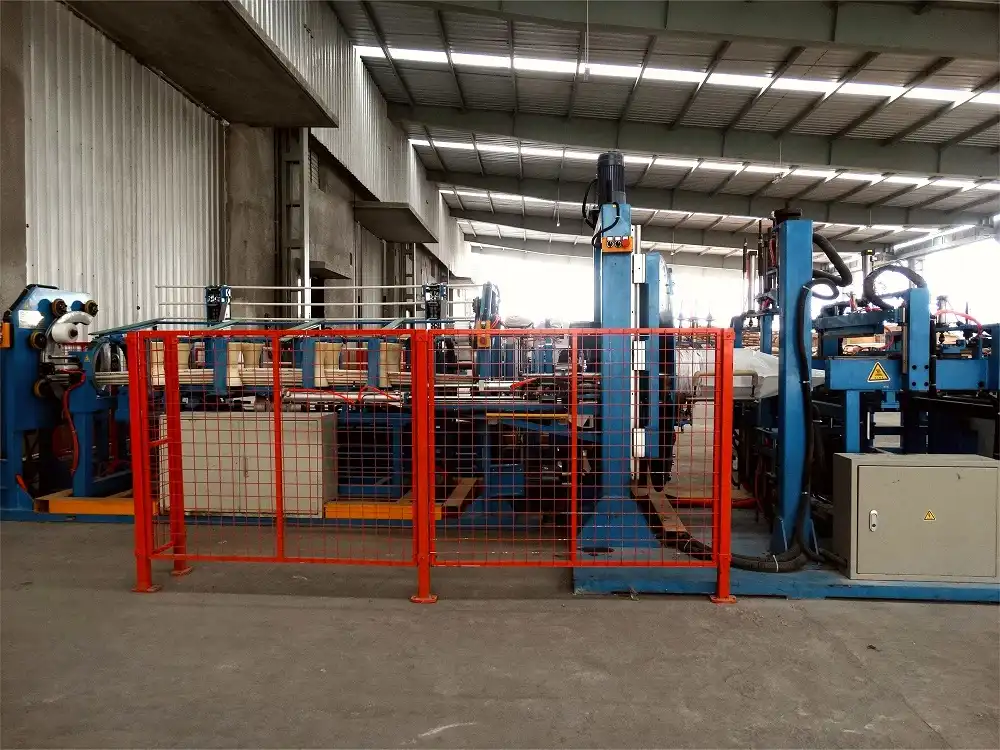
Evaluate cost in relation to the machine’s features, performance, and long-term reliability. A cheaper machine with frequent breakdowns and poor support will ultimately cost more than a higher-priced machine that offers consistent performance and excellent service. Consider the total cost of ownership.
Conducting a thorough evaluation of pipe bundling machine suppliers is crucial for ensuring long-term success in your operations. By carefully considering factors such as experience, machine quality, customization options, after-sales service, and cost-effectiveness, you can make an informed decision that aligns with your specific needs and budget.








