
What Are the Key Factors in Evaluating Pipe Bundling Machine Suppliers for Quality?
Choosing the right pipe bundling machine supplier is crucial for ensuring efficient and reliable packaging. The supplier you select significantly impacts the quality of your final product bundles, operational efficiency, and overall costs.

Evaluating pipe bundling machine suppliers involves assessing several key factors. These include the supplier’s experience and reputation, the quality and reliability of their machines, their customization capabilities, after-sales service and support, and the overall cost-effectiveness of their solutions. A thorough assessment ensures a successful partnership.
Selecting a pipe bundling machine supplier isn’t just about finding the lowest price; it’s about investing in a partnership that will support your business for years to come. Let’s delve into these factors in detail to guide your decision.
1. Assessing Experience and Reputation
The supplier’s history and standing in the industry provide valuable insights into their reliability and expertise. Look for suppliers with a proven track record of delivering high-quality machines and excellent customer service.
Experience and reputation are paramount. A supplier with years of experience and positive client testimonials indicates reliability. Look for case studies, client reviews, and industry recognition to gauge their standing. A seasoned supplier is more likely to deliver a quality machine and reliable support.
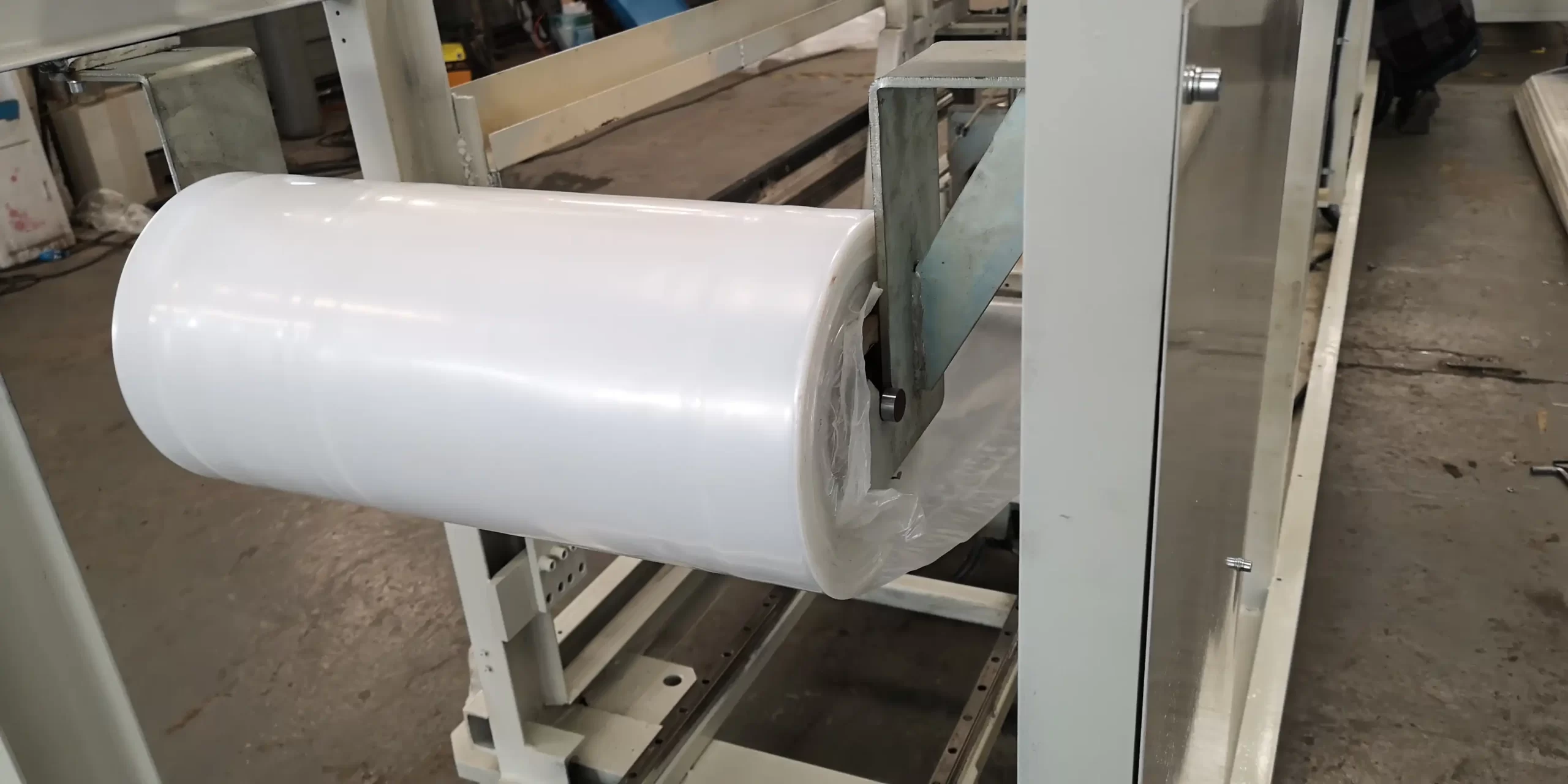
1.1 Diving Deeper: How to Validate a Supplier’s Reputation
Beyond surface-level research, verifying a supplier’s reputation requires a multifaceted approach. It’s not just about reading testimonials; it’s about understanding the context behind them and looking for patterns that indicate consistent quality. We can scrutinize their industry presence and customer feedback and assess their stability and reliability.
1.1.1 Checking Industry Presence and Certifications
A reputable supplier actively participates in industry events and holds relevant certifications. For example, ISO certifications demonstrate a commitment to quality management systems. Membership in industry associations also signals credibility and adherence to best practices.
1.1.2 Analyzing Customer Feedback and Case Studies
Customer testimonials are valuable, but they should be examined critically. Look for specific details about the machine’s performance, the supplier’s responsiveness, and the overall satisfaction level. Case studies that demonstrate the supplier’s ability to solve complex packaging challenges are particularly compelling.
1.1.3 Assessing Financial Stability and Longevity
A financially stable supplier is more likely to provide long-term support and honor warranty commitments. Research the supplier’s financial history and look for signs of growth and investment in their business. A supplier that has been in business for many years is also more likely to have a solid reputation and a proven track record.
1.1.4 Quantifying Reputation: A Comparative Table
To objectively assess a supplier’s reputation, consider creating a table that compares them across key metrics:
| Metric | Supplier A | Supplier B | Supplier C |
|---|---|---|---|
| Years in Business | 20 | 10 | 5 |
| ISO Certifications | ISO 9001 | None | ISO 9001 |
| Customer Testimonials | 4.5/5 | 4/5 | 3.5/5 |
| Case Studies | 5 | 2 | 0 |
| Industry Memberships | 3 | 1 | 0 |
This table provides a clear and concise way to compare suppliers and identify those with the strongest reputations.
By taking a comprehensive approach to assessing experience and reputation, you can significantly reduce the risk of choosing a supplier that doesn’t meet your needs.
2. Evaluating Machine Quality and Reliability
The quality and reliability of the pipe bundling machine directly impact your production efficiency and long-term costs. A well-built machine minimizes downtime, reduces maintenance expenses, and ensures consistent performance.
Machine quality is key. Assess the materials used, construction methods, and technology employed. Look for durable components, robust designs, and user-friendly interfaces. A reliable machine minimizes downtime and ensures consistent performance, leading to long-term cost savings and efficient pipe packaging solutions.
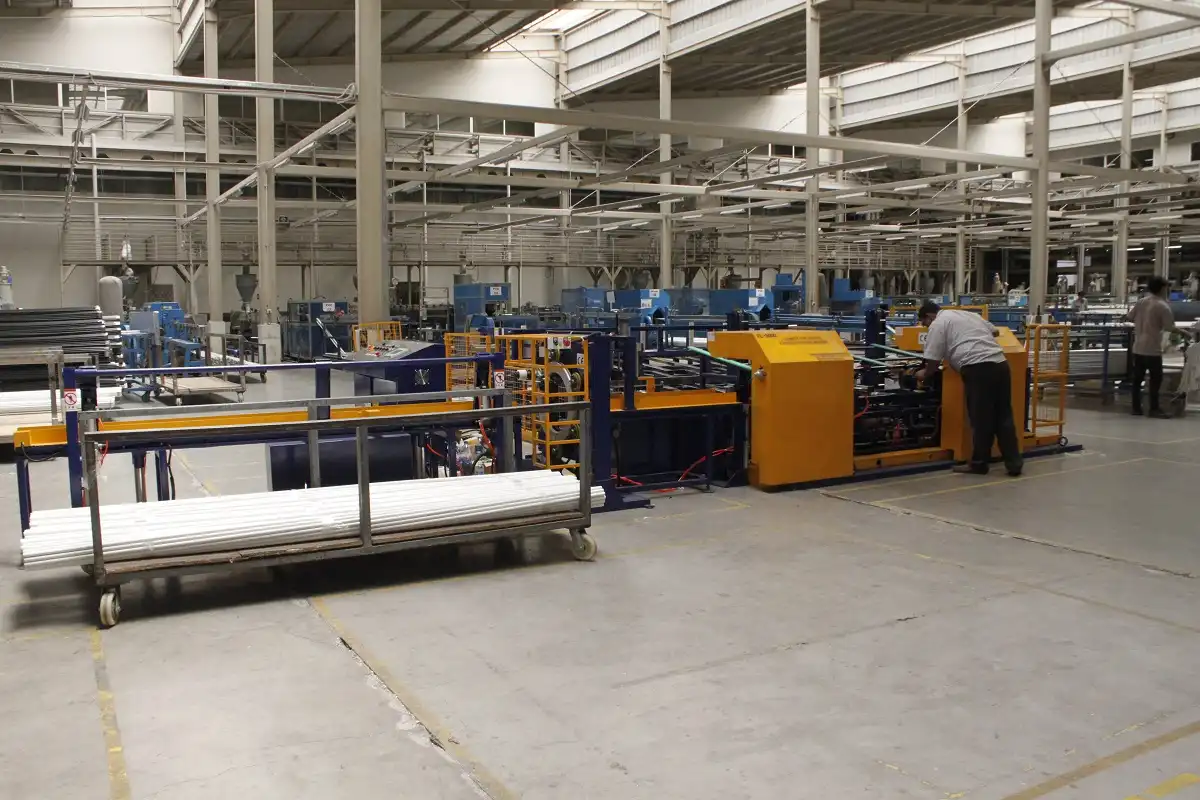
2.1 Tech Deep Dive: Understanding the Core Components and Design
To effectively evaluate machine quality and reliability, it’s crucial to understand the underlying technology and design principles.
2.1.1 Analyzing the Control Systems and Automation
Modern pipe bundling machines rely on sophisticated control systems and automation to ensure precise and efficient operation. Key aspects to consider include:
- Programmable Logic Controllers (PLCs): The PLC is the brain of the machine, controlling all aspects of the bundling process. Look for PLCs from reputable brands with robust programming capabilities.
- Sensors and Feedback Systems: Accurate sensors and feedback systems are essential for monitoring the bundling process and making real-time adjustments.
- Human-Machine Interface (HMI): The HMI allows operators to monitor and control the machine. A user-friendly HMI can improve efficiency and reduce the risk of errors.
2.1.2 Assessing the Mechanical Design and Materials
The mechanical design and materials used in the machine’s construction directly impact its durability and reliability. Consider the following factors:
- Frame Construction: The frame should be made from heavy-duty steel and designed to withstand the stresses of continuous operation.
- Moving Parts: Look for components made from high-quality materials with precision machining to minimize wear and tear.
- Surface Treatment: The machine should be properly painted or coated to protect it from corrosion and wear.
2.1.3 Performance Metrics: Quantifying Reliability
Reliability is often measured using metrics such as Mean Time Between Failures (MTBF) and Mean Time To Repair (MTTR).
- MTBF: The average time between failures. A higher MTBF indicates greater reliability.
- MTTR: The average time it takes to repair a failure. A lower MTTR indicates easier maintenance and faster recovery.
It’s important to ask suppliers for data on these metrics to get a clear picture of the machine’s reliability.
2.1.4 Detailed Component Analysis
| Component | Quality Indicator |
|---|---|
| PLC | Brand reputation, programming capabilities |
| Sensors | Accuracy, response time |
| Frame | Material thickness, welding quality |
| Moving Parts | Material, precision machining |
By examining these core components and design elements, you can gain a deeper understanding of the machine’s quality and reliability, ensuring a sound investment.
3. Customization Capabilities and Flexibility
Every pipe manufacturing operation has unique needs. A supplier that offers customization options can tailor the machine to your specific pipe sizes, bundling requirements, and production environment.
Customization is vital. A supplier should offer tailored solutions to match your specific pipe sizes and bundling needs. Flexibility in machine design and configuration ensures seamless integration with your existing production line, maximizing efficiency and minimizing downtime.
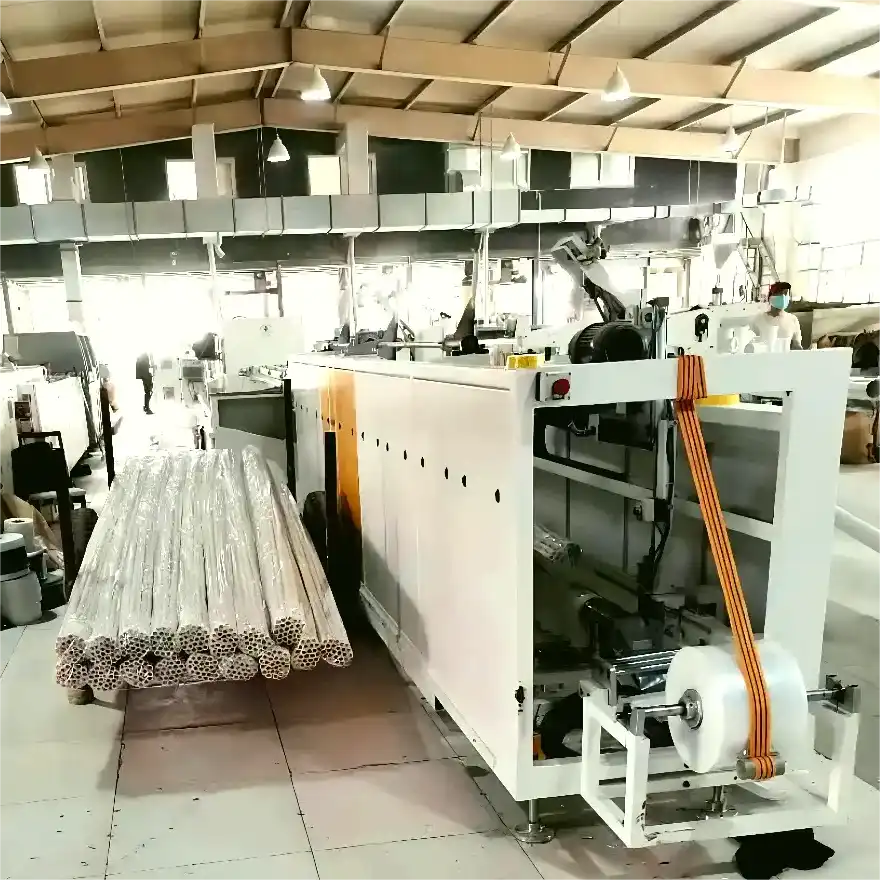
3.1 Adaptive Engineering: Tailoring the Machine to Your Specific Needs
The ability to adapt and customize a pipe bundling machine is a critical aspect of ensuring it fits seamlessly into your production line and meets your specific requirements. Let’s explore this further.
3.1.1 Assessing Customization Options
Consider the following customization options:
- Pipe Size and Shape: Can the machine handle a range of pipe sizes and shapes, including round, square, and rectangular pipes?
- Bundling Configuration: Can the machine be configured to create different bundle sizes and shapes?
- Integration with Existing Equipment: Can the machine be easily integrated with your existing conveyors, cutting machines, and other equipment?
3.1.2 The Role of Software and Controls
The software and control systems play a crucial role in enabling customization. Look for machines with flexible software that allows you to:
- Adjust bundling parameters: Adjust the number of pipes per bundle, the strapping tension, and other parameters to meet your specific needs.
- Create custom bundling programs: Create and save custom bundling programs for different pipe sizes and shapes.
- Monitor performance: Track the machine’s performance and identify areas for improvement.
3.1.3 Table: Matching Customization to Specific Needs
| Requirement | Impact | Supplier Evaluation Criteria |
|---|---|---|
| Diverse Pipe Sizes | Adaptability to varying product dimensions | Range of adjustable settings, quick changeover mechanisms |
| Specific Bundle Configurations | Meeting custom packaging demands | Programmable bundling patterns, flexible strapping/banding options |
| Seamless Line Integration | Minimizing disruptions, optimizing flow | Compatibility with existing conveyors, PLC integration capabilities |
3.1.4. Evaluating Engineering Design for Customization
| Aspect | Key Questions | Evaluation Criteria |
|---|---|---|
| Modular Design | Is the machine built with modular components? | Ease of component swapping, scalability for future needs |
| Software Flexibility | How customizable is the machine’s software? | API availability, custom scripting support, user-friendly interface |
| Material Handling | Can the machine handle different pipe materials? | Adjustability of gripping mechanisms, material-specific handling options |
By carefully assessing these aspects, you can identify suppliers that offer the customization capabilities and flexibility you need to optimize your pipe bundling process.
4. After-Sales Service and Support
Even the best machines require maintenance and occasional repairs. A supplier that provides excellent after-sales service and support can minimize downtime and ensure your machine operates at peak performance.
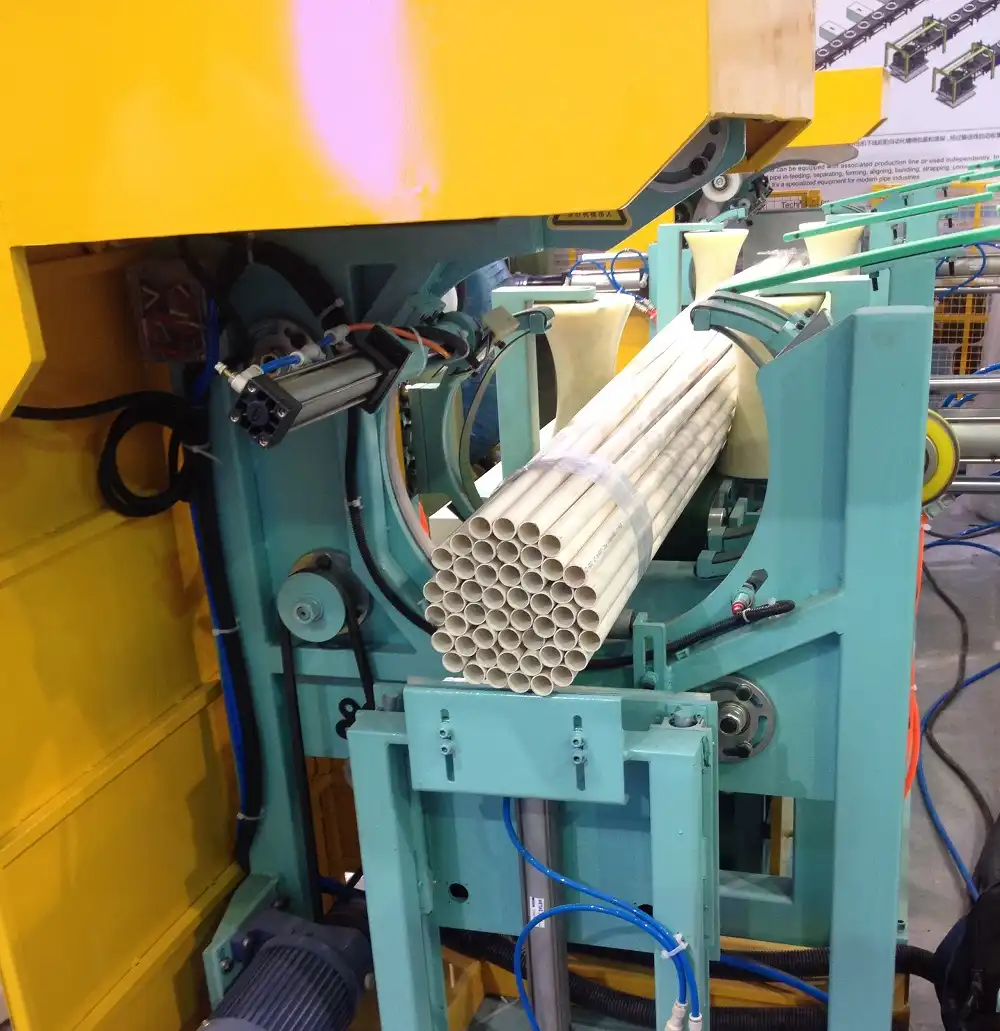
Excellent after-sales service is critical for minimizing downtime. Look for suppliers offering comprehensive support, including training, maintenance, and readily available spare parts. A responsive service team ensures your machine operates efficiently, reducing disruptions and maximizing productivity for your pipe packaging solutions.
4.1 Long-Term Partnership: The Importance of Ongoing Support
Ensuring a smooth operation goes beyond just purchasing a machine. The after-sales service and support from the supplier are crucial for the long-term reliability and efficiency of your investment.
Answering the Key Questions
- Training and Installation Support: Does the supplier provide comprehensive training for your operators and technicians? Is professional installation assistance available to ensure proper setup and integration?
- Maintenance and Repair Services: What types of maintenance services are offered? Is there a local service team available for quick response times?
- Spare Parts Availability: Are spare parts readily available, or will there be long lead times? Does the supplier offer a spare parts inventory program?
- Technical Support: Is technical support available by phone, email, or on-site? What are the typical response times?
4.1.1 Service Level Agreements (SLAs)
A Service Level Agreement (SLA) outlines the level of service you can expect from the supplier. SLAs typically include metrics such as response time, uptime guarantee, and resolution time. Review the SLA carefully to ensure it meets your needs.
4.1.2 Onsite Service
| Service Type | Description | Importance |
|---|---|---|
| Onsite Technician | A skilled technician visits your facility to diagnose and repair equipment. | Reduces downtime, expert problem solving, essential for complex repairs |
| Training Programs | Comprehensive training for your staff on operating, maintaining, and troubleshooting the machine. | Enhances operational efficiency, minimizes human error, extends equipment lifespan |
| Spare Parts Supply | Ready availability of essential spare parts to minimize downtime during repairs. | Quick repairs, avoids prolonged stoppages, critical for maintaining production levels |
By thoroughly investigating the after-sales service and support offerings, you can make an informed decision and secure a partnership that ensures the long-term success of your pipe bundling operation.
Conclusion
Choosing the right pipe bundling machine supplier is a critical decision that can significantly impact your business. By carefully evaluating the supplier’s experience, machine quality, customization capabilities, after-sales service, and cost-effectiveness, you can make an informed choice and ensure a successful partnership. Remember to prioritize long-term value over short-term savings and look for a supplier that is committed to supporting your business for years to come.








