
What Are the Key Factors in Evaluating Pipe Bundling Machine Suppliers for Quality?
Selecting the right pipe bundling machine supplier is crucial for ensuring efficient and high-quality pipe packaging solutions. This decision impacts operational efficiency, product integrity, and overall profitability.
When evaluating pipe bundling machine suppliers, key factors include their experience and reputation, the quality and reliability of their machines, the level of customization they offer, their after-sales service and support, and the overall cost-effectiveness of their solutions. Thoroughly assessing these aspects is essential for making an informed choice.
Choosing the ideal supplier requires careful consideration of multiple factors. Let’s delve into the critical aspects that will guide you in selecting a pipe bundling machine supplier who can deliver quality and reliability for your specific needs.
1. Assessing Experience and Reputation of Pipe Bundling Machine Suppliers
A supplier’s experience and reputation are strong indicators of their ability to deliver high-quality pipe bundling machines. It’s essential to verify their track record and industry standing.
Evaluate pipe bundling machine suppliers by examining their history, customer reviews, and industry recognition. A reputable supplier will have a proven record of delivering reliable and efficient bundling solutions, positive feedback from past clients, and recognition for excellence within the pipe manufacturing industry.
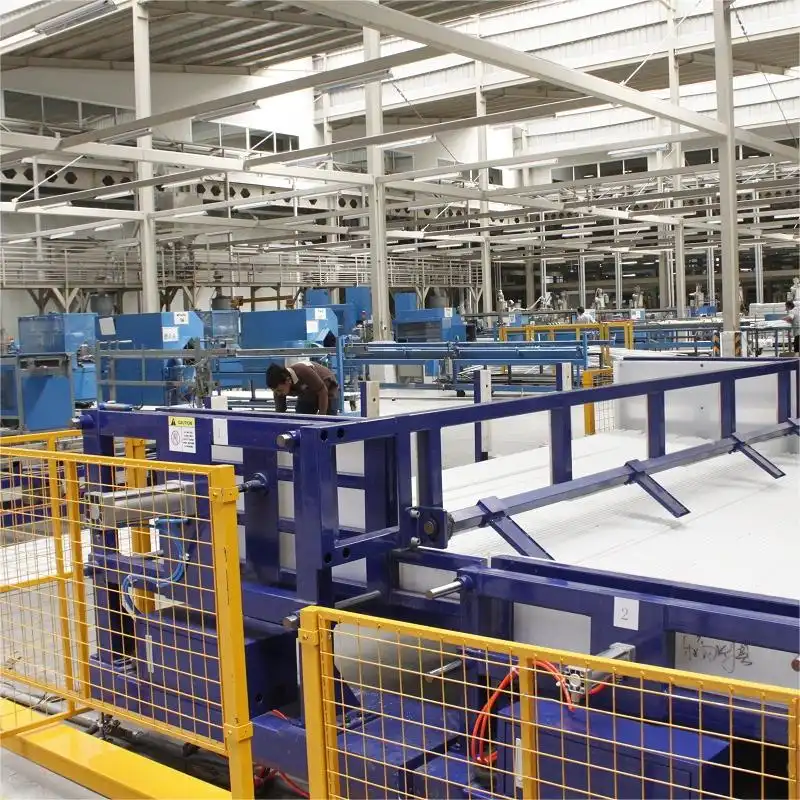
Deep Dive: Verifying Supplier Credibility and Long-Term Viability
To ensure you’re partnering with a reliable supplier, consider these points:
Due Diligence: Checking Supplier Credentials
Begin by conducting thorough due diligence on potential suppliers. This involves verifying their business registration, certifications, and industry affiliations. A legitimate supplier should readily provide this information. Look for certifications such as ISO 9001, which indicates a commitment to quality management systems. Check with industry associations to confirm their membership and standing. This step ensures that the supplier meets basic operational and quality standards.
Customer Testimonials: Analyzing Feedback and Case Studies
Customer testimonials and case studies offer invaluable insights into a supplier’s performance and reliability. Seek out feedback from companies with similar operational needs to yours. Pay attention to comments on machine performance, ease of use, maintenance requirements, and the supplier’s responsiveness to support requests. Case studies that detail specific challenges and solutions provided by the supplier can highlight their problem-solving abilities and commitment to customer satisfaction. A pattern of positive feedback indicates a trustworthy and capable supplier.
Financial Stability: Evaluating Long-Term Sustainability
Assessing a supplier’s financial stability is crucial for ensuring their long-term viability and ability to support your operations. Request financial statements or credit reports to evaluate their financial health. A financially stable supplier is more likely to invest in research and development, maintain adequate inventory of spare parts, and provide ongoing support. Instability could lead to delays in delivery, limited support, or even business closure, which can disrupt your production.
Site Visits and Audits: Observing Operations Firsthand
Whenever possible, conduct site visits and audits of potential suppliers. This allows you to observe their manufacturing processes, quality control measures, and overall operational efficiency firsthand. Pay attention to the cleanliness and organization of their facilities, the skill and training of their workforce, and the technology they employ. An audit can also reveal whether the supplier adheres to safety and environmental standards. This direct observation provides a comprehensive understanding of their capabilities and commitment to quality.
By using these methods, you can get a more complete and confident view of a possible supplier, lowering the risks of choosing one that can’t deliver what they promise.
| Factor | Importance | Description |
|---|---|---|
| Business Registration & Certifications | High | Verifies the legitimacy of the supplier and their adherence to industry standards. |
| Customer Testimonials & Case Studies | High | Provides insights into real-world performance and customer satisfaction, highlighting strengths and weaknesses. |
| Financial Statements & Credit Reports | Medium | Indicates the supplier’s financial health and long-term viability, ensuring they can support your operations. |
| Site Visits & Audits | High | Allows direct observation of manufacturing processes, quality control measures, and operational efficiency. |
2. Assessing the Quality and Reliability of Pipe Bundling Machines
The quality and reliability of pipe bundling machines directly affect your production efficiency and the integrity of your bundled products. Therefore, careful consideration of these factors is crucial.
When evaluating pipe bundling machine suppliers, focus on the build quality, materials used, technological features, and performance metrics of their machines. High-quality machines should offer precision, durability, and consistent performance, minimizing downtime and ensuring efficient bundling.
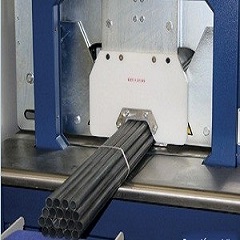
Tech Deep Dive: Key Machine Features and Performance Benchmarks
Evaluating the technological sophistication of pipe bundling machines is crucial. Here’s a breakdown:
- Automation Level: Assess the level of automation, from semi-automatic to fully automatic systems. Full automation reduces manual labor and increases throughput.
- Control Systems: Look for user-friendly interfaces and programmable logic controllers (PLCs) that allow for precise adjustments and monitoring.
- Sensor Integration: Advanced sensors for accurate pipe detection, alignment, and bundle counting improve reliability and reduce errors.
- Material Compatibility: The machine should handle various pipe materials (PVC, PPR, PE) and sizes without causing damage.
- Cycle Time: Check the machine’s cycle time to ensure it meets your production volume requirements.
- Bundle Dimensions: Ensure the machine can create bundles of the required dimensions and weight.
- Maintenance Needs: Consider the machine’s maintenance requirements and the availability of spare parts.
The best machines integrate advanced technology to improve efficiency, accuracy, and safety.
3. Customization and Flexibility Offered by Suppliers
The ability to customize pipe bundling machines to meet specific requirements is a significant advantage. Different production lines have different demands, making customization essential.
Evaluate pipe bundling machine suppliers based on their willingness and capability to provide tailored solutions. Suppliers should be able to adapt their machines to handle different pipe sizes, materials, and bundling configurations, ensuring seamless integration with your existing production line and optimized performance.
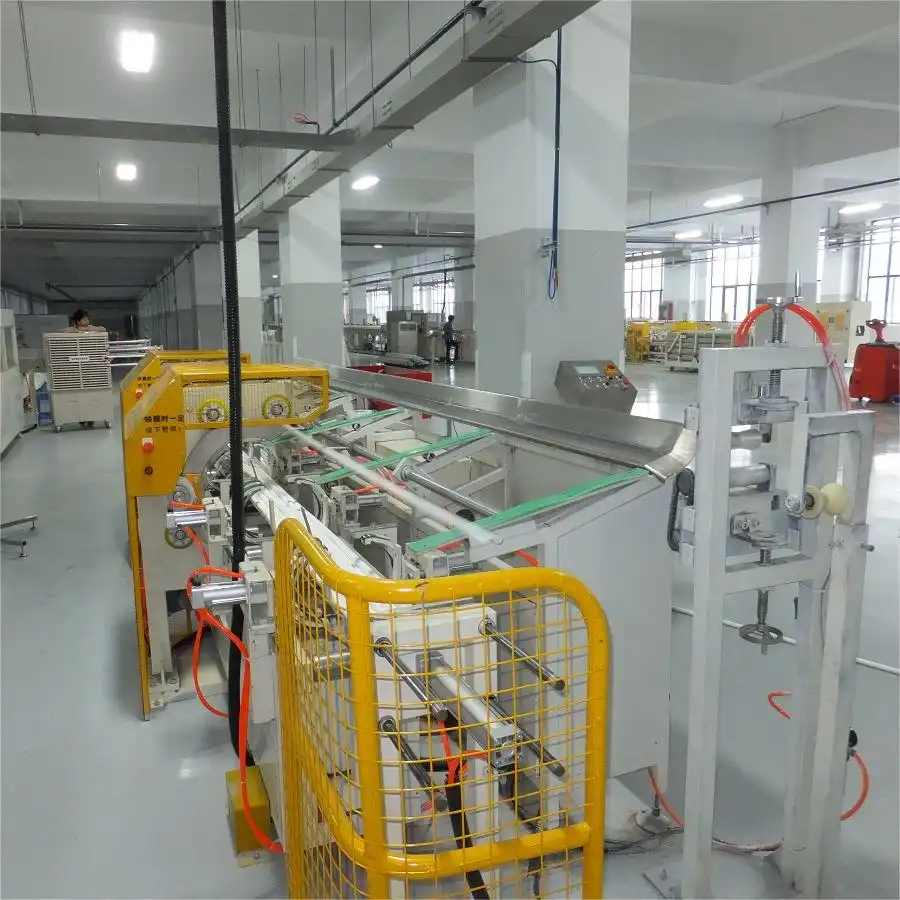
In-Depth Look: Customization Options and Their Impact
A supplier’s willingness to adapt is critical. Look for flexibility in:
Assessing Customization Capabilities
When evaluating suppliers, it’s crucial to assess their capabilities in providing customized solutions that align with your specific requirements. The pipe bundling machine industry serves diverse sectors, each with unique demands. Understanding these customization aspects can lead to a more efficient and tailored solution.
- Pipe Dimensions: Ensure the supplier can modify the machine to accommodate various pipe diameters and lengths, as well as different bundling configurations (e.g., round, hexagonal, square).
- Material Handling: Determine if the machine can handle different materials without causing damage, and if it can adapt to changes in material types easily.
- Integration with Existing Systems: Assess the supplier’s ability to integrate their machine with your current production line, including upstream and downstream equipment.
- Control Systems: Inquire about the level of customization available for the control systems, allowing you to adjust parameters such as bundling pressure, speed, and tension.
- Specific Industry Needs: Different industries (e.g., construction, agriculture, telecommunications) require specific bundling solutions. A supplier should be able to adapt their machines to meet these unique requirements.
- Scalability: Determine if the supplier can provide solutions that can be easily scaled up or down based on changes in production volume.
- Budget Constraints: Customization doesn’t always mean higher costs. Discuss your budget constraints with the supplier to find cost-effective solutions.
| Customization Aspect | Importance |
|---|---|
| Pipe Dimensions | Crucial for handling diverse pipe sizes and configurations |
| Material Handling | Essential for compatibility with different pipe materials |
| Integration with Existing Systems | Vital for seamless operation and optimized performance |
Adaptability in Design and Functionality
In addition to customization, adaptability in the design and functionality of pipe bundling machines is essential to address evolving industry needs. Look for suppliers who offer:
- Modular Design: Machines with modular designs allow for easy upgrades and modifications, reducing downtime and maintenance costs.
- Software Updates: Ensure the supplier provides regular software updates to improve machine performance, add new features, and address any bugs or issues.
- Remote Monitoring: Remote monitoring capabilities allow for real-time data analysis and proactive maintenance, reducing the risk of breakdowns and downtime.
- Automation Features: Suppliers should be able to integrate advanced automation features such as robotic loading and unloading, automatic strap tensioning, and automated quality control.
- Sustainability: Consider suppliers who incorporate sustainable practices into their machine designs, such as energy-efficient components and waste reduction measures.
- Flexibility in Bundling: Machines should be able to handle different bundling patterns, such as parallel, crossed, and layered bundles, based on customer preferences and requirements.
By seeking customization and adaptability, you can ensure that your pipe bundling machine meets your specific needs and continues to deliver high-quality performance.
4. After-Sales Service and Support
Reliable after-sales service and support are vital for ensuring the continued performance and longevity of your pipe bundling machine.
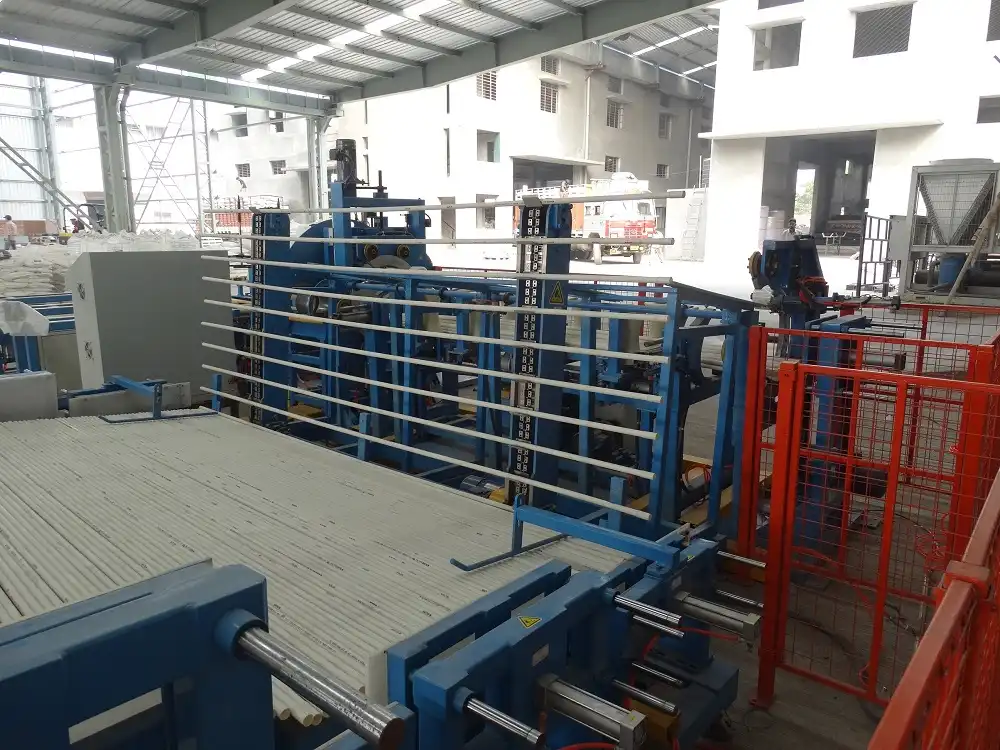
A strong after-sales service includes technical support, maintenance, and readily available spare parts.
Evaluate pipe bundling machine suppliers based on their after-sales service and support offerings. Essential elements include timely technical assistance, comprehensive maintenance programs, readily available spare parts, and training for your staff. A supplier with excellent support ensures minimal downtime and maximizes the machine’s lifespan. Prioritize suppliers offering responsive customer service and proactive maintenance plans for smooth operations and long-term reliability.
Key Elements of After-Sales Service and Support
- Technical Assistance: This includes troubleshooting, remote diagnostics, and on-site support to resolve technical issues promptly.
- Maintenance Programs: Regular maintenance schedules help prevent breakdowns and extend the lifespan of the machine.
- Spare Parts Availability: Quick access to spare parts minimizes downtime in case of component failure.
- Training Programs: Comprehensive training for your staff ensures they can operate and maintain the machine effectively.
- Customer Support Responsiveness: A responsive customer support team can quickly address any concerns or issues that arise.
Conclusion
Choosing the right pipe bundling machine supplier is a critical decision that significantly impacts your operational efficiency and product quality. By thoroughly assessing factors such as experience, machine quality, customization options, and after-sales support, you can make an informed choice. Partnering with a reliable supplier ensures seamless integration with your production line and long-term success. Consider investing in comprehensive pipe packaging solutions to optimize efficiency and maintain high standards.








