
What Are the Key Factors in Evaluating Packing Line Supplier Reliability?
Is your packing line a well-oiled machine or a source of constant headaches? The reliability of your packing line supplier can make or break your operations. Don’t let an unreliable supplier jeopardize your efficiency and profitability. Discover the key factors to ensure you choose the right partner.
Evaluating packing line supplier reliability involves assessing their quality assurance processes, delivery performance, customer support, financial stability, and industry reputation. A thorough evaluation ensures you partner with a supplier who can consistently meet your needs and minimize disruptions to your production line.
Choosing the right packing line supplier is crucial for maintaining smooth and efficient operations. Let’s delve into the key factors that determine supplier reliability and how to evaluate them effectively.
Ensuring Quality Assurance in Packing Line Equipment
Imagine your packing line grinding to a halt because of faulty equipment. The frustration, the delays, the lost revenue—it’s a nightmare scenario. Ensuring your supplier prioritizes quality is the first line of defense against such disasters.
Quality assurance in packing line equipment suppliers involves verifying certifications, reviewing quality control processes, and assessing their commitment to industry standards. By focusing on these key indicators, you can partner with a supplier who consistently delivers reliable and high-performance equipment.

Dive Deeper: Unpacking the Elements of Quality Assurance
How do you actually determine if a supplier is truly committed to quality? It’s more than just taking their word for it. It involves scrutinizing their processes, certifications, and track record. Let’s break down the critical elements:
Certifications and Standards
Does the supplier hold relevant certifications like ISO 9001? These certifications indicate adherence to internationally recognized quality management systems.
Quality Control Processes
What quality control measures are in place throughout the manufacturing process? Look for rigorous testing, inspection protocols, and clear documentation.
Materials and Components
Are high-quality materials and components used in the equipment? Inferior materials can lead to premature failure and costly downtime.
Manufacturing Processes
Are the manufacturing processes well-defined and controlled? Look for evidence of process optimization and continuous improvement efforts.
To illustrate the importance of these elements, consider the following comparison of two hypothetical suppliers:
| Quality Assurance Element | Supplier A | Supplier B |
|---|---|---|
| Certifications | ISO 9001 Certified | No Certifications |
| Quality Control Processes | Rigorous testing at each stage | Limited testing, primarily at the end |
| Materials and Components | High-grade, industry-standard | Lower-cost alternatives |
| Manufacturing Processes | Documented, optimized, and continuously improved | Informal, ad-hoc, and rarely updated |
| Defect Rate | Less than 1% | 5% or higher |
| Customer Complaints (per year) | 2 | 20 |
As the table clearly demonstrates, Supplier A, with its strong commitment to quality assurance, offers a far more reliable option than Supplier B. The higher initial cost of Supplier A’s equipment is likely to be offset by lower maintenance costs, reduced downtime, and improved overall performance in the long run.
Investing in a supplier with robust quality assurance practices is not just about avoiding headaches; it’s about maximizing the return on your investment and ensuring the long-term success of your packing line operations.
Evaluating Delivery Performance and Lead Times
Late deliveries can cripple your production schedule and leave you scrambling to meet deadlines. Can your supplier consistently deliver on time, every time? Don’t let unreliable delivery performance derail your operations.
Evaluating delivery performance involves assessing on-time delivery rates, lead time variability, and the supplier’s ability to adapt to changing demands. A reliable supplier will have a proven track record of meeting deadlines and minimizing disruptions to your supply chain.
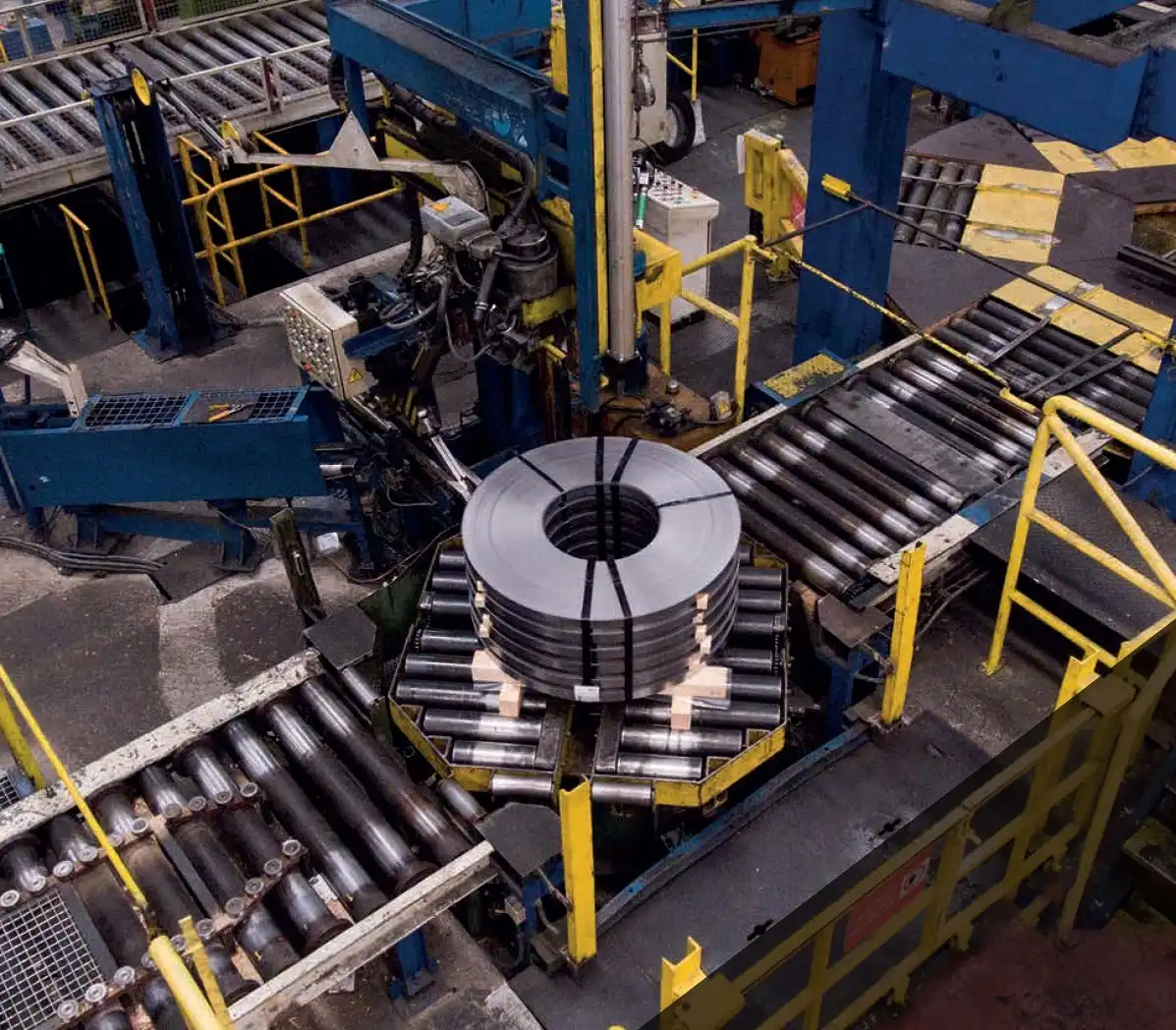
Ensuring Timely Delivery: More Than Just a Promise
Beyond simply stating they’ll deliver on time, how can you truly gauge a supplier’s delivery reliability? Here’s a deeper dive into the key aspects to consider:
- On-Time Delivery Rate (OTD): Request data on their historical OTD performance. A consistently high OTD rate (e.g., above 95%) is a good indicator.
- Lead Time Variability: How consistent are their lead times? Significant variability can make planning difficult. Look for suppliers with predictable lead times.
- Communication and Transparency: Do they proactively communicate any potential delays or issues? Open and honest communication is crucial.
- Flexibility and Adaptability: Can they accommodate changes in order quantities or delivery schedules? A flexible supplier can help you navigate unforeseen circumstances.
- Logistics and Shipping Capabilities: Do they have a robust logistics network and experience shipping to your location?
Assessing Technical Support and Customer Service
Imagine your packing line breaks down in the middle of a crucial production run. Do you have confidence that your supplier will provide prompt and effective technical support? Don’t underestimate the importance of reliable customer service.
Assessing technical support involves evaluating responsiveness, expertise, and the availability of after-sales services. A reliable supplier will offer comprehensive support to ensure your equipment operates smoothly and any issues are resolved quickly.
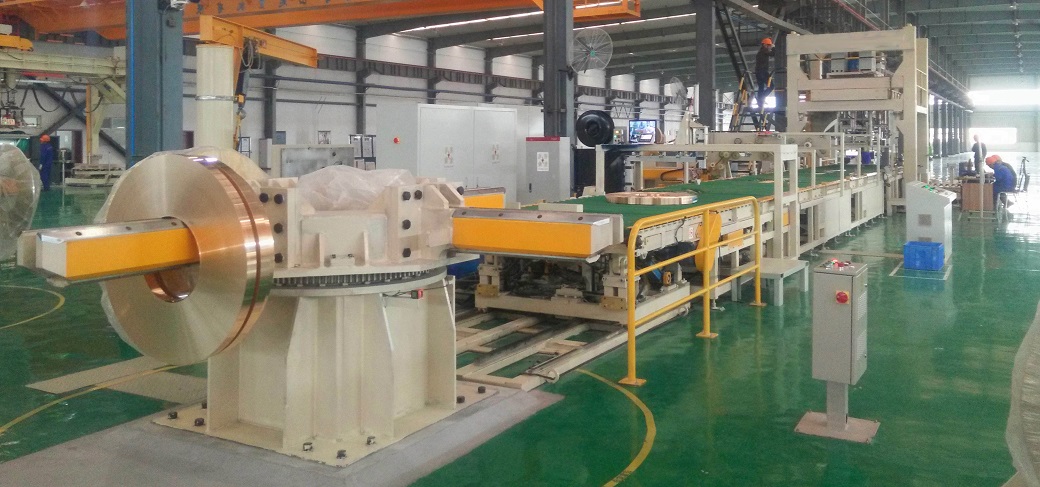
Unveiling the Depth of Technical Prowess
Technical support isn’t just about fixing problems; it’s about proactively ensuring your equipment operates at peak performance. Here’s a framework for evaluating a supplier’s technical capabilities:
Responsiveness and Availability
- Response Time: How quickly do they respond to inquiries or support requests?
- Availability: Is support available 24/7, or only during limited hours?
- Communication Channels: Do they offer multiple channels for support, such as phone, email, and online chat?
Expertise and Knowledge
- Technical Proficiency: Are their support technicians knowledgeable and experienced in the specific equipment you’re using?
- Training Programs: Do they offer training programs for your staff to ensure they can properly operate and maintain the equipment?
- Documentation: Do they provide comprehensive documentation, including manuals, troubleshooting guides, and FAQs?
After-Sales Services
- Maintenance Agreements: Do they offer preventative maintenance agreements to minimize downtime?
- Spare Parts Availability: Can they readily supply spare parts to ensure quick repairs?
- Remote Support: Do they offer remote support capabilities to diagnose and resolve issues remotely?
To illustrate the impact of these factors, let’s compare the technical support offerings of three different suppliers:
| Feature | Supplier A | Supplier B | Supplier C |
|---|---|---|---|
| Response Time | Within 1 hour | Within 24 hours | Within 48 hours |
| Availability | 24/7 | Business hours only | Limited hours |
| Expertise | Highly experienced technicians | General technicians | Limited expertise |
| Training | Comprehensive training programs | Basic training | No training offered |
| Documentation | Extensive documentation | Limited documentation | Minimal documentation |
| Spare Parts | Readily available | Limited availability | Difficult to obtain |
| Remote Support | Yes | No | No |
As the table shows, Supplier A offers the most comprehensive technical support, ensuring minimal downtime and maximum equipment performance.
Assessing Financial Stability and Risk Management

- Financial Statements: Request and review the supplier’s financial statements, including balance sheets, income statements, and cash flow statements.
- Credit Ratings: Check the supplier’s credit ratings from reputable agencies.
- Insurance Coverage: Verify that the supplier has adequate insurance coverage, including liability and property insurance.
- Risk Management Plans: Ask about the supplier’s risk management plans and contingency strategies for handling disruptions.
- Compliance: Ensure the supplier complies with industry standards and regulations.
- References: Contact other customers to gather feedback about the supplier’s reliability and financial stability. Analyzing a supplier’s financial stability and risk management practices is critical for ensuring they can meet your packing line needs reliably.
Conclusion
Evaluating packing line supplier reliability is essential for ensuring smooth and efficient operations. By carefully assessing quality assurance, delivery performance, technical support, financial stability, and risk management, businesses can partner with suppliers who consistently meet their needs. Remember, choosing a reliable coil packing line supplier is an investment in the long-term success of your business.








