

What Are the Key Considerations for PVC Pipe Bagging Machine Installation?
Installing a PVC pipe bagging machine demands careful planning. Initial considerations involve system compatibility and space assessments. Overlooking these can lead to operational bottlenecks and increased downtime. Proper preparation ensures seamless integration, boosting efficiency and throughput.
Key considerations for PVC pipe bagging machine installation include assessing mechanical, electrical, and software compatibility. Ensure physical dimensions fit the existing layout, voltage matches, and control systems synchronize. Proper planning minimizes disruption and optimizes system efficiency.
Integrating a PVC pipe bagging machine into your production line requires a strategic approach. By understanding these critical considerations, you can ensure a smooth and effective installation, leading to increased productivity and minimal downtime.

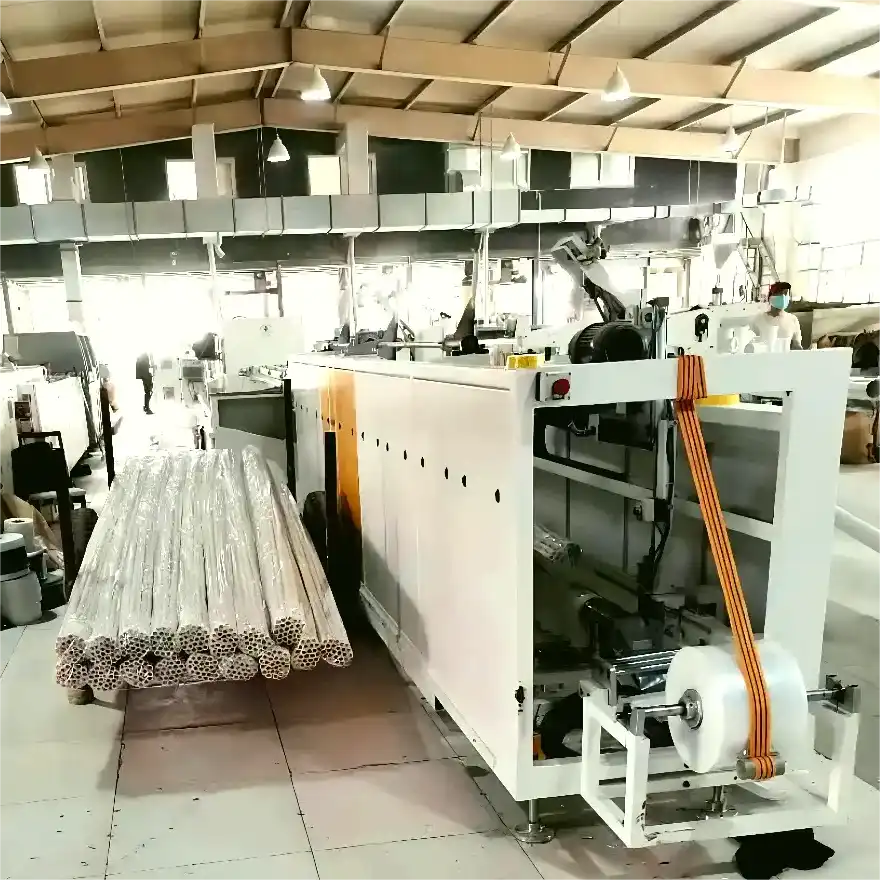
1. Assessing Mechanical Compatibility
Ensuring seamless mechanical integration is crucial for a successful PVC pipe bagging machine installation. It involves detailed planning and precise execution to enhance the production line’s overall flow and efficiency.
Mechanical compatibility is primarily about physical fit. Assess available space, conveyor heights, and pipe transfer mechanisms. Verify physical dimensions and interfaces to prevent layout disruptions. Proper preparation ensures seamless integration, minimizes downtime, and maximizes productivity.

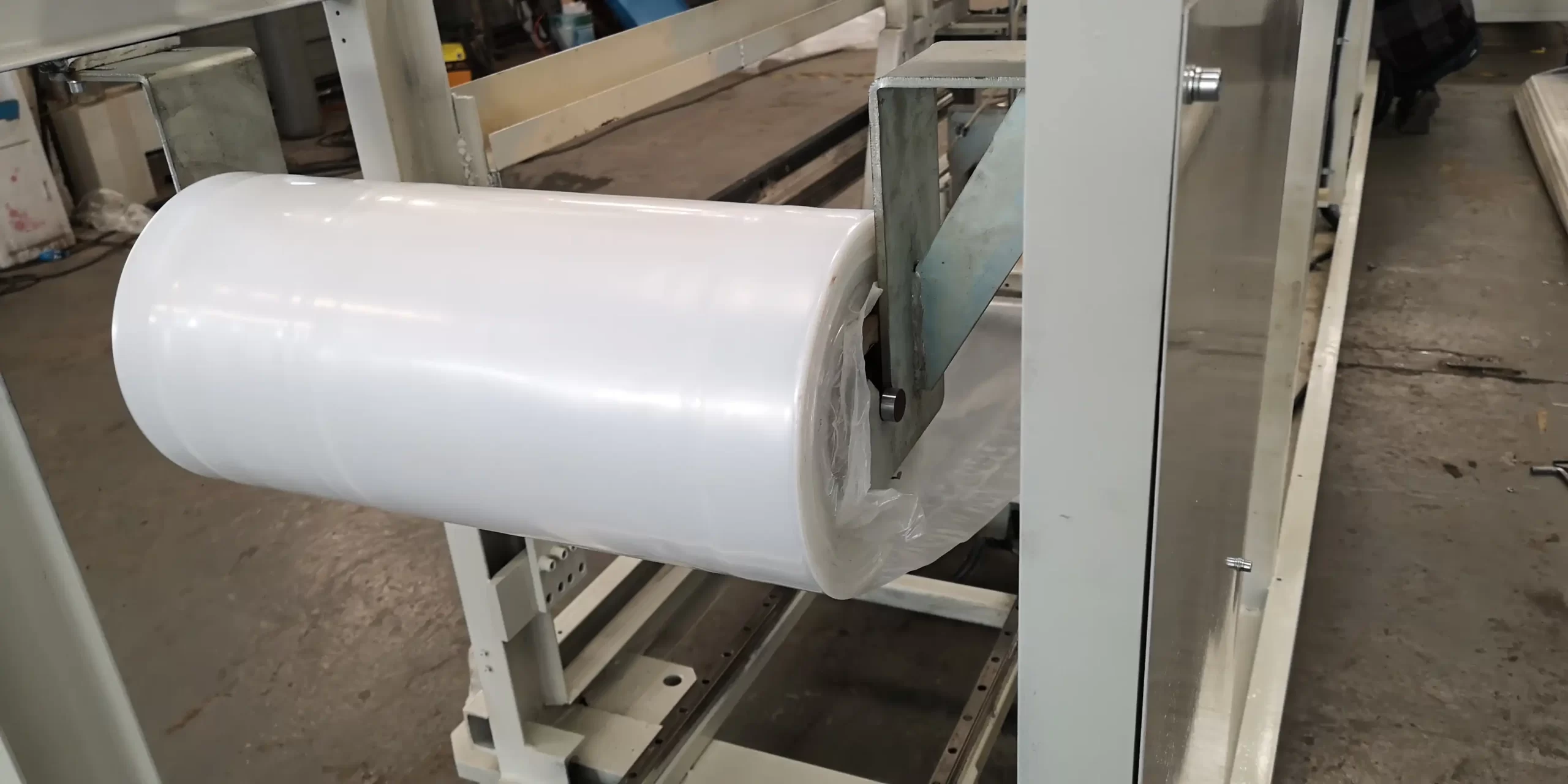
Key Considerations for Seamless Mechanical Integration
Achieving seamless mechanical integration involves detailed planning and precise execution. It’s not just about fitting the machine into the space; it’s about ensuring it enhances the overall flow and efficiency of the production line.
1.1 Physical Dimensions and Space Requirements
The first step is to meticulously measure the available space. This includes not just the footprint of the machine but also the overhead clearance and surrounding areas required for operation and maintenance. Consider:
-
Machine Footprint: Measure the length, width, and height of the new machine.
-
Operational Space: Account for space needed for operators to move around, access controls, and perform maintenance.
-
Safety Clearances: Ensure adequate safety clearances around moving parts and emergency stops.
1.2 Conveyor and Transfer System Alignment
The integration of the new machine with existing conveyor and transfer systems is critical for continuous operation. Key factors to consider include:
-
Height Alignment: Verify that the infeed and outfeed heights of the new machine align with the existing conveyors. Height discrepancies can cause jams, damage pipes, and disrupt flow.
-
Transfer Mechanisms: Evaluate the transfer mechanisms. How will pipes be moved from the existing system to the new machine and back? Common solutions include roller conveyors, belt conveyors, and pneumatic systems. Ensure these are compatible.
-
Pipe Diameter and Weight: Ensure the transfer system can handle the range of PVC pipe diameters and weights that your facility processes. Overloading the system can lead to failures.
1.3 Material Handling and Support
Proper material handling and support are essential to prevent damage and ensure consistent feeding. This includes:
-
Infeed and Outfeed Support: Adequate support structures should be in place to prevent pipes from sagging or bending as they enter and exit the machine.
-
Cushioning and Protection: Implement cushioning materials or mechanisms to prevent scratches or damage to the pipes during handling.
-
Jam Detection: Integrate sensors and jam detection systems to automatically stop the machine in case of issues, preventing further damage.
1.4 Addressing Challenges
Even with careful planning, challenges may arise during mechanical integration. Understanding these potential issues and planning for them ahead of time can minimize downtime.
Challenge Solution Misalignment of Conveyors Use adjustable conveyor sections to fine-tune height and alignment. Consider custom-built transfer sections to bridge significant gaps. Space Constraints Reconfigure the existing layout, explore vertical integration, or opt for a more compact machine design. Pipe Damage During Transfer Implement cushioned transfer mechanisms, reduce transfer speeds, and ensure smooth transitions. Inconsistent Pipe Feeding Install sensors to detect pipe presence and adjust feeding speeds. Implement a buffer system to ensure a consistent supply of pipes. 2. Electrical and Control System Integration
Seamless electrical and control system integration is vital for a PVC pipe bagging machine, as it enables effective communication between the new machine and existing systems, which is essential for smooth operation.
Electrical and control system compatibility involves matching voltage, current, and wiring configurations. Control system integration requires understanding communication protocols and software synchronization, to minimize conflict and ensure efficient production.
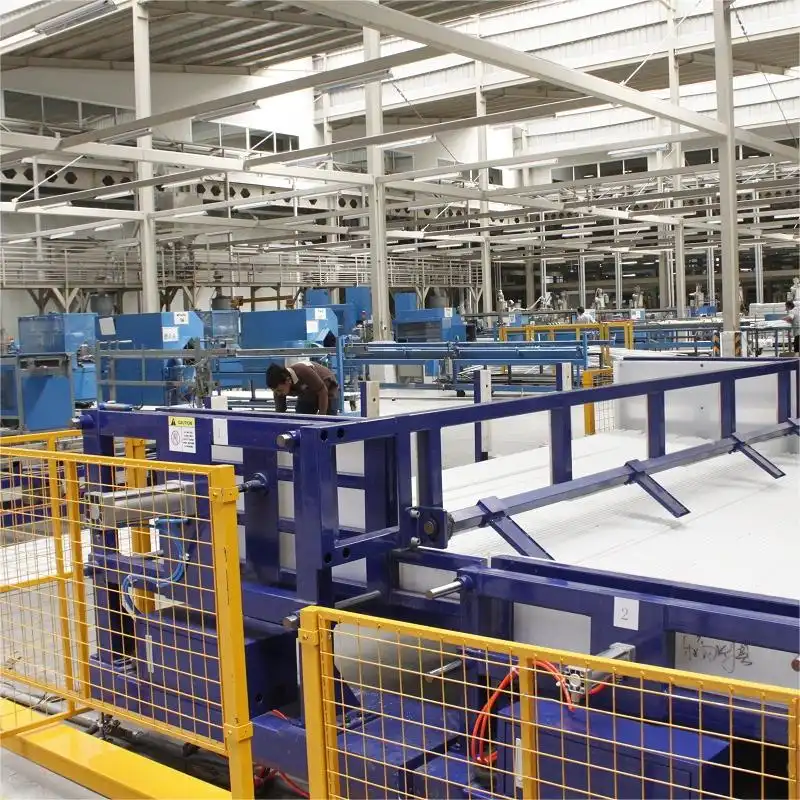
PVC pipe bagging machine installation, considerations, plastic packaging solutions Ensuring Seamless Electrical and Control System Integration
A PVC pipe bagging machine’s electrical and control systems must integrate with existing infrastructure to avoid operational conflicts and maximize efficiency. This involves careful consideration of power requirements, communication protocols, and software compatibility.
2.1 Electrical System Requirements
Matching the electrical system requirements is fundamental for safe and reliable operation.
-
Voltage Compatibility: Verify the machine’s voltage requirements (e.g., 220V, 480V) and ensure they match your facility’s electrical supply. Installing a transformer may be necessary if there’s a mismatch.
-
Current Capacity: Check the machine’s current draw and ensure your electrical circuits can handle the load. Overloading circuits can cause breakers to trip or, worse, electrical fires.
-
Wiring Configurations: Confirm the wiring configurations (e.g., three-phase, single-phase) are compatible. Incorrect wiring can damage the machine.
-
Safety Compliance: Ensure the machine meets all relevant electrical safety standards (e.g., UL, CE). Look for certifications that guarantee adherence to these standards.
2.2 Control System Synchronization
Integrating the control system allows the new machine to communicate with existing equipment, creating a cohesive production line. Key elements include:
-
Communication Protocols: Identify the communication protocols used by your existing systems (e.g., Ethernet/IP, Profinet, Modbus). The new machine’s controller must support these protocols for seamless data exchange.
-
Software Compatibility: Ensure the new machine’s software is compatible with your existing Manufacturing Execution System (MES) or Enterprise Resource Planning (ERP) systems. Data synchronization is crucial for monitoring performance and tracking production.
-
PLC Integration: Programmable Logic Controllers (PLCs) often manage automated systems. If your facility uses PLCs, ensure the new machine can be integrated into the PLC network.
-
Sensor Synchronization: Integrate sensors to provide real-time feedback and coordination between the new and existing machines. This can optimize material flow and prevent bottlenecks.
2.3 Power Management and Surge Protection
Electrical systems must also be protected from voltage fluctuations and power surges. Key precautions:
-
Surge Suppressors: Install surge suppressors to protect sensitive electronic components from voltage spikes.
-
Voltage Regulators: Use voltage regulators to stabilize voltage levels, especially in areas with unreliable power.
-
Emergency Power-Off (EPO) Systems: Integrate the new machine into your facility’s EPO system for quick and safe shutdowns during emergencies.
2.4 Addressing Integration Challenges
Electrical and control system integration can present unique challenges. Here are some common issues and their solutions:
Challenge Solution Protocol Mismatches Use protocol converters or gateways to translate between different communication protocols. Work with a qualified integrator to configure these devices properly. Software Incompatibilities Update existing software to support the new machine, or use middleware to bridge the gap. Custom software development may be necessary in some cases. Electrical Overloads Upgrade electrical circuits or distribute the load. Consult with an electrical engineer to ensure your facility’s electrical system can handle the new machine’s power requirements. Interference Issues Use shielded cables and filters to minimize electromagnetic interference (EMI). Ensure proper grounding to prevent ground loops. 3. Adhering to Integration Guidelines
Successful integration of a PVC pipe bagging machine goes beyond technical specifications. Following best practices ensures a smooth and efficient installation process.
Integration guidelines include pre-installation checks, sequential implementation, comprehensive testing, and thorough documentation. Following these guidelines provides a structured approach to manage risks, streamline the installation, and optimize the PVC pipe bagging systems performance.
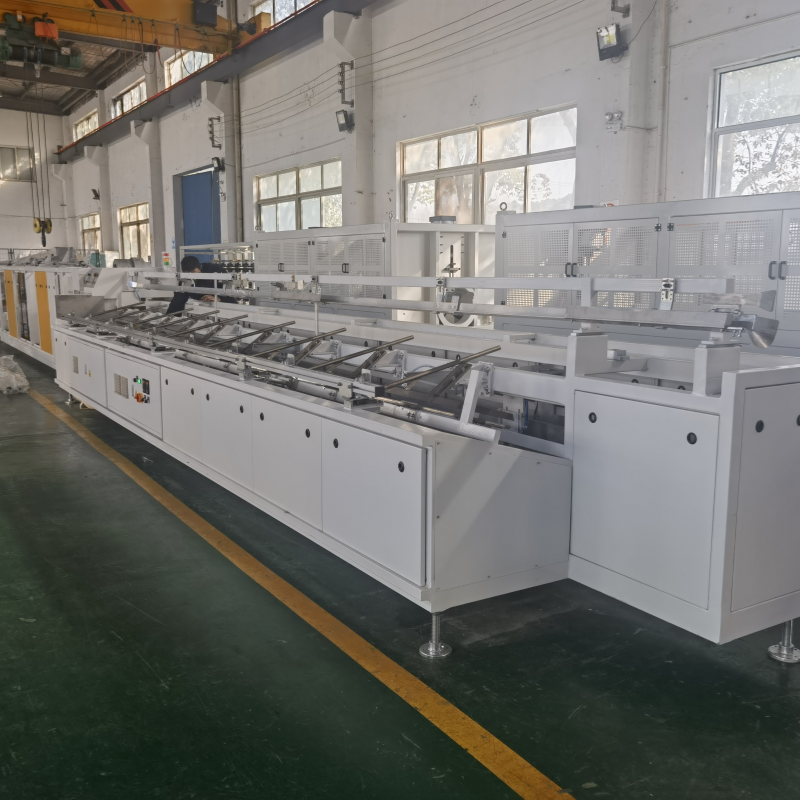
PVC pipe bagging machine installation, considerations, plastic packaging solutions Streamlining Integration through Strategic Guidelines
To guarantee the successful integration of a PVC pipe bagging machine, adhering to specific guidelines is essential. These guidelines encompass careful planning, structured implementation, rigorous testing, and meticulous documentation.
3.1 Pre-Installation Assessments
Thorough assessments prior to installation lay the foundation for a seamless integration. This includes:
-
Detailed Site Survey: Conduct a detailed site survey to identify any physical constraints, electrical infrastructure limitations, or environmental factors that may impact the installation.
-
Compatibility Checklists: Develop checklists to verify the compatibility of all mechanical, electrical, and software interfaces.
-
Risk Assessment: Perform a risk assessment to identify potential integration challenges and develop mitigation strategies.
3.2 Sequential Implementation
A phased implementation approach minimizes disruptions and allows for early detection of issues. Common phases include:
-
Preparation: Prepare the site, including any necessary modifications to the layout, electrical systems, or support structures.
-
Installation: Install the machine according to the manufacturer’s specifications.
-
Testing: Conduct initial testing to verify basic functionality.
-
Integration: Integrate the machine with existing systems.
-
Optimization: Fine-tune the machine settings and system parameters to achieve optimal performance.
3.3 Comprehensive Testing
Rigorous testing at each stage of implementation is critical for identifying and addressing issues early on. This includes:
-
Functional Testing: Verify that all machine functions are operating correctly.
-
Performance Testing: Evaluate the machine’s performance under load, including throughput, accuracy, and efficiency.
-
Integration Testing: Test the integration with existing systems to ensure seamless communication and data exchange.
-
Stress Testing: Subject the machine to prolonged periods of operation to identify potential weaknesses or failure points.
3.4 Documentation and Training
Thorough documentation and adequate training are essential for long-term success. This includes:
-
Detailed Manuals: Ensure comprehensive operation, maintenance, and troubleshooting manuals are available.
-
Training Programs: Conduct training programs for operators and maintenance staff to ensure they are proficient in using and maintaining the machine.
-
Version Control: Implement version control for software and configurations to manage changes and prevent compatibility issues.
4. The Importance of Regular Maintenance

PVC pipe bagging machine installation, considerations, plastic packaging solutions Regular maintenance is critical for ensuring the reliable and efficient operation of your PVC pipe bagging machine installation. It enhances machine reliability, extends its service life, and ensures consistent bagging efficiency. Proper maintenance prevents costly repairs and disruptions.
Maintenance enhances machine reliability and extends its service life. Regular inspections, lubrication, and component replacement reduce breakdowns. Preventative and reactive measures minimize downtime and increase productivity.
Preventive Maintenance: Implement a program that includes routine inspections, cleaning, and timely firmware updates. Regular checks of mechanical and electrical components can prevent costly failures. Cleaning removes buildup that can affect performance. Schedule firmware updates for seamless integration with existing systems.
Reactive Maintenance: Have a plan for unexpected breakdowns. This includes having a parts supplier on standby, maintaining an on-site inventory of wear-and-tear parts, and having qualified technicians available. Qualified personnel on staff or on call ensures that your system will be maintained by someone who understands its complexities.
Here’s a simplified maintenance program:
Task Frequency Description Visual Inspections Weekly Check for loose connections, worn components, and any signs of damage. Lubrication Monthly Lubricate moving parts as per manufacturer’s recommendations. Cleaning Monthly Remove dust, debris, and buildup from the machine. Pay special attention to sensors and moving parts. Component Replacement Annually Replace wear-and-tear parts like belts, filters, and sensors as needed. Firmware Updates Quarterly Schedule and implement any necessary firmware updates to maintain system compatibility and improve performance. By combining preventive and reactive maintenance strategies, you can minimize downtime and enhance the long-term productivity of your PVC bagging systems, and considering the plastic packaging solutions at time.
Conclusion
Ensuring a successful PVC pipe bagging machine installation involves addressing mechanical, electrical, and operational factors. Thorough assessments, strategic implementation, and proactive maintenance are key. A well-integrated machine optimizes production and enhances the reliability and longevity of your bagging processes. Neglecting these aspects can lead to operational inefficiencies and increased costs.












