
What Are the Environmental Considerations for PVC Pipe Storage?
Storing PVC pipes requires careful consideration to minimize environmental impact, from responsible material handling to preventing pollution. Proper storage practices are essential for maintaining sustainability and adhering to environmental regulations.
Environmental considerations for PVC pipe storage include preventing leaks of additives, minimizing space and resource usage, and ensuring proper disposal or recycling at the end of the pipes’ life. Implementing best practices in storage helps reduce the environmental footprint associated with PVC products throughout their lifecycle.
Transitioning into the specifics, let’s delve deeper into the crucial environmental aspects that businesses and individuals must address when storing PVC pipes.
Minimizing Additive Leaching During PVC Pipe Storage
PVC pipes, while lauded for durability and environmental advantages during use, contain additives that can pose environmental risks if leached during storage. Understanding and mitigating these risks is crucial for responsible sustainability.

While PVC itself boasts a lower environmental footprint compared to many alternatives, the additives within PVC formulations demand careful management, especially during storage. Let’s examine the types of additives and their potential environmental impacts in more detail.
Understanding PVC Additives and Their Environmental Implications
PVC’s versatility stems from additives like plasticizers, stabilizers, and pigments. However, some of these additives, particularly phthalates and heavy metal stabilizers used in older PVC formulations, raise environmental concerns due to their potential to leach and contaminate soil and water.
| Additive Type | Environmental Concern | Mitigation Strategies |
|---|---|---|
| Phthalate Plasticizers | Endocrine disruption, water and soil contamination | Use of high molecular weight phthalates, non-phthalate alternatives, proper containment |
| Heavy Metal Stabilizers | Soil and water toxicity, bioaccumulation | Transition to calcium-zinc stabilizers, proper recycling and disposal protocols |
| Flame Retardants | Persistence in the environment, potential toxicity | Use of less persistent alternatives, controlled storage to prevent release |
Modern PVC production is increasingly shifting towards less harmful additives. Calcium-zinc stabilizers are replacing heavy metals, and high molecular weight phthalates or non-phthalate plasticizers are becoming more common. However, legacy PVC pipes might still contain older formulations. Therefore, storage facilities must implement robust practices to manage potential leaching, irrespective of the additive type. This includes not only preventing direct release into the environment but also considering the long-term fate of these substances.
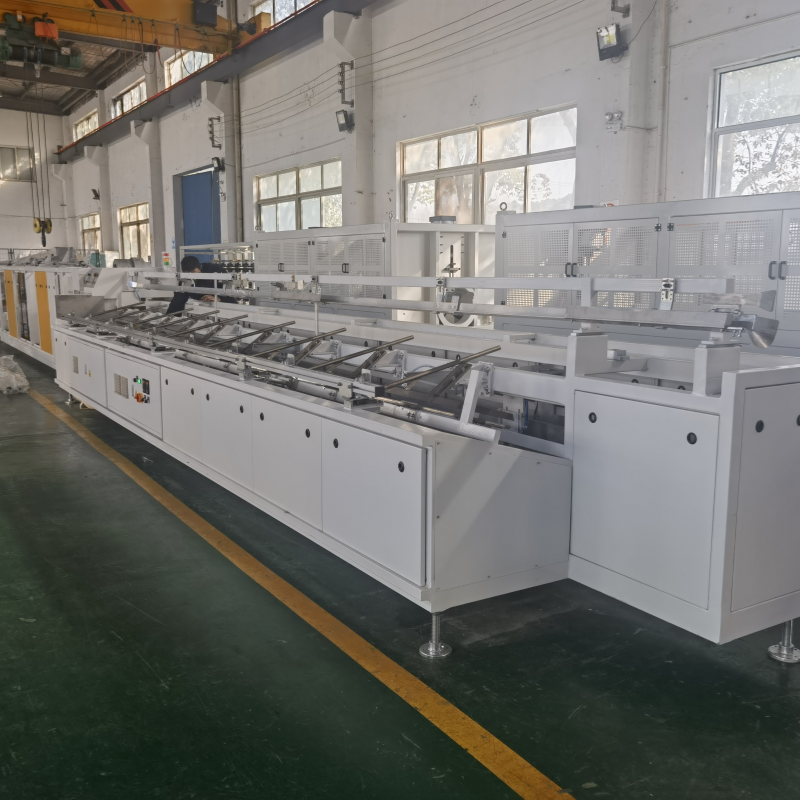
Optimizing Space and Resource Use in PVC Pipe Storage
Efficient storage of PVC pipes is not just about logistics; it’s also about minimizing environmental impact through optimized space and resource utilization. Poor storage can lead to wasted space, increased transportation needs, and material damage, all contributing to a larger environmental footprint.
Optimizing space and resource use in PVC pipe storage involves implementing vertical stacking systems to maximize storage density, utilizing automated storage and retrieval systems (AS/RS) to reduce space and energy consumption, and employing proper inventory management to minimize material waste and unnecessary transportation. These strategies contribute to a leaner, more environmentally conscious storage operation.
Space optimization in pipe storage facilities can significantly reduce land use and the need for expansive warehousing. Furthermore, efficient resource use minimizes waste generation and energy consumption. Let’s explore practical strategies and technologies for achieving this optimization.
Strategies and Technologies for Efficient PVC Pipe Storage
Beyond basic stacking, advanced strategies and technologies can dramatically improve space and resource efficiency in PVC pipe storage. These range from optimized layout designs to automated systems that minimize energy and material waste.
| Strategy/Technology | Environmental Benefit | Implementation Details |
|---|---|---|
| Vertical Stacking Systems | Maximized storage density, reduced land footprint | Utilizing racking systems, ensuring proper pipe support and stability |
| Automated Storage/Retrieval (AS/RS) | Reduced energy consumption, minimized space, faster retrieval, lower damage risk | Integration with inventory management systems, optimized algorithms for storage and retrieval paths, energy-efficient equipment |
| Optimized Layout Design | Reduced transportation distances within facility, streamlined material flow | Analysis of pipe flow, strategic placement of loading/unloading zones, minimizing aisle widths while maintaining safety |
| Inventory Management Software | Minimized material waste through accurate tracking, reduced overstocking, optimized stock rotation | Real-time inventory visibility, demand forecasting integration, automated alerts for low stock or expiration dates |
| On-Demand Cutting & Bundling | Reduced storage of pre-cut pipes, minimized cut-off waste | Integration with order processing, automated cutting and bundling machines based on specific order requirements |
By implementing these strategies, PVC pipe storage facilities can significantly reduce their environmental impact while improving operational efficiency. The initial investment in technologies like AS/RS can yield long-term savings in energy, space, and material costs, aligning economic and environmental goals.
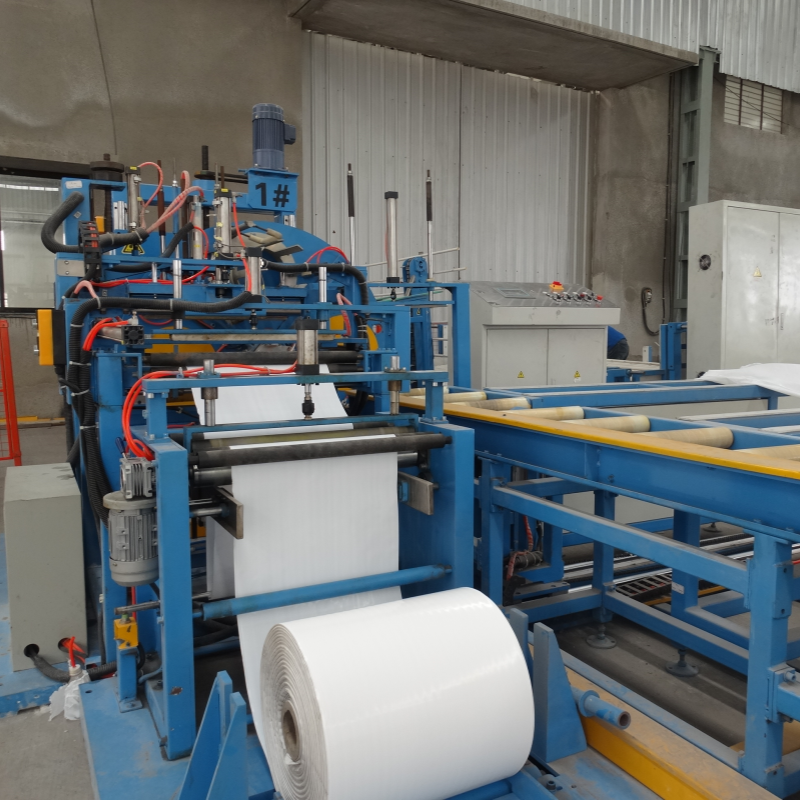
Ensuring Proper End-of-Life Management for Stored PVC Pipes
Even durable PVC pipes eventually reach the end of their service life or become obsolete due to project changes or damage during storage. Proper end-of-life management is crucial to prevent environmental harm and promote circularity.
Proper end-of-life management for stored PVC pipes involves prioritizing recycling whenever feasible, engaging with PVC recycling programs to ensure material recovery, and when recycling isn’t possible, disposing of pipes responsibly through incineration with energy recovery or as a last resort, in controlled landfills that prevent environmental contamination. This tiered approach minimizes environmental burden at the end-of-life stage.
While PVC is recyclable, the actual recycling rates vary depending on region and infrastructure. Furthermore, not all PVC waste is equally recyclable, especially if contaminated or heavily degraded. Let’s examine the available end-of-life pathways and their environmental implications.
- Recycling PVC Pipes: Mechanical recycling is the most common method, where PVC is shredded, cleaned, and reprocessed into new products. Chemical recycling, while less common, can break down PVC into its chemical building blocks for reuse. Recycling reduces landfill waste, conserves resources, and lowers the carbon footprint compared to virgin PVC production.
- Incineration with Energy Recovery: Modern incineration plants equipped with advanced emission control technologies can safely incinerate PVC, recovering energy in the process. This reduces landfill burden and provides a source of energy, but emissions need to be carefully managed.
- Landfilling as a Last Resort: While landfilling should be avoided if possible, controlled landfills designed to prevent leachate and gas emissions offer a safer disposal route than uncontrolled dumping. However, landfilling represents a loss of valuable material resources.
Choosing the most appropriate end-of-life pathway depends on factors like the condition of the PVC pipes, local recycling infrastructure, and regulations. Prioritizing recycling and energy recovery over landfilling is essential for minimizing the environmental impact of PVC pipe storage and use.
Regulatory Compliance and Best Practices in PVC Pipe Storage
Navigating the environmental considerations of PVC pipe storage also involves understanding and adhering to relevant regulations and industry best practices. Compliance ensures legal adherence and often aligns with environmentally sound practices.
Here are key aspects of regulatory compliance and best practices for PVC pipe storage:
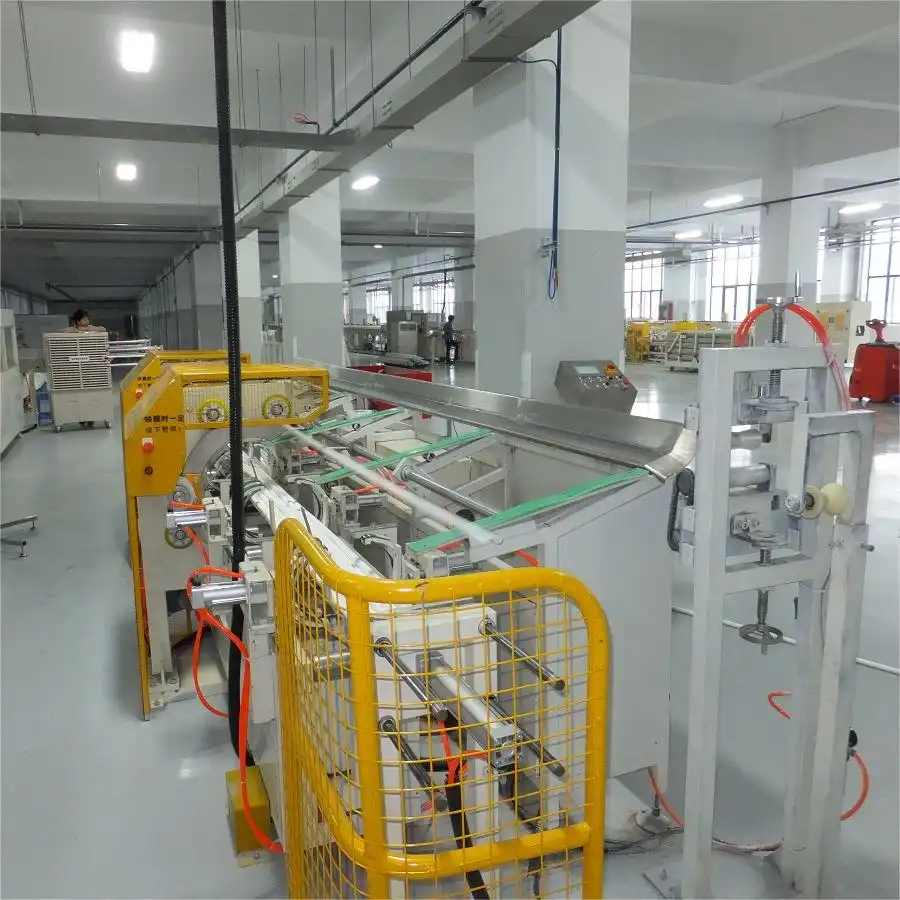
Compliance with environmental regulations mandates proper storage of PVC pipes to prevent soil and water contamination, adherence to waste disposal guidelines for PVC and related materials, and documentation of storage and disposal practices. Best practices further include implementing spill prevention and control measures, conducting regular environmental audits of storage facilities, and training personnel on responsible PVC handling and storage. These measures ensure operational accountability and minimize environmental risks beyond basic compliance.
-
Storage Regulations:
- Compliance: Local and national regulations regarding storage of plastics or chemicals, fire safety codes, building codes related to storage structures.
- Best Practices: Implement secondary containment for additives if stored separately, ensure proper ventilation in enclosed storage spaces, maintain clear signage and emergency response plans.
-
Waste Disposal Regulations:
- Compliance: Adherence to hazardous waste regulations if PVC waste is classified as such (depending on additives and local laws), proper segregation of recyclable PVC, compliance with landfill acceptance criteria.
- Best Practices: Establish partnerships with certified PVC recyclers, implement waste minimization programs, track PVC waste streams to ensure responsible disposal, explore options for closed-loop recycling.
-
Environmental Permits and Reporting:
- Compliance: Obtain necessary environmental permits for storage facilities, comply with reporting requirements related to emissions, waste generation, and resource consumption.
- Best Practices: Conduct regular environmental audits to assess compliance and identify improvement areas, implement an Environmental Management System (EMS) like ISO 14001, publicly report on sustainability performance.
By proactively addressing regulatory requirements and adopting best practices, PVC pipe storage operations can demonstrate environmental responsibility, mitigate risks, and contribute to a more sustainable future for the PVC industry.
Conclusion
Environmental considerations for PVC pipe storage are multifaceted, encompassing additive management, resource optimization, end-of-life strategies, and regulatory adherence. By implementing proactive measures in each of these areas, stakeholders can significantly minimize the environmental footprint associated with PVC pipes throughout their lifecycle. Embracing best practices not only ensures environmental compliance but also unlocks opportunities for greater efficiency, cost savings, and a stronger commitment to [Collection] in the broader context of material sustainability.








