
Efficient mold handling is crucial for any manufacturing setting. When considering mold flipping solutions, the main question is what options are available. The choices you make directly affect safety, efficiency, and the bottom line. Missteps cost time and money. Let’s delve into the possibilities for handling and flipping more effectively.
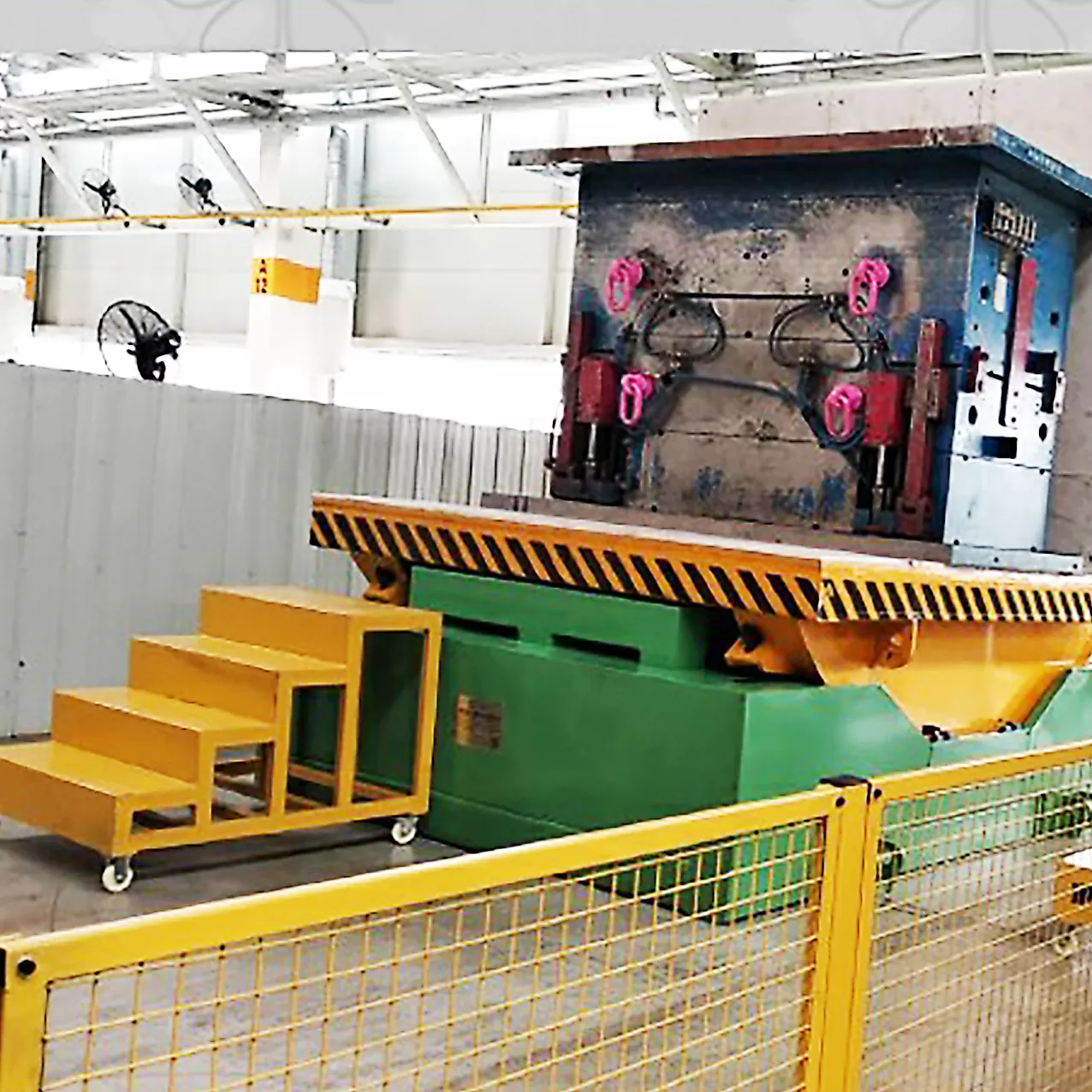
Mold flipping machines come in various forms, each tailored for specific needs. From manual units for smaller operations to automated options for high-volume industries, the selection is vast. Establish your priorities such as load capacity, flipping speed, and level of automation needed. The goal is to streamline your processes while ensuring safety and durability.
Choosing the right mold flipping machine is all about balance. You need effective flipping tech that complements your operations. Staying informed on the latest in automation can offer a competitive advantage. Let’s look deeper into one specific type to better understand the benefits and limitations they provide.
What Are Manual Mold Flipping Machines?
For small-scale operations, simplifying workflows can significantly affect outcomes. Manual mold flipping machines keep costs down while offering reliable solutions. They’re a good fit for businesses in the initial automation stage. Understanding what these manual options cover can guide you in deciding if they fit within your manufacturing game plan.
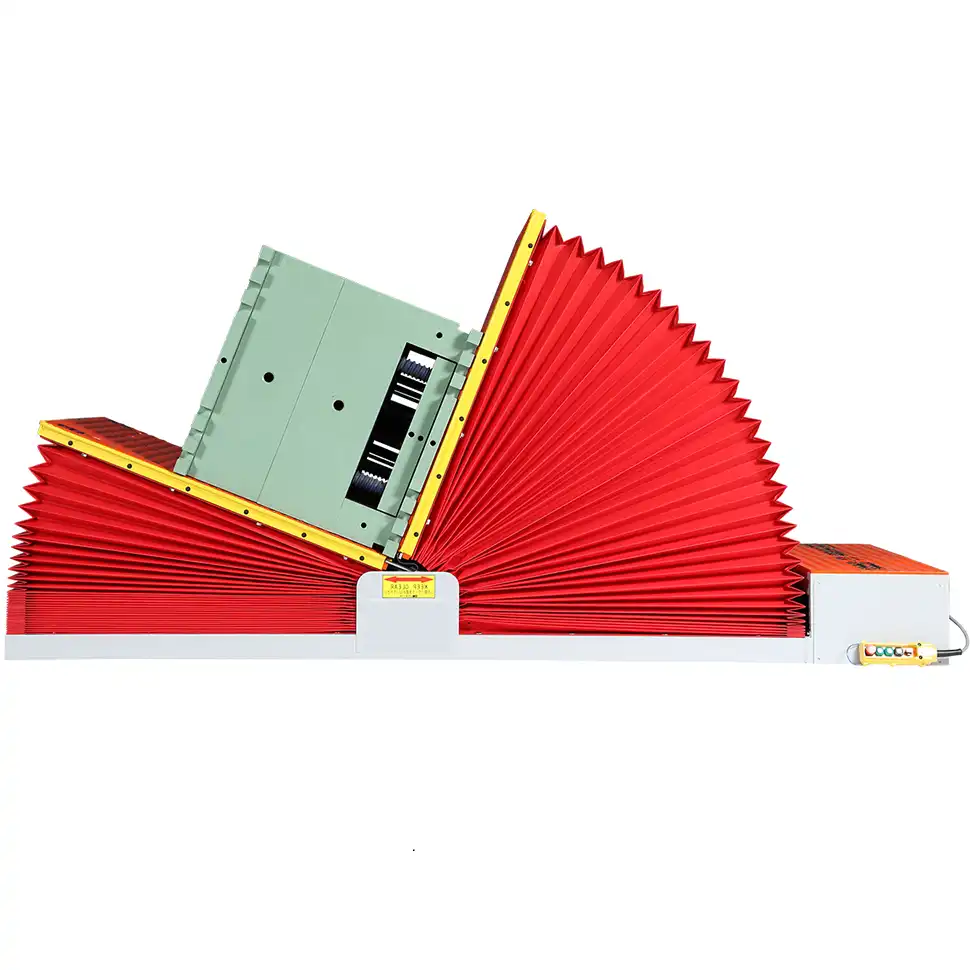
Manual mold flipping machines are designed for straightforward tasks. They’re often the go-to for operations handling lighter molds. These machines rely on human power for flipping, making them ideal for environments not yet ready for full automation. They offer efficiency without overwhelming your budget, proving to be effective for controlled settings.
Manual Machines: Weighing the Pros and Cons
When considering manual mold flipping setups, it’s important to think about both advantages and limitations. As I’ve seen, they can offer a hands-on approach. Here is how they stand:
Manual machines excel in cost-efficiency. They’re straightforward and don’t necessarily require an overhaul of your current processes. But it’s key to remember that they come with limitations. The capacity is restricted, demanding more physical input from your team. Moreover, these machines may lack the precision that progresses over time with automated alternatives. Their low maintenance requirement, however, is a strong selling point for companies looking to ease into flipping solutions without significant expenses.
While they might be suitable short-term, considering a proactive upgrade plan could help your industry remain competitive in the long run. Automated solutions, although requiring investment, present far-reaching benefits such as improved precision and efficiency.
2. How Do Automated Mold Flipping Machines Enhance Production?
Production efficiency is the pulse of modern manufacturing. Companies continually seek ways to enhance it. Enter the automated mold flipper: a game-changer in optimizing labor, time, and accuracy in production processes.
Automated mold flipping machines improve production by reducing manual handling time, minimizing errors, and enhancing worker safety. These machines streamline workflows by ensuring precise mold orientation, ultimately boosting both efficiency and productivity.

Streamlining Production Processes
To understand the significance of automated mold flipping machines, it’s crucial to delve into their role in streamlining production processes. Traditional manual flipping methods often lead to errors and inefficiencies. Let’s break down the benefits:
| Aspect | Manual Flipping | Automated Mold Flippers |
|---|---|---|
| Efficiency | Time-consuming and labor-intensive | Fast, saves time |
| Accuracy | Prone to human error | High precision and repeatability |
| Safety | High risk of accidents | Safe, reduces injury potential |
Efficient production lines require minimal disruptions, and automated mold flipping technology reduces the bottlenecks often caused by manual interference. Employees can shift focus from repetitive strain tasks to more skillful activities. I recall a scenario where our production line adapted to an automated flipper, which cut downtime by 30%. The reduced strain on the workforce contributed to overall morale and productivity, reinforcing the value of integrating automated solutions. Transitioning to such systems not only speeds up processes but also enhances the reliability of production outcomes.
3. What Is the Role of 180 Degree Turning in Mold Flipping?
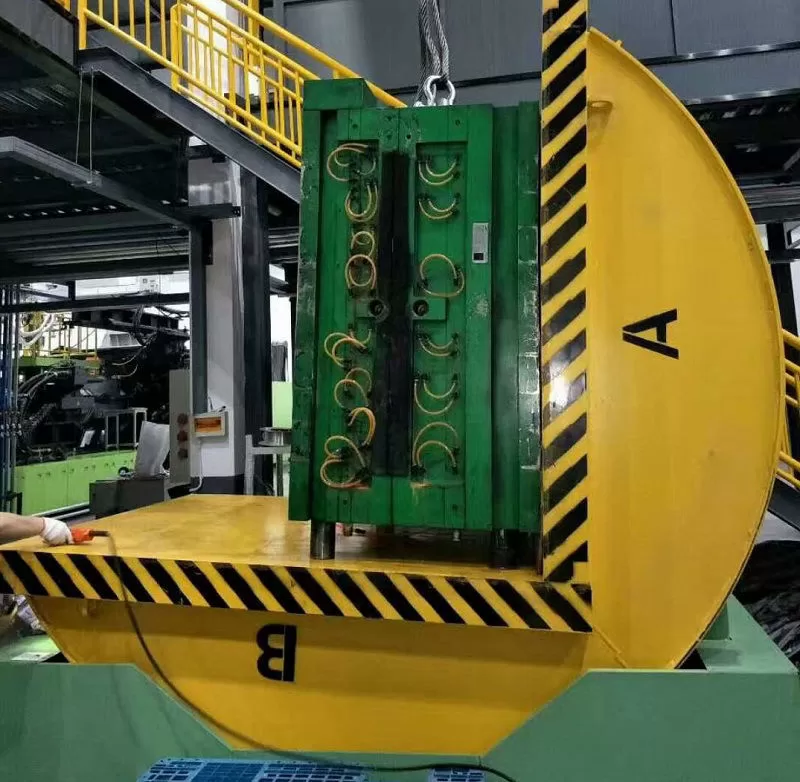
Flipping a mold isn’t merely about turning it over; it’s about precision, balance, and ensuring the integrity of the product. The mold 180-degree turning machine plays a pivotal role in achieving this perfection.
180-degree turning in mold flipping optimizes mold orientation, making the process efficient and stable. It ensures molds are perfectly aligned for further processing, reducing the risk of defects and maintaining quality in production.
Ensuring Quality and Precision
Quality control is paramount in manufacturing, and the 180-degree turning capability significantly bolsters this aspect. Let’s analyze its impact:
| Feature | Manual Turning | 180 Degree Turning |
|---|---|---|
| Orientation Accuracy | Variable, subject to operator skill | Uniform and precise |
| Error Rate | High error potential | Low error potential |
| Quality Assurance | Inconsistent results | Consistent and reliable output |
The mold flipping machine, with its 180-degree turning, ensures that each mold is handled with consistent precision. I fondly remember a client’s case where upgrading their system led to a noticeable drop in defect rates, enhancing product quality. Such technology doesn’t just shift molds; it shifts workflows towards greater reliability and standardization. By embracing automation, manufacturing lines experience not only technological advancements but also cultural shifts in operational paradigms, favoring precision and customer satisfaction.
Conclusion
In conclusion, understanding the different types of mold flipping machines is crucial for optimizing manufacturing processes. Manual, automated, and 180-degree turning mold flippers each offer unique advantages that cater to diverse production needs. Selecting the right mold flipping machine can significantly enhance efficiency, accuracy, and overall productivity in mechanical engineering applications.








