

What Are the Common Issues with PPR Pipe Packaging?
Ensuring the safe and efficient transport of PPR (Polypropylene Random Copolymer) pipes hinges significantly on effective packaging. However, several common issues can compromise the integrity of PPR pipe packaging, leading to potential damage and increased costs. Understanding these challenges is the first step towards implementing better packaging solutions.
Common issues with PPR pipe packaging range from inadequate protection against physical damage during transit, to inefficient bundling methods that increase handling time and costs, and insufficient labeling leading to logistical errors. Addressing these problems is crucial for maintaining product quality and optimizing supply chain efficiency.
Effective packaging is not merely an afterthought in the PPR pipe manufacturing process; it’s an integral component of ensuring product quality and customer satisfaction. Let’s delve deeper into the specific challenges and explore how to overcome them for optimized PPR pipe packaging.
1. Inadequate Protection Against Physical Damage
Protecting PPR pipes from physical damage during handling and transportation is paramount. Insufficient packaging can lead to scratches, dents, and breakages, rendering the pipes unusable and resulting in significant losses. Therefore, robust packaging is essential to safeguard these products.
The primary issue with PPR pipe packaging is often insufficient protection against physical impacts, compression, and abrasion during transportation. Without adequate cushioning and structural support within the packaging, pipes are vulnerable to damage from drops, vibrations, and pressure from other cargo, leading to product defects and increased waste.

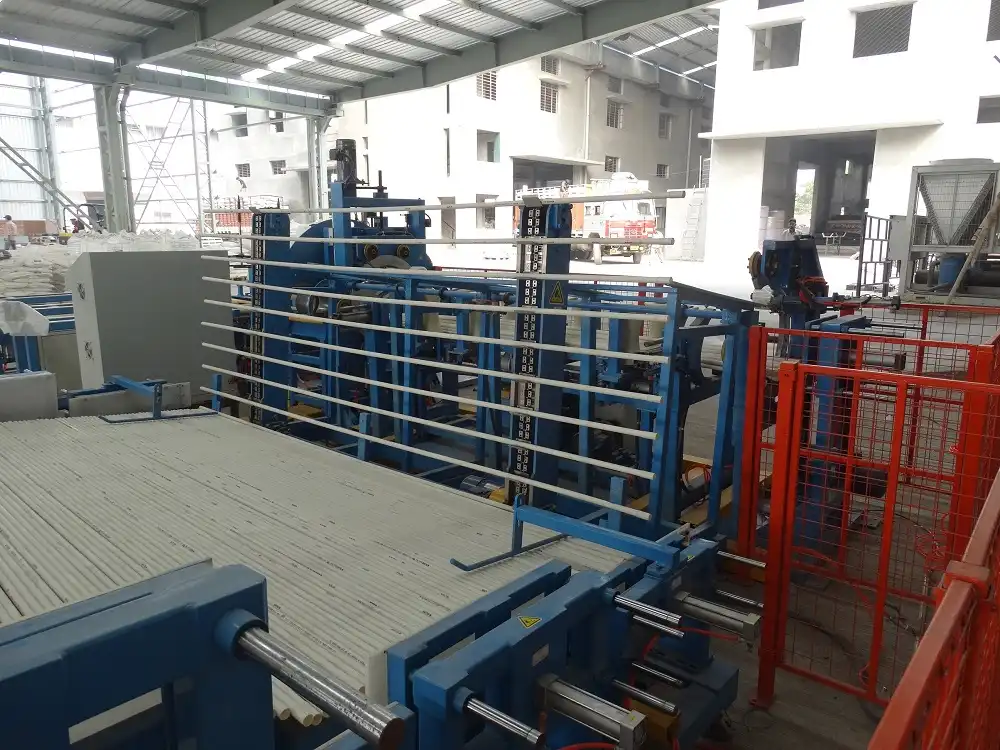
To truly understand the scope of this challenge, it’s necessary to dissect the types of physical damage PPR pipes can endure due to poor packaging and explore advanced packaging strategies that can mitigate these risks effectively.
Types of Physical Damage and Corresponding Packaging Solutions
Physical damage to PPR pipes can manifest in various forms, each requiring specific packaging considerations. Understanding these damage types is crucial for designing protective packaging.
| Damage Type | Description | Packaging Solution |
|---|---|---|
| Scratches & Abrasions | Surface marks caused by rubbing against other surfaces. | Protective wrapping materials like PE film, bubble wrap, or cardboard sleeves. |
| Dents | Indentations caused by impacts or pressure. | Corner boards, edge protectors, and increased cushioning within bundles. |
| Crushing | Deformation due to excessive compressive forces. | Stronger bundling materials, rigid frames, and proper stacking methods. |
| Breakage/Fracture | Complete separation of pipe material due to impact. | Enhanced cushioning, secure bundling, and careful handling procedures. |
As illustrated in the table, a multi-faceted approach is necessary. For instance, scratches and abrasions are surface-level issues that can often be addressed with simple wrapping. Using polyethylene (PE) film to wrap individual bundles provides a basic barrier against surface damage during handling and transit. Bubble wrap offers an additional layer of cushioning, particularly useful for protecting more sensitive pipe surfaces or for longer transit distances. Cardboard sleeves or spiral wraps can provide even more robust protection against abrasion, especially at points of contact within a bundle or during loading and unloading.
Dents and crushing, however, require more structural packaging solutions. Corner boards made of cardboard or plastic are essential for reinforcing the corners of bundled pipes, which are most vulnerable to impact during handling. Edge protectors serve a similar purpose along the edges of bundles, distributing pressure and preventing dents. Increasing the amount of cushioning material within bundles, such as using thicker foam pads or more layers of wrapping, can also help absorb impacts and prevent dents.
For preventing crushing and breakage, the focus shifts to creating structurally sound bundles and ensuring proper handling. Stronger bundling straps, such as steel or heavy-duty plastic straps, are necessary to maintain the integrity of the bundle under compressive forces. Rigid frames, whether made of wood or metal, can provide an external skeleton to the packaging, offering maximum protection against crushing, especially for large or heavy bundles. Furthermore, proper stacking methods during storage and transportation are critical. Heavier bundles should always be placed at the bottom to avoid crushing lighter bundles underneath. “This Side Up” labels and handling instructions should be clearly marked on all packages to minimize mishandling.
By strategically combining these packaging solutions based on the anticipated hazards and the specific requirements of PPR pipe transportation, manufacturers can significantly reduce the incidence of physical damage and ensure their products reach customers in optimal condition. Investing in appropriate protective packaging is not just about preventing damage; it’s about safeguarding product quality, minimizing waste, and maintaining customer trust.
2. Inefficient Bundling and Unitization
The way PPR pipes are bundled and unitized for transport significantly impacts efficiency and cost. Poor bundling can lead to unstable loads, increased handling time, and higher labor costs. Optimizing bundling processes is key to streamlined logistics.
Inefficient bundling and unitization methods are common problems, leading to unstable packages that are difficult to handle, maximize space utilization in containers, and increase the risk of damage during loading and unloading. Manual bundling processes are often slow, labor-intensive, and inconsistent, further exacerbating these inefficiencies.
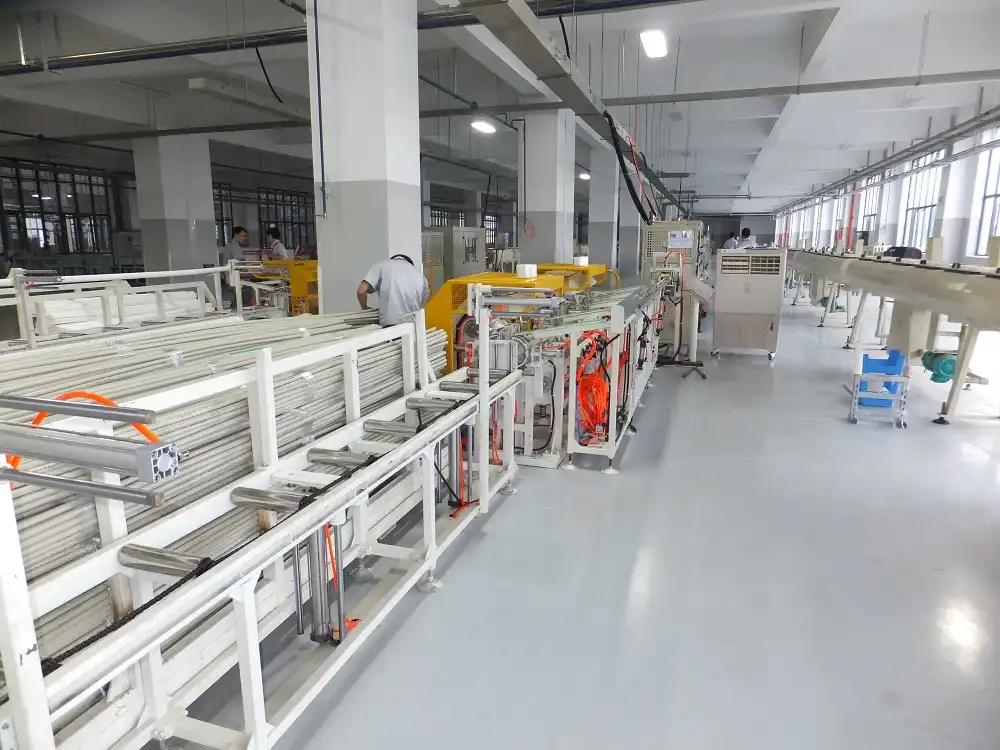
To address these challenges, a shift towards automated and optimized bundling and unitization techniques is essential. Let’s explore the shortcomings of traditional methods and the advantages of modern solutions.
Transitioning to Automated and Optimized Bundling
Traditional manual bundling methods for PPR pipes often rely on simple straps and manual labor. While seemingly straightforward, these methods suffer from several critical limitations:
| Limitation | Consequence |
|---|---|
| Inconsistency | Bundles vary in tightness and stability, leading to uneven loads. |
| Slow Speed | Manual processes are time-consuming, reducing throughput. |
| High Labor Costs | Requires significant manpower, increasing operational expenses. |
| Ergonomic Issues | Repetitive manual strapping can lead to worker strain and injuries. |
| Material Waste | Inefficient strap usage and potential over-packaging. |
Automated bundling systems, particularly those integrated with [Collection], offer a transformative solution to these limitations. These systems utilize machinery to consistently and efficiently bundle PPR pipes, addressing the shortcomings of manual methods. Automated bundling machines ensure uniform strap tension, creating stable and consistently sized bundles that are easier to handle with forklifts or cranes. This consistency is crucial for optimizing palletization and container loading, maximizing space utilization and reducing shipping costs.
The speed of automated bundling is significantly higher than manual processes, leading to increased throughput and faster order fulfillment. By reducing the reliance on manual labor, automated systems drastically cut labor costs associated with packaging. Furthermore, they minimize ergonomic risks for workers by eliminating repetitive and physically demanding strapping tasks. Modern automated bundling machines are also designed for material efficiency, optimizing strap usage and minimizing waste through precise control over strap length and tension.
Beyond basic automation, optimized bundling strategies can further enhance efficiency. This includes implementing pattern-forming systems that arrange pipes in dense, space-saving configurations before bundling. For example, hexagonal or honeycomb patterns can significantly reduce void space within bundles compared to simple rectangular arrangements. Vacuum handling systems can be integrated to precisely position and compress pipe layers before bundling, further enhancing bundle density and stability. Additionally, inline weighing and dimensioning systems can be incorporated to ensure bundles meet specific weight and size requirements, streamlining downstream logistics and preventing overloading during transportation.
By transitioning to automated and optimized bundling systems, PPR pipe manufacturers can achieve significant improvements in packaging efficiency, reduce operational costs, enhance workplace safety, and ensure consistent, high-quality packaging that protects their products throughout the supply chain. This investment not only streamlines internal processes but also contributes to improved customer satisfaction through reliable and damage-free deliveries.
3. Insufficient Labeling and Identification
Clear and accurate labeling is crucial for efficient logistics and inventory management. Inadequate labeling on PPR pipe packaging can lead to confusion, delays, and errors in warehousing and distribution. Proper identification ensures smooth operations.
Insufficient labeling and identification pose significant challenges, leading to errors in inventory management, shipping delays, and difficulties in product tracking. Lack of clear information about pipe specifications, quantities, and handling instructions on the packaging can result in logistical bottlenecks and increased operational costs.
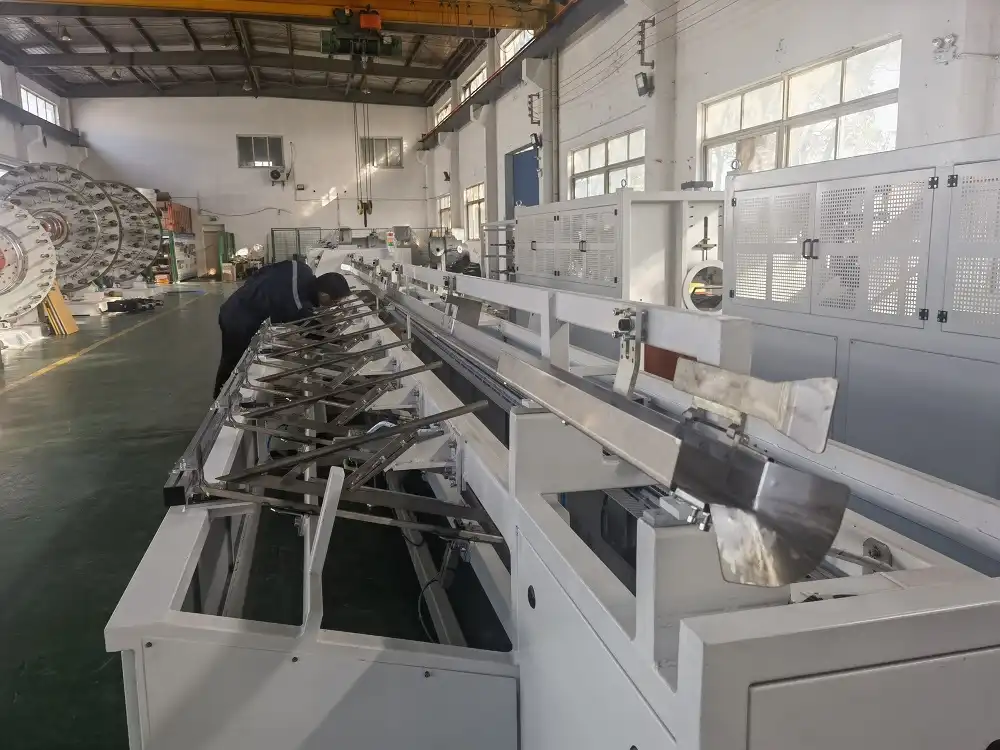
To mitigate these issues, adopting comprehensive and standardized labeling practices is vital. Let’s explore the essential elements of effective labeling and the benefits of implementing robust identification systems.
Enhancing Labeling for Traceability and Efficiency
Effective labeling for PPR pipe packaging goes beyond simply stating the product name. It requires a comprehensive approach that incorporates key information for traceability, inventory management, and efficient handling. Essential elements of a robust labeling system include:
| Label Element | Purpose | Benefit |
|---|---|---|
| Product Specification | Clearly identify pipe type, dimensions, material grade, and standards. | Ensures correct product identification and prevents misapplication. |
| Quantity | State the number of pipes per bundle/package. | Facilitates accurate inventory counts and order fulfillment. |
| Batch/Lot Number | Unique identifier for production batch. | Enables traceability for quality control and recall purposes. |
| Manufacturing Date | Date of production. | Provides information for shelf-life management and quality tracking. |
| Handling Instructions | Pictograms and text for proper handling (e.g., “Fragile,” “This Side Up”). | Minimizes damage during loading, unloading, and storage. |
| Barcode/QR Code | Machine-readable codes for automated data capture. | Streamlines inventory management, tracking, and reduces manual data entry errors. |
Integrating barcodes or QR codes into PPR pipe packaging labels is a crucial step towards enhancing efficiency and accuracy. These machine-readable codes allow for rapid and error-free data capture at various points in the supply chain, from warehouse receiving to order picking and shipping. Scanning barcodes or QR codes can instantly update inventory levels in management systems, track the location of specific bundles, and verify order accuracy. This automation significantly reduces the need for manual data entry, minimizing human error and saving valuable time.
Furthermore, utilizing durable and weather-resistant label materials is essential to ensure label legibility throughout the supply chain. Labels must withstand varying environmental conditions, including moisture, temperature fluctuations, and abrasion during transit. Choosing appropriate label adhesives that adhere securely to the packaging material and resist peeling or fading is also critical. Pre-printed labels with consistent formatting and clear fonts enhance readability and professionalism, further minimizing errors and improving operational efficiency.
By implementing a comprehensive labeling system that incorporates these elements, PPR pipe manufacturers can significantly improve traceability, streamline inventory management, reduce logistical errors, and enhance overall supply chain efficiency. Clear and accurate labeling is not just a matter of compliance; it’s a strategic investment that contributes to operational excellence and customer satisfaction.
4. Environmental Concerns and Sustainability
The environmental impact of packaging is an increasingly important consideration. Traditional plastic packaging can contribute to waste and pollution. Sustainable packaging solutions are gaining prominence and are becoming a necessity in many markets.

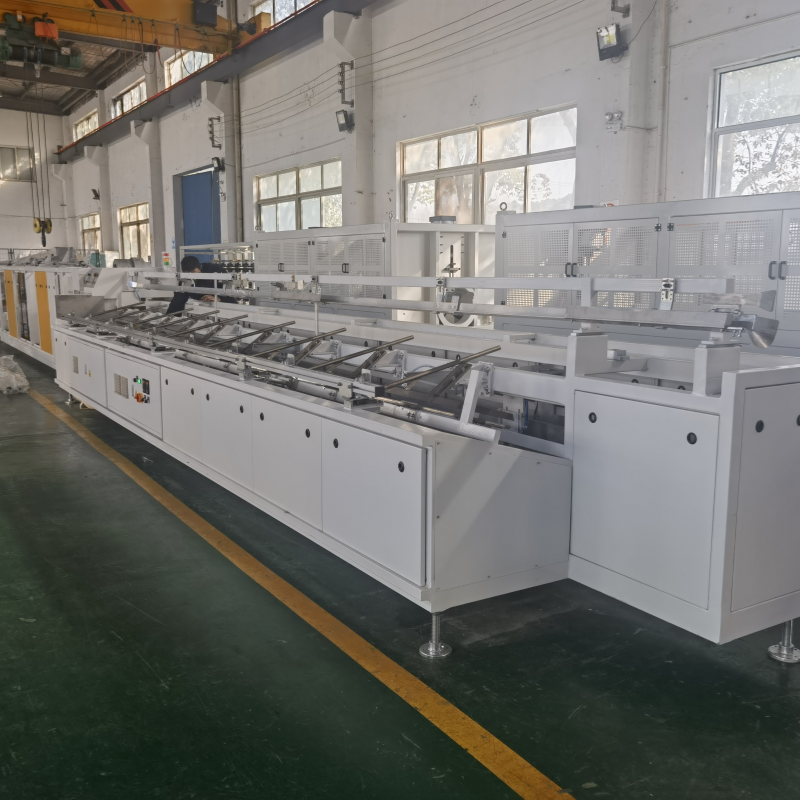
Moving towards eco-friendly packaging options is not only environmentally responsible but also increasingly demanded by consumers and regulatory bodies.
Addressing environmental concerns in PPR pipe packaging involves transitioning from traditional, non-recyclable plastics to more sustainable alternatives. This includes exploring recyclable plastics, biodegradable materials, and minimizing packaging material usage overall to reduce environmental footprint and align with growing sustainability demands.
The shift towards sustainable packaging necessitates a multi-pronged approach, focusing on material selection, packaging design optimization, and end-of-life considerations. Let’s delve into these key areas.
Sustainable Packaging Strategies for PPR Pipes
To effectively address environmental concerns related to PPR pipe packaging, manufacturers should consider the following strategies:
-
Recyclable Plastics: Transitioning to recyclable plastic films and straps, such as recyclable polyethylene (rPE) or polypropylene (rPP), is a crucial first step. These materials can be recycled through existing plastic recycling streams, reducing landfill waste and promoting a circular economy. Clear labeling of packaging materials with recycling symbols helps facilitate proper disposal and recycling by end-users.
-
Biodegradable and Compostable Materials: Exploring biodegradable or compostable packaging options, where feasible, offers a more environmentally friendly alternative to traditional plastics. Biodegradable films and straps break down naturally in composting environments, minimizing long-term environmental impact. However, it’s important to consider the specific composting infrastructure available and ensure that these materials meet relevant composting standards.
-
Reduced Material Usage: Optimizing packaging design to minimize material usage is a key sustainability strategy. This can involve reducing film thickness where possible without compromising protection, optimizing bundle sizes to reduce the amount of wrapping required per pipe, and exploring alternative bundling patterns that use less strapping. Lightweighting packaging materials can also contribute to reduced transportation emissions.
-
Reusable Packaging Systems: For closed-loop distribution systems, reusable packaging options, such as returnable racks or containers, can significantly reduce packaging waste. While requiring an initial investment and logistical infrastructure for returns and cleaning, reusable systems offer long-term cost savings and environmental benefits by eliminating single-use packaging.
-
Plant-Based and Bio-based Plastics: Investigating plant-based or bio-based plastics derived from renewable resources, such as corn starch or sugarcane, presents another sustainable alternative. These materials offer a reduced reliance on fossil fuels and can be biodegradable or compostable depending on their composition. However, it’s important to assess the sustainability of the sourcing and production processes for these materials to ensure genuine environmental benefits.
-
Optimized Packaging Design: Employing design principles that prioritize material efficiency and recyclability is crucial. This includes designing packaging for easy disassembly and material separation for recycling, minimizing the use of mixed materials that are difficult to recycle, and incorporating recycled content into packaging materials where possible.
By implementing these sustainable packaging strategies, PPR pipe manufacturers can significantly reduce the environmental footprint of their packaging, meet growing customer demand for eco-friendly products, and comply with increasingly stringent environmental regulations. Embracing sustainability in packaging is not just an ethical imperative; it’s a smart business decision that contributes to long-term competitiveness and brand reputation.
Conclusion
Addressing common issues in PPR pipe packaging is essential for optimizing the supply chain, reducing costs, and ensuring customer satisfaction. From enhancing physical protection and streamlining bundling to improving labeling and embracing sustainability, targeted improvements in packaging practices can yield significant benefits. By focusing on these key areas, PPR pipe manufacturers can achieve more efficient, cost-effective, and environmentally responsible packaging solutions.












