
What Are the Common Issues with Automatic Pipe Bundling Systems?
Automatic pipe bundling systems streamline packaging, boosting efficiency across industries. However, these sophisticated machines are prone to specific issues that can disrupt operations. Identifying these common problems is the first step towards minimizing downtime and maximizing productivity.
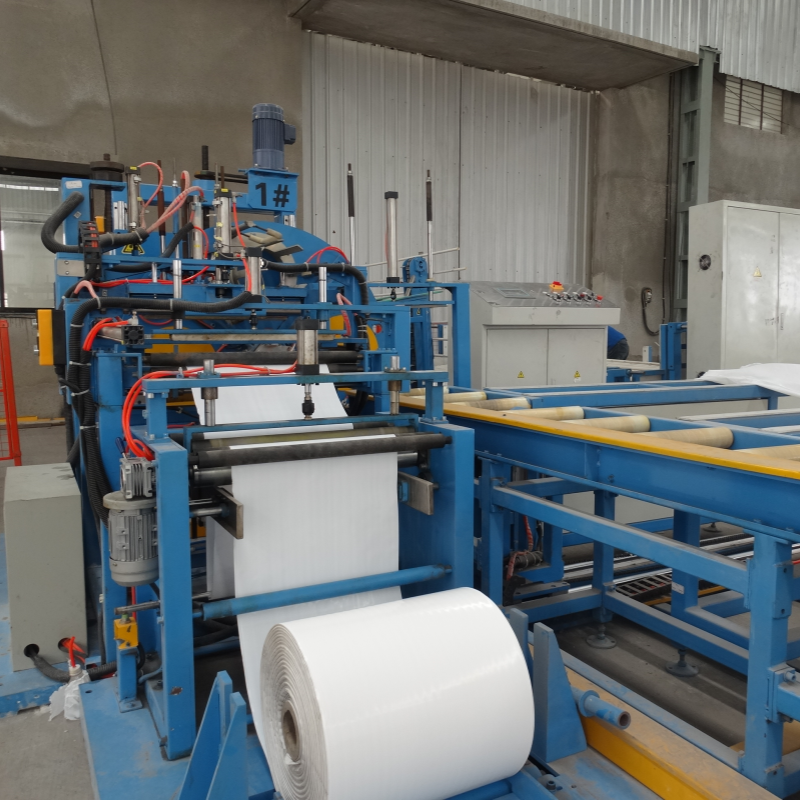
Common issues in automatic pipe bundling systems include material feed problems, sensor malfunctions, motor failures, and general wear and tear. Addressing these promptly through regular maintenance, proper training, and timely repairs is crucial for smooth and efficient operation, ultimately enhancing productivity and minimizing costly downtime.
Understanding potential pitfalls is crucial. Let’s delve into the common challenges faced by automatic pipe bundling systems and explore strategies to mitigate them, ensuring seamless operation and optimized output.
1. Material Feed and Jamming Problems
Effective material feed is vital for seamless bundling. Issues in this area can cause significant interruptions. Keeping your pipe packaging machines running smoothly is essential for maintaining production goals.
Material feed and jamming are primary causes of downtime in pipe bundling systems. Misaligned guides, incorrect tension, and foreign objects can all lead to stoppages. Regular inspections, proper alignment, and immediate removal of obstructions are essential to prevent these issues and maintain smooth operation.
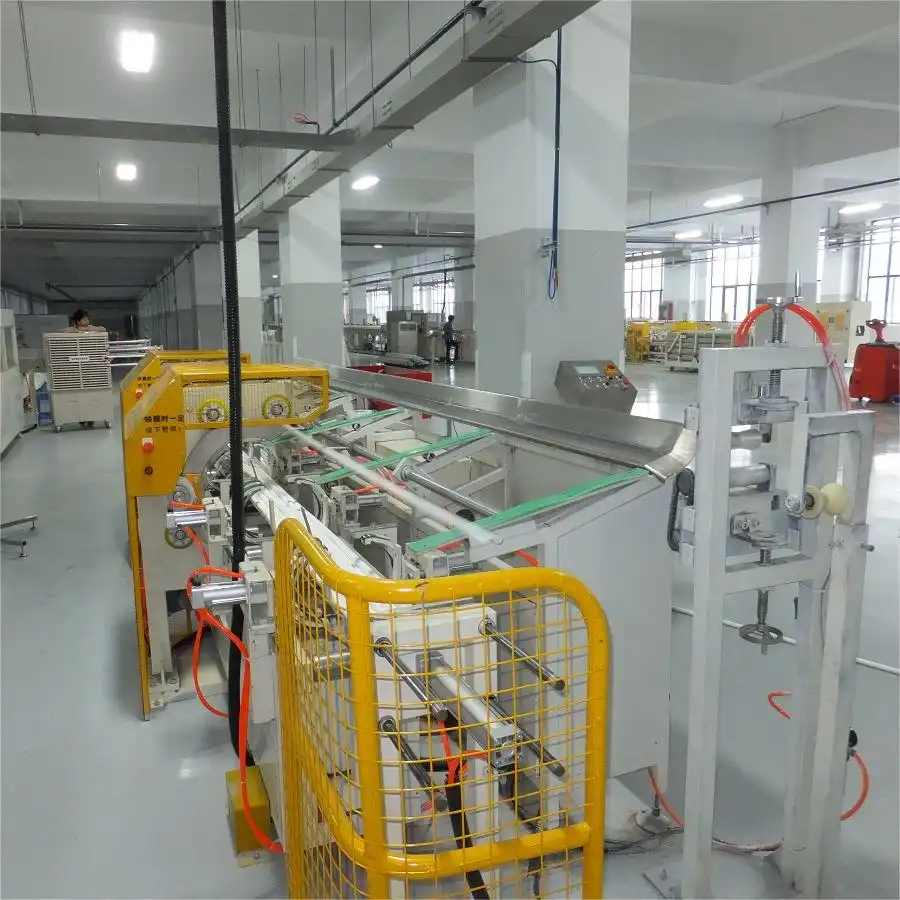
Optimizing Material Feed: A Comprehensive Approach
Material feed problems can manifest in various ways, each requiring a specific approach to troubleshoot and resolve. Understanding the root causes and implementing proactive measures can significantly improve the efficiency and reliability of automatic pipe bundling systems.
Types of Material Feed Issues
| Issue | Description | Possible Causes | Solutions |
|---|---|---|---|
| Material Jamming | Material becomes stuck, halting continuous operation. | Misaligned guides, excessive tension, foreign objects, worn components, variations in pipe diameter. | Align guides, adjust tension, remove obstructions, replace worn parts, ensure consistent pipe dimensions. |
| Misalignment | Material is not properly aligned, leading to bundling inaccuracies. | Improper roller alignment, incorrect tension, uneven material thickness, worn guiding elements. | Align rollers, adjust tension, use consistent materials, replace worn guiding elements. |
| Tension Problems | Material is too tight (causing breaks) or too loose (causing slippage). | Incorrect tension settings, malfunctioning tension controllers, worn belts or rollers, inconsistent pipe surface. | Adjust tension settings, repair/replace controllers, replace worn parts, ensure consistent pipe surface texture. |
| Surface Contamination | Contaminants interfere with the sealing or bundling process. | Dirty rollers, contaminated material source, poor cleaning practices, inadequate pre-cleaning of pipes. | Clean rollers regularly, use clean materials, improve cleaning protocols, implement effective pre-cleaning. |
Strategies for Preventing Material Feed Problems
-
Regular Cleaning: Implement a strict cleaning schedule for rollers, guides, and belts. Buildup can cause slippage and jams, leading to inconsistent bundling. Consider using specialized cleaning solutions designed for the materials being handled.
-
Precision Alignment: Utilize laser alignment tools to ensure all rollers and guides are perfectly aligned. Misalignment, even minor, can cause significant disruptions. Regularly verify alignment as part of your preventative maintenance program.
-
Dynamic Tension Adjustment: Implement real-time tension monitoring using sensors and automated controllers. This allows for dynamic adjustment of tension settings based on material variations and machine speed.
-
Component Replacement Schedule: Establish a proactive component replacement schedule based on usage hours and wear patterns. Waiting for parts to fail leads to unplanned downtime and potential secondary damage.
-
Material Quality Control: Work closely with material suppliers to ensure consistent thickness, surface properties, and cleanliness. Implement incoming material inspection procedures to identify and reject substandard materials before they enter the bundling system.
-
Enhanced Operator Training: Provide comprehensive training programs that cover not only machine operation but also troubleshooting techniques and preventative maintenance procedures. Equip operators with the knowledge and skills to identify and address potential issues before they escalate.
-
Root Cause Analysis: When a material feed problem occurs, conduct a thorough root cause analysis to identify the underlying factors. Implement corrective actions to prevent recurrence.
By adopting these strategies, you can minimize disruptions caused by material feed problems, optimize the performance of your automatic pipe bundling system, and maximize overall productivity.
2. Sensor and Control System Malfunctions
Precise control systems are essential for efficient bundling. Malfunctions here can halt production. Maintaining reliable sensors and controls is paramount to the success of your Automatic pipe bundling process.
Sensor and control system malfunctions are a significant source of downtime. Faulty sensors, wiring issues, and software glitches can disrupt automated processes. Regular calibration, inspection, and timely software updates are essential for maintaining control system reliability and preventing breakdowns.

Advanced Diagnostics and Predictive Maintenance for Control Systems
Control system malfunctions can be particularly challenging to diagnose and resolve. A systematic approach, coupled with advanced diagnostic tools and predictive maintenance strategies, is essential for maintaining system reliability and minimizing downtime.
- Advanced Sensor Diagnostics: Implement sensors with self-diagnostic capabilities that can detect and report potential failures before they occur. This allows for proactive maintenance and prevents unexpected disruptions.
- Predictive Maintenance Software: Utilize software that analyzes sensor data and system performance to identify trends and predict potential failures. This enables you to schedule maintenance proactively, minimizing downtime and extending the lifespan of components.
- Remote Monitoring and Diagnostics: Implement remote monitoring capabilities that allow technicians to access and diagnose control system issues remotely. This can significantly reduce response times and minimize downtime.
- Redundant Systems: For critical control functions, consider implementing redundant systems that can automatically take over in the event of a failure. This ensures continuous operation and minimizes the impact of unexpected events.
- Cybersecurity Measures: Protect your control systems from cyberattacks by implementing robust security measures, such as firewalls, intrusion detection systems, and regular security audits.
- Detailed Documentation: Maintain detailed documentation of all control system components, configurations, and maintenance procedures. This makes it easier to troubleshoot issues and perform maintenance efficiently.
- Continuous Training: Provide ongoing training for technicians on the latest control system technologies and troubleshooting techniques. This ensures that they have the skills and knowledge to maintain and repair the systems effectively.
- Vibration Analysis: Use vibration analysis to detect early signs of mechanical problems in motors, gearboxes, and other rotating components. This can help prevent catastrophic failures and extend the lifespan of equipment.
3. Motor and Drive System Problems
Reliable motor performance is crucial for effective bundling. Failures here can stop operations cold. Maintaining reliable motors and drives will increase the output of your troubleshooting process.
Motor and drive system problems are major contributors to breakdowns. Overheating, wear, and lubrication issues can lead to failures. Regular maintenance, proper cooling, and timely replacement of worn components are crucial for reliability.
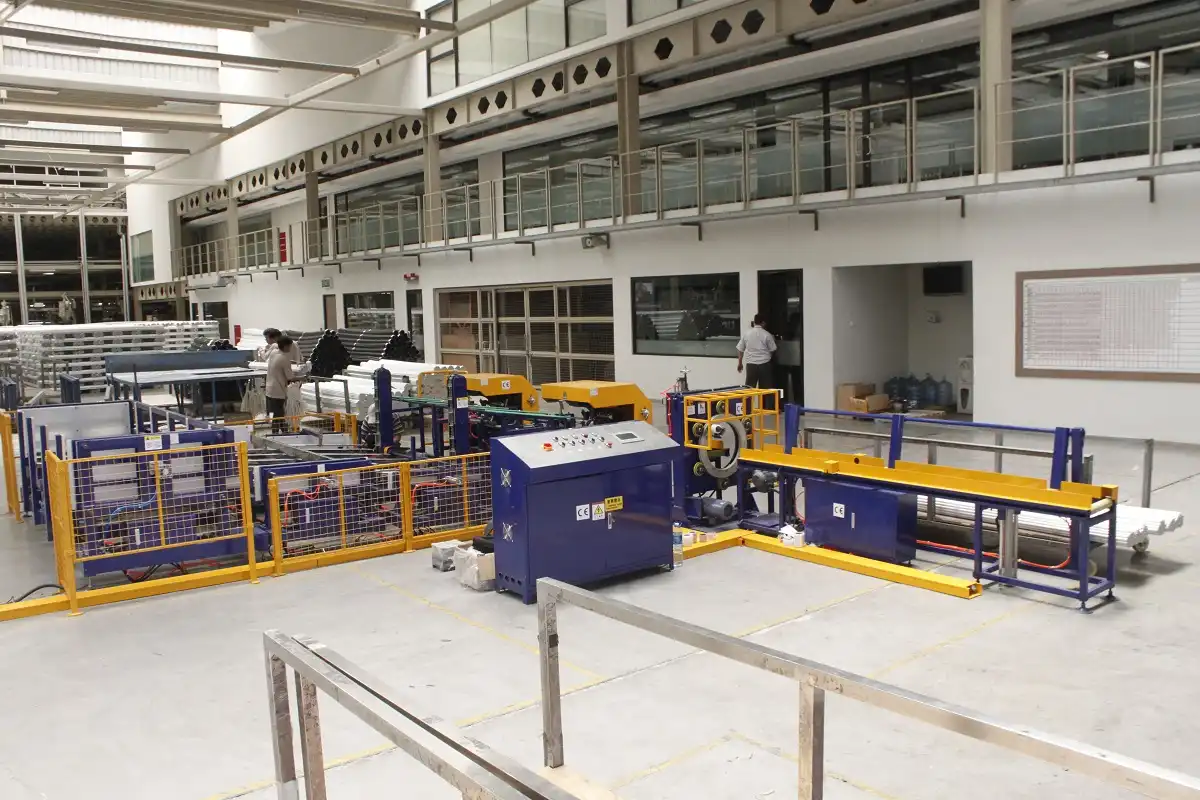
Optimizing Motor and Drive System Performance: A Deep Dive
Ensuring the reliable operation of motor and drive systems is essential for the efficiency of pipe bundling machines. By understanding common problems and implementing proactive maintenance strategies, businesses can significantly reduce downtime and extend the lifespan of their equipment.
Key Components and Their Potential Issues
| Component | Common Problem | Possible Cause | Solution |
|---|---|---|---|
| Motors | Overheating | Inadequate ventilation, excessive load, motor wear. | Ensure adequate ventilation, reduce load, replace worn motors, use thermal imaging to detect hotspots. |
| Drive Belts | Slippage | Worn belts, improper tension, contaminated surfaces. | Replace worn belts, adjust tension, clean surfaces, use laser alignment tools to ensure proper belt alignment. |
| Gearboxes | Lubrication Issues | Insufficient lubrication, contaminated lubricant, leaks. | Regularly lubricate gears, use clean lubricant, repair leaks, implement oil analysis to monitor lubricant condition. |
| Bearings | Wear and Tear | Insufficient lubrication, excessive load, contamination. | Regularly lubricate bearings, reduce load, protect from contamination, replace worn bearings, use vibration analysis to detect bearing wear. |
| Motor Controllers | Electrical Failures | Voltage spikes, overheating, component wear. | Use surge protectors, ensure adequate cooling, replace worn components, implement power quality monitoring. |
Strategies for Enhancing Motor and Drive System Reliability
- Implement a Comprehensive Lubrication Program: Develop a detailed lubrication schedule based on manufacturer recommendations and operating conditions. Use high-quality lubricants specifically designed for the application. Consider implementing automatic lubrication systems to ensure consistent and accurate lubrication.
- Enhance Cooling Systems: Ensure that cooling systems, such as fans or liquid cooling, are functioning correctly. Clean cooling fins regularly to remove dust and debris. Consider upgrading to more efficient cooling systems to improve motor performance and extend lifespan.
- Monitor Motor Loads: Continuously monitor motor loads to prevent overloading, which can lead to overheating and premature failure. Implement overload protection devices that automatically shut down the motor in the event of an overload.
- Conduct Regular Vibration Analysis: Use vibration analysis to detect early signs of mechanical problems, such as bearing wear or misalignment. This allows you to schedule maintenance proactively and prevent catastrophic failures.
- Implement Power Quality Monitoring: Monitor power quality to detect voltage spikes, harmonics, and other electrical disturbances that can damage motor controllers and other electrical components.
- Use High-Efficiency Motors: Replace older, less efficient motors with high-efficiency models to reduce energy consumption and improve overall system performance.
- Provide Comprehensive Training: Ensure that maintenance personnel are well-trained on the proper maintenance and troubleshooting procedures for motor and drive systems.
4. Regular Wear and Tear
Regular wear and tear are inevitable, impacting machine performance. Preventative maintenance is key to keep machines running smoothly and avoid production halts. Timely action extends machine life and cuts costs.
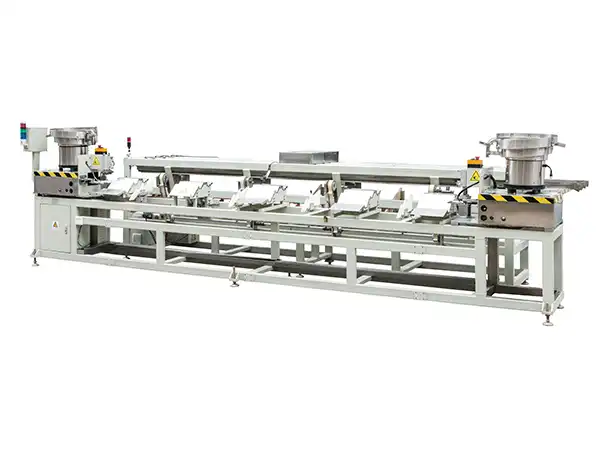
Regular wear and tear leads to component degradation and malfunctions. Lubrication, timely parts replacement, and proper cleaning are essential for minimizing wear and extending machine lifespan. Implementing these practices helps to prevent breakdowns.
Minimizing the Impact of Wear and Tear: A Proactive Approach
Preventative maintenance is key to combating wear and tear. Setting up a schedule based on usage and tracking performance data helps to anticipate and address issues before they cause downtime.
- Lubrication: Proper lubrication reduces friction, minimizing wear and tear. Regularly check the lubrication system and ensure all moving parts are adequately lubricated according to the manufacturer’s guidelines. Use high-quality lubricants appropriate for the specific components and operating conditions.
- Timely Parts Replacement: Replace parts preventively, not reactively. Set up a schedule based on usage and track performance data to anticipate wear. Use manufacturer-recommended replacement parts to ensure proper fit and function.
- Cleaning Practices: Clean machines reduce wear, ensuring the machine stays clean, which aids in early damage detection. Establish a routine cleaning schedule for all machine components. Use appropriate cleaning agents and techniques to avoid damaging sensitive parts.
- Overall Maintenance Practices: Adhere to these maintenance strategies to minimize downtime, reduce repair costs, and ensure the reliable operation of pipe packaging machines. Comprehensive operator training is also essential for proper machine operation and troubleshooting.
- Detailed Record Keeping: Maintain detailed records of all maintenance activities, including lubrication, parts replacements, and repairs. This helps to track wear patterns and optimize maintenance schedules.
- Regular Inspections: Conduct regular inspections of all machine components to identify signs of wear, damage, or misalignment. Use visual inspections, as well as more advanced techniques, such as vibration analysis and thermal imaging.
Conclusion
Mitigating common pipe bundling machine breakdowns requires a multifaceted approach. Regular inspections, proper lubrication, timely parts replacements, and comprehensive operator training are vital. Addressing material feed, control system reliability, motor maintenance, and wear reduction are important factors. Consistently implementing these measures helps businesses minimize downtime, reduce maintenance costs, and ensure the reliable operation of pipe packaging machines, ultimately enhancing productivity and profitability. Prioritizing these strategies ensures efficient, cost-effective operations and long-term success.








