
What Are the Common Causes of PVC Pipe Bagging Machine Breakdowns?
PVC pipe bagging machines are essential for efficient packaging in the plastics industry. Breakdowns disrupt production, leading to delays and increased costs. Understanding the common causes is crucial for preventing these issues and maintaining smooth operations.
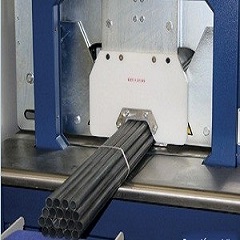
Common causes of PVC pipe bagging machine breakdowns include mechanical failures, electrical issues, material problems, and control system errors. Worn components, power fluctuations, poor material quality, and software glitches can all contribute. Regular maintenance, quality checks, and prompt troubleshooting are essential to minimize downtime.
Understanding these common breakdown causes and implementing preventative strategies is key to keeping your PVC pipe bagging operations running smoothly. Let’s delve into these areas in more detail.
Electrical Overload: A Frequent Cause
Electrical overload is a frequent cause of PVC pipe bagging machine breakdowns, leading to motor damage and downtime. Understanding the causes and implementing preventive measures can significantly reduce these issues and ensure continuous operation.
Electrical overload often stems from excessive mechanical load, voltage supply problems, or internal motor faults. This causes overheating and insulation damage, ultimately leading to motor burnout. Regular amperage checks, load analysis, and protective measures are crucial for preventing these failures and ensuring long-term operational efficiency.
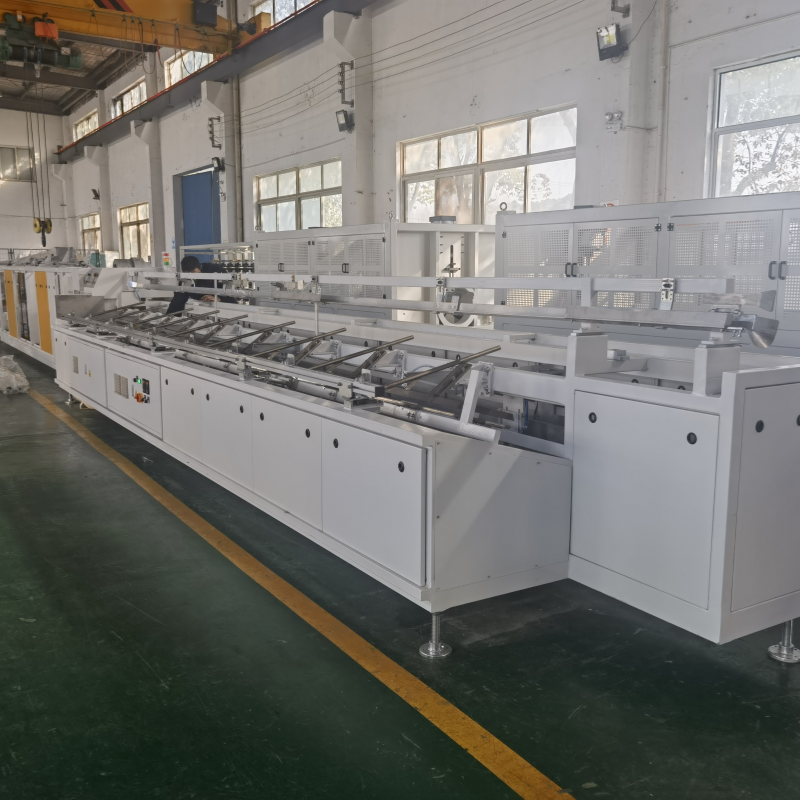
Deep Dive: Understanding and Preventing Electrical Overload
Electrical overload is a condition where a motor draws more current than it’s designed to handle. This excess current generates heat, which can damage the motor’s windings and insulation, leading to failure. To prevent electrical overload, it’s crucial to understand its causes and implement effective preventive measures.
Key Factors Contributing to Electrical Overload
Several factors can lead to electrical overload in PVC pipe bagging machine motors:
- Excessive Mechanical Load: This can result from material blockages in the bagging machine, worn or damaged components causing increased friction, or incorrect machine settings that place undue stress on the motor.
- Voltage Imbalance or Fluctuations: Inconsistent or incorrect voltage supply can force the motor to draw excessive current to maintain its output.
- Internal Motor Faults: Short circuits within the motor windings or insulation breakdown can lead to localized high current draw and overheating.
Effective Prevention Strategies
To prevent electrical overload and ensure the longevity of your PVC pipe bagging machine motors, consider these strategies:
-
Regular Load Analysis: Periodically measure the motor’s amperage draw under normal operating conditions and compare it to the motor’s nameplate rating. Investigate any significant deviations.
-
Preventative Maintenance: Implement a rigorous maintenance schedule to address potential sources of mechanical overload:
- Regularly clean and inspect conveying and sealing mechanisms for blockages and debris.
- Lubricate bearings and inspect belts and rollers for wear and misalignment.
- Ensure machine settings are optimized for the specific PVC pipe dimensions and bagging requirements.
-
Voltage Monitoring and Correction: Install voltage monitoring devices to detect fluctuations and imbalances. Implement voltage regulation measures if necessary.
-
Motor Protection Devices: Utilize overload relays and circuit breakers specifically designed to protect motors from overcurrent conditions. Ensure these devices are properly calibrated to the motor’s specifications.
Detailed Comparison of Load Conditions
| Load Condition | Amperage Draw | Motor Temperature | Risk of Failure |
|---|---|---|---|
| Normal Operation | Rated Amperage | Normal | Low |
| Slight Overload | Slightly Higher | Elevated | Medium |
| Significant Overload | Much Higher | High | High |
| Extreme Overload | Very High | Very High | Imminent |
By monitoring load conditions and implementing preventive maintenance, electrical overload can be mitigated.
Overheating: Managing Heat Buildup
Overheating is another prevalent cause of PVC pipe bagging machine breakdowns, closely linked to electrical overload but also arising from cooling system deficiencies and environmental factors. Excessive heat degrades motor insulation, reduces winding lifespan, and can ultimately lead to catastrophic failure.
Motor overheating often stems from prolonged operation under heavy load, inadequate ventilation, or ambient temperatures exceeding motor design limits. Effective heat management through proper cooling, load optimization, and environmental control is essential. Regular temperature monitoring can help detect issues early.
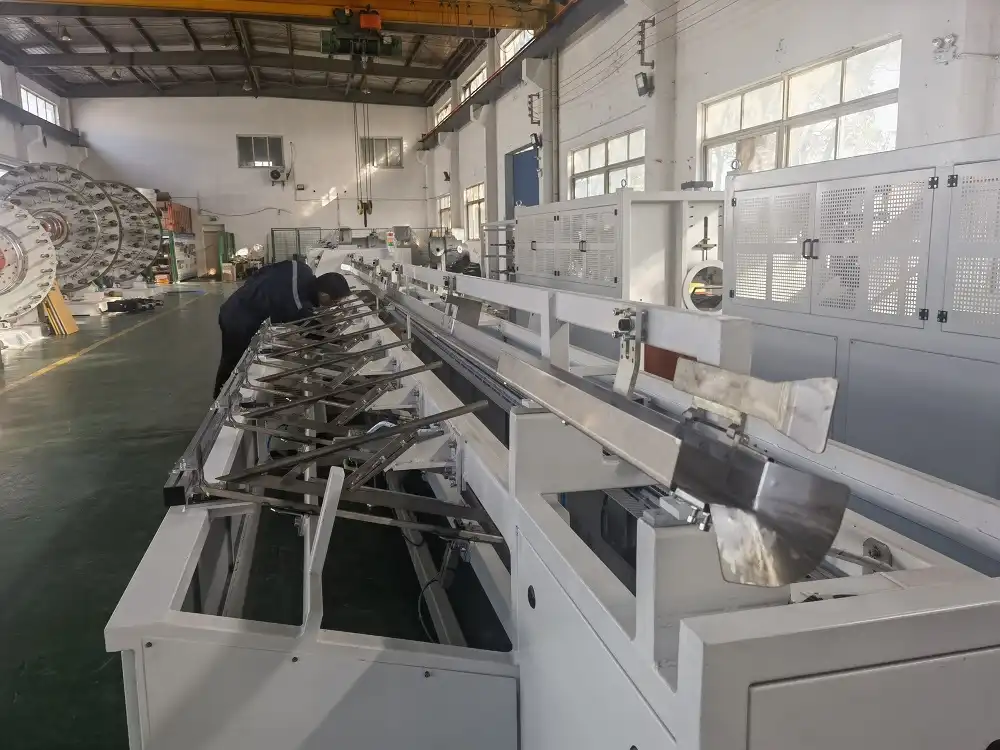
Technical Details: Sources and Solutions for Overheating
Addressing motor overheating requires understanding its sources and implementing effective cooling strategies. By addressing these areas, you can prevent motor overheating and extend the life of your equipment.
Sources of Heat Generation
Several factors contribute to heat generation in PVC pipe bagging machine motors:
- Electrical Losses: As current flows through motor windings, inherent electrical resistance generates heat (I²R losses). Higher current due to overload exacerbates this.
- Mechanical Friction: Friction in bearings, brushes (in some motor types), and other moving parts converts mechanical energy into heat.
- Inefficient Cooling: A malfunctioning or inadequate cooling system fails to dissipate heat effectively, allowing motor temperature to rise.
- High Ambient Temperature: Operating the machine in a hot environment reduces the motor’s ability to dissipate heat to the surrounding air.
Prevention and Mitigation Strategies
- Ensure Adequate Ventilation:
- Keep motor cooling vents unobstructed and free from dust and debris.
- Ensure sufficient airflow around the motor. Consider using fans to improve ventilation in enclosed spaces.
- Regular Cleaning: Periodically clean motor surfaces to remove dust and dirt buildup that can act as insulation and impede heat dissipation.
- Cooling System Maintenance: Regularly inspect and maintain motor cooling fans, ensuring they are functioning correctly. Replace faulty fans promptly.
- Temperature Monitoring: Implement temperature sensors or thermal monitoring systems to continuously track motor temperature. Set alarm thresholds to trigger warnings in case of overheating.
- Load Optimization: Minimize mechanical load on the motor where possible. Address any sources of excessive friction or resistance within the bagging machine.
- Environmental Control: If operating in high ambient temperatures is unavoidable, consider providing supplemental cooling to the motor and surrounding environment, such as air conditioning or forced ventilation.








