
What Are the Challenges of Implementing Steel Wire Strapping Machines in Small Warehouses?
Implementing steel wire strapping machines in small warehouses presents unique hurdles. Space constraints, initial investment costs, and workflow adaptation are significant challenges. Overcoming these requires careful planning and creative solutions to integrate the machinery effectively.
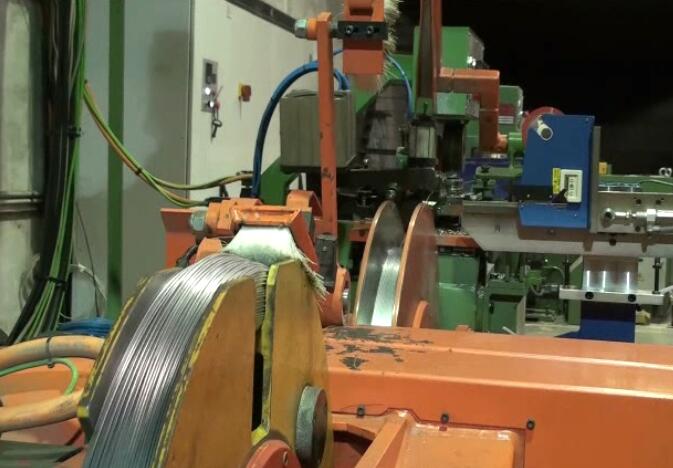
Implementing steel wire strapping machines in small warehouses faces challenges like limited space for operation and storage, high initial investment impacting budget, and the need for workflow adjustments and operator training. Safety considerations and integration with existing systems also pose significant concerns that require careful planning.
As you consider enhancing your warehouse operations, understanding these challenges is the first step toward successful implementation. Let’s delve deeper into each of these potential issues and explore how to navigate them effectively.
Space Constraints and Layout Modifications
Limited space is a primary concern when introducing steel wire strapping machines into smaller warehouses. Cramped conditions can hinder operation and maintenance, making it crucial to find clever solutions.
Implementing steel wire strapping machines in small warehouses is challenging due to limited floor space. This necessitates creative layouts and compact machine models. Careful planning is essential to integrate the machinery without disrupting workflow. The space must accommodate machine footprint, operation area, and wire coil storage, ensuring smooth and safe operations within the warehouse.

Rethinking Warehouse Layout for Strapping Machines
Successfully incorporating steel wire strapping machines into a compact warehouse demands a meticulous approach to spatial design and operational efficiency. This involves more than just fitting a new piece of equipment; it requires a comprehensive evaluation of the existing layout and a strategic plan for modification.
Analyzing Current Space Utilization
Before making any changes, conduct a thorough analysis of how your current warehouse space is used. Identify areas of congestion, underutilized zones, and potential bottlenecks in the workflow. This assessment provides a foundation for making informed decisions about machine placement and layout modifications.
-
Workflow Mapping: Track the movement of materials from receiving to shipping to identify key traffic patterns.
-
Storage Assessment: Evaluate the efficiency of your current storage systems, noting any areas where space could be better utilized.
-
Equipment Footprints: Document the dimensions of all existing equipment and machinery to understand available space for the new strapping machine.
Compact Machine Selection
Selecting the right machine is crucial. Opt for models specifically designed for smaller spaces. These machines often feature:
-
Smaller Footprints: Compact designs that minimize the amount of floor space required.
-
Multi-Functionality: Machines that combine several operations (e.g., compacting, strapping, wrapping) into one unit.
-
Mobility: Portable or semi-portable machines that can be easily moved and repositioned as needed.
Creative Layout Strategies
Even with a compact machine, thoughtful layout strategies are essential to optimize space and workflow.
-
Vertical Integration: Use vertical space with tiered shelving or overhead conveyors to free up floor space.
-
Modular Design: Implement modular workstations that can be easily reconfigured to adapt to changing needs.
-
Strategic Placement: Position the strapping machine near existing material handling equipment or in a central location to minimize travel distances.
Balancing Safety and Efficiency
When optimizing space, it’s critical to maintain a safe working environment. Ensure adequate clearance around the strapping machine for operators to move freely and safely. Implement safety barriers, warning signs, and traffic control measures to prevent accidents and injuries.
By carefully considering these factors and implementing creative solutions, you can successfully integrate steel wire strapping machines into even the most space-constrained warehouses. This strategic approach maximizes efficiency, enhances safety, and ensures that your operations run smoothly despite spatial limitations.
Initial Investment and ROI
Budget constraints can be a significant obstacle for small warehouses looking to invest in steel wire strapping machines. Weighing the costs against potential returns is critical.
Small warehouses face financial constraints when investing in steel wire strapping machines. The initial investment can be a barrier. Justifying the purchase requires demonstrating clear ROI. Focus on long-term benefits, such as reduced labor costs, improved efficiency, and minimized material waste to make the investment worthwhile.
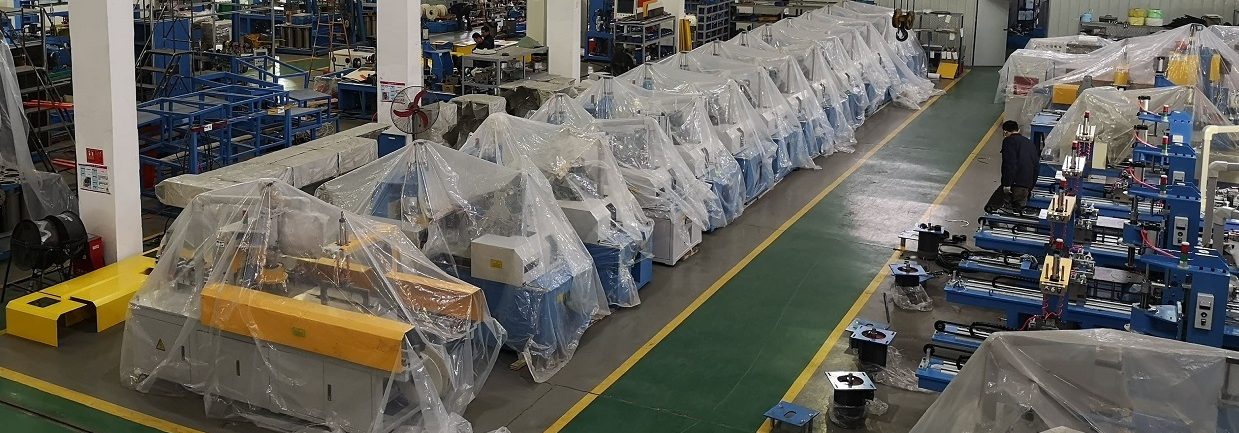
Justifying the Investment: A Cost-Benefit Analysis
Overcoming the initial investment hurdle requires a thorough cost-benefit analysis that clearly demonstrates the potential return on investment (ROI) over time. This involves a detailed assessment of both the immediate and long-term financial impacts of implementing steel wire strapping machines.
Calculating Initial Costs
Begin by identifying all upfront expenses associated with acquiring and installing the strapping machine. These costs typically include:
-
Purchase Price: The cost of the strapping machine itself, which can vary widely depending on the model and features.
-
Installation Fees: Expenses related to setting up the machine, including electrical work, plumbing, and any necessary modifications to the warehouse layout.
-
Training Costs: The cost of training personnel to operate and maintain the new equipment.
-
Initial Supplies: Expenses for consumables such as strapping materials, lubricants, and spare parts.
Quantifying Benefits and Savings
Next, quantify the benefits and savings that the strapping machine will generate over time. These can include:
-
Labor Cost Reduction: Calculate the potential savings from reduced manual labor. A strapping machine can automate tasks that previously required multiple employees.
-
Material Waste Reduction: Estimate the savings from minimizing material waste through more precise and efficient strapping.
-
Increased Throughput: Determine the increase in production output resulting from faster and more consistent strapping.
-
Reduced Shipping Costs: Evaluate the potential for lower shipping costs due to more compact and secure packaging.
-
Improved Safety: Quantify the financial benefits of reducing workplace accidents and injuries related to manual strapping.
Performing ROI Analysis
Once you have quantified the costs and benefits, perform a return on investment (ROI) analysis to determine whether the investment is financially viable. ROI is calculated as follows:
ROI = (Total Benefits - Total Costs) / Total CostsA positive ROI indicates that the investment is expected to generate more value than it costs. However, it’s important to consider the payback period – the time it takes for the accumulated benefits to equal the initial investment. A shorter payback period is generally more attractive.
Exploring Financing Options
If the initial investment is a major concern, explore various financing options such as:
-
Leasing: Leasing allows you to use the strapping machine without purchasing it outright, reducing the upfront cost.
-
Loans: Secure a loan from a bank or financial institution to finance the purchase.
-
Grants and Incentives: Check for government grants or tax incentives that may be available to businesses investing in automation equipment.
Continuous Monitoring and Adjustment
After implementing the strapping machine, continuously monitor its performance and compare actual results against the initial projections. Adjust your processes and strategies as needed to maximize the machine’s benefits and ensure that you achieve the expected ROI.
By carefully analyzing the costs and benefits and exploring financing options, you can make a well-informed decision about whether to invest in steel wire strapping machines.
Workflow Integration and Training
Incorporating new machinery requires careful workflow adjustments and operator training. Smooth integration is essential to avoid disruptions and maximize efficiency.
Integrating steel wire strapping machines into small warehouses needs workflow adjustments and operator training. Existing processes must adapt to the new equipment, and operators need training for safe and efficient use. Proper integration and training minimize disruptions and maximize the benefits of the machine, enhancing overall productivity.
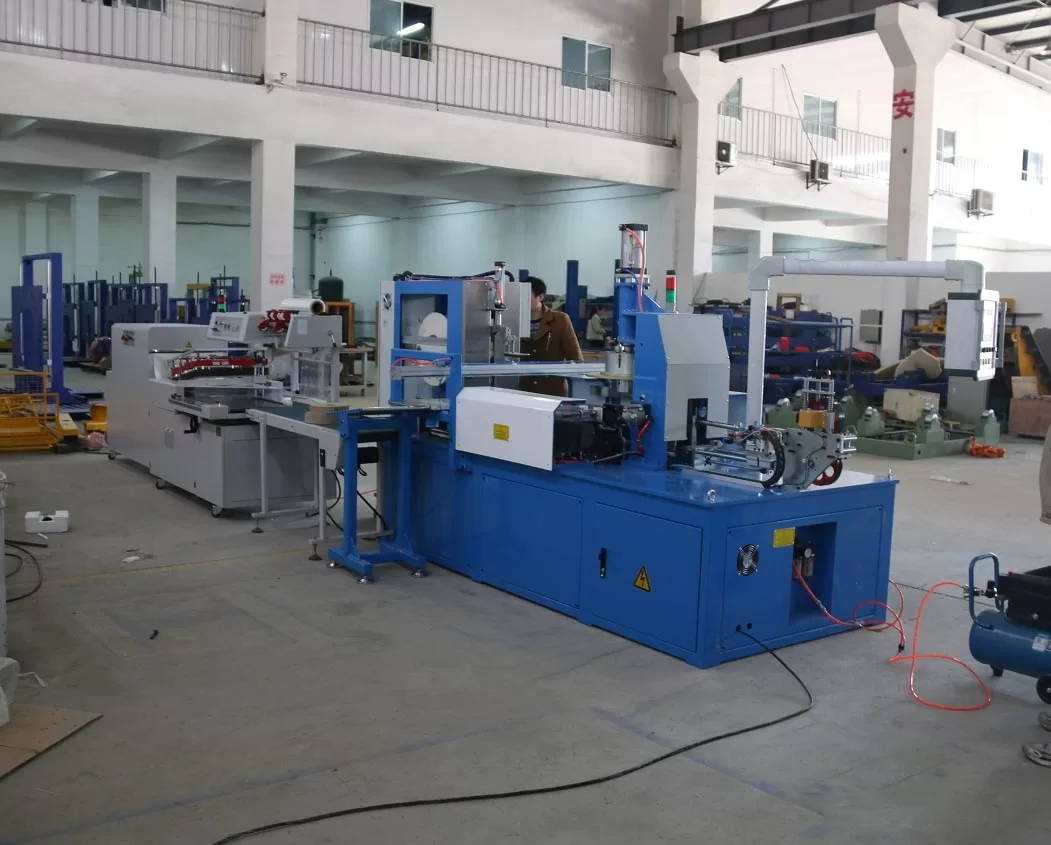
Seamless Integration: Adapting Workflow and Training Personnel
Integrating new steel wire strapping machines into an existing workflow is crucial to ensure that the new technology enhances rather than disrupts operations. This requires careful planning, strategic adjustments, and comprehensive training programs to maximize efficiency and minimize potential disruptions.
Assessing Current Workflows
Start by thoroughly evaluating your current warehouse workflows. Identify key processes that will be affected by the introduction of the strapping machine, such as material handling, packaging, and shipping. Analyze the steps involved, the time taken for each step, and any existing bottlenecks or inefficiencies.
-
Process Mapping: Create detailed flowcharts of each affected workflow to visualize the steps and identify areas for improvement.
-
Time Studies: Conduct time studies to measure how long it takes to complete each step in the workflow, both before and after the introduction of the strapping machine.
-
Bottleneck Analysis: Identify any points in the workflow where materials or information tend to accumulate, causing delays.
Adapting Workflows to the New Machine
Once you have a clear understanding of your current workflows, you can begin adapting them to incorporate the strapping machine. This may involve:
-
Reorganizing Workstations: Reconfigure workstations to optimize the flow of materials to and from the strapping machine.
-
Streamlining Material Handling: Implement new material handling techniques or equipment to ensure a smooth and efficient supply of wire coils to the machine.
-
Adjusting Production Schedules: Modify production schedules to take advantage of the increased strapping speed and capacity.
Developing Training Programs
Effective training is essential to ensure that your employees can operate the new strapping machine safely and efficiently. Develop a comprehensive training program that covers:
-
Machine Operation: Teach employees how to operate the machine, including loading and unloading wire coils, adjusting strapping tension, and troubleshooting common problems.
-
Safety Procedures: Emphasize safety procedures and precautions to prevent accidents and injuries.
-
Maintenance: Train employees on basic maintenance tasks, such as cleaning, lubricating, and replacing worn parts.
-
Troubleshooting: Equip employees with the knowledge and skills to diagnose and resolve common issues that may arise during operation.
Ongoing Monitoring and Support
After the initial training, provide ongoing monitoring and support to help employees master the new skills and techniques. This may involve:
-
Mentoring: Assign experienced employees to mentor newer employees.
-
Feedback Sessions: Conduct regular feedback sessions to identify areas where employees may need additional training or support.
-
Refresher Courses: Offer refresher courses periodically to reinforce key concepts and procedures.
By integrating the steel wire strapping machine thoughtfully into your existing workflows and providing comprehensive training to your employees, you can maximize the benefits of this technology and minimize any potential disruptions. A well-integrated system ensures that the strapping machine operates efficiently, enhances productivity, and contributes to a safer and more streamlined warehouse environment.
Safety Considerations
To avoid injury,some safety measure must be taken during operation.

Implementing Steel Wire Strapping Machines safety operation is very important. These machines create injuries, especially when not operated well. Training, machine safety features, protective equipment must be used to minimize and avoid accidents. A safe warehouse helps ensure the efficient of machine and protect the workers.
How to solve this problem
Here’s the information with additional detail,
Detailed Safety Analysis
Start with a comprehensive safety analysis to identify potential hazards associated with the steel wire strapping machine. Consider the following:
-
Pinch Points: Identify areas where body parts could be caught between moving parts.
-
Moving Machinery: Evaluate the risks associated with the machine’s moving components.
-
Material Handling: Assess the dangers related to lifting, loading, and unloading steel wire coils.
-
Emergency Procedures: Determine appropriate responses for different types of accidents.
Machine Guarding and Safety Devices
Implement physical barriers and safety devices to protect employees from hazards:
-
Machine Guards: Install physical barriers around moving parts.
-
Emergency Stop Buttons: Place readily accessible emergency stop buttons.
-
Light Curtains and Sensors: Use light curtains or sensors to automatically shut down the machine if someone enters a hazardous area.
Safety Training and Procedures
Provide comprehensive training to employees on safe operating procedures:
-
Machine Operation: Educate operators on the correct operation of the strapping machine.
-
Emergency Shutdown: Train employees on how to quickly shut down the machine in an emergency.
-
Material Handling: Instruct employees on safe techniques for handling steel wire coils.
Personal Protective Equipment (PPE)
Provide and require the use of appropriate PPE:
-
Eye Protection: Safety glasses or goggles to protect against flying debris.
-
Hand Protection: Gloves to prevent cuts and abrasions.
-
Foot Protection: Steel-toed boots to guard against dropped coils.
-
Hearing Protection: Earplugs or earmuffs if the machine generates high noise levels.
Regular Inspections and Maintenance
Establish a schedule for regular inspections and maintenance to ensure all safety features are functioning properly:
-
Daily Checks: Perform daily checks of safety devices and machine components.
-
Preventive Maintenance: Follow the manufacturer’s recommendations for preventive maintenance.
-
Immediate Repairs: Promptly address any safety issues or malfunctions.
Ergonomic Considerations
Consider ergonomic factors to reduce the risk of strain and injury:
-
Adjustable Workstations: Provide adjustable workstations to accommodate different worker heights.
-
Proper Lifting Techniques: Train employees on proper lifting techniques.
-
Minimize Repetitive Motions: Rotate tasks to reduce repetitive motions.
Signage and Communication
Use clear and visible signage to communicate safety information:
-
Warning Signs: Post warning signs near potential hazards.
-
Safety Posters: Display safety posters with reminders of key procedures.
-
Emergency Contact Information: Provide readily available emergency contact information.
Safety Measures:
Safety Measure Description Machine Guarding Physical barriers to prevent contact with moving parts Emergency Stop Buttons Readily accessible buttons for immediate machine shutdown Safety Training Training on proper operation, emergency procedures, and safe material handling Personal Protective Equipment Safety glasses, gloves, steel-toed boots, and hearing protection Regular Inspections Scheduled checks to ensure safety features are functioning correctly By integrating comprehensive safety measures, steel wire strapping machines can enhance production capabilities without compromising safety.
Conclusion
Implementing steel wire strapping machines in small warehouses poses challenges. However, thoughtful planning can lead to smooth operations and high safety. Space optimization, investment justification, and comprehensive training contribute to successful integration. With the right approach, small warehouses can benefit greatly.








