
What Are the Best Practices for Storing PPR Pipes Indoors?
Polypropylene Random Copolymer (PPR) pipes are a popular choice for plumbing due to their durability and resistance to corrosion. However, improper storage can compromise these benefits. Knowing how to store PPR pipes correctly indoors is crucial to maintaining their integrity and ensuring optimal performance when they are installed.
To properly store PPR pipes indoors, choose a cool, dry, and well-ventilated indoor warehouse, away from direct sunlight and heat sources. Stack pipes neatly on a flat surface, keeping the stacking height under 1.5m to prevent deformation. Protect pipes from physical damage, dust, and contaminants, and label them clearly for easy identification.
Storing PPR pipes correctly is not just about keeping them out of the way; it’s about preserving their quality and ensuring they perform as expected when put into service. Let’s delve into the essential best practices for indoor PPR pipe storage to help you maintain the integrity of your materials.
Optimal Environmental Conditions for PPR Pipe Storage
The environment where PPR pipes are stored plays a critical role in maintaining their quality. Controlling temperature, humidity, and light exposure are key factors in preventing degradation and ensuring longevity before installation.
The best environmental conditions for indoor PPR pipe storage involve temperature control between 5°C and 30°C (41°F and 86°F), humidity control to prevent moisture buildup and mold growth, and protection from direct sunlight and UV radiation. A well-ventilated indoor warehouse is ideal to maintain these conditions and prevent temperature extremes or humidity fluctuations that can compromise the integrity of PPR pipes.
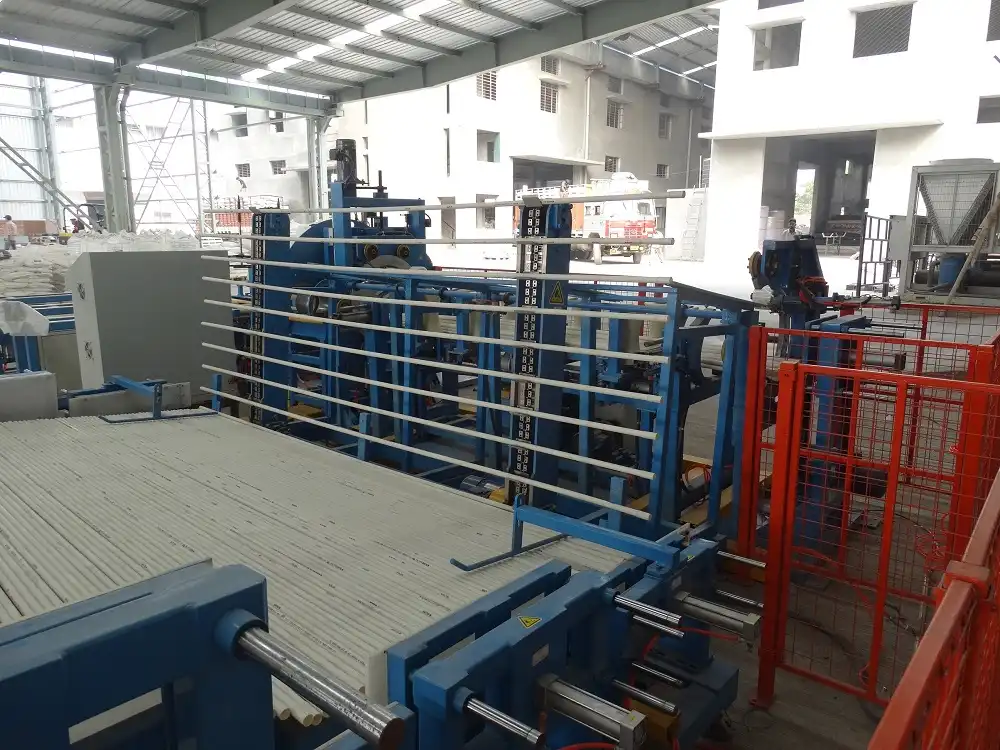
To ensure your PPR pipes remain in top condition, it’s vital to manage specific environmental factors within your indoor storage facility. Let’s break down these crucial elements:
Temperature and Humidity: The Balancing Act
Maintaining the correct temperature and humidity levels is paramount for preventing damage to PPR pipes during storage. Fluctuations and extremes can lead to significant issues. Consider the following table which outlines ideal and problematic conditions:
| Factor | Ideal Condition | Problematic Condition | Consequence |
|---|---|---|---|
| Temperature | 5°C – 30°C (41°F – 86°F) | Below 0°C (32°F) or Above 40°C (104°F) | Embrittlement at low temperatures, softening/deformation at high temperatures |
| Humidity | 30% – 50% Relative Humidity, Well-Ventilated | Above 70% Relative Humidity, Poor Ventilation | Mold and mildew growth, potential bacterial contamination, material degradation especially if packaging is compromised |
| Temperature Fluctuation | Gradual changes, minimal daily variation | Rapid and wide swings in temperature | Stress on the material, potential for expansion and contraction leading to cracks over time |
As shown, extreme temperatures can directly affect the physical properties of PPR pipes. Excessive heat can cause softening and deformation, while freezing temperatures can lead to brittleness and cracking, especially if the pipes contain any residual moisture. Indoor warehouse humidity control is equally critical. High humidity encourages mold and mildew, which can not only degrade the pipe surface but also pose hygiene risks, particularly concerning for pipes intended for potable water systems. Furthermore, trapped moisture can lead to hydrolysis over extended storage periods, weakening the polymer structure. Ventilation mitigates these risks by preventing stagnant, humid air from accumulating. Ideally, a climate-controlled warehouse solution should be considered for long-term or large-scale PPR pipe storage, especially in regions with significant seasonal climate variations. This ensures consistent environmental conditions, preserving the pipes’ integrity until they are ready for installation.
Proper Handling and Stacking Techniques
Beyond environmental conditions, the physical handling and stacking of PPR pipes are crucial to prevent damage during storage. Incorrect practices can lead to deformation, scratches, and even structural compromise.
Proper handling of PPR pipes involves careful loading, unloading, and transportation to avoid physical damage such as scratches, dents, or cracks. Stack pipes horizontally on a flat, level surface with supports at appropriate intervals to prevent sagging. Limit stacking height to 1.5 meters to avoid pressure damage to lower layers. Use protective packaging or padding between layers if necessary, and always lift and move pipes with care, avoiding dragging or dropping.
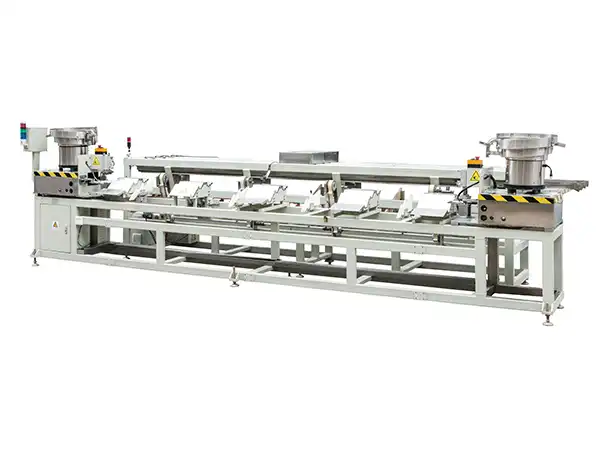
To maintain the quality of PPR pipes during storage, implementing proper handling and stacking techniques is essential. This section will explore practical guidelines to minimize physical risks and ensure the pipes remain in optimal condition:
Step-by-Step Guide to Handling and Stacking PPR Pipes
Effective handling and stacking are more than just arranging pipes neatly; they are about preventing damage and ensuring accessibility. Here’s a step-by-step guide to best practices:
-
Receiving and Unloading: Upon arrival, carefully unload PPR pipes. Use forklifts or cranes with appropriate slings or supports to lift bundles without causing stress or bending. Avoid dropping pipes from trucks or dragging them across rough surfaces.
-
Inspection Before Storage: Before storing, inspect each bundle for any signs of damage incurred during transit, such as crushed ends, cracks, or significant scratches. Document any damage immediately upon receipt.
-
Surface Preparation: Choose a storage area with a flat, level surface. Concrete floors are ideal. Ensure the area is free of debris, sharp objects, or anything that could puncture or deform the pipes.
-
Stacking Method:
- Horizontal Stacking: This is the most common method. Place pipes in horizontal layers, ensuring each layer is aligned and stable.
- Support Intervals: Use wooden beams or supports at intervals of approximately 1 meter (3 feet) to prevent sagging, especially for longer pipes or heavier diameters. The support interval may need to be adjusted based on pipe diameter and wall thickness.
- Layer Separation: For added protection, especially for pipes with delicate surfaces or in high-traffic warehouses, consider placing a layer of cardboard or foam padding between layers of pipes.
-
Stacking Height Limit: Adhere strictly to the maximum stacking height of 1.5 meters (approximately 5 feet). Exceeding this height can cause the pipes at the bottom to bear excessive weight, leading to deformation or ovality.
-
Securing Stacks: If there’s a risk of stacks toppling over, especially in areas prone to vibrations or earthquakes, use straps or chocks to secure the stacks. However, avoid over-tightening straps which can also deform pipes.
-
Accessibility: Plan your stacking layout to ensure easy access to pipes when needed. Avoid burying older stock under newer arrivals – implement a First-In, First-Out (FIFO) system whenever possible.
-
Handling During Retrieval: When retrieving pipes from stacks, lift them carefully. Avoid pulling pipes from the middle of a stack, which can cause other pipes to shift or fall.
By following these detailed steps, you can significantly reduce the risk of physical damage to PPR pipes during indoor storage, maintaining their quality and usability for future plumbing projects. These practices not only protect the material investment but also contribute to safer warehouse operations.
Maintaining Cleanliness and Preventing Contamination
Maintaining the cleanliness of PPR pipes during storage is crucial, especially since they are often used in potable water systems. Contamination can compromise hygiene and potentially affect the pipes’ performance over time.
To maintain cleanliness, store PPR pipes in a clean, dry indoor warehouse, away from dust, dirt, and pests. Keep pipes covered or packaged to protect them from airborne contaminants. Regularly inspect the storage area for cleanliness and address any spills or debris promptly. Ensure the pipes are not stored near chemicals, solvents, or other substances that could cause chemical contamination or degradation.
Ensuring PPR pipes remain free from contamination during storage is paramount, particularly for applications involving drinking water. This section details how to maintain cleanliness and prevent various forms of contamination effectively.
Comprehensive Strategies for Cleanliness and Contamination Prevention
Keeping PPR pipes clean is not just about aesthetics; it’s about preventing potential health hazards and material degradation. Here are key strategies:
-
Choose a Clean Storage Facility: Select an indoor warehouse that is inherently clean. Concrete floors are preferable as they are easier to clean and less likely to harbor pests compared to dirt or wooden floors. Ensure the facility has a pest control program to minimize risks from rodents and insects.
-
Dust and Debris Control: Regularly clean the storage area to remove dust, dirt, and construction debris. Implement a routine sweeping or vacuuming schedule. Consider using air filtration systems in the warehouse to reduce airborne particulate matter.
-
Protective Covering and Packaging: Store PPR pipes in their original packaging whenever possible. If original packaging is damaged, re-wrap bundles with clean plastic sheeting or tarps to protect them from dust and airborne contaminants. For individual pipes removed from bundles, consider storing them in clean sleeves or racks.
-
Segregation from Contaminants:
- Chemical Segregation: Store PPR pipes well away from chemicals, solvents, paints, fuels, and other potentially harmful substances. Chemical fumes can permeate plastic materials, leading to degradation or contamination. Create physical barriers or designated zones within the warehouse to separate pipes from chemicals.
- Physical Segregation: Keep pipes away from areas where welding, grinding, or other activities that produce sparks or debris are conducted.
-
Pest Prevention Measures: Implement pest control measures to prevent rodents and insects from nesting in or damaging pipe stacks. Seal any cracks or openings in the warehouse structure that could serve as entry points for pests. Use traps and deterrents as necessary, ensuring they do not themselves pose a contamination risk to the pipes.
-
Spill Management Protocol: Establish a clear protocol for managing spills in the storage area. Have spill cleanup kits readily available to address any accidental spills of oil, chemicals, or other substances immediately to prevent contamination.
-
Regular Inspections for Cleanliness: Conduct routine inspections of the storage area to check for cleanliness and signs of contamination. Look for dust buildup, pest droppings, spills, or any unusual odors. Address any issues found promptly.
-
Handling with Cleanliness in Mind: Train warehouse personnel on the importance of cleanliness when handling PPR pipes. Encourage the use of clean gloves when handling pipes, especially if they are to be used in potable water systems.
By diligently following these cleanliness and contamination prevention strategies, you can safeguard the integrity of PPR pipes during storage, ensuring they remain hygienic and perform optimally when installed. These measures are crucial for maintaining product quality and upholding safety standards, especially in plumbing applications where water purity is paramount.
Long-Term Storage and Inspection Guidelines
For PPR pipes intended for long-term storage, or those that have been in storage for an extended period, specific guidelines should be followed to ensure they remain in usable condition. Regular inspections are key to identifying and addressing potential issues before they escalate.
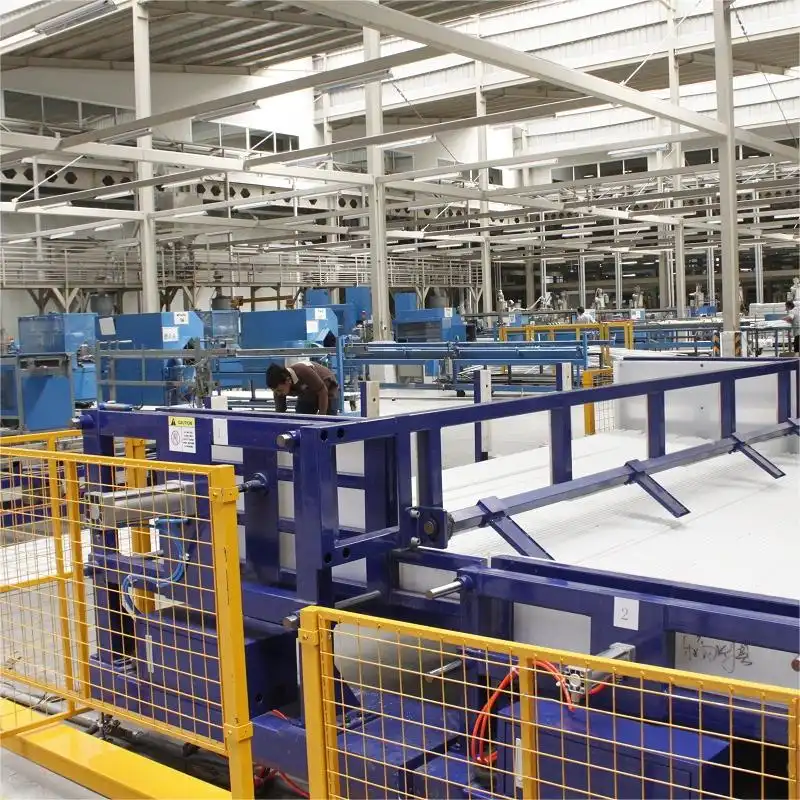
For long-term PPR pipe storage, maintain consistent environmental conditions, adhere to proper stacking methods, and implement a regular inspection schedule. Inspect pipes at least quarterly for signs of physical damage, deformation, discoloration, or contamination. Before use, pipes stored for over a year should undergo a more thorough inspection, including pressure testing if feasible, to ensure material integrity and performance are not compromised by prolonged storage.
To effectively manage long-term storage of PPR pipes and ensure their continued reliability, a proactive approach involving regular inspections and specific protocols is necessary. This section outlines essential guidelines for long-term storage and detailed inspection procedures.
Protocols for Extended Storage and Regular Inspection
Long-term storage necessitates more than just setting pipes aside; it requires ongoing vigilance to detect and mitigate any storage-related degradation. Here’s how to manage extended storage and inspections:
-
Establish a Storage Duration Tracking System: Implement a system to track the storage start date for each batch or bundle of PPR pipes. This is crucial for scheduling inspections and determining if pipes are nearing or exceeding recommended storage durations. Use labels or inventory management software to maintain accurate records.
-
Regular Inspection Schedule: Conduct routine inspections at least quarterly. Increase frequency to monthly in environments with less controlled conditions or where pipes are stored for critical applications.
-
Detailed Inspection Checklist: Develop a checklist for inspections that includes:
- Visual Examination: Check for surface defects such as scratches, dents, cracks, blistering, or discoloration. Pay special attention to pipe ends and fittings.
- Deformation Check: Examine pipes for any signs of bending, sagging, or ovality. Use a level or straight edge to check for straightness, and calipers to measure pipe diameter to ensure it remains within specifications.
- Contamination Assessment: Look for signs of mold, mildew, dust buildup, pest infestation, or chemical stains.
- Packaging Integrity: If pipes are packaged, check the condition of packaging for tears, moisture damage, or breaches.
- Label Verification: Ensure labels are still legible and correctly identify the pipes.
-
Documentation of Inspections: Keep a detailed log of all inspections, noting the date, inspector, findings, and any corrective actions taken. This record is vital for tracking trends and demonstrating due diligence in maintaining product quality.
-
Corrective Actions Based on Inspection Findings:
- Minor Issues (Dust, Minor Surface Scratches): Clean pipes as necessary, and re-package if packaging is compromised.
- Moderate Issues (Deformation, Discoloration): Quarantine affected pipes for further testing or consider downgrading them for less critical applications. Consult manufacturer guidelines for acceptable tolerances.
- Severe Issues (Cracks, Significant Damage): Remove pipes from inventory. They should not be used as they may pose a risk of failure.
-
Pre-Use Inspection for Long-Stored Pipes: Before using PPR pipes that have been in storage for over a year, conduct a more thorough pre-use inspection. This may include:
- Non-Destructive Testing: Consider ultrasonic testing to check for internal defects, especially for high-value or critical applications.
- Pressure Testing (If Feasible): For a sample of pipes, perform hydrostatic pressure tests to verify their structural integrity. Follow industry standards for testing procedures.
-
Storage Environment Re-evaluation: Periodically re-evaluate the storage environment. Check if temperature and humidity controls are functioning correctly and if ventilation is adequate. Make adjustments as needed to maintain optimal conditions.
By adhering to these comprehensive long-term storage and inspection guidelines, you can proactively manage the quality of PPR pipes, minimize risks associated with extended storage, and ensure that materials remain reliable and safe for their intended applications, even after prolonged periods in storage. Regular vigilance and systematic inspection are key to preserving the investment in PPR pipe inventory.
Conclusion
Proper indoor storage of PPR pipes is essential for preserving their quality, performance, and longevity. By adhering to best practices in environmental control, handling, cleanliness, and long-term maintenance, you can significantly reduce the risk of damage and ensure these pipes are ready for reliable service when needed. Implementing these guidelines protects your investment and contributes to the success of plumbing projects by ensuring material integrity from warehouse to installation.








