
What Are the Best Practices for Pipe Bundling Machine Operator Training in Multi-Shift Operations?
A well-executed training program is vital for the safe and efficient operation of pipe bundling machines across all shifts. Competent operators are key to minimizing downtime and maximizing productivity in demanding environments.
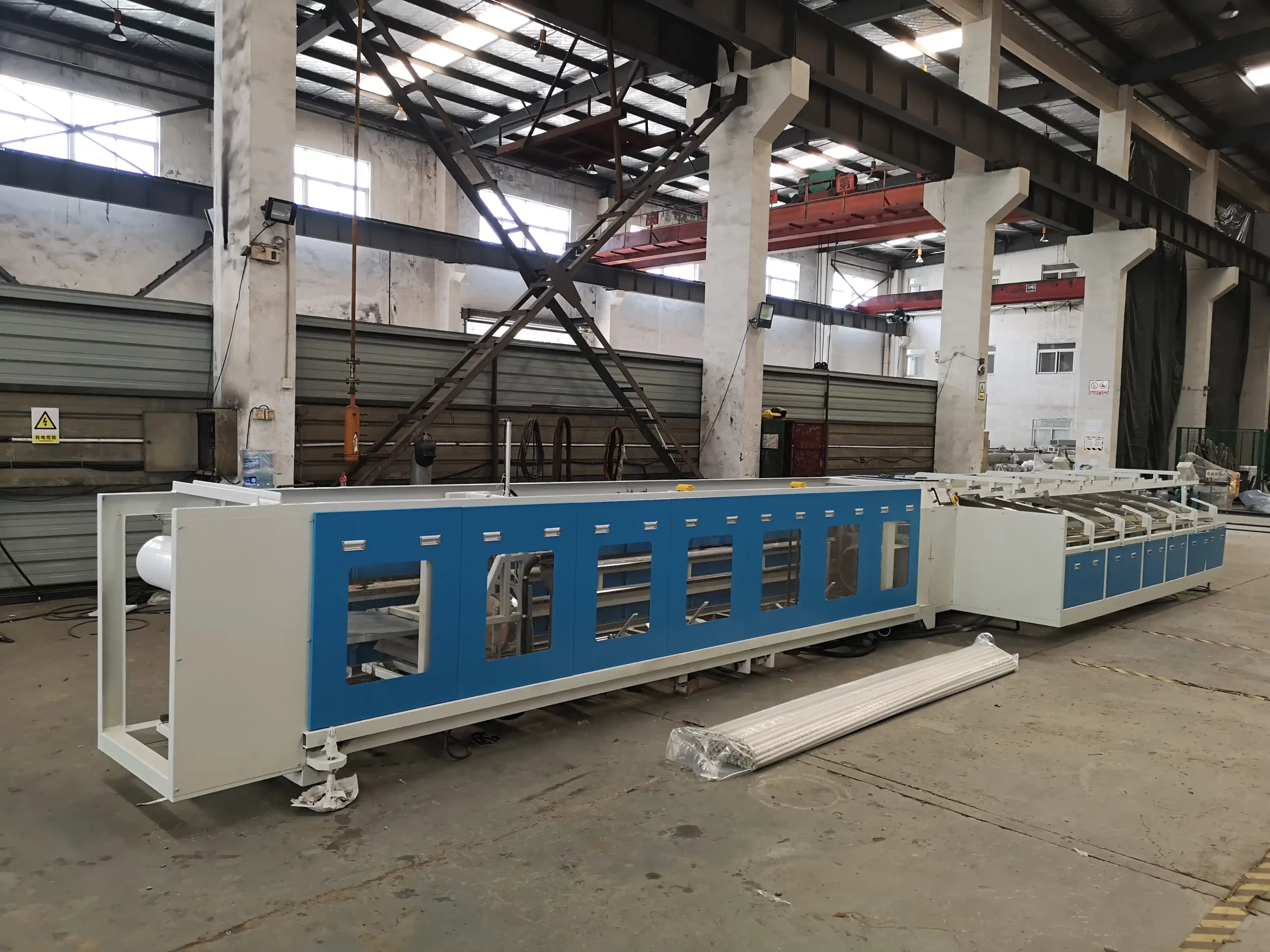
The best practices for pipe bundling machine operator training in multi-shift operations encompass standardized modules, hands-on exercises, continuous assessment, and comprehensive cross-training. Regular refresher courses and a strong emphasis on safety protocols are paramount for achieving optimal performance and minimizing operational disruptions.
Maintaining consistent operational standards across multiple shifts presents significant challenges. This article delves into strategies for ensuring your pipe packaging machines operators are thoroughly prepared and consistently perform at their best.
1: Developing a Standardized Training Curriculum
A structured training curriculum is essential for consistent and efficient pipe bundling operations. It ensures that all operators, regardless of their shift, receive the same fundamental knowledge and skills, leading to improved performance across the board.
A standardized curriculum should cover machine operation, safety, troubleshooting, and maintenance. Modules must focus on specific machine functions, common issues, and emergency protocols. This ensures a uniform level of expertise across all shifts, resulting in safer and more productive operations.
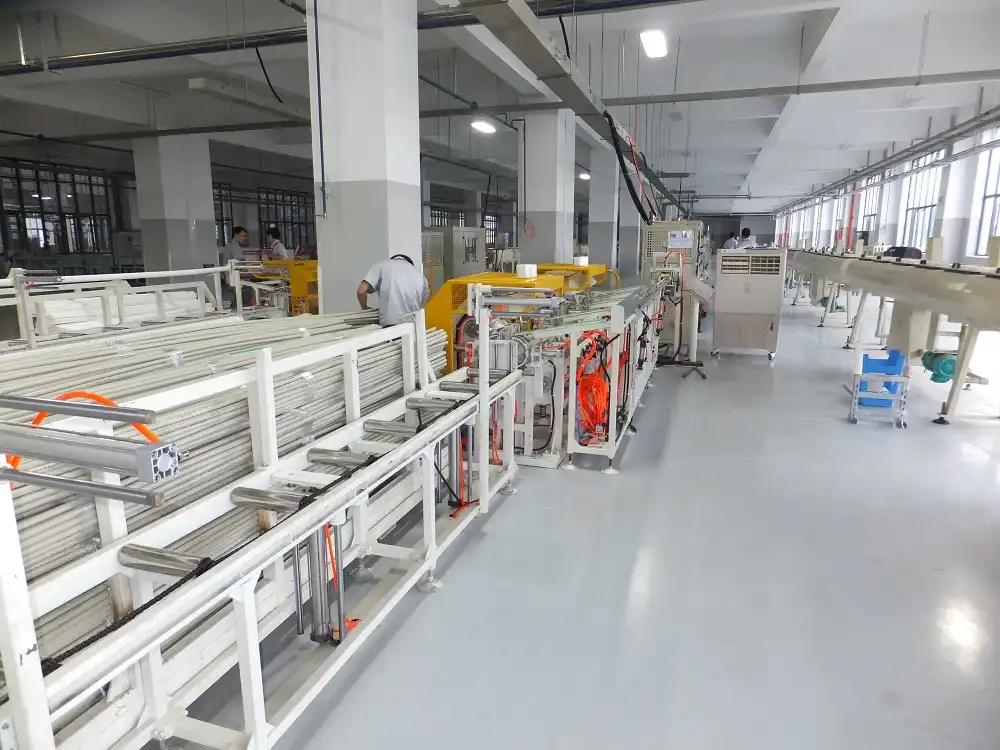
Building a Robust Curriculum: Key Components and Considerations
How do you create a curriculum that truly prepares operators? It involves more than just compiling a manual. It necessitates carefully examining the different components of the bundling process and designing training modules to target specific areas.
Key Components of a Standardized Training Curriculum
A comprehensive curriculum addresses all aspects of machine operation, safety, and maintenance. This involves a blend of theoretical knowledge and practical skills training, ensuring operators understand both the “why” and the “how.”
-
Machine Operation Fundamentals: This module should cover the basic components of the machine, their functions, and how they interact.
- Control Panel Familiarization: Provide a detailed explanation of all buttons, switches, and indicators on the control panel.
- Startup and Shutdown Procedures: Outline step-by-step instructions for safely starting and shutting down the machine.
- Operating Modes: Explain different operating modes (automatic, semi-automatic, manual) and their appropriate uses.
- Parameter Settings: Demonstrate how to adjust parameters like bundling speed, tension, and wrapping patterns for different pipe sizes and materials.
-
Safety Protocols and Emergency Procedures: Safety is of utmost importance. This module focuses on preventing accidents and ensuring operators know how to respond in emergencies.
- Lockout/Tagout (LOTO) Procedures: Explain proper procedures for de-energizing the machine for maintenance or repairs.
- Emergency Stop Procedures: Show the location and operation of emergency stop buttons.
- Safety Interlocks: Teach operators to understand and respect safety interlocks that prevent operation when guards are open.
- Personal Protective Equipment (PPE): List the required PPE for operating the machine (safety glasses, gloves, etc.).
- Hazard Recognition: Teach operators to identify potential hazards associated with the machine.
-
Troubleshooting and Maintenance: This module equips operators with the skills to identify and resolve common issues and perform basic maintenance tasks.
- Common Error Codes: Explain the meaning of common error codes and how to resolve them.
- Basic Troubleshooting: Outline steps for diagnosing and fixing simple problems like jams, sensor failures, and material shortages.
- Lubrication and Cleaning: Provide proper procedures for lubricating moving parts and cleaning the machine.
- Inspection Procedures: Teach operators how to perform regular inspections for signs of wear and tear.
Curriculum Structure
To effectively deliver the training content, consider the following structured approach:
| Module | Content | Duration (Approx.) | Delivery Method |
|---|---|---|---|
| Machine Operation Fundamentals | Control panel overview, startup/shutdown, operating modes, parameter settings | 4 hours | Classroom instruction, hands-on practice |
| Safety Protocols | LOTO, emergency stops, safety interlocks, PPE, hazard recognition | 2 hours | Classroom instruction, video demonstrations |
| Troubleshooting & Maintenance | Common error codes, basic troubleshooting, lubrication, cleaning, inspection | 4 hours | Hands-on practice, guided problem-solving |
| Assessment | Written exam, practical skills assessment | 2 hours | Exam and practical demonstration |
By implementing this structured curriculum, you ensure that all operators, regardless of their shift, possess a solid foundation of knowledge and skills necessary to operate the pipe bundling machine safely and efficiently.
2: Hands-On Training and Skill Assessment
Theory alone is insufficient. Hands-on training allows operators to apply their knowledge and develop practical skills, ultimately making them competent and confident in their roles.
Hands-on training should simulate real-world scenarios, covering machine startup, operation, troubleshooting, and maintenance tasks. Regular skill assessments are crucial to identify areas needing improvement and ensure operators maintain proficiency in operating pipe bundling machines.
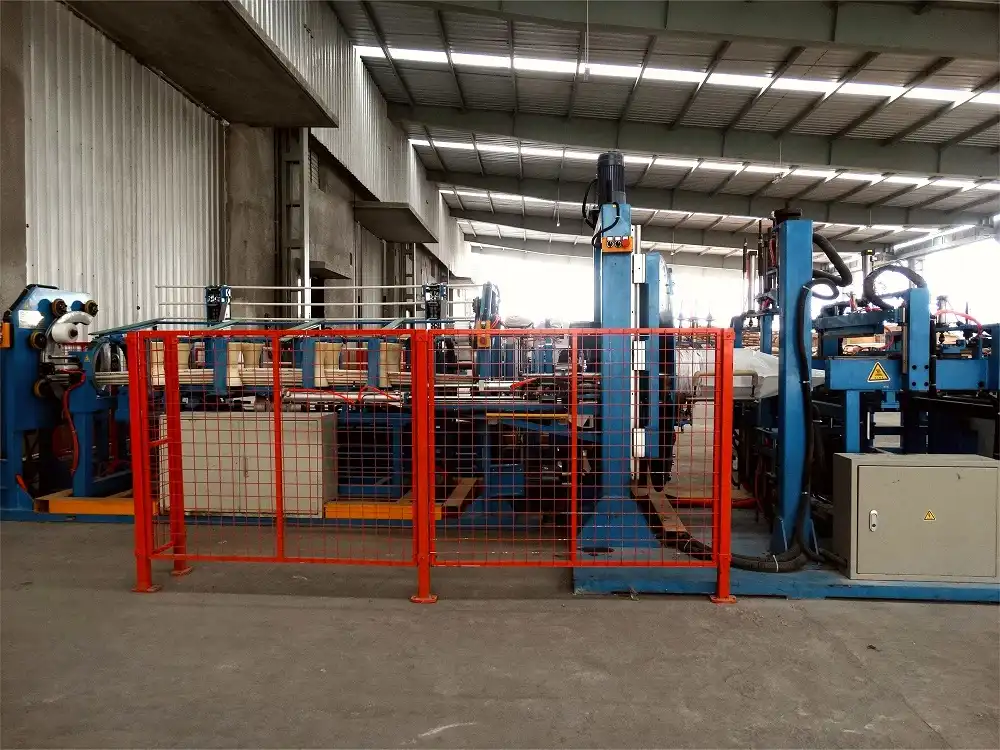
Crafting Effective Hands-On Training Modules
Effective hands-on training requires a structured approach, focusing on practical application and real-world scenarios. It involves designing training modules that progressively build skills, starting with basic operations and advancing to complex troubleshooting.
-
Simulating Real-World Scenarios: Create realistic scenarios that operators are likely to encounter during their shifts.
- Simulated Pipe Jams: Intentionally create pipe jams to train operators on how to safely and efficiently clear them.
- Material Shortages: Simulate material shortages to practice changeover procedures and minimize downtime.
- Parameter Adjustments: Have operators adjust machine parameters to optimize performance for different pipe sizes and materials.
- Emergency Shutdowns: Practice emergency shutdown procedures to ensure operators know how to respond quickly and safely in critical situations.
-
Progressive Skill Building: Design the training modules to progressively build skills, starting with basic operations and advancing to more complex tasks.
- Module 1: Basic Machine Operation: Focus on starting and stopping the machine, loading materials, and understanding the control panel.
- Module 2: Parameter Adjustments: Train operators on how to adjust parameters like bundling speed, tension, and wrapping patterns for different pipe sizes and materials.
- Module 3: Troubleshooting and Maintenance: Teach operators how to identify and resolve common issues, perform basic maintenance tasks, and inspect the machine for signs of wear and tear.
- Module 4: Advanced Operations: Cover advanced topics like optimizing machine performance, reducing waste, and improving efficiency.
-
Skill Assessment: Regular skill assessments are essential to gauge operator proficiency and identify areas needing improvement.
- Written Exams: Test operators’ knowledge of machine operation, safety procedures, and troubleshooting techniques.
- Practical Skills Assessments: Observe operators performing various tasks, such as starting the machine, adjusting parameters, clearing jams, and performing maintenance.
- Performance Evaluations: Conduct regular performance evaluations to assess operators’ overall performance and identify areas where they can improve.
Hands-On Skill Assessment Matrix
| Skill | Assessment Method | Passing Criteria | Frequency |
|---|---|---|---|
| Machine Startup | Direct Observation | Successfully starts the machine without errors and follows all safety procedures. | After Module 1 |
| Parameter Adjustment | Performance Evaluation | Adjusts parameters correctly for different pipe sizes, achieving optimal performance. | After Module 2 |
| Troubleshooting | Simulated Scenarios | Identifies and resolves common issues quickly, minimizing downtime. | After Module 3 |
| Emergency Shutdown | Simulated Emergency | Executes emergency shutdown procedures correctly and safely within the specified time. | After Module 1 |
By implementing a well-structured hands-on training program with regular skill assessments, you can ensure that operators are competent, confident, and capable of operating the pipe bundling machine safely and efficiently.
3: Implementing Cross-Training and Shift Handovers
Cross-training offers flexibility and redundancy, ensuring operations continue smoothly even if an operator is absent. Effective shift handovers are critical for maintaining continuity and operational awareness.
Cross-training involves training operators on multiple roles and tasks, creating a more versatile workforce. Thorough shift handovers ensure all relevant information, including machine status, production targets, and ongoing issues, is communicated effectively to the next shift.
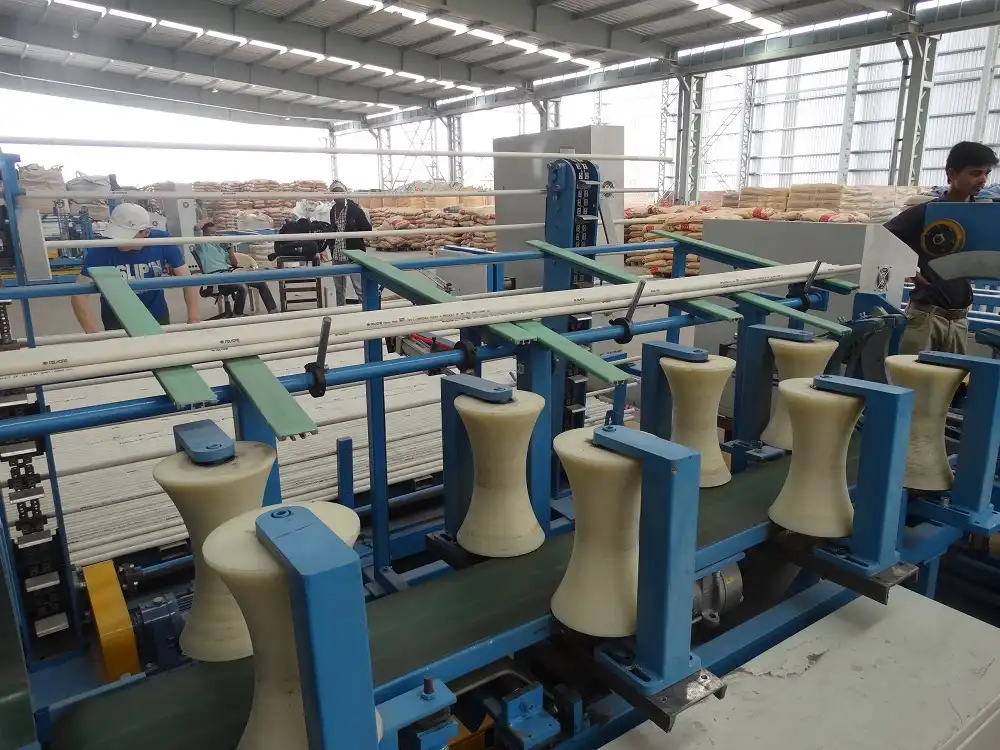
Streamlining Operations: Cross-Training and Seamless Transitions
How do we ensure cross-training programs and shift handovers become more than just routine activities and deliver tangible benefits?
-
Designing a Cross-Training Program: A well-designed cross-training program involves identifying key skills and roles, creating training modules, and providing opportunities for operators to practice their new skills.
- Identify Key Skills and Roles: Determine the essential skills and roles needed to operate the pipe bundling machine efficiently.
- Create Training Modules: Develop training modules that cover the knowledge and skills required for each role.
- Provide Hands-On Practice: Give operators opportunities to practice their new skills in a real-world setting.
- Assess Operator Proficiency: Regularly assess operator proficiency to ensure they have mastered the skills required for each role.
-
Standardizing Shift Handover Procedures: Standardized shift handover procedures ensure that all relevant information is communicated effectively from one shift to the next.
- Develop a Checklist: Create a checklist of items to be covered during shift handovers, including machine status, production targets, ongoing issues, and any safety concerns.
- Designate a Handover Area: Designate a specific area for shift handovers to minimize distractions and ensure that all relevant personnel are present.
- Provide Training: Train operators on the importance of effective shift handovers and how to use the checklist.
- Monitor Handover Effectiveness: Regularly monitor shift handovers to ensure they are being conducted effectively and that all relevant information is being communicated.
Keys to Seamless Transition
| Aspect | Key Considerations | Best Practice Example |
|---|---|---|
| Cross-Training | Identify critical roles, skills matrix, regular rotations, proficiency assessments | Rotate operators through different stations every month, assessing their skills quarterly. |
| Shift Handover | Standardized checklist, dedicated handover time, clear communication, documentation | Use a digital checklist accessible on tablets for real-time updates and documentation. |
| Communication | Open lines, regular meetings, feedback mechanisms | Hold brief daily meetings to discuss challenges and improvements, encouraging feedback from all operators. |
By implementing a well-designed cross-training program and standardized shift handover procedures, you can create a more versatile workforce and ensure that operations continue smoothly even when an operator is absent.
4: Continuous Improvement and Refresher Training
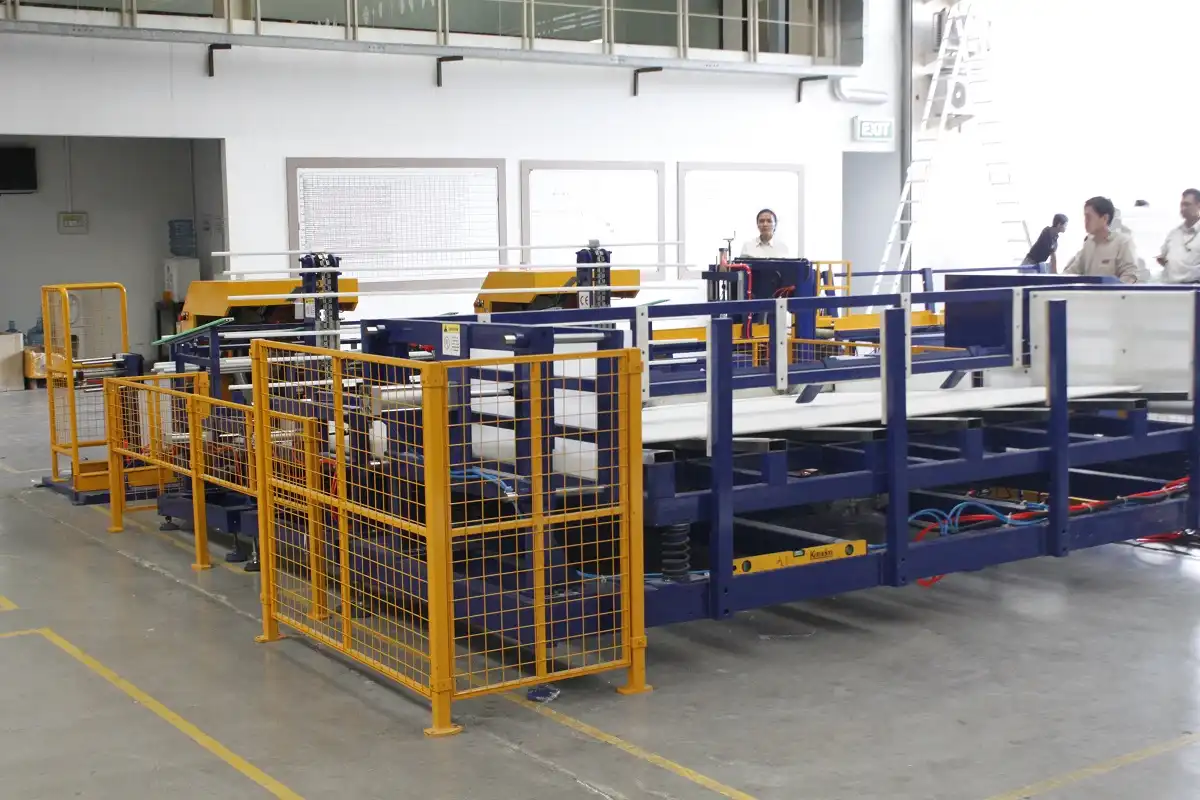
Continuous Improvement and Refresher Training is vital for sustaining high levels of proficiency in operating pipe bundling machines. These activities should focus on reinforcing core skills, introducing new technologies, and addressing any performance gaps. Operators should receive ongoing feedback and opportunities to enhance their knowledge through regular evaluations and collaborative discussions. This creates a dynamic learning environment where everyone learns and performance is continuously improved.For continuous improvement, it’s best to conduct regular performance reviews and analyze data to pinpoint areas where additional training may be needed. By investing in refresher training programs, the company can make sure all of the employees follow the best practices and run the machines safely and efficiently.
Regular refresher training reinforces learned skills, introduces new techniques, and addresses any performance gaps. Continuous improvement involves regularly reviewing training programs, gathering feedback from operators, and implementing changes to optimize performance. Refresher training should cover new procedures, equipment updates, and best practices, guaranteeing operators stay up-to-date.
Optimizing pipe bundling machine operator training in multi-shift operations is essential for maximizing productivity, ensuring safety, and maintaining consistent quality. By developing a standardized training curriculum, providing hands-on training, implementing cross-training, and fostering a culture of continuous improvement, manufacturers can empower their workforce to operate these machines efficiently and effectively across all shifts. This holistic approach minimizes downtime, reduces errors, and contributes to a more productive and profitable operation.








