
What Are the Best Practices for Calibrating Automated Coil Wrapping Machines?
Are you struggling with inconsistent coil wrapping quality, or facing unexpected downtime on your automated coil wrapping machines? These issues often stem from a single, overlooked factor: calibration. Without proper calibration, even the most advanced automated systems can underperform. Discover how mastering calibration best practices can transform your coil wrapping process, ensuring precision, reliability, and peak efficiency.
To calibrate automated coil wrapping machines effectively, establish a routine schedule based on manufacturer recommendations and machine usage. Utilize precision instruments like laser interferometers for linear and angular calibrations, and employ calibration software to automate data collection and analysis. Regularly review instrumentation classification, leverage calibration data for optimization, and ensure a stable calibration environment with controlled temperature and humidity.
Ensuring your automated coil wrapping machines operate at their best requires a commitment to regular and meticulous calibration. Let’s delve into the essential best practices that will keep your operations running smoothly and your coil quality consistently high.
1: Understanding the Importance of Machine Calibration for Coil Wrapping
Are you aware that even minor misalignments in your coil wrapping machines can lead to significant material waste and production delays? Imagine the cumulative cost of rejected coils and repeated adjustments. The solution? A robust calibration program. Understanding why calibration is crucial is the first step towards optimizing your automated coil wrapping process.
Machine calibration is paramount for automated coil wrapping machines to guarantee accuracy, enhance product quality, and boost operational efficiency. Regular calibration minimizes material waste by ensuring precise wrapping, reduces downtime through proactive maintenance, and ensures compliance with quality standards, ultimately leading to significant cost savings and improved productivity.

Dive Deeper into Calibration Benefits
Calibration is not merely a maintenance task; it’s a strategic investment that yields substantial returns in the long run. To fully appreciate its value, let’s break down the key benefits:
Improved Accuracy and Precision
At the heart of calibration lies the pursuit of accuracy. Coil wrapping machines rely on precise movements and measurements to apply wrapping material correctly. Calibration ensures that the machine operates within specified tolerances, leading to consistently accurate wrapping patterns and coil dimensions. This precision minimizes errors and variations, crucial for industries with stringent quality requirements.
Enhanced Product Quality and Consistency
Consistent coil quality is paramount for customer satisfaction and minimizing waste. Calibration directly contributes to this by ensuring each coil is wrapped uniformly and securely. By eliminating inconsistencies caused by machine drift or misalignment, calibration helps maintain a high standard of product quality, reducing the likelihood of defects and customer returns.
Increased Operational Efficiency and Reduced Downtime
Uncalibrated machines are prone to errors and breakdowns, leading to costly downtime and production delays. Regular calibration acts as a preventative measure, identifying and correcting potential issues before they escalate. By ensuring machines operate optimally, calibration maximizes uptime and throughput, boosting overall operational efficiency.
Cost Savings and Waste Reduction
The financial benefits of calibration are multifaceted. Accurate wrapping minimizes material waste by preventing over or under-wrapping. Reduced downtime translates to fewer production interruptions and lower maintenance costs. Furthermore, consistent product quality minimizes scrap and rework, leading to significant cost savings across the board.
To illustrate the impact of calibration, consider the following comparison:
| Feature | Uncalibrated Machine | Calibrated Machine | Improvement |
|---|---|---|---|
| Wrapping Accuracy | ± 0.5 mm | ± 0.1 mm | 80% |
| Material Waste per Coil | 5% | 1% | 80% |
| Downtime per Month | 10 hours | 2 hours | 80% |
| Rework Rate | 3% | 0.5% | 83% |
| Overall Equipment Efficiency (OEE) | 70% | 90% | 29% |
This table clearly demonstrates the tangible improvements in accuracy, waste reduction, efficiency, and overall performance achieved through regular machine calibration. Investing in calibration is investing in operational excellence and long-term profitability.
2: Types of Calibration for Automated Coil Wrapping Machines
Just as there are various aspects to coil wrapping, calibration itself isn’t a one-size-fits-all process. Different components of your automated coil wrapping machines require specific types of calibration to ensure optimal performance. Understanding these different types is crucial for a comprehensive and effective calibration strategy.
Common types of calibration for automated coil wrapping machines include linear calibration for axis positioning, angular calibration for rotational components, and geometric calibration to ensure proper alignment of machine elements. Thermal calibration may also be necessary to compensate for temperature-induced variations, ensuring accuracy across different operating conditions.
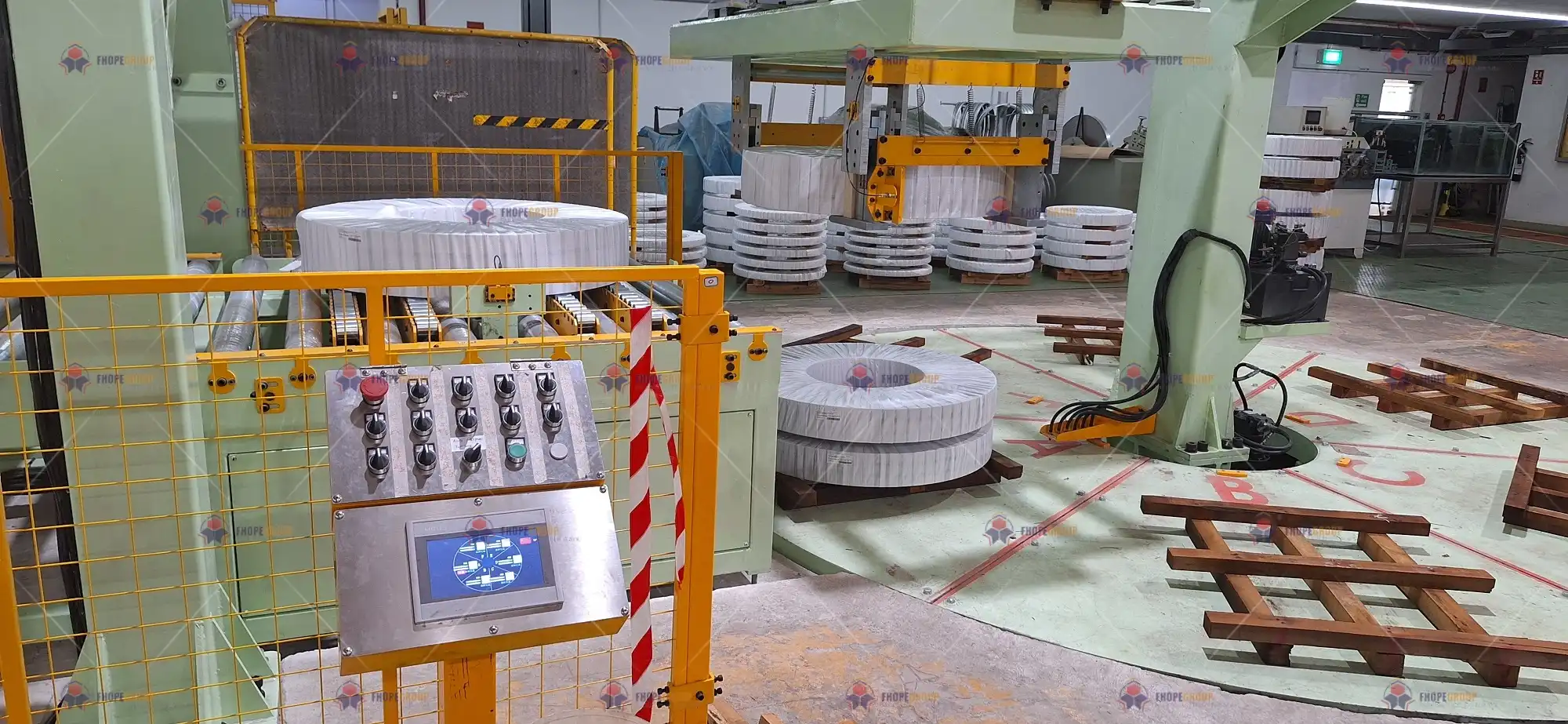
Exploring Calibration Methodologies
To maintain the precision of automated coil wrapping machines, a range of calibration methods are employed, each addressing specific aspects of machine performance:
Linear Calibration
Linear calibration focuses on the accuracy of linear movements along the machine’s axes. This is crucial for ensuring that the wrapping head and coil positioning systems move precisely as programmed. Methods include using laser interferometers and linear encoders to measure and correct deviations in linear displacement and positioning accuracy.
Angular Calibration
Angular calibration addresses the precision of rotational components, such as turntables and rotary wrapping arms. Accurate angular positioning is essential for consistent and even wrapping around the coil. Rotary encoders, angular interferometers, and autocollimators are used to measure and adjust angular displacement and positioning accuracy.
Geometric Calibration
Geometric calibration verifies the spatial relationships between different machine components. This includes assessing straightness, flatness, squareness, and parallelism of axes and surfaces. Ensuring proper geometric alignment is critical for the overall accuracy and coordinated movement of the machine. Ball bars, artifact spheres, and coordinate measuring machines (CMMs) are utilized for volumetric calibration, evaluating three-dimensional accuracy.
Thermal Calibration
Temperature variations can significantly impact machine accuracy due to thermal expansion and contraction of components. Thermal calibration involves monitoring temperature changes and implementing compensation strategies to maintain accuracy across varying operating temperatures. Sensors and thermal cameras are used to assess thermal effects and optimize thermal compensation models.
Kinematic Calibration
Kinematic calibration focuses on optimizing the machine’s kinematic parameters, which define the relationships between joint movements and tool position. Accurate kinematic parameters are essential for precise and repeatable motion control. This type of calibration adjusts these parameters to minimize errors and enhance overall machine accuracy and repeatability.
By understanding and applying these diverse calibration methods, manufacturers can ensure that every aspect of their automated coil wrapping machines operates with maximum precision, contributing to superior coil quality and operational efficiency.
3: Best Practices for Performing Calibration
Knowing the types of calibration is only half the battle. The real difference lies in how you perform calibration. Are you relying on outdated manual methods, or leveraging the latest automated tools? Implementing best practices will streamline your calibration process, improve accuracy, and minimize downtime.
Best practices for calibrating automated coil wrapping machines include establishing a routine schedule, utilizing calibration software for automation, ensuring a stable calibration environment, and employing standardized reference artifacts. Documenting all calibration procedures and results is also crucial for traceability and quality assurance.

Implementing a Robust Calibration Process
To achieve optimal calibration outcomes, consider these detailed best practices, structured for clarity and actionability:
| Best Practice | Description | Tools & Technologies | Benefits |
|---|---|---|---|
| Establish a Routine Calibration Schedule | Base frequency on manufacturer recommendations, machine usage, and accuracy requirements. Regular schedules prevent drift and ensure consistent performance. | CMMS (Computerized Maintenance Management Systems), Calibration Management Software | Proactive maintenance, prevents unexpected errors, maintains accuracy over time, reduces reactive downtime. |
| Utilize Calibration Software | Employ software to automate data collection, analysis, reporting, and record management. Software streamlines the process, reduces manual errors, and enhances efficiency. | Renishaw UCCsuite, Heidenhain KinematicsOpt, Hexagon QUINDOS, custom calibration software solutions. | Increased efficiency, reduced manual errors, automated reporting, improved data management, enhanced traceability. |
| Ensure a Stable Calibration Environment | Perform calibration in a controlled environment with stable temperature and humidity. Environmental stability minimizes measurement errors caused by external factors. | Temperature and humidity sensors, environmental control systems, dedicated calibration rooms. | Higher accuracy measurements, reduced environmental influence on calibration results, improved repeatability and reliability of calibration. |
| Employ Standardized Reference Artifacts | Use certified reference artifacts with known dimensions and characteristics traceable to national or international standards. Standardized artifacts ensure calibration traceability and accuracy. | Laser interferometers, ball bars, artifact spheres, gauge blocks, coordinate measuring machines (CMMs), all with valid calibration certificates. | Traceable and accurate calibration, adherence to quality standards, reliable and consistent measurements, confidence in calibration results. |
| Document Calibration Procedures & Results | Maintain detailed records of all calibration procedures, as-found and as-left data, adjustments made, and personnel involved. Thorough documentation is crucial for traceability, audits, and continuous improvement. | Digital calibration certificates, CMMS integration, cloud-based documentation systems, paper-based logs (as a secondary measure). | Compliance with regulatory requirements (ISO 9001, etc.), facilitates audits, provides historical data for analysis, supports continuous improvement efforts, ensures accountability. |
By systematically implementing these best practices and leveraging the appropriate tools and technologies, manufacturers can establish a highly effective calibration process for their automated coil wrapping machines. This leads to enhanced machine performance, improved product quality, and significant operational advantages.
二级标题4: Implementing Calibration in Automated Coil Wrapping Systems
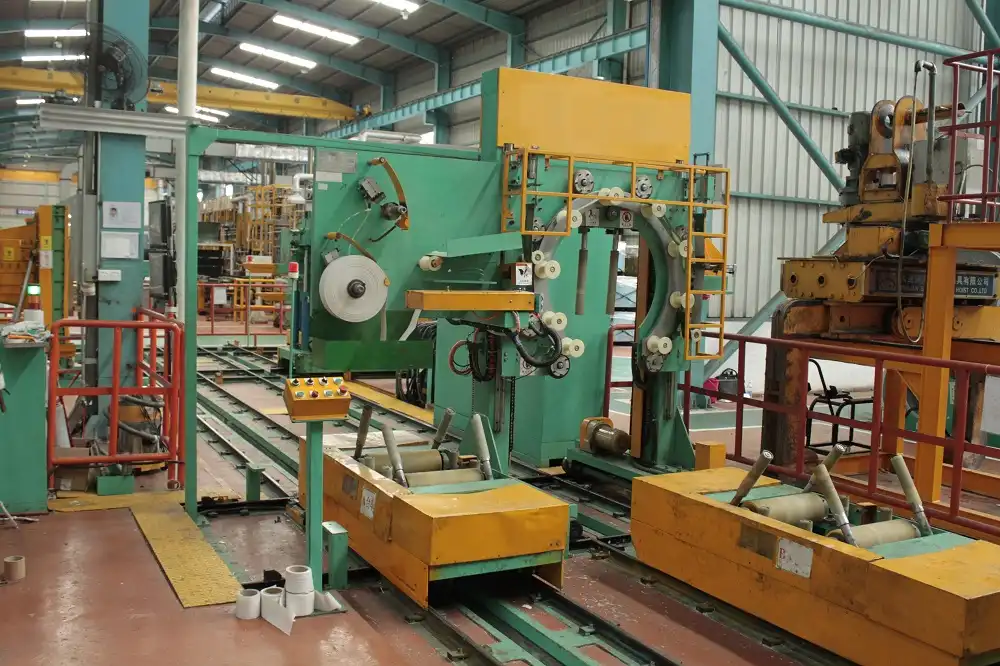
Implementing calibration within automated coil wrapping systems requires a strategic approach that integrates seamlessly with existing workflows and minimizes disruption to production. It’s not just about performing calibrations, but about making calibration an integral part of your automated process.
To implement calibration in automated coil wrapping systems, integrate calibration software with CMMS for streamlined scheduling and documentation. Utilize handheld documenting calibrators for efficient in-situ calibrations, and train personnel on standardized calibration procedures. Prioritize route-based calibration to minimize downtime and maximize technician productivity, ensuring consistent and accurate machine performance.
Integrating calibration into automated systems offers significant advantages. Automated calibration routines, often guided by software, can drastically reduce manual intervention, minimizing human error and speeding up the process. Data logging and analysis become seamless, providing valuable insights into machine performance trends and predicting maintenance needs. Remote calibration capabilities, increasingly common in modern systems, further enhance efficiency by allowing experts to diagnose and adjust machines without physical presence. Ultimately, a well-integrated calibration system ensures that automated coil wrapping machines consistently operate at peak accuracy and efficiency, minimizing downtime and maximizing throughput.
Conclusion
In conclusion, machine calibration is not merely a procedural step but a cornerstone of operational excellence for automated coil wrapping machines. By adhering to best practices in scheduling, methodologies, and implementation, manufacturers can ensure accuracy standards are met, performance is optimized, and coil wrapping processes are both efficient and reliable. Embracing a proactive approach to calibration is an investment in quality, productivity, and long-term success. For further enhancement of your coil handling and wrapping processes, explore advanced solutions like our coil packing line, designed to integrate seamlessly with calibrated machinery for peak performance.








