
What Are the Benefits of Using Automated Steel Wire Coiling Machines?
Imagine streamlining your steel wire production while minimizing manual labor. Automated steel wire coiling machines offer a pathway to increased efficiency and higher productivity, revolutionizing the coiling process.
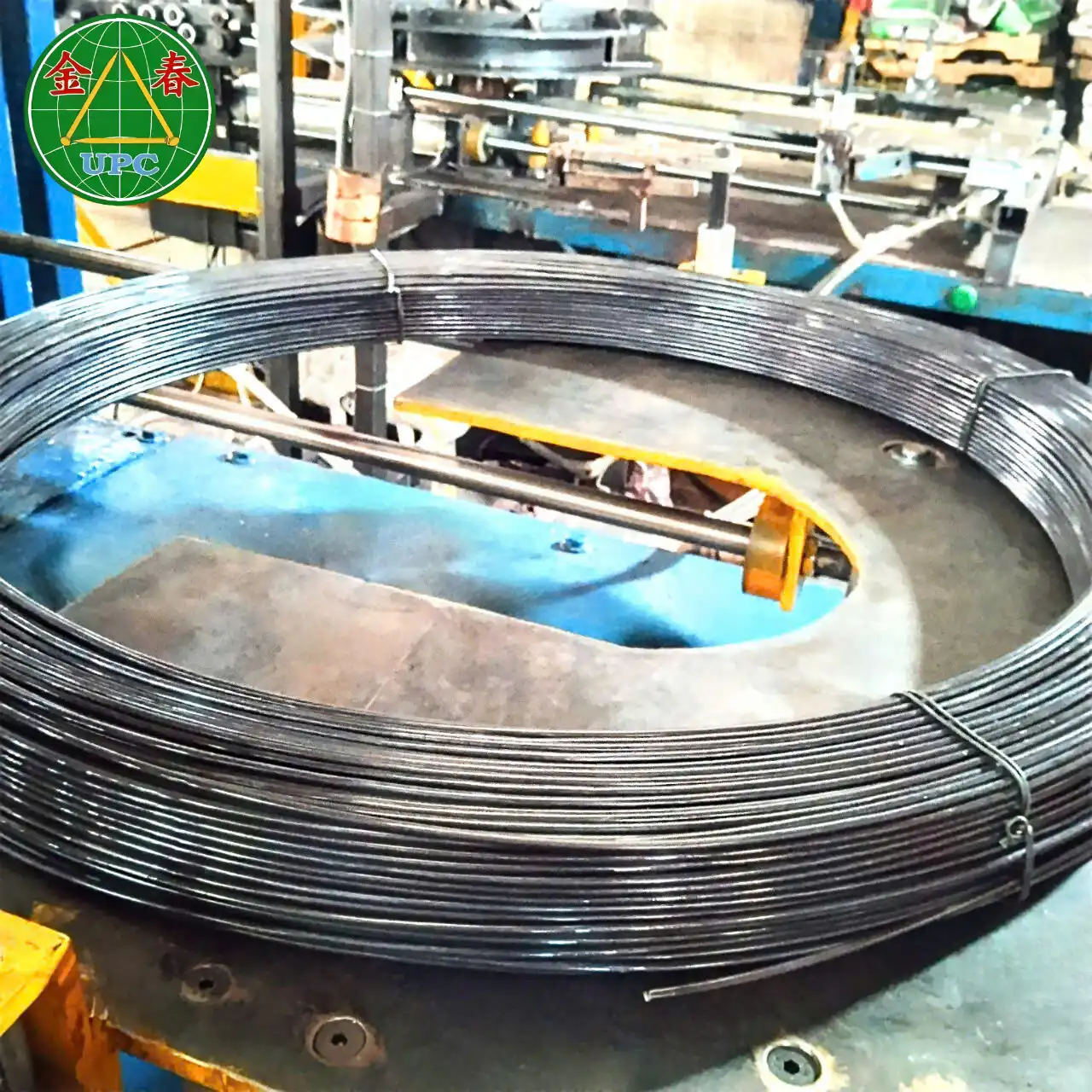
Automated steel wire coiling machines boost productivity by automating repetitive tasks, reducing labor costs, and improving consistency. They enhance efficiency benefits by precisely controlling wire tension and coil dimensions, leading to less material waste and superior coil quality. With faster cycle times and minimized downtime, these machines optimize workflow and maximize output.
Ready to uncover how these cutting-edge machines can transform your steel wire production line? Let’s explore the specific ways they boost your operations, from enhancing safety to minimizing waste.
1. Enhanced Safety and Reduced Workplace Injuries
Automated coiling machinery offers a significant leap in safety for steel wire operations, mitigating the risks associated with manual handling. By automating the coiling process, businesses can greatly reduce the potential for workplace accidents and injuries.
Automated steel wire coiling machines significantly improve safety by minimizing manual handling, which reduces the risk of musculoskeletal injuries and accidents. They provide a controlled environment that protects operators from moving parts and heavy loads. This leads to a safer workplace, reduced insurance costs, and increased employee well-being.

Diving Deeper: How Automation Revolutionizes Safety Protocols
Automated coiling systems offer enhanced safety through several key features, including reduced manual labor, consistent operation, and built-in safety mechanisms. Considering the multifaceted impact of these machines, let’s examine specific areas where automation enhances safety and minimizes workplace injuries:
Reduced Risk of Musculoskeletal Injuries
Manual coiling operations often require repetitive motions and heavy lifting, leading to musculoskeletal disorders (MSDs) such as carpal tunnel syndrome, tendinitis, and back injuries. By automating these tasks, the risk of MSDs is significantly reduced. Operators are no longer required to perform strenuous activities, which decreases the physical strain on their bodies.
Decreased Exposure to Hazards
Automated machines are designed with safety features that protect operators from potential hazards. These features include safety guards, emergency stop buttons, and enclosed systems that prevent contact with moving parts. By limiting human interaction with the coiling process, the risk of cuts, pinches, and other injuries is minimized.
Improved Ergonomics
Automated systems can be designed to optimize ergonomics, ensuring that operators can monitor and control the process without assuming awkward postures or exerting excessive force. This can be achieved through adjustable workstations, user-friendly interfaces, and remote monitoring capabilities.
Consistent Operation
Automated machines perform tasks consistently and accurately, which minimizes the risk of errors that can lead to accidents. These machines are programmed to follow specific procedures and parameters, ensuring that each coil is produced to the same standards. This eliminates variability and reduces the potential for human error.
To further illustrate the impact, consider the following comparison:
| Feature | Manual Coiling | Automated Coiling |
|---|---|---|
| Physical Strain | High risk of MSDs due to repetitive motions | Minimal physical strain due to automated tasks |
| Hazard Exposure | High risk of cuts, pinches, and other injuries | Low risk due to safety guards and enclosed systems |
| Ergonomics | Often poor, leading to discomfort and fatigue | Optimized for operator comfort and safety |
| Operational Consistency | Variable, prone to human error | Consistent and accurate, minimizing errors |
| Safety Features | Limited safety measures | Enhanced with guards, emergency stops, and sensors |
By reducing physical strain, limiting hazard exposure, improving ergonomics, and ensuring consistent operation, automated coiling machines create a safer working environment for operators.
2. How Automated Coilers Improve Efficiency and Productivity
Automated steel wire coilers offer unparalleled efficiency gains in industrial settings, dramatically increasing output and reducing production times. These advancements not only enhance overall productivity but also allow manufacturers to meet demanding production schedules more effectively.
Automated coilers improve efficiency and productivity by automating repetitive tasks, significantly reducing labor costs and minimizing manual errors. They maintain consistent speeds, improve material handling, and enhance overall workflow, leading to quicker turnaround times and higher production volumes.

Diving Deeper: Key Technical Aspects of Efficiency Improvements
The efficiency and productivity improvements offered by automated coilers are driven by several key technical aspects. Let’s delve deeper into these advancements and explore how they transform manufacturing operations.
Reduced Labor Costs
Automation reduces the need for manual labor, which can significantly lower operating costs. Automated coilers can operate continuously without breaks, eliminating the need for multiple shifts and reducing expenses related to wages, benefits, and training. This can lead to substantial savings over time, particularly in high-volume production environments.
Minimized Manual Errors
Manual coiling processes are prone to human error, which can result in inconsistencies, defects, and rework. Automated coilers eliminate these errors by precisely controlling wire tension, winding speed, and coil dimensions. This ensures that each coil is produced to the same standards, minimizing waste and improving product quality.
Consistent Speeds and Operations
Automated coilers maintain consistent speeds and operations, which allows for more predictable production schedules. These machines can operate at higher speeds than manual processes, increasing overall throughput and reducing cycle times. This enables manufacturers to meet demanding production deadlines and respond quickly to changing market demands.
Improved Material Handling
Automated coilers streamline material handling processes, reducing the need for manual intervention. These machines can automatically load and unload coils, transfer materials between workstations, and package finished products. This improves workflow, minimizes downtime, and reduces the risk of accidents and injuries.
To better illustrate the impact, let’s consider the following comparison:
| Feature | Manual Coiling | Automated Coiling |
|---|---|---|
| Labor Costs | High, due to multiple shifts and manual operations | Low, due to reduced need for human operators |
| Error Rates | High, due to potential for human error | Low, due to precise control and automated processes |
| Speed & Efficiency | Low, limited by human capabilities | High, capable of continuous and high-speed operation |
| Material Handling | Manual, time-consuming, and prone to errors | Automated, streamlined, and efficient |
By reducing labor costs, minimizing errors, maintaining consistent speeds, and improving material handling, automated coilers offer a significant boost in efficiency and productivity.
3. Reducing Manual Labor and Optimizing Workflow
Automated steel wire coiling machines play a crucial role in reducing manual labor and streamlining workflows, addressing the challenges of traditional packaging operations. By automating key processes, these machines ensure quality, consistency, and safety in the workplace.
Automated coilers reduce manual labor and optimize workflow by automating tedious tasks such as winding, tensioning, and trimming. This reduces the need for manual handling, ensures consistent product quality, minimizes material waste, and frees up human resources for more strategic activities.

Diving Deeper: Technical Details of Automation
The effectiveness of automated coilers in reducing manual labor and optimizing workflow stems from their ability to handle multiple tasks with precision and consistency. Let’s explore the technical details of automation and how it impacts various aspects of packaging operations.
Automated Winding and Tensioning
Automated coilers employ sophisticated control systems to manage winding and tensioning processes. These systems ensure that the wire is wound evenly and with the correct tension, which is critical for maintaining coil integrity. The machines use sensors and feedback loops to adjust tension in real-time, preventing issues such as loose windings or over-tightening.
Automated Trimming and Edge Guiding
In addition to winding, automated coilers often include features for trimming and edge guiding. Trimming ensures that the edges of the coil are neat and uniform, while edge guiding prevents the wire from wandering off course during the winding process. These functions are essential for producing high-quality coils that meet specific dimensional requirements.
Multi-Spindle Capabilities
Many automated coilers feature multi-spindle capabilities, allowing them to wind multiple coils simultaneously. This significantly increases throughput and reduces cycle times. Multi-spindle machines are particularly well-suited for high-volume production environments where efficiency is paramount.
Consider the following comparison of manual vs. automated coiling systems:
| Feature | Manual Coiling | Automated Coiling |
|---|---|---|
| Labor Requirement | High | Low |
| Consistency | Variable | Consistent |
| Speed | Slow | Fast |
| Waste | High | Low |
| Task Management | Tedious | Easy |
| Material Management | Poor | Good |
To further illustrate the impact, consider the following scenario: A manufacturer of electrical cables implemented an automated coiling system to replace its manual winding operations. The results were dramatic. The company reduced its labor costs by 40%, increased its production volume by 50%, and improved its product quality by 25%.
Integration with Material Handling Systems
Automated coilers can be integrated with automated material handling systems, such as conveyors and robotic arms. This allows for seamless transfer of coils between workstations, minimizing the need for manual intervention. Integrated systems improve workflow, reduce the risk of accidents, and enhance overall efficiency.
By automating tedious tasks, ensuring consistent product quality, minimizing material waste, and freeing up human resources, automated coilers offer significant benefits for packaging operations. These machines enable manufacturers to streamline their processes, reduce costs, and improve their overall competitiveness.
4. Key Considerations for Selection
Selecting the right automated steel wire coiling machine requires careful assessment of specific coiling needs. Evaluate material types, coil dimensions, and production volume to match machine capabilities.
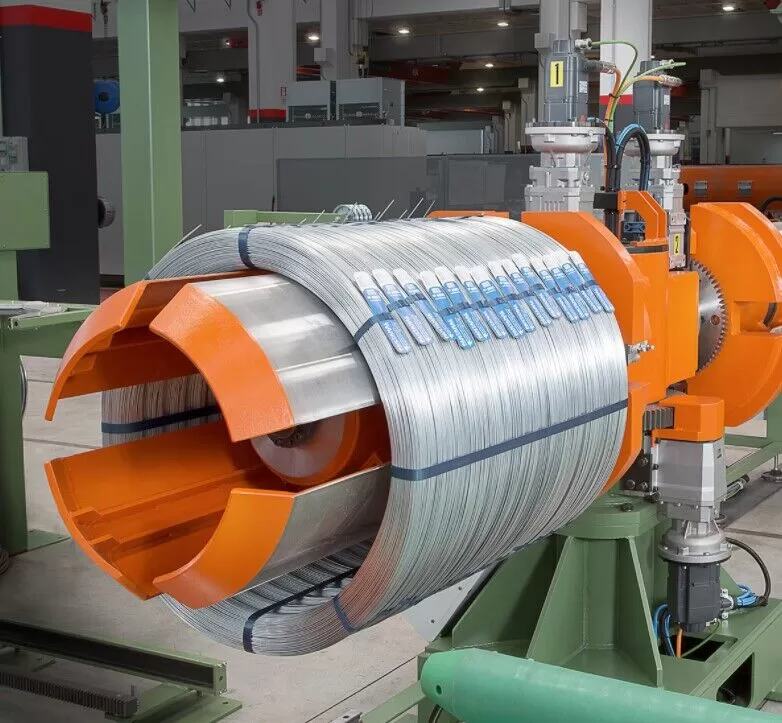
To select the right machine, consider material types, coil dimensions, production volume, and automation level. Evaluate machine features, such as tension control and winding speed, and compare supplier support, maintenance, and customization options to ensure the selected machine fits your production needs.
Investing in the appropriate equipment ensures optimal productivity, minimizes downtime, and yields significant cost savings over time.
Conclusion
Automated steel wire coiling machines represent a transformative technology, offering significant benefits in efficiency, safety, and productivity. By reducing manual labor, minimizing errors, and ensuring consistent quality, these machines enable manufacturers to optimize their operations and meet the ever-increasing demands of modern industry. Embracing this technology can lead to substantial cost savings and improved competitiveness.








