
What Are the Benefits of Pipe Bundling Machines in Reducing Warehouse Labor Costs?
Pipe bundling machines offer a transformative solution for warehouses aiming to reduce labor costs. By automating the process of bundling pipes, these machines minimize the need for manual labor, increase efficiency, and improve overall warehouse operations. This results in significant savings and a more streamlined workflow.
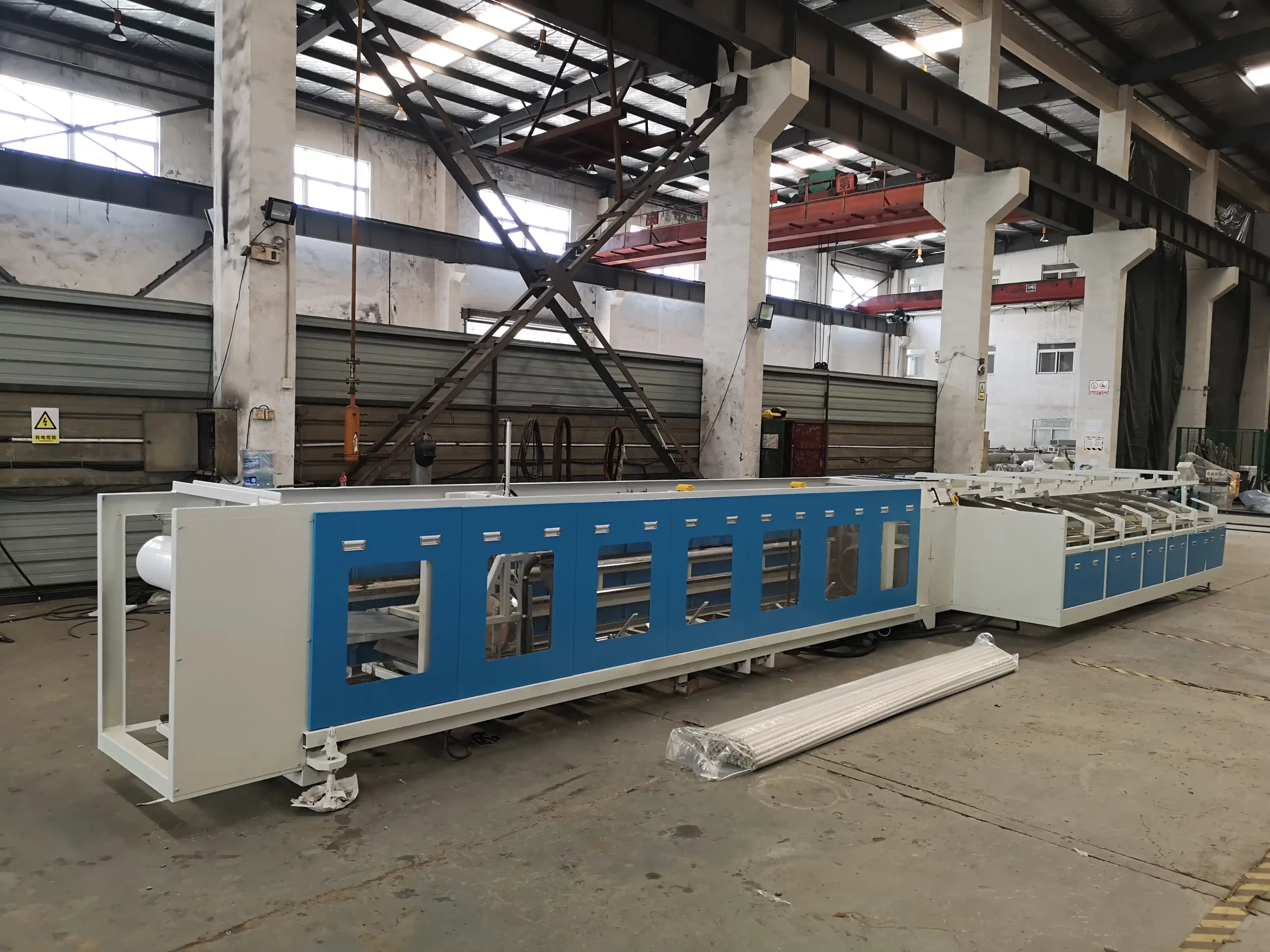
Pipe bundling machines significantly reduce warehouse labor costs by automating the bundling process. This automation minimizes the need for large manual teams, leading to lower wage expenses, reduced benefits and insurance costs, and decreased training expenses. The workforce can then be reallocated to more value-added tasks.
Transitioning to pipe bundling machines can revolutionize your warehouse operations. This article will explore how these machines drive down labor costs, enhance efficiency, and optimize warehouse space. Investing in automation can lead to significant cost savings and improved productivity.
1. Direct Labor Cost Savings with Pipe Bundling Machines
Pipe bundling machines offer a direct reduction in labor costs by automating the traditionally labor-intensive process of bundling pipes. This automation leads to financial benefits and strategic advantages for warehouse operations.
The most immediate benefit of pipe bundling machines is the reduction of direct labor costs. Manual bundling requires a large workforce, making it time-consuming and costly. Automating this process saves money across several key areas, from wages to benefits and training.
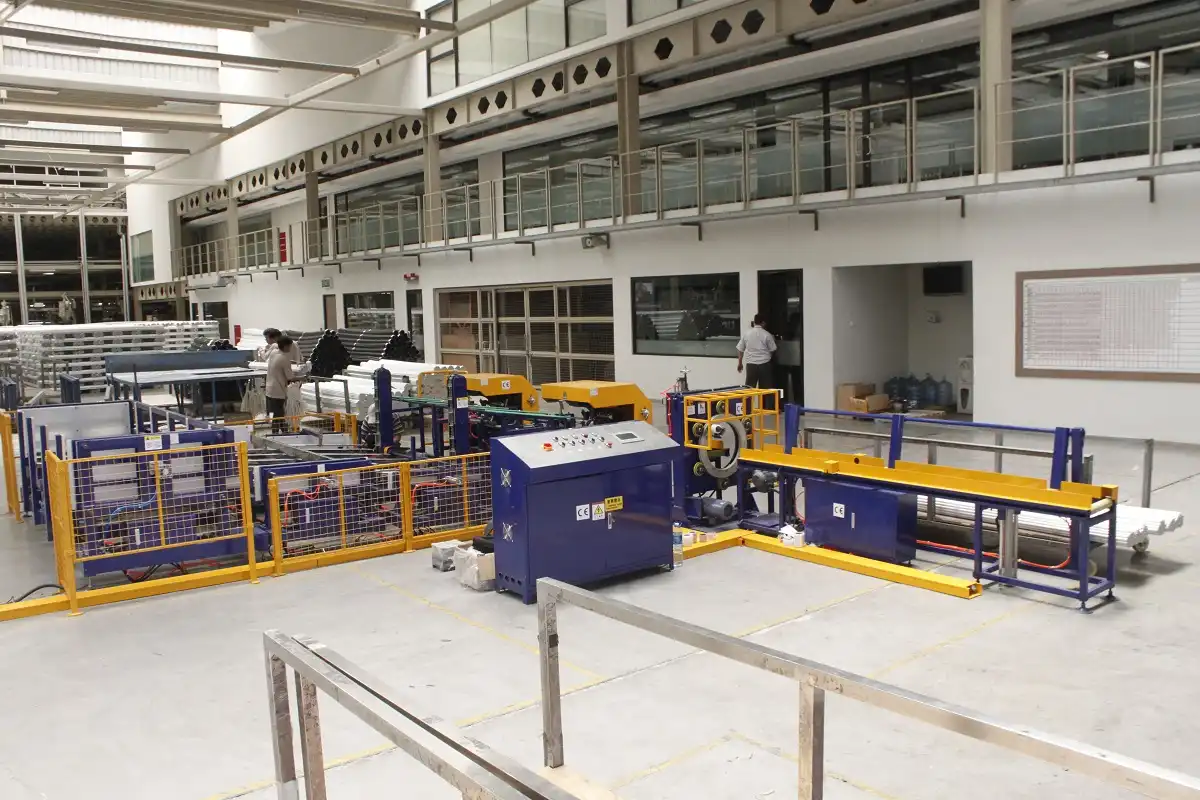
Quantifying the Cost Reduction Potential
To fully understand the financial impact of pipe bundling machines, it’s essential to quantify the cost reduction potential. This can be achieved by comparing the costs associated with manual bundling versus automated bundling across various factors.
A Detailed Cost Comparison
The following table illustrates a cost comparison between manual and automated pipe bundling, highlighting the potential savings in each area:
| Cost Factor | Manual Bundling | Automated Bundling | Cost Reduction Potential |
|---|---|---|---|
| Labor Wages | High – Requires multiple workers | Low – Minimal supervision | 60-80% |
| Benefits & Insurance | Higher for larger workforce | Lower with reduced workforce | Proportional to Wage Savings |
| Training Costs | Continuous for bagging teams | Reduced, machine operation focus | 40-60% |
| Error Rate | Higher – Human error prone | Lower – Consistent automation | 70-90% |
| Throughput | Lower – Limited by manual pace | Higher – Consistent speed | 100-300% |
Cascading Effects on Operational Costs
The reduction in direct labor costs is just the beginning. There are numerous cascading effects on benefits, training, and error rates that further amplify the savings.
- Reduced Training Costs: Training costs for manual bundling teams can be substantial. With automated bundling, training focuses on machine operation, significantly reducing the time and resources spent on training.
- Lower Error Rates: Human error is a common and costly issue in manual bundling. Automated systems ensure consistent and accurate packaging, drastically reducing error rates.
- Increased Throughput: Automated bundling systems operate at a consistent speed, significantly increasing throughput. This means more pipes are packaged per hour, which translates to higher productivity with the same or reduced workforce.
Reallocating Human Resources
Automating the bundling process allows companies to reallocate human resources to more critical areas, such as quality control, maintenance, and process improvement. This not only improves operational efficiency but also enhances the overall value of the workforce.
The higher throughput directly translates to higher productivity with the same or reduced workforce size. This allows companies to reallocate human resources to other critical areas, enhancing overall operational efficiency and contributing to substantial inventory cost reduction by optimizing the flow and speed of packaged pipes ready for dispatch or storage.
The initial investment can be a barrier for some companies. However, the long-term ROI typically justifies the upfront cost. Integrating new machinery into existing production lines can be complex. Careful planning and professional installation are essential. Automated systems require regular maintenance to ensure optimal performance. Investing in maintenance training and support can mitigate this issue. By addressing these challenges proactively, companies can fully leverage the benefits of automated bundling systems.
2. Optimizing Warehouse Space with Automated Pipe Bundling
Efficient use of warehouse space is crucial for minimizing inventory costs. Automated bundling systems optimize space by creating consistently sized and tightly packed bundles, maximizing storage density and reducing the overall footprint required for inventory.
Automated bundling optimizes warehouse space by creating uniform and compact pipe bundles. Consistent sizing allows denser storage configurations, maximizing vertical and horizontal space utilization, reducing the warehouse footprint, and lowering storage-related costs.

Maximizing Storage Density and Reducing Costs
Manually bundled pipes often result in irregular shapes and sizes, leading to wasted space during storage. Automated bundling ensures uniform and compact bundles, offering significant improvements in space utilization and cost savings.
A Detailed Breakdown of Space-Related Savings
The following points break down the space-related savings achieved through automated pipe bundling:
- Reduced Storage Footprint: Uniform bundle dimensions translate to a smaller storage footprint, allowing for more efficient use of available space.
- Lower Rent/Lease Costs: A smaller storage area directly reduces rent or lease costs, providing significant savings over time.
- Decreased Utility Expenses: Less space requires less energy for lighting, heating, and cooling, further contributing to reduced utility expenses.
Maximizing Vertical Space
In addition to reducing the overall footprint, automated bundling allows for better utilization of vertical space. Consistent bundle sizes make it easier to stack pipes higher and more securely, maximizing the use of available height in the warehouse.
Inventory Management Improvements
Accurate space planning simplifies inventory management, making it easier to track and retrieve items. This reduces the risk of lost or misplaced inventory, further contributing to cost savings. Efficient pipe packaging efficiency also ensures faster and more accurate inventory counts, saving time and reducing errors.
Strategic Advantages of Space Optimization
Optimizing warehouse space with automated bundling provides several strategic advantages:
- Increased Storage Capacity: Maximize the use of existing warehouse space without the need for expansion.
- Improved Inventory Accuracy: Accurate space planning leads to better inventory tracking and management.
- Reduced Handling Costs: Uniform bundles are easier to handle and manage, reducing handling costs and simplifying inventory management.
By implementing automated bundling systems, warehouses can achieve significant cost savings through optimized space utilization and improved inventory management.
3. Minimizing Material Waste with Automated Pipe Bundling
Damage during handling and storage leads to significant losses in the pipe manufacturing industry. Automated bundling provides secure and protective packaging, minimizing the risk of damage and consequently reducing material waste.
Automated bundling machines minimize product damage by providing secure and consistent packaging. This reduces damage during handling and transit, lowering the number of rejected or returned products, minimizing material waste from both damaged pipes and packaging materials.
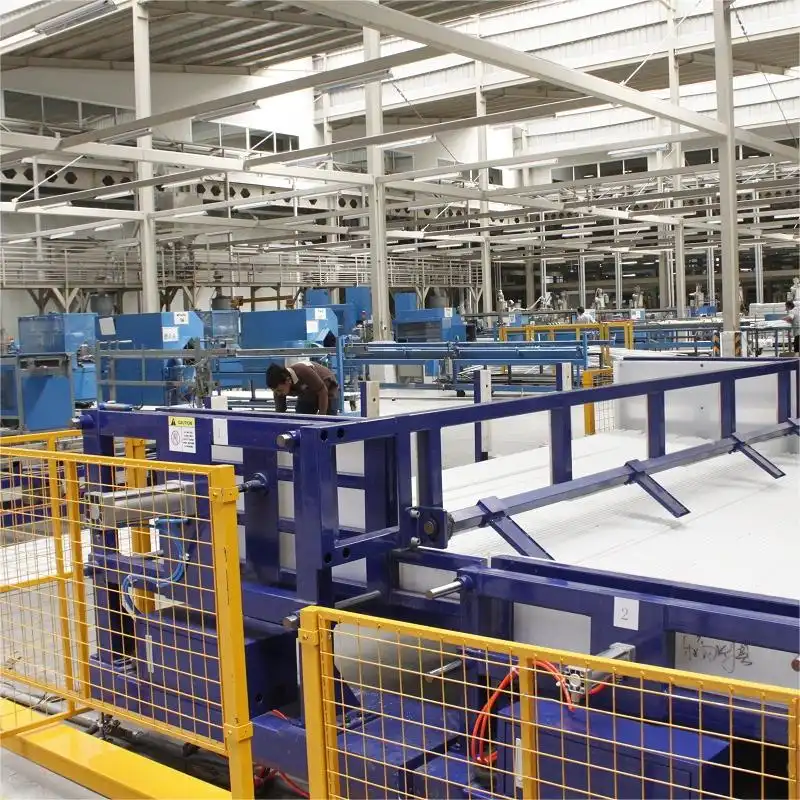
Strategies for Damage Reduction and Waste Minimization
Compared to manual packaging methods, automated bundling machines employ several strategies to minimize damage and waste.
A Detailed Comparison of Damage and Waste Reduction
The following table compares manual and automated bundling methods, highlighting the potential for damage and waste reduction:
| Factor | Manual Packaging | Automated Bundling | Damage/Waste Reduction |
|---|---|---|---|
| Bundle Security | Less secure, inconsistent tying | Tighter, consistent wrapping | 30-50% |
| Protection from Elements | Less protection, open bundles | Full enclosure, weather protection | 20-40% |
| Handling Damage | Higher risk during manual handling | Reduced handling, stable bundles | 40-60% |
| Packaging Material Waste | Higher – Inconsistent usage | Lower – Optimized material use | 15-30% |
| Product Rejection Rate | Higher – Damage during handling | Lower – Protective packaging | 20-35% |
Enhancing Bundle Security
Automated bundling machines provide tighter and more consistent wrapping compared to manual tying, significantly enhancing bundle security. This reduces damage from impacts or vibrations during handling and transit.
Providing Weather Protection
The full enclosure offered by bundling machines provides better protection against environmental elements like moisture and dust, further minimizing damage.
Reducing Manual Handling
Reduced manual handling due to automated systems minimizes the risk of damage during the packaging process itself.
Optimizing Material Usage
Automated systems optimize packaging material usage, reducing waste from excess material application, which is common in manual packaging.
By implementing these strategies, businesses can reduce product rejection rates due to damage, leading to substantial savings and a more sustainable operation. The reduction in waste is not only beneficial for the bottom line but also promotes responsible manufacturing practices.
4. Enhancing Operational Efficiency for Cost Savings
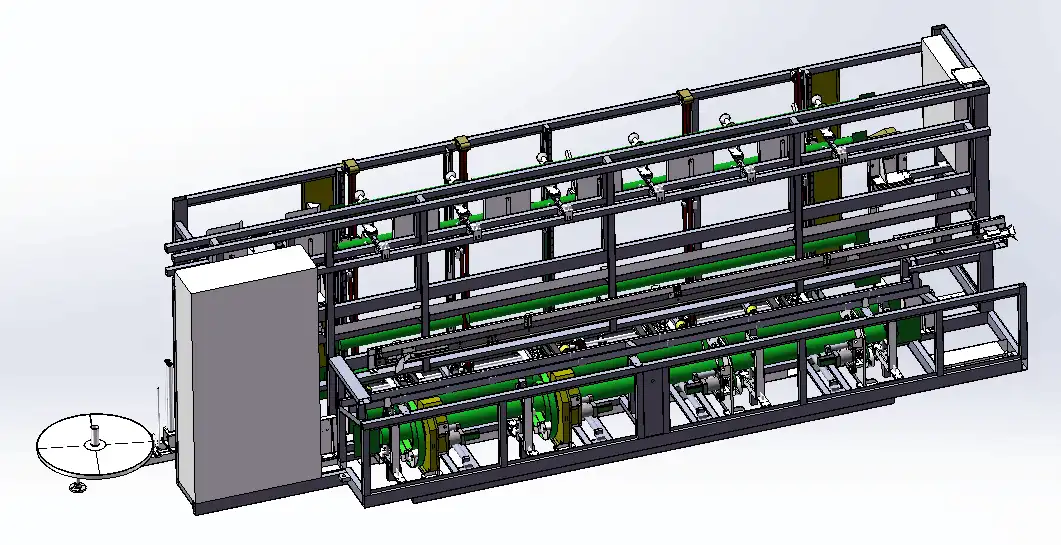
Automated bundling offers a significant step change in throughput compared to manual processes, where human speed and fatigue often create bottlenecks, Bagging machines, operate at consistent high speeds, drastically increasing the number of bundles packaged per hour.Automated bundling machines are designed for high-speed operation, significantly increasing packaging throughput compared to manual methods. Automated bundling can speed up the production process and contributes to substantial operational cost savings by optimizing resource utilization and reducing bottlenecks. Efficiency gains are crucial for maintaining competitiveness in the pipe industry and automated pipe bundling and bagging machine is adopted to make the PVC pipe directly bagged before leaving the factory, realizing automatic packaging, saving the previous four manual processes (counting, bundling, bagging, sealing) , greatly improve the production efficiency, save labor costs, and effectively avoid material waste, while reducing pollution, thereby improving economic efficiency and production efficiency. One machine can replace three workers, saving at least 150,000 labor costs per year.
Conclusion
Automated pipe bundling machines offer a compelling solution for reducing labor costs, improving space utilization, minimizing material waste, and enhancing operational efficiency. The quantifiable benefits across various aspects of warehouse operations make them a strategically sound investment. By automating the pipe bundling process, companies can achieve significant cost savings, improve productivity, and create a more efficient and sustainable warehouse operation. The long-term ROI and sustained financial advantages make automated pipe bundling machines an essential component of modern warehouse management, paving the way for a more efficient, cost-effective, and sustainable future.








