
What Are the Benefits of Pipe Bundling Machines in Reducing Carbon Footprint?
Pipe bundling machines offer a compelling avenue for industries to diminish their environmental impact. These machines streamline the packaging process, contributing significantly to carbon footprint reduction and promoting sustainable packaging.
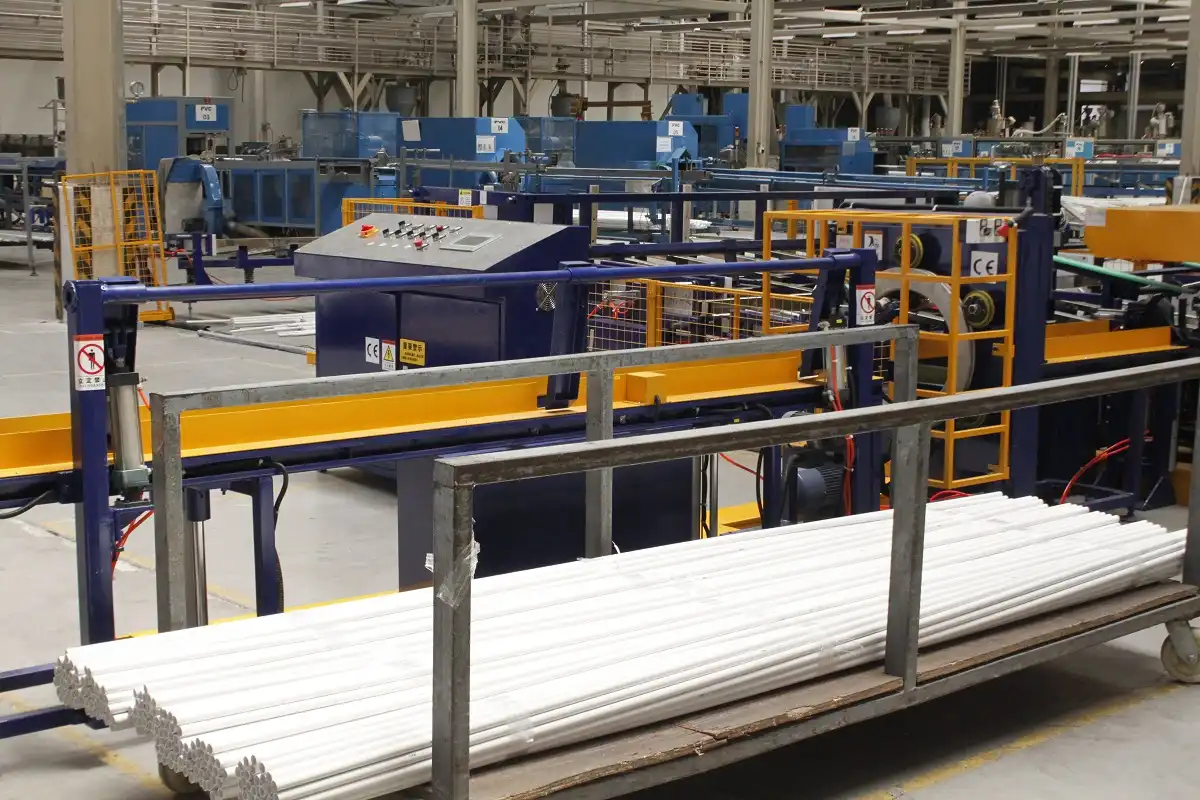
Pipe bundling machines reduce carbon footprint by optimizing material use, minimizing waste, and increasing efficiency. Automating the bundling process cuts down on labor and energy consumption. Employing eco-friendly banding materials further lowers environmental impact. These combined benefits make pipe bundling machines a key tool for sustainable operations.
Ready to dive deeper into how pipe bundling machines contribute to a greener future? Let’s explore the specific ways these machines are revolutionizing the industry and helping businesses meet their sustainability goals.
1. Optimizing Material Usage in Pipe Bundling
Efficient material usage is vital for minimizing waste and reducing a company’s environmental impact. Pipe bundling machines play a critical role in achieving this optimization.
Pipe bundling machines minimize material usage through precise application and tension control. They reduce the need for excessive wrapping or strapping, which lowers overall waste and resource consumption. By using only the necessary amount of banding material, these machines contribute significantly to lowering a company’s carbon footprint.

The Environmental Impact of Traditional vs. Optimized Bundling
Traditional bundling methods often involve manual processes, which can lead to inconsistent material usage and increased waste. In contrast, automated pipe bundling machines offer greater precision and control, resulting in significant environmental benefits. Let’s examine these differences more closely:
Key Differences: Manual vs. Automated Bundling
- Manual Bundling: Relies on human judgment, leading to variations in material usage. Often results in excess material being used to ensure secure bundling. Higher risk of material waste due to errors or inconsistencies in the bundling process.
- Automated Bundling with Machines: Provides precise tension control and material application. Minimizes the amount of banding material required for each bundle. Reduces the likelihood of errors and inconsistencies, leading to less material waste.
Quantitative Analysis: Material Usage Comparison
To illustrate the impact of optimized material usage, consider the following comparison of banding material consumption between manual and automated bundling processes:
| Process | Banding Material per Bundle | Bundles per Day | Total Material Usage per Day |
|---|---|---|---|
| Manual Bundling | 1.5 meters | 200 | 300 meters |
| Automated Bundling | 1.0 meters | 200 | 200 meters |
| Reduction | 0.5 meters | – | 100 meters |
This data demonstrates that automated bundling can reduce banding material usage by 33%. Over time, this reduction can lead to significant cost savings and a lower environmental impact.
Alternative Materials: Embracing Sustainable Options
In addition to optimizing material usage, pipe bundling machines can be used with various sustainable banding materials, further reducing the carbon footprint.
- Paper Banding: As a eco-friendly option that showcases products and protect delicate materials, paper banding provides a strong hold without causing damage.
- Biodegradable Materials: These materials decompose naturally, minimizing long-term waste accumulation. They are often derived from renewable resources.
- Recycled Materials: Utilizing recycled content reduces the demand for virgin materials and lowers the carbon footprint.
By adopting these strategies, companies can significantly reduce their environmental impact while maintaining efficient and secure pipe bundling processes.
2. Minimizing Waste Generation in Pipe Packaging
Waste reduction is a critical component of sustainable operations, and pipe bundling machines offer several advantages in this area.
Pipe bundling machines reduce waste generation through precise application and the ability to use thinner banding materials. They minimize damage to pipes during the bundling process, decreasing the need for re-bundling. By cutting down on material waste and product damage, these machines significantly lower environmental impact.

Streamlining the Bundling Process for Waste Reduction
Traditional bundling methods often involve multiple steps and manual adjustments, increasing the risk of errors and waste. Pipe bundling machines streamline this process, leading to greater efficiency and less waste.
Advantages of Streamlined Bundling
- Reduced Material Waste: Precise tension control ensures the right amount of material is used without excess.
- Minimized Product Damage: Consistent bundling minimizes stress on pipes, reducing damage and the need for re-bundling.
- Lower Energy Consumption: Automated processes reduce the energy required for bundling, further lowering the carbon footprint.
- Ergonomic Improvements: Automated processes lead to decrease the amount of worker motions and prevent them from injury and repetitive strain
Quantitative Analysis: Waste Reduction Comparison
To quantify the impact of streamlined bundling, consider the following comparison of waste generation between manual and automated bundling processes:
| Process | Damaged Pipes per 1000 Bundles | Material Waste per 1000 Bundles |
|---|---|---|
| Manual Bundling | 15 | 10 kg |
| Automated Bundling | 3 | 2 kg |
| Reduction | 12 | 8 kg |
This data highlights that automated bundling can significantly reduce both product damage and material waste, contributing to a more sustainable operation.
Damage Prevention Techniques
Pipe bundling machines incorporate several features to prevent damage during the bundling process:
- Adjustable Tension Control: Allows operators to set the appropriate tension for different types of pipes, minimizing stress and damage.
- Smooth Banding Material: The use of soft banding materials reduces the risk of scratches or dents on the pipes.
- Consistent Application: Automated application ensures even distribution of pressure, preventing localized stress points.
By preventing damage and minimizing waste, pipe bundling machines help businesses reduce their environmental impact and improve their bottom line.
3. Enhancing Efficiency and Reducing Energy Consumption
Beyond material usage and waste reduction, pipe bundling machines offer significant advantages in terms of efficiency and energy consumption.
Pipe bundling machines enhance efficiency by automating the bundling process, leading to faster production times and reduced labor costs. They minimize energy consumption through optimized operation. This combined effect contributes to a smaller carbon footprint and more sustainable operations.
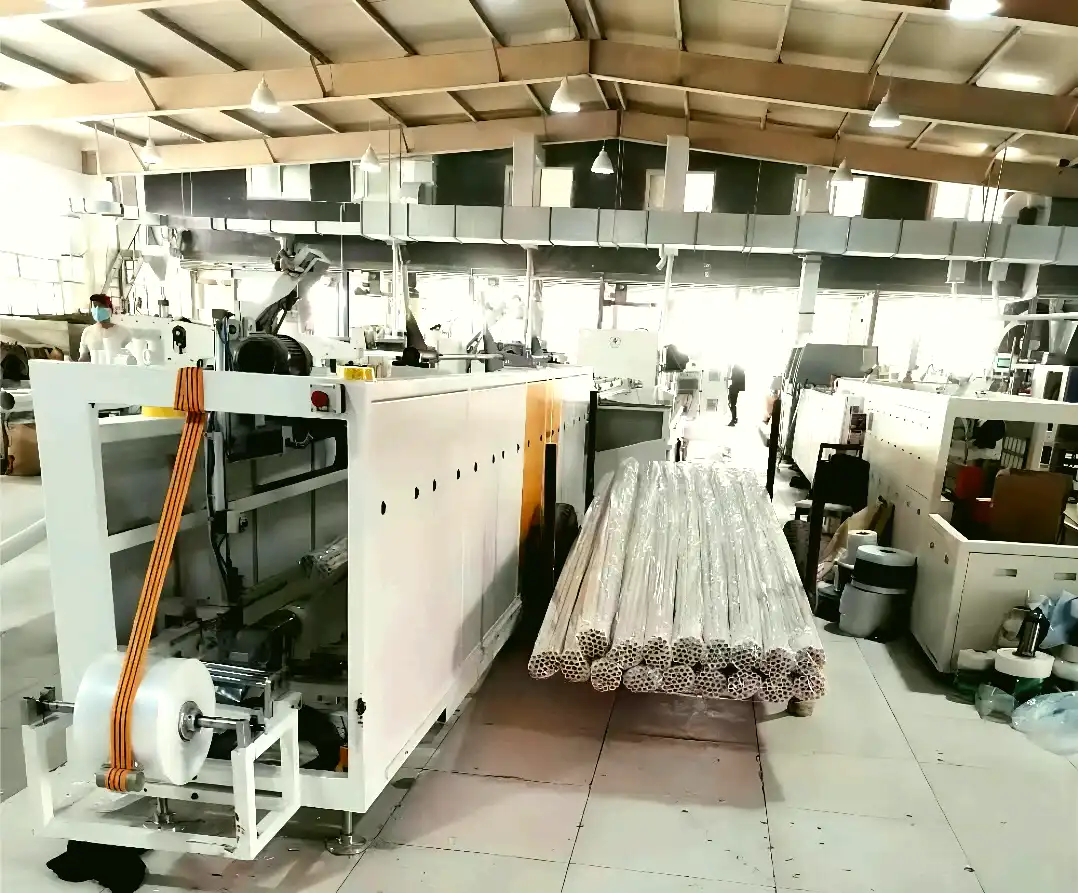
Understanding the Impact of Automation on Energy Use
Manual bundling methods often require significant labor and time, resulting in higher energy consumption. Pipe bundling machines automate this process, leading to greater efficiency and lower energy use.
Efficiency Gains from Automation
- Faster Production Times: Automated bundling significantly reduces the time required to bundle pipes, increasing overall production output.
- Reduced Labor Costs: Automation reduces the need for manual labor, leading to cost savings and improved resource allocation.
- Optimized Energy Consumption: Efficient machine operation minimizes energy usage, lowering the carbon footprint.
Analyzing Energy Consumption: Manual vs. Automated
To illustrate the impact of automation on energy consumption, consider the following comparison of energy usage between manual and automated bundling processes:
| Process | Labor Hours per 1000 Bundles | Energy Consumption per 1000 Bundles |
|---|---|---|
| Manual Bundling | 40 hours | 50 kWh |
| Automated Bundling | 10 hours | 20 kWh |
| Reduction | 30 hours | 30 kWh |
This data demonstrates that automated bundling can significantly reduce both labor hours and energy consumption, leading to a more sustainable and cost-effective operation.
Energy-Efficient Technologies
Modern pipe bundling machines incorporate several energy-efficient technologies to minimize their environmental impact:
Advancements in Banding Equipment
- Servo-Driven Systems: More precise and energy-saving compared to pneumatic systems.
- Standby Modes and Smart Controls: Minimizing energy use during idle periods.
- Regular Maintenance: Ensuring machines operate at peak efficiency and avoid energy waste due to malfunctions.
By incorporating these technologies, pipe bundling machines help businesses reduce their energy consumption and lower their carbon footprint.
4. Case Studies: Real-World Examples of Carbon Footprint Reduction
Examining real-world case studies can provide valuable insights into the effectiveness of pipe bundling machines in reducing carbon footprint.
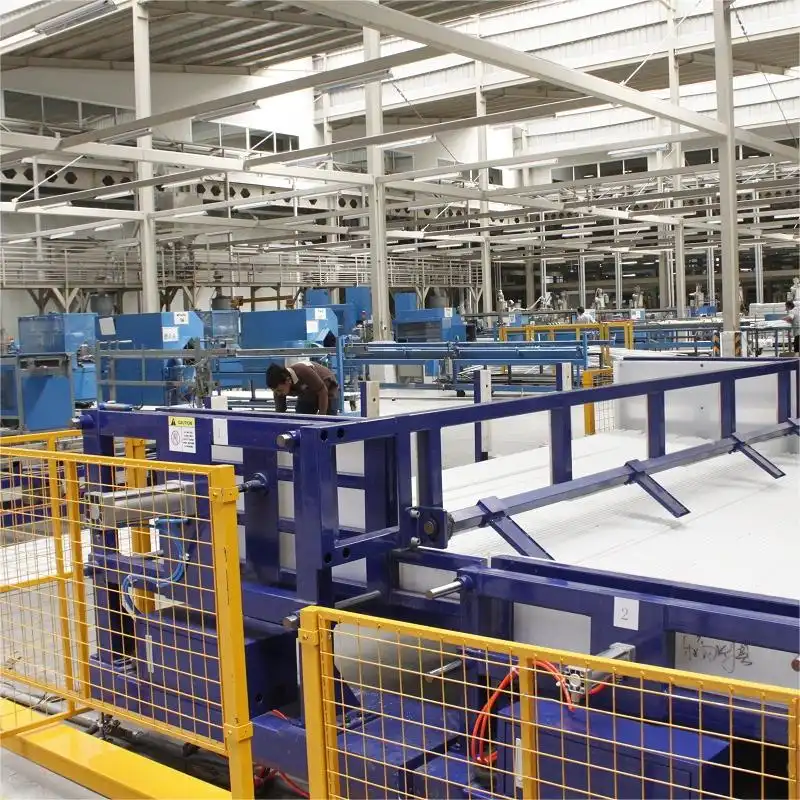
In industrial laundry settings, for instance, a system like the ALTS can handle up to 900 bundles per hour, significantly improving PPOH. This metric is especially important when calculating overhead costs in industries with razor-thin margins. These are a few reasons, automated pipe bundling machine offers great value to your buisness.
Conclusion
Pipe bundling machines offer a powerful solution for businesses seeking to reduce their carbon footprint. By optimizing material usage, minimizing waste generation, and enhancing efficiency, these machines contribute to a more sustainable future.








