

Vertical vs. Horizontal Steel Coil Wrapping Systems: Performance Analysis
Are you struggling with cumbersome steel coil handling in your manufacturing plant? Imagine streamlining your packaging process, reducing material damage, and boosting efficiency. The solution might lie in choosing the right coil wrapping system – vertical or horizontal. But which one offers optimal performance for your specific needs?
Vertical and horizontal steel coil wrapping systems offer distinct performance characteristics. Vertical systems excel in space-saving and handling heavier, round coils, while horizontal systems are better suited for flat, wider coils and offer easier integration into existing production lines. The best choice depends on coil dimensions, weight, plant layout, and desired throughput.
This analysis delves into the performance nuances of vertical versus horizontal steel coil wrapping systems, providing a comprehensive guide to optimize your coil handling process and ensure peak operational efficiency.
Decoding Vertical and Horizontal Upender Differences
Are you at a crossroads, unsure whether a vertical or horizontal upender best fits your coil handling needs? Many manufacturers face this dilemma when seeking to enhance their packaging automation. The key lies in understanding the fundamental differences in their operation and performance.
The primary distinction between vertical and horizontal upenders is their operational mechanism. Vertical upenders rotate coils 90 degrees along a vertical axis, ideal for cylindrical objects and saving floor space. Horizontal upenders, conversely, tilt coils sideways, better suited for flat or wide loads and areas with height restrictions.


Vertical vs. Horizontal: A Detailed Performance Breakdown
Choosing between vertical and horizontal coil wrapping systems isn’t just about space; it’s about optimizing performance based on your specific operational demands. Let’s dissect the critical performance factors to guide your decision:
Floor Space Utilization: The Vertical Advantage
Vertical upenders are champions of space efficiency. Their compact footprint is a significant advantage, especially in facilities where floor space is a premium. By rotating coils upright, they minimize the area required for coil handling and storage.
Load Shape and Stability: Horizontal Versatility
Horizontal upenders shine when handling broad, flat coils. Their design provides a stable platform for these wider loads, reducing the risk of toppling during the wrapping process. While vertical upenders can handle round coils with precision, they may require additional stabilization for irregularly shaped or less balanced loads.
Rotation Dynamics and Precision: Vertical Accuracy
Vertical upenders generally offer superior rotational precision, particularly crucial for delicate or heavy round coils. The controlled vertical rotation minimizes stress on the coil and ensures accurate positioning for wrapping. Horizontal upenders, while efficient for lateral movement, may exhibit less rotational accuracy due to the tilting mechanism.
Integration and Workflow: Horizontal Flexibility
Horizontal systems often integrate more seamlessly into existing horizontal production workflows. If your coil processing line is already set up for horizontal movement, a horizontal upender can be a drop-in solution, minimizing workflow disruptions and integration costs. Vertical systems might require adjustments to material flow and handling infrastructure.
Operational Efficiency and Throughput: Context is Key
Efficiency isn’t inherent to one system. It’s dictated by your coil type and operational goals. For facilities dealing primarily with round, heavy coils and prioritizing space, vertical upenders can streamline workflow and maximize throughput per square foot. For operations handling diverse coil shapes, especially wider ones, and valuing horizontal workflow integration, horizontal upenders might offer greater overall efficiency.
To better visualize the performance trade-offs, consider this comparative table:
| Feature | Vertical Upender | Horizontal Upender |
|---|---|---|
| Floor Space | Excellent – Compact footprint | Good – Larger footprint, requires lateral space |
| Load Shape | Best for Round/Cylindrical Loads | Best for Flat/Wide Loads |
| Load Stability | High for Balanced Round Loads | High for Broad, Flat Loads |
| Rotation Precision | Superior – Precise 90-degree vertical rotation | Good – Lateral tilting, potentially less precise |
| Workflow Integration | Moderate – May require workflow adjustments | Excellent – Easier integration into horizontal lines |
| Height Clearance | Requires Headroom | Less Headroom Required |
The optimal choice isn’t about declaring a definitive winner, but aligning the upender’s strengths with your operational priorities and coil characteristics.
Choosing the Right Upender for Your Application
Navigating the upender market can feel overwhelming. The sheer variety of options makes selecting the perfect fit for your operations seem daunting. However, the process becomes straightforward when you center your decision on your unique operational landscape and application-specific needs.
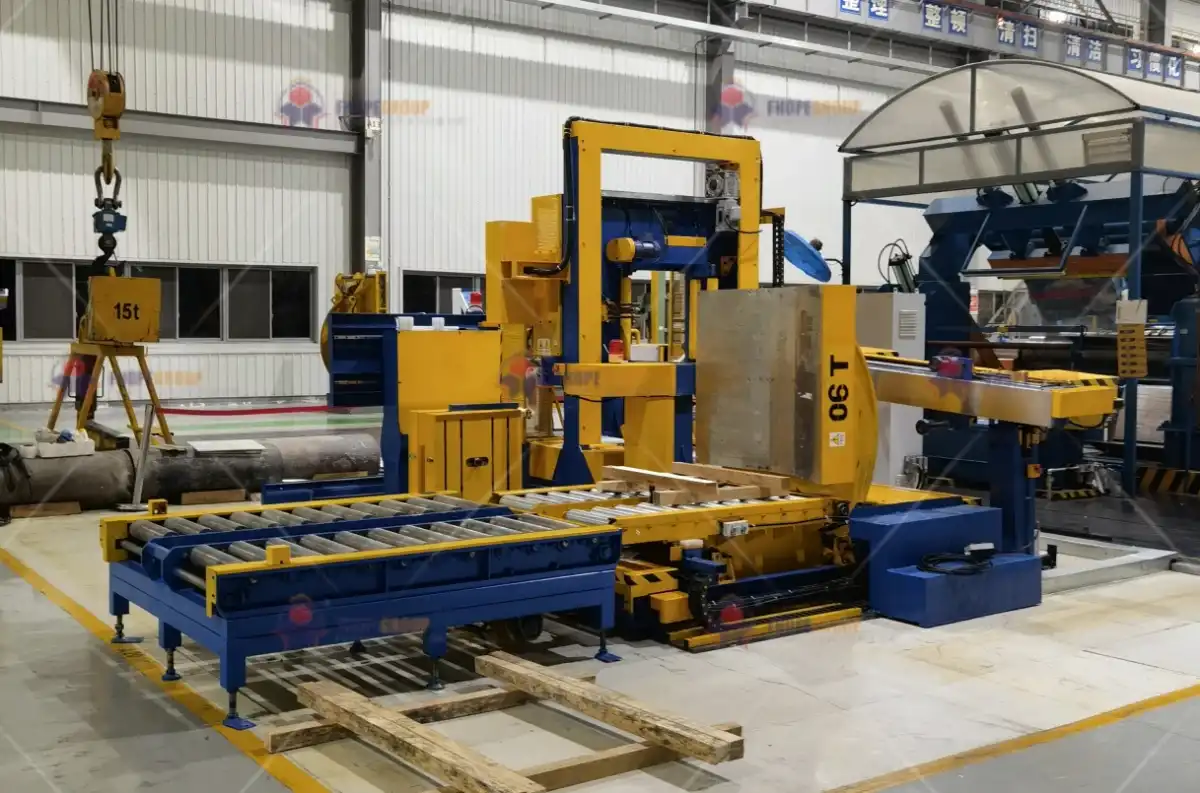
Selecting the ideal upender involves a detailed assessment of your operational demands, including load capacity, coil dimensions, environmental factors, and integration needs. A well-chosen upender streamlines workflow, enhances safety, and significantly boosts efficiency in your coil handling processes.

Key Factors in Upender Selection: A Strategic Approach
To make a confident and effective choice, consider these critical factors that directly influence upender suitability and long-term performance:
Load Capacity and Size: Matching Machine to Material
The cornerstone of your decision is load capacity. Mismatched capacity leads to safety hazards and equipment damage. Thoroughly analyze the weight and dimensions of your heaviest coils. Upenders range vastly in capacity; ensure your selection comfortably handles your maximum load requirements with a safety margin. Overloading not only risks immediate failure but also accelerates wear and tear, shortening equipment lifespan.
Operational Environment: Considering Workplace Conditions
Your operational environment plays a pivotal role. Is your facility a climate-controlled indoor space, or a rugged outdoor setting exposed to the elements? For harsh environments, prioritize upenders built with robust, weather-resistant materials and protective coatings. Temperature extremes, humidity, dust, and corrosive substances can all impact upender performance and longevity. Choosing equipment rated for your specific working conditions minimizes downtime and maintenance costs.
Integration with Existing Systems: Workflow Harmony
Upender integration shouldn’t be an afterthought. Assess how seamlessly the new equipment will integrate with your existing machinery and production lines. Consider the infeed and outfeed systems, conveyor lines, and overall material flow. Compatibility ensures a continuous, efficient workflow without costly modifications or bottlenecks. A poorly integrated upender can negate efficiency gains, creating operational friction rather than flow.
Maintenance and Durability: Long-Term Reliability
Downtime is costly. Prioritize upenders known for durability and ease of maintenance. Investigate the maintenance requirements of different models. Opt for equipment with readily available spare parts and clear maintenance protocols. Regular, straightforward maintenance keeps your upender running smoothly, minimizing disruptions and extending its operational life. Reliability translates directly to consistent productivity and cost savings over time.
Cost Efficiency: Value Beyond Initial Price
Cost efficiency extends beyond the initial purchase price. Evaluate the long-term operational costs, potential savings, and productivity gains. A cheaper upender might seem appealing upfront, but consider its lifespan, maintenance needs, and potential downtime. A slightly higher initial investment in a robust, efficient, and reliable upender can yield substantial savings in labor, reduced material damage, and increased throughput over the long run. Focus on total cost of ownership, not just the sticker price.
By methodically evaluating these key considerations, you move beyond guesswork and make an informed, strategic upender selection that aligns perfectly with your application requirements and optimizes your coil handling operations for years to come.
Maintenance Requirements for Steel Coil Upenders
Unforeseen downtime due to neglected maintenance can cripple production schedules and inflate operational costs. For steel coil upenders, consistent and meticulous maintenance is not just good practice; it’s crucial for ensuring safety, extending equipment lifespan, and maintaining peak performance.
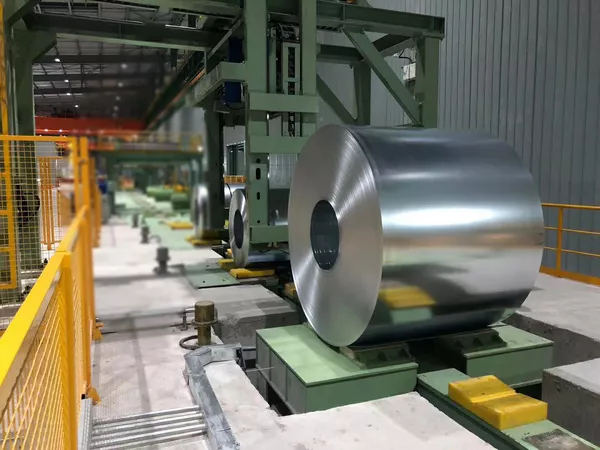
Regular maintenance for steel coil upenders encompasses routine inspections and servicing of critical systems like hydraulics, lubrication points, and safety mechanisms. These proactive measures guarantee operational safety, prolong equipment life, and ensure consistent, reliable performance in heavy material handling.

Essential Upkeep Practices: Keeping Your Upender in Prime Condition
Mastering the nuances of upender maintenance is paramount for operators and owners alike. Let’s explore the vital maintenance tasks that ensure smooth, uninterrupted operation:
Hydraulic System Vigilance: Preventing Costly Failures
The hydraulic system is the lifeblood of your upender, powering its lifting and rotating mechanisms. Regularly inspect hydraulic components – hoses, cylinders, pumps – for leaks, wear, and damage. Hydraulic fluid levels should be checked and maintained according to manufacturer specifications. Contaminated or low hydraulic fluid can lead to sluggish performance, system overheating, and eventual component failure, causing significant downtime. Proactive hydraulic system checks are a cornerstone of preventative maintenance.
Lubrication Regimen: Minimizing Friction and Wear
Moving parts are the workhorses of your upender, and lubrication is their essential fuel. Adhere to a strict lubrication schedule for all gears, bearings, chains, and other moving components. Proper lubrication minimizes friction, prevents overheating, and reduces wear and tear, significantly extending the lifespan of critical parts. Neglecting lubrication leads to increased friction, heat buildup, premature wear, and ultimately, mechanical failures that halt production.
Safety Mechanism Verification: Prioritizing Workplace Safety
Safety mechanisms are your frontline defense against accidents and injuries. Routinely test all safety sensors, emergency stops, interlocks, and control panels. Ensure emergency stops are instantly responsive and that all safety features function flawlessly. Regular verification guarantees these systems will perform as intended when needed, protecting personnel and preventing workplace incidents. Safety is not an afterthought; it’s an integral part of upender maintenance.
Structural Integrity Inspections: Maintaining Robustness
The upender’s structural integrity is paramount for its long-term usability and safety. Conduct routine visual inspections of the entire structure – frame, lifting arms, platforms – for any signs of physical damage, cracks, corrosion, or weld fatigue. Address any structural concerns promptly. A compromised structure can lead to instability, component failure, and hazardous operating conditions. Regular structural checks ensure the upender remains robust and reliable under heavy loads.
Performance Monitoring: Early Issue Detection
Performance logs are invaluable tools for proactive maintenance. Utilize performance monitoring systems (if equipped) or maintain manual logs to track operational efficiency – cycle times, load handling consistency, error codes. Monitor for any deviations from baseline performance. Performance declines often signal underlying issues. Early detection through performance monitoring allows for timely intervention, preventing minor problems from escalating into major, costly repairs and downtime.
| Maintenance Task | Frequency | Key Benefits |
|---|---|---|
| Hydraulic System Checks | Monthly | Ensures operational reliability and safety |
| Lubrication | Weekly to Monthly | Reduces wear, increases equipment lifespan |
| Safety Mechanism Verification | Monthly | Enhances user safety, prevents accidents |
| Structural Inspections | Quarterly | Maintains stability, prevents costly repairs |
| Performance Monitoring | Ongoing | Identifies issues early, enables timely resolution |
By diligently adhering to these maintenance practices, you not only safeguard your investment in steel coil upenders but also cultivate a safer, more efficient, and consistently productive coil handling operation.
Conclusion: Optimizing Coil Handling with Informed Decisions
Choosing between vertical and horizontal steel coil wrapping systems isn’t a one-size-fits-all scenario. It demands a thorough understanding of your operational landscape, coil specifications, and long-term goals. The right choice, however, unlocks significant gains in efficiency, safety, and productivity.
Selecting the appropriate steel coil upender hinges on a clear understanding of your unique needs, operational environment, and maintenance capabilities. Informed decisions, aligned with these critical factors, pave the way for optimal industrial outcomes, maximizing efficiency, enhancing safety, and ensuring a seamless workflow.

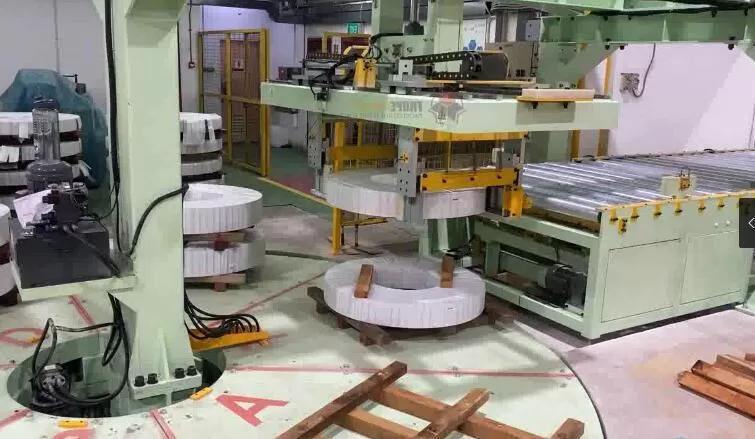
By carefully weighing the performance attributes of vertical and horizontal systems against your specific requirements, you can make a strategic equipment choice that not only addresses your immediate coil handling needs but also contributes to long-term operational success. Remember to consider factors beyond initial cost, focusing on lifecycle value, maintenance demands, and the seamless integration of the chosen system into your overall production line. Investing time in thorough analysis and informed decision-making ensures you harness the full potential of automated coil wrapping, driving efficiency and profitability in your steel processing operations.
Ultimately, the performance analysis reveals that both vertical and horizontal systems offer distinct advantages. Your optimal path lies in aligning the strengths of each system with the specific demands of your application, creating a tailored solution that maximizes efficiency and minimizes operational headaches.
Conclusion
In conclusion, the choice between vertical and horizontal steel coil wrapping systems is a strategic decision deeply rooted in optimizing floor space utilization and operational efficiency. By carefully analyzing load types, space constraints, and workflow integration needs, businesses can select the system that best enhances their productivity. For further exploration into advanced packaging solutions, consider investigating wire packing automation to complement your coil handling processes.












